







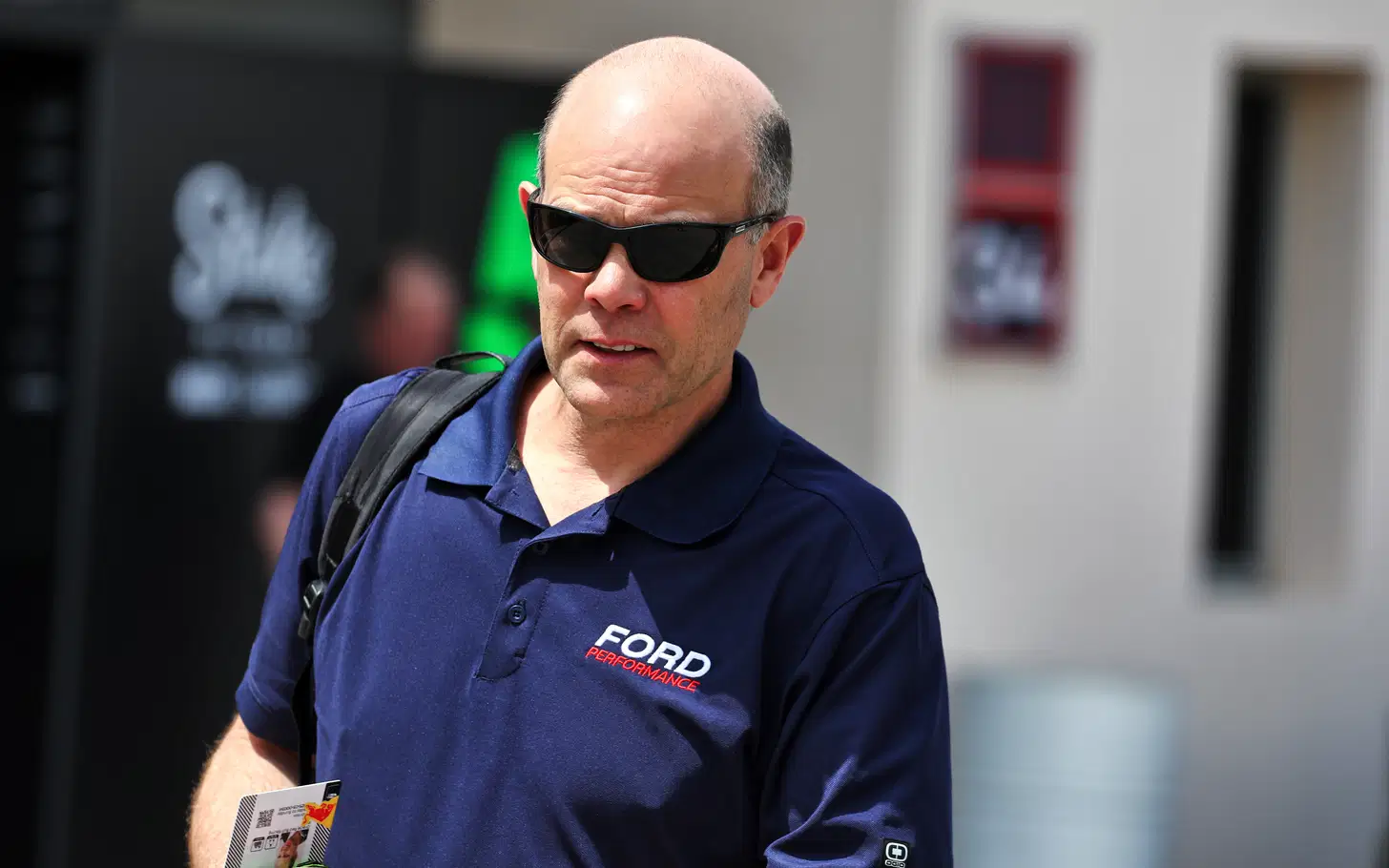

Ford has welcomed the FIA decision to revise Formula 1 power unit regulations for the 2027 season following widespread criticism regarding the dominance of electric energy deployment throughout the early phase of 2026. Ford global motorsport director Mark Rushbrook described the move as an important step toward improving racing quality and preserving Formula 1’s competitive identity.
The FIA confirmed that the power distribution between internal combustion engines and electrical systems will shift from the current near-50:50 concept to approximately 60:40 starting in 2027. The adjustment is designed to reduce the excessive reliance on battery deployment that many drivers believe has become too influential in determining overall car performance.
Throughout the 2026 season, several drivers have criticised the new-generation Formula 1 regulations for placing too much emphasis on energy management rather than outright racing pace. Major concerns have included excessive lift-and-coast driving, super-clipping, and the inability to maintain flat-out qualifying laps consistently.
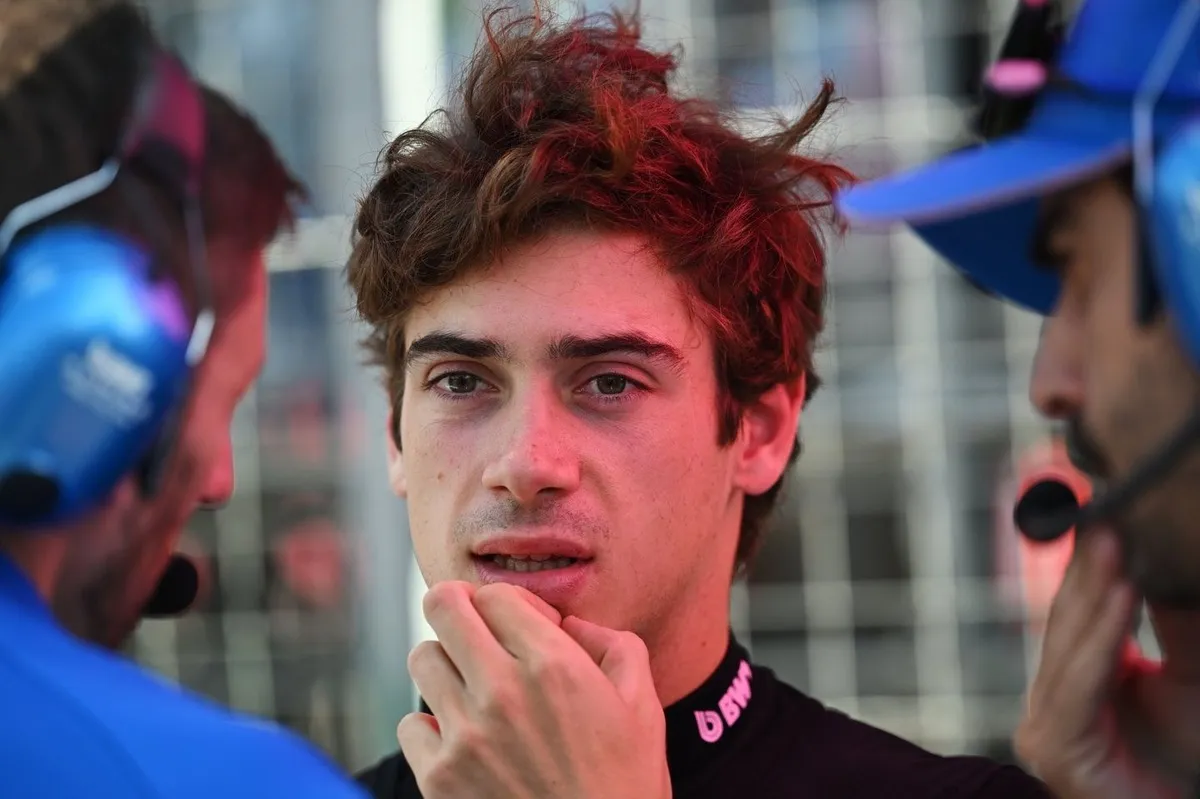
Max Verstappen has emerged as one of the most outspoken critics of the current regulations. The Red Bull world champion argued that the heavily electrified format reduces the quality of wheel-to-wheel combat and makes racing feel increasingly artificial.
"I think this is a good step to help the quality of racing and the Formula 1 product on track," Rushbrook explained.
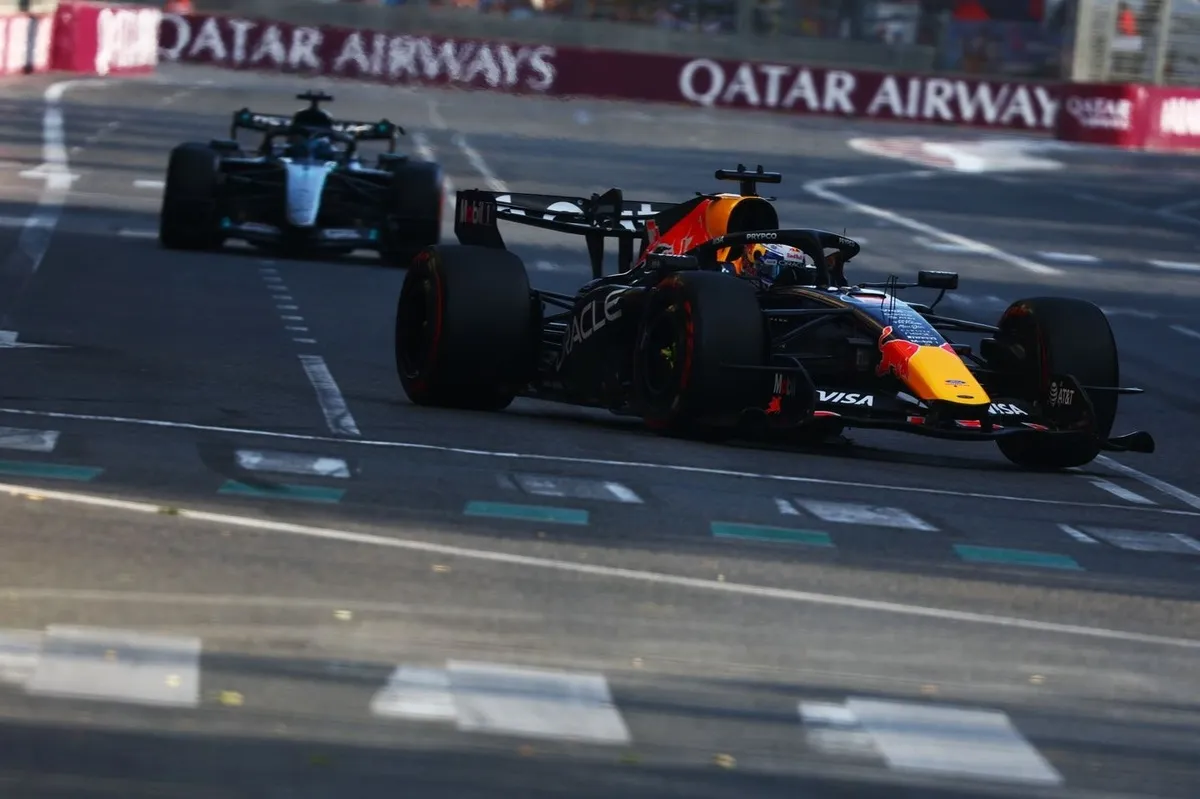
The regulation revision arrives during a critical phase for the new Red Bull Racing-Ford power unit project, which debuted this season. Although Red Bull’s overall competitiveness has remained inconsistent during the opening rounds of 2026, the Red Bull Powertrains-Ford engine package has shown promising potential.
Rushbrook acknowledged that one of the project’s biggest challenges is competing against established manufacturers such as Ferrari and Mercedes, both of which possess decades of Formula 1 engine-development experience. As a result, Ford views the current regulation adaptation phase as a crucial long-term foundation-building process.
From a technical standpoint, the transition toward a 60:40 power split is expected to reduce the need for extreme energy-saving during races and qualifying sessions. The FIA hopes the cars will regain a more aggressive racing character under acceleration and wheel-to-wheel combat conditions while still maintaining Formula 1’s commitment to electrification.
Rushbrook also praised Red Bull’s competitive mentality despite the difficult start to the 2026 campaign with the RB22 package. He stressed that building a new engine programme requires time but expressed confidence in Red Bull’s ability to recover due to the team’s deeply competitive culture.
"We know it will take a huge amount of work to reach the level we want. That is one of the reasons we partnered with Red Bull because they are true racers fully committed to winning," he added.
With Formula 1 now gradually shifting its attention toward the 2027 regulations, the balance between electrification, internal combustion performance, and racing quality is expected to become one of the championship’s defining technical debates over the coming seasons.
Read Also
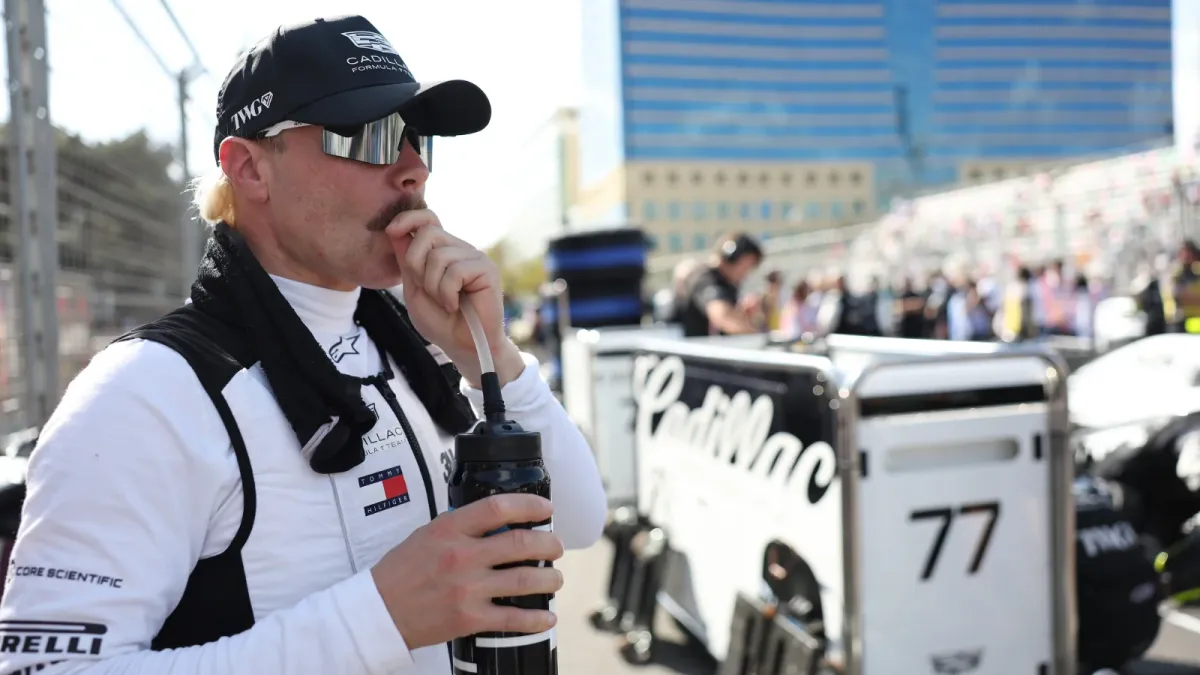
Valtteri Bottas meminta Cadillac menyelidiki gangguan sistem yang menyebabkan kecelakaan di Grand Prix Azerbaijan. Insiden ini memicu debat regulasi F1.
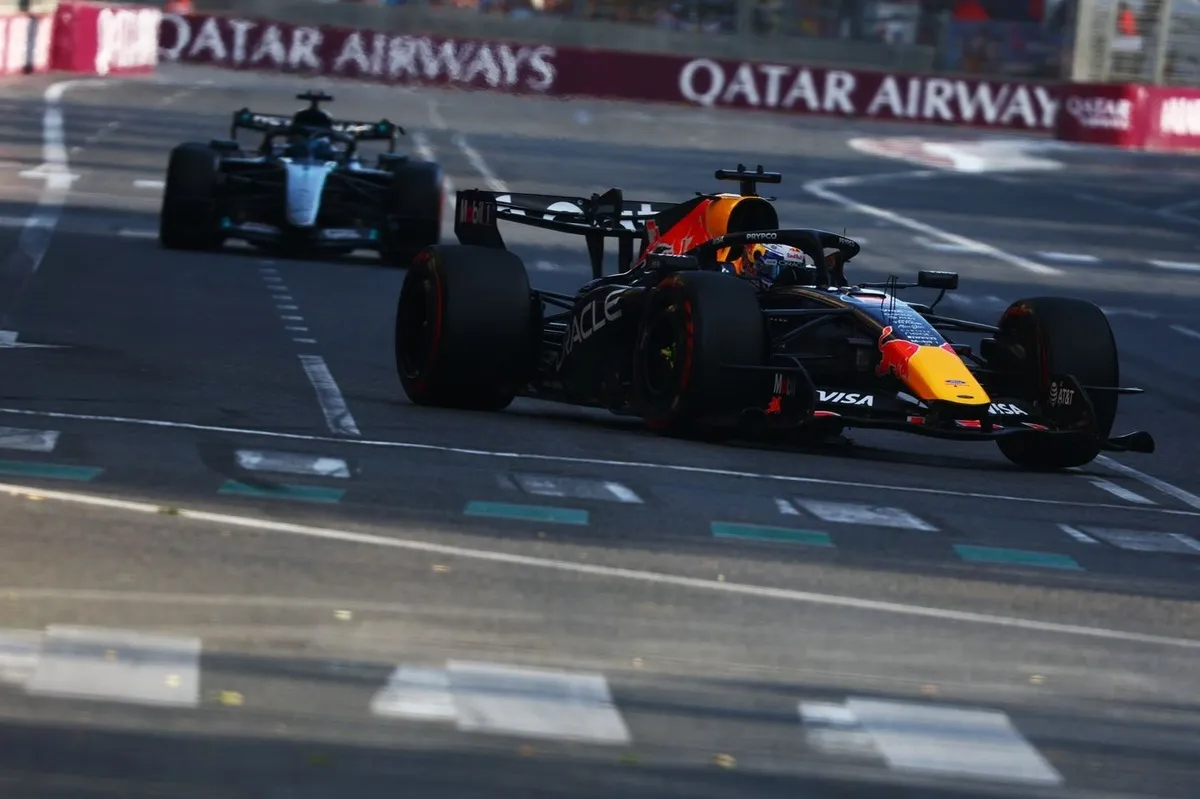
Red Bull raih podium ganda di GP Azerbaijan 2026 berkat power unit kuat dan manajemen energi tepat. Verstappen finis kedua setelah masalah kualifikasi.
Red Bull Racing raih podium ganda di GP Azerbaijan 2026 lewat performa unit daya dan manajemen energi. Simak rahasia kecepatan Verstappen dan Hadjar di Baku.
 Continue with Google
Discussion (0)
Join the Discussion!
Sign in easily to start commenting, replying, and interacting with other readers.
Latest Comments
No comments yet. Be the first!