







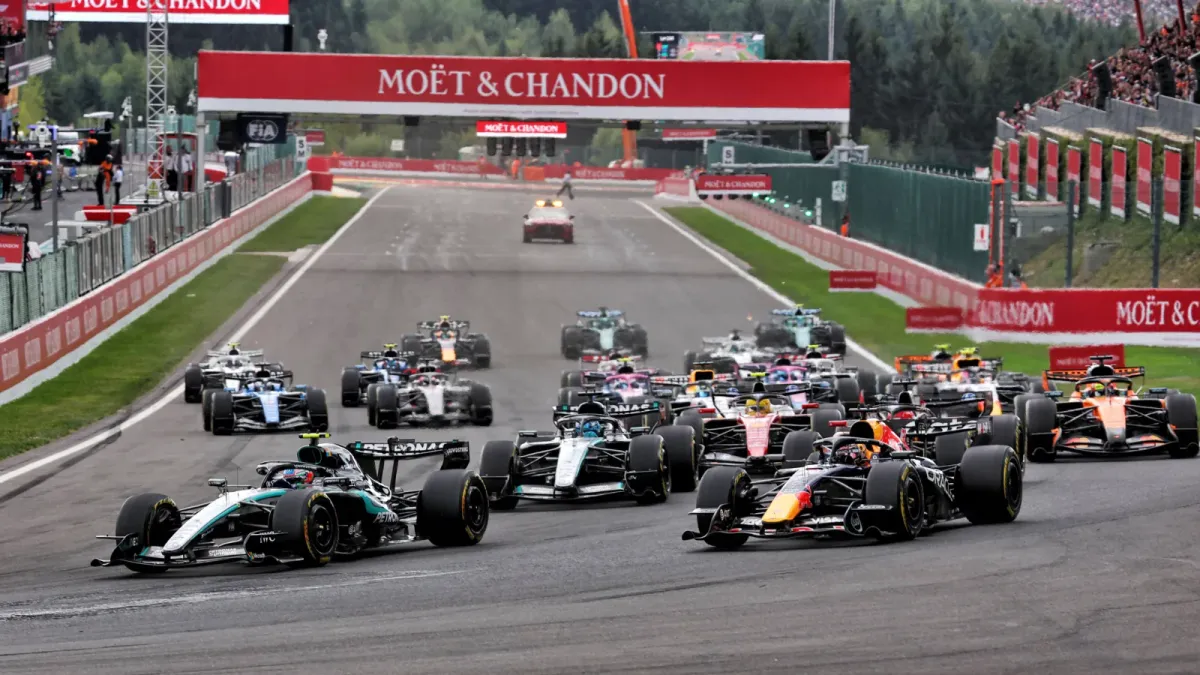

The FIA has ambitious plans to make Formula 1 cars up to 80kg lighter in its next set of regulations, according to single-seater director Nikolas Tombazis. This comes after the minimum weight for F1 cars was reduced for the 2026 season to 768kg – a 32kg drop compared to the year before. The goal was to make the cars smaller and lighter, and combined with less downforce, allow drivers to focus more on steering.
However, the sport's governing body is still not satisfied, with a desire for even more nimble machinery on the grid. In an interview with media (via Autosport), Tombazis said F1 drivers "appreciated" the weight reduction, but he believes they can go further.
"Now, is that where I would like us to be? No," he said. "I would like us to be another 80 kilos lighter, and maybe still a bit shorter and a bit smaller in the future. That's the sort of target, that we do another big step from what was possible to do now. I think this is not a bad step, but it's not like I'm saying, 'Yes, job done, that's the target'. We want to go to another step of lightness in the future, and also the weight, a significant step."
Weight Reduction Targets Already Causing Headaches for F1 Teams
The next F1 regulation overhaul is due in 2031, but can be pulled back to 2030 if there is sufficient support. No changes would be able to come into force until then, but such a low target would no doubt cause issues for the teams.
Several teams have reportedly struggled with the weight reduction rules for 2026 – one of which being Red Bull, whose RB22 was said to have been up to 10kg overweight at the start of the season. Williams team principal, James Vowles, also admitted that his team was struggling with weight issues. Some reports claimed that the team's FW48 was more than 20kg over the limit at the Chinese Grand Prix earlier this year.
An 80kg weight reduction is more than double what was introduced for 2026, meaning many teams could face excess weight issues – and therefore slower lap times – should it be brought into force. With the technical challenges becoming ever more complex, this decision will be a major test for engineers and designers in the paddock. Will they be able to adapt to this ambitious target? Time will tell.
Read Also
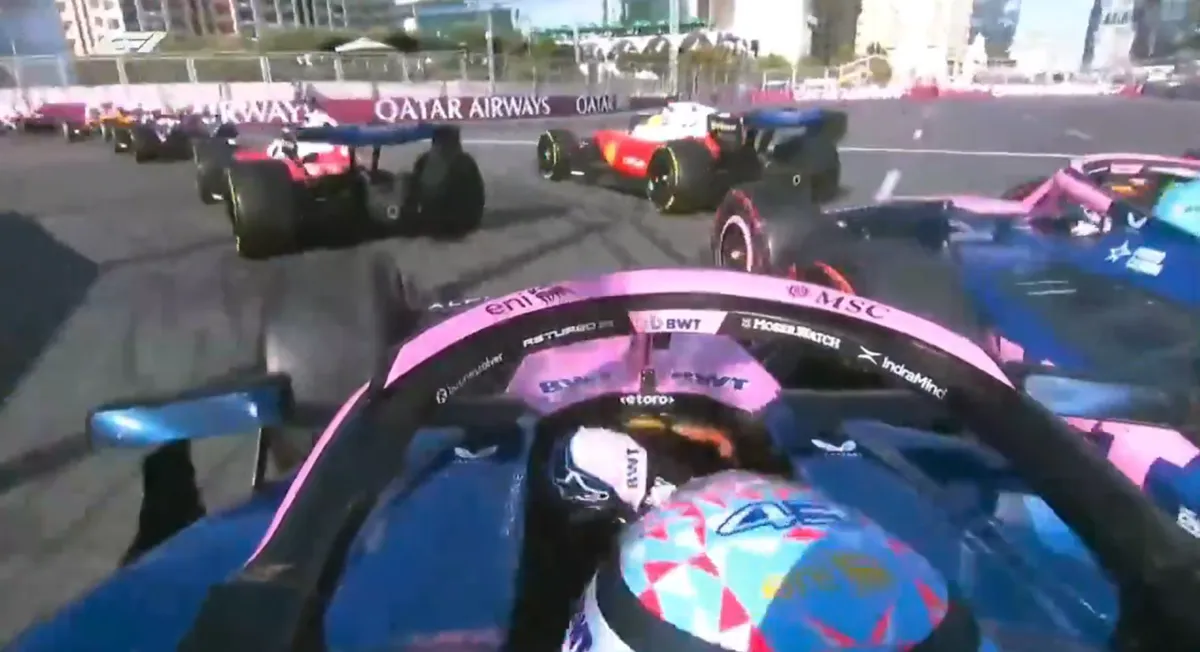
Lando Norris geram usai disingkirkan Franco Colapinto di Tikungan 1, desak FIA beri larangan balap. Insiden ini akhiri delapan balapan beruntun finis poin.
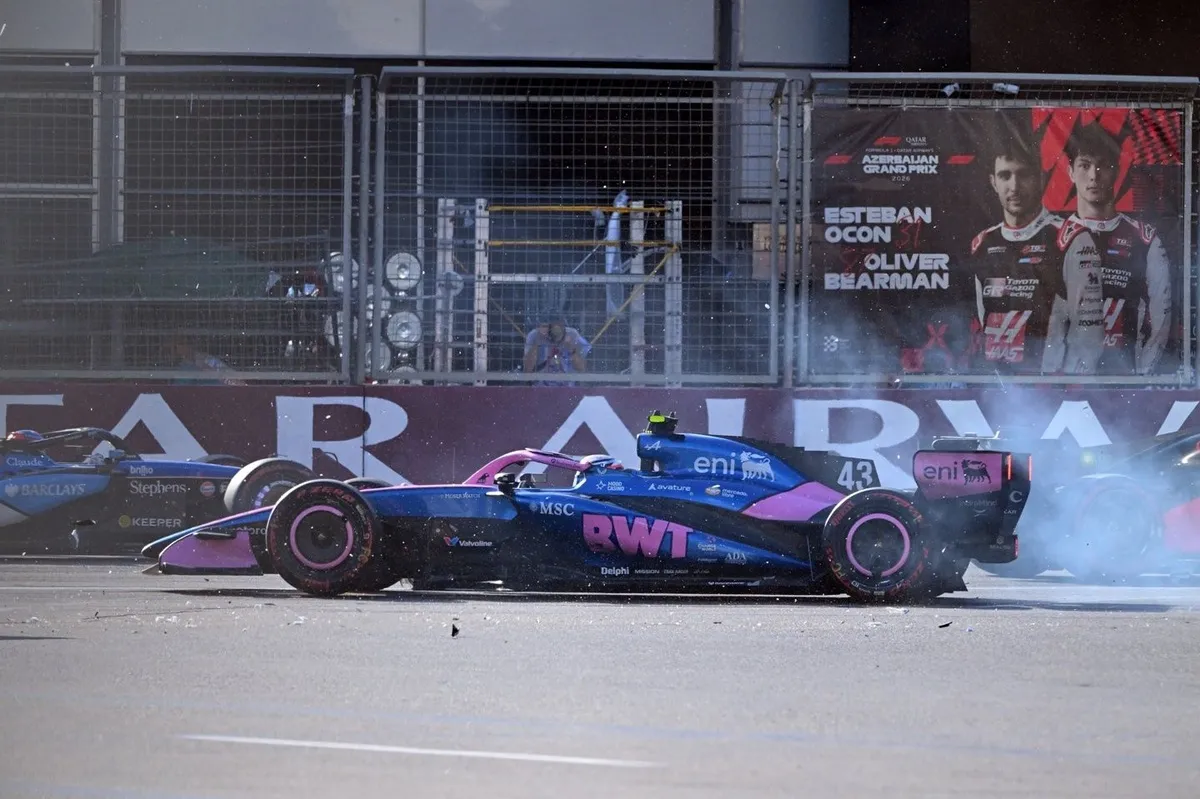
Franco Colapinto dihukum turun 5 posisi grid di F1 Malaysia 2026 setelah menyebabkan tabrakan beruntun di Baku. Simak kronologi dan dampaknya.
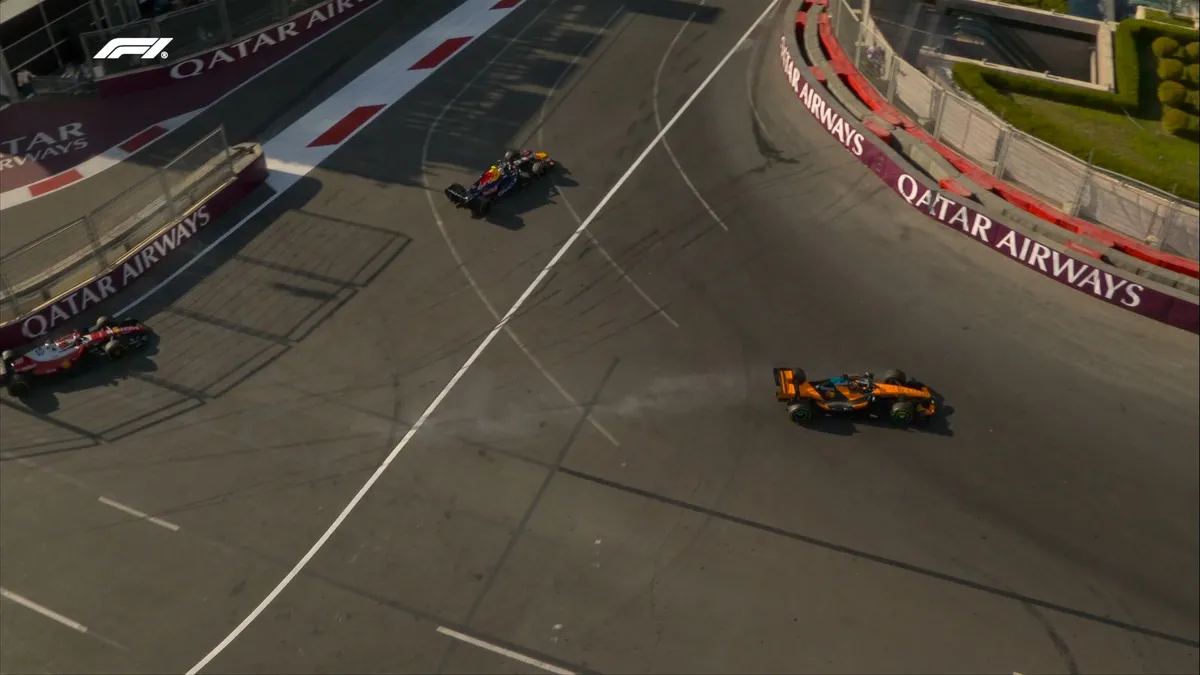
Oscar Piastri alami lock-up misterius di Grand Prix Azerbaijan, hilangkan peluang podium dan finis ke-14. McLaren gagal mencetak poin di Baku.
 Continue with Google
Discussion (0)
Join the Discussion!
Sign in easily to start commenting, replying, and interacting with other readers.
Latest Comments
No comments yet. Be the first!