






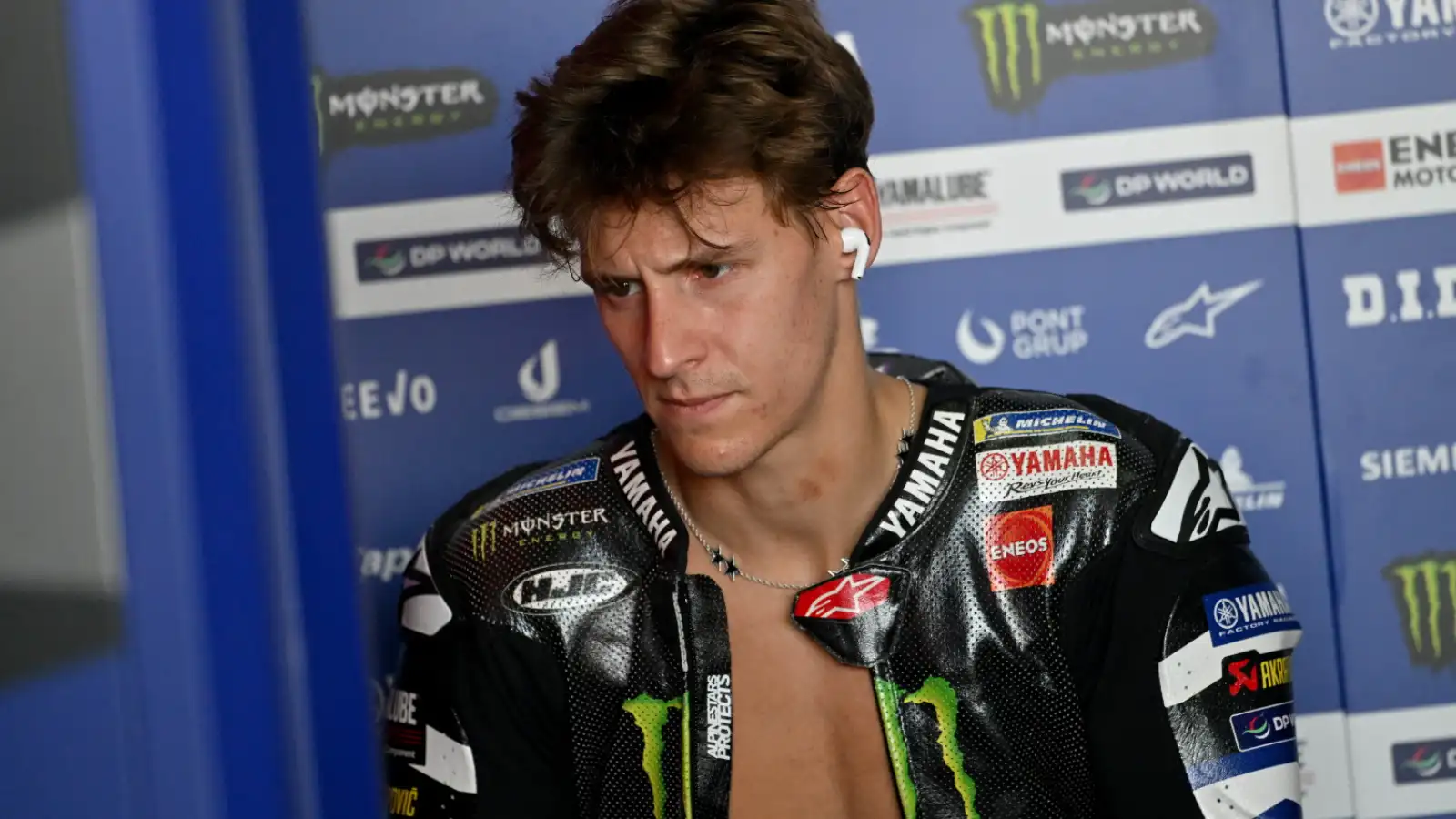

MotoGP, Sportrik Media - Fabio Quartararo of Yamaha has urged the manufacturer to acknowledge its current performance deficit ahead of the Jerez round, stressing the need for a more realistic assessment of its 2026 MotoGP package.
The 2026 season represents a major transition for Yamaha, with the introduction of the V4 engine on the M1 replacing the long-standing inline-four configuration. However, the adaptation process has so far delivered underwhelming results, with the team struggling to close the gap to its main competitors.
After three rounds, Quartararo remains Yamaha’s leading rider with a limited points tally, while the manufacturer sits low in the constructors’ standings. The situation reflects broader challenges in extracting performance from the new technical package.
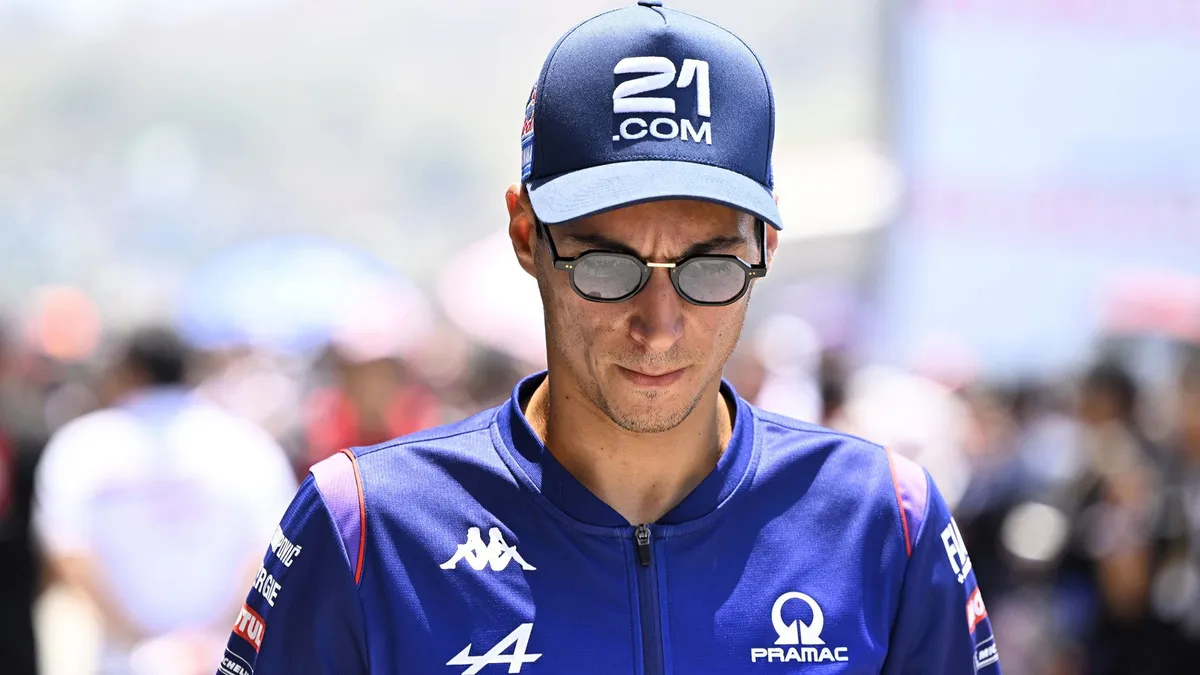
In his assessment, Quartararo highlighted that the issue extends beyond outright pace, pointing instead to a lack of technical understanding of the V4 concept.
“We need to stop comparing lap times like this.”
“Within the team, we see that we are half a second faster than last year, but the others have improved by almost a second.”
His comments underline the limitations of internal comparisons between the new V4 bike and the previous inline-four model. According to Quartararo, such analysis fails to capture the relative performance deficit against rival manufacturers.
Data from the Circuit of the Americas illustrates this gap clearly. While Yamaha achieved marginal improvements in lap time, competitors such as Ducati made significantly larger gains, effectively widening the performance margin.
Looking ahead to Jerez, a circuit where Yamaha has traditionally been competitive, Quartararo believes that confronting a potential drop in performance could provide valuable insight for the team.
“I think it will be good for the team to see that we are slower than last year at tracks like Jerez and Le Mans.”
“It will help the engineers understand the real situation.”
This perspective reflects a push for a more objective evaluation framework, prioritising external benchmarks over internal metrics. By recognising the true scale of the deficit, Yamaha can better direct its development efforts.
From a technical standpoint, the primary challenge lies in integrating the V4 engine with the chassis and overall balance of the bike. The shift in engine architecture affects power delivery, braking behaviour, and cornering stability, requiring a comprehensive re-optimisation of the package.
Additionally, the lack of historical data with the V4 configuration places Yamaha at a disadvantage compared to manufacturers that have long operated with similar concepts. This has slowed the development cycle and increased the complexity of problem-solving.
The situation also carries implications for Quartararo’s future, as he is set to join Honda next season. His decision reflects the need for a more competitive technical environment as the championship evolves.
Heading into the Spanish Grand Prix at Jerez, Yamaha’s performance will serve as a critical benchmark for its development trajectory. If the gap persists at a circuit where it previously excelled, pressure on the team to accelerate improvements will intensify.
As the 2026 MotoGP season progresses, Yamaha’s ability to respond to these technical challenges will define its competitive position and shape its long-term strategy in the evolving landscape of the championship.
Read Also
Aprilia timbang terapkan team orders MotoGP demi jegal Ducati. Simak analisis mendalam persaingan gelar juara dunia selengkapnya di sini.
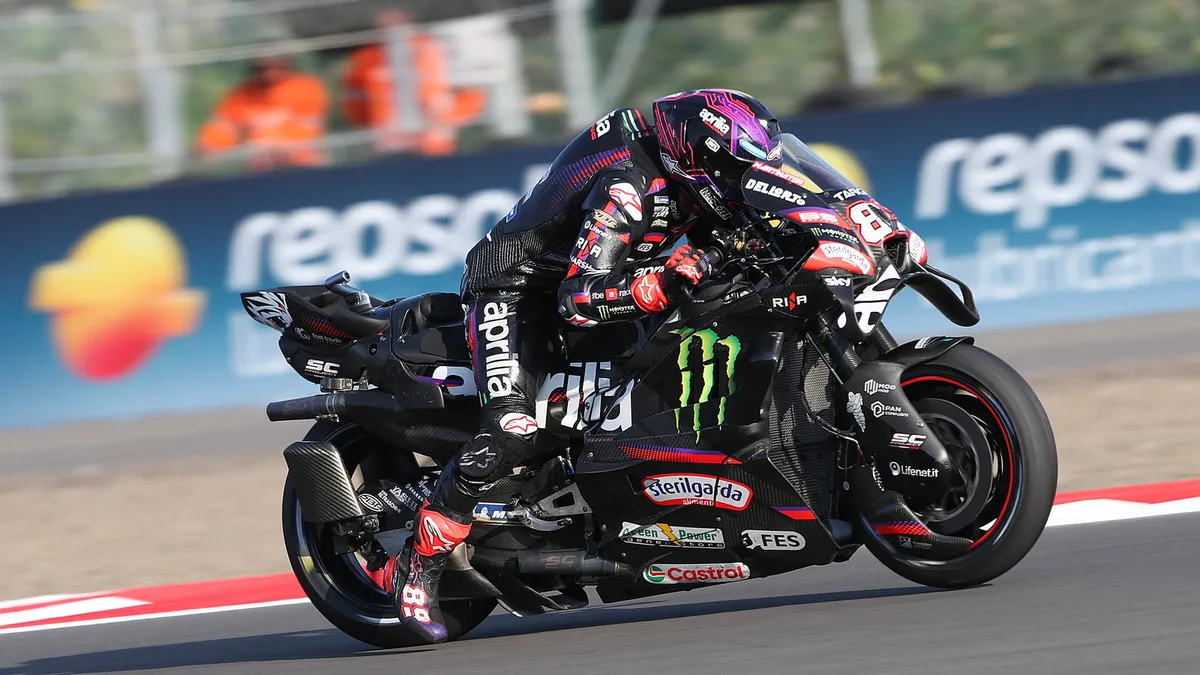
Simak analisis lengkap aturan FIM terkait kontroversi dugaan jump start Jorge Martin di MotoGP Indonesia. Baca artikel mendalam kami di sini.
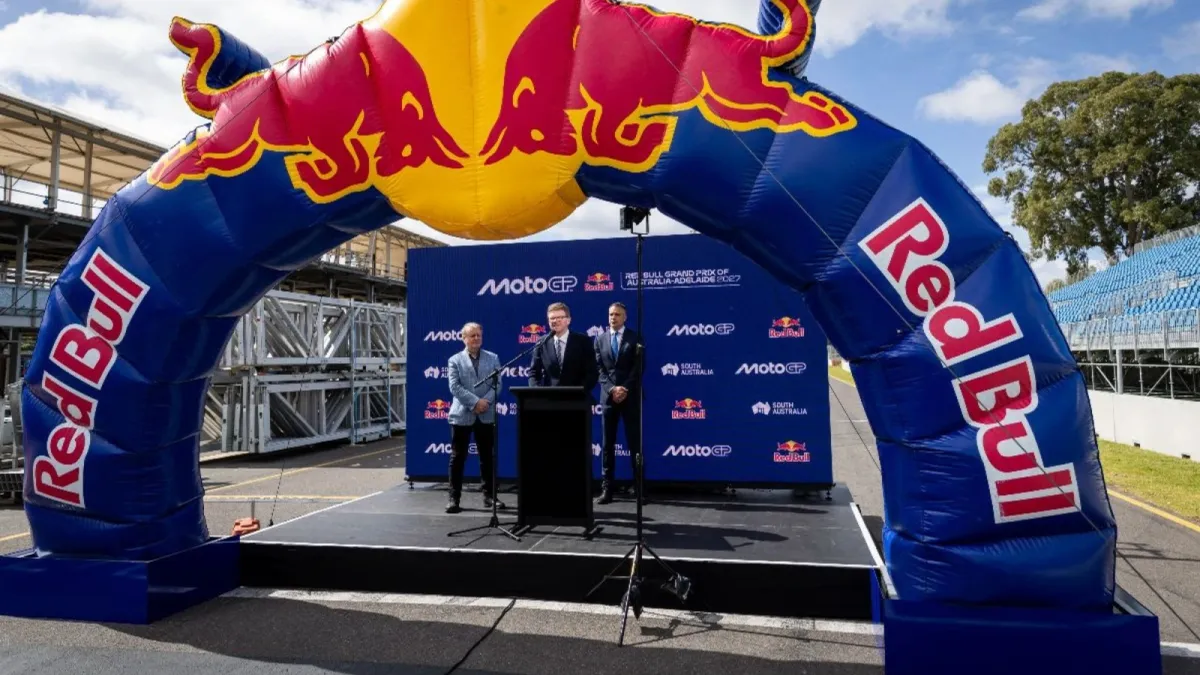
Red Bull resmi jadi sponsor utama MotoGP Australia 2027 di Sirkuit Jalan Raya Adelaide. Simak laporan lengkap analisis kerja sama strategis ini di sini!
 Continue with Google
Discussion (0)
Join the Discussion!
Sign in easily to start commenting, replying, and interacting with other readers.
Latest Comments
No comments yet. Be the first!