







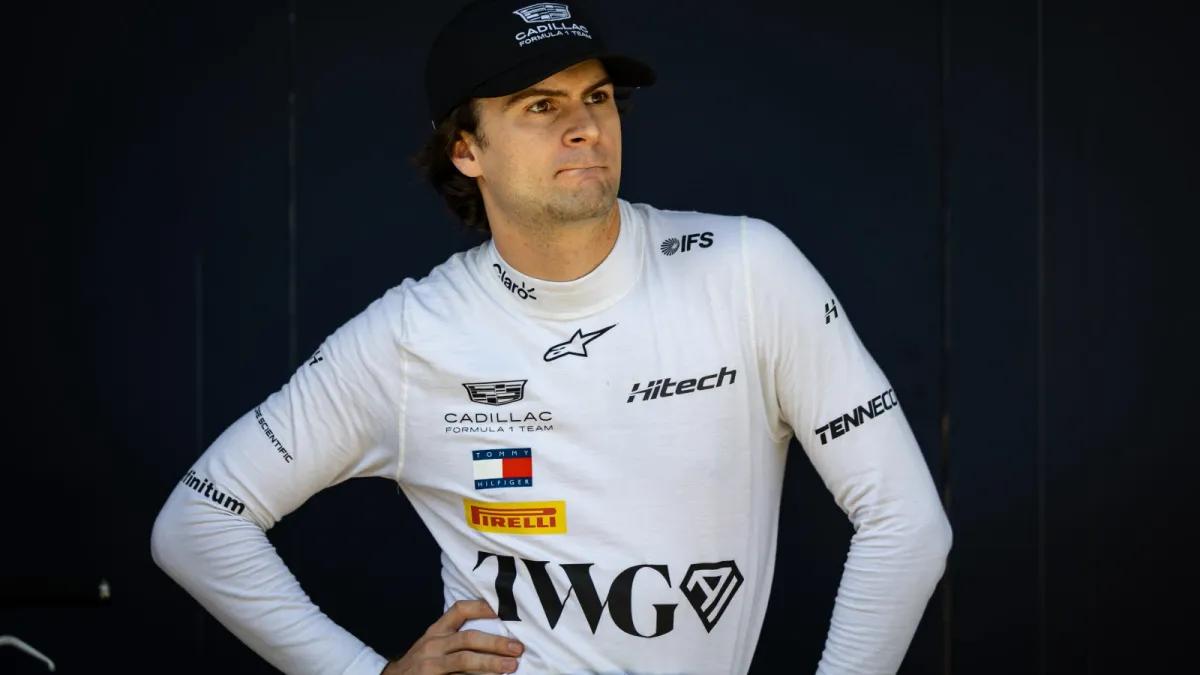

Formula 2 CEO Bruno Michel has finally spoken out about the struggles faced by Colton Herta during his career transition from IndyCar to the official F1 feeder series. The arrival of the American driver was initially expected to make an immediate impact at the front of the grid, considering his stellar reputation built across years of competing at the highest level in North America.
However, reality on the track proved to be a different story as the season unfolded with severe hurdles for the rookie. Long-standing issues regarding Super Licence points previously thwarted his direct path to an F1 seat, forcing him to enter the championship in pursuit of the required points while staying closely aligned with the team's operations.
Instead of securing a top-ten finish in the standings to qualify for his super license, he currently sits 19th without a single podium or victory to his name. His campaign has been marked by a rollercoaster of incidents and crashes, highlighting how difficult it is to adjust to European-spec racing machinery coming from an American background.
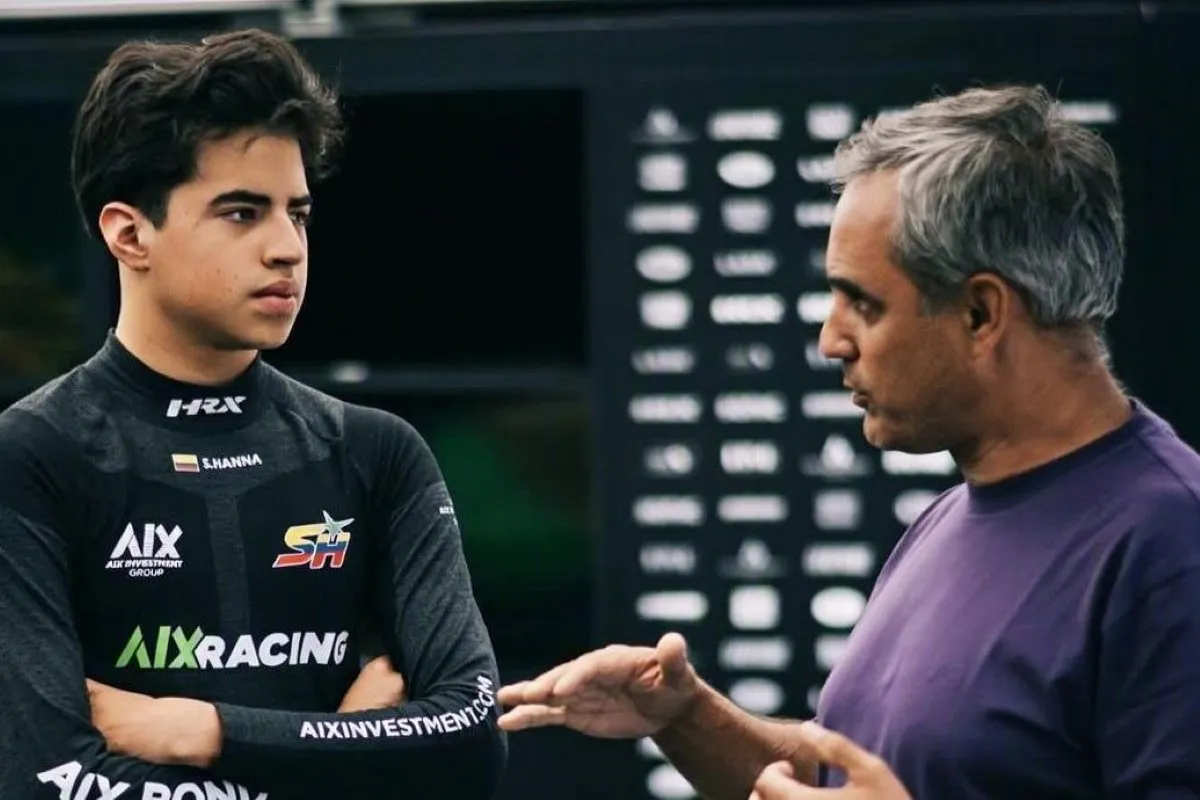
In a candid assessment, Bruno Michel admitted his surprise at the tough transition, conceding that both the series management and the driver might have underestimated the sheer scale of the change in working environments.
“It has been more difficult than what I thought it was going to be because Colton is a very strong driver. There’s no doubt about that,” Bruno Michel stated as reported by Motorsport Week.
“He and we maybe underestimated the difference of working environment that we have, compared to IndyCar teams,” he added, explaining the fundamental adjustment required when switching continents and racing philosophies.
The series boss further emphasized the brutal nature of qualifying sessions, where extremely limited track time demands instantaneous peak performance under immense pressure—a hallmark of the European feeder ladder designed to prepare hopefuls for the pinnacle of motorsport.
“He had more difficulties in quali, and maybe that’s one of the limits we were having, because you need to, in 30 minutes, come up with the right time immediately,” he concluded.
Read Also
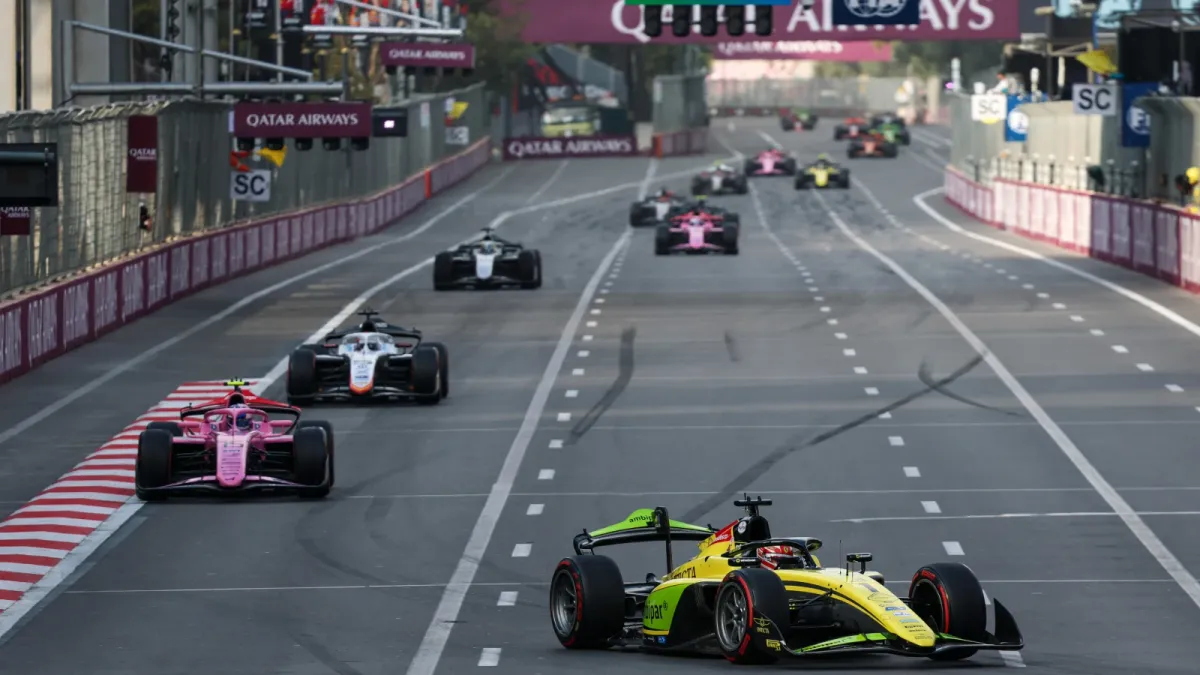
CEO F2 Bruno Michel pastikan Qatar dan Abu Dhabi tetap jadi seri penutup musim 2026. Baca analisis lengkap dan update klasemen di sini!
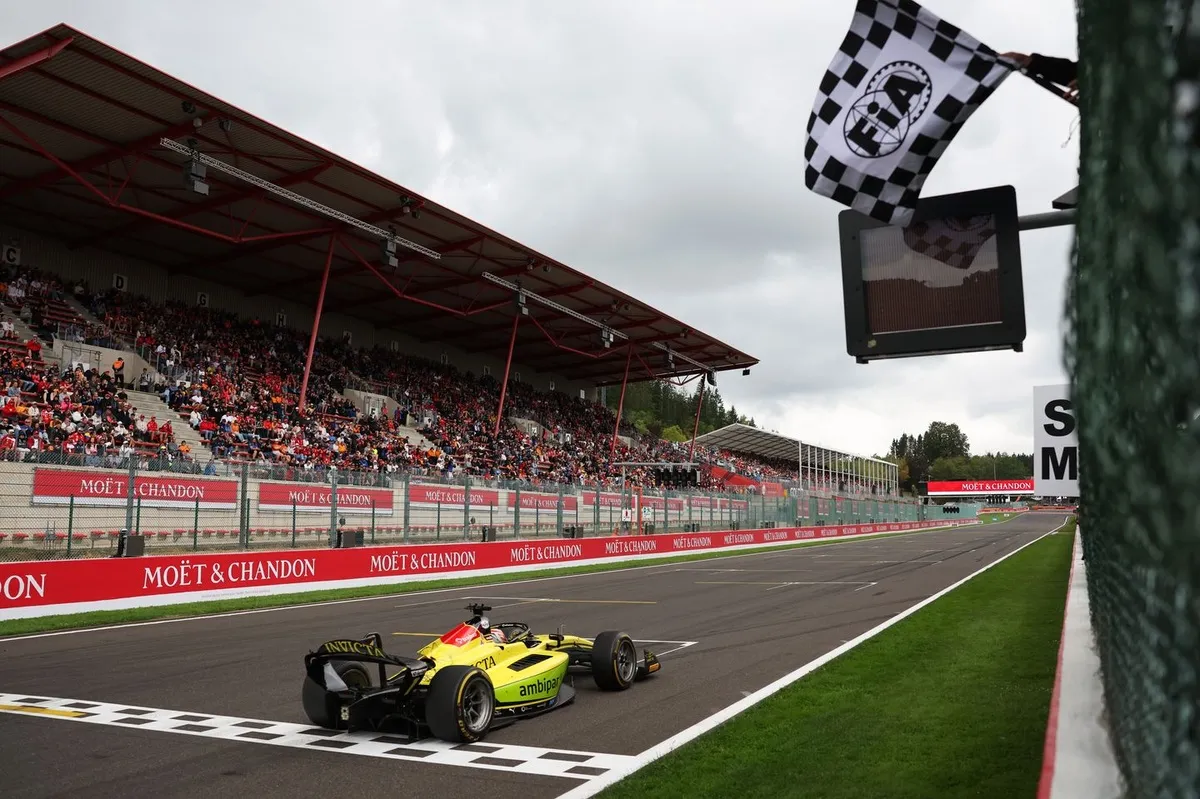
CEO F2 pastikan putaran akhir 2026 di Qatar dan Abu Dhabi tidak batal. Simak analisis lengkap perebutan gelar juara musim ini di Sportrik.
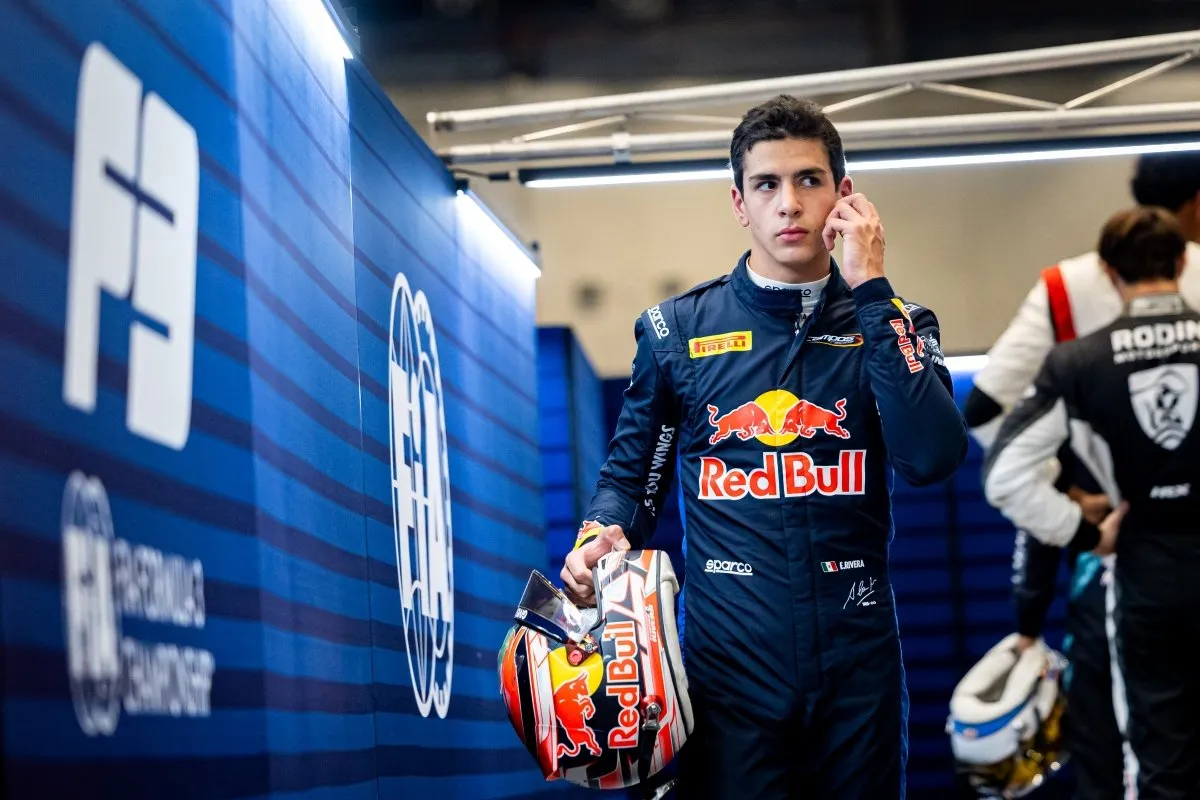
Simak kisah sukses Ernesto Rivera lampaui ekspektasi di musim perdana F3 2026. Baca analisis mendalam performa sang pembalap muda di sini!
 Continue with Google
Discussion (0)
Join the Discussion!
Sign in easily to start commenting, replying, and interacting with other readers.
Latest Comments
No comments yet. Be the first!