






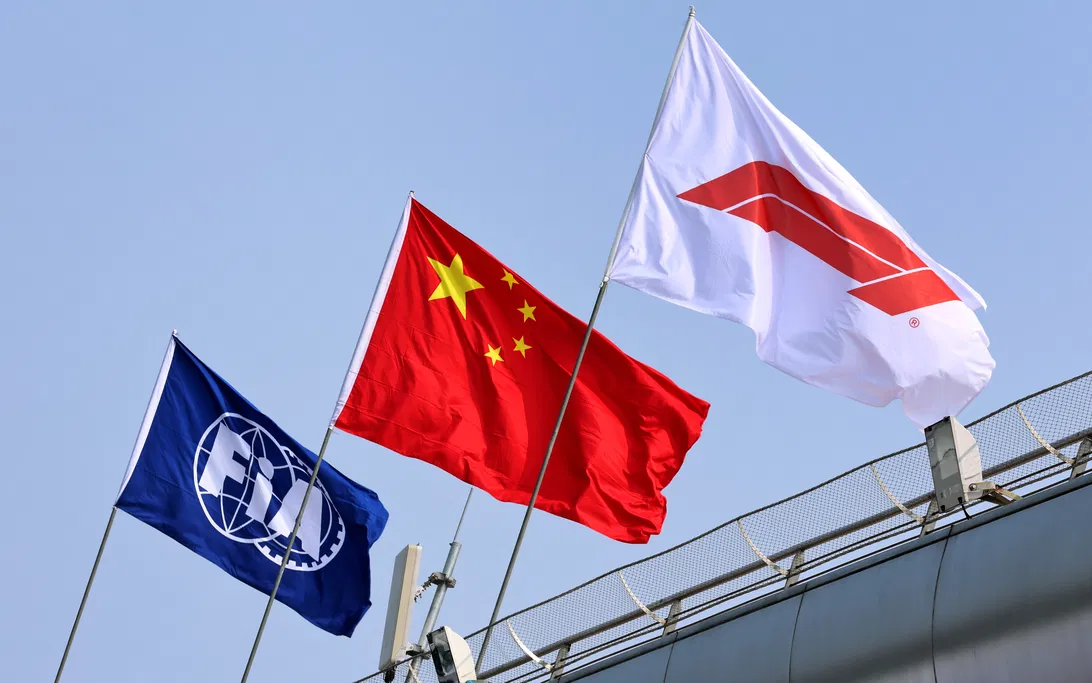

Formula 1, Sportrik Media - Formula 1 teams are expected to face difficult strategic decisions at the 2026 Chinese Grand Prix at the Shanghai International Circuit, as the new power unit regulations continue to create complex challenges in energy management.
The season-opening race in Australia highlighted how difficult it can be to recharge the battery under the latest hybrid system. With power now split more evenly between the internal combustion engine and the electrical system, energy management has become a crucial factor influencing both qualifying performance and race pace.
The second round of the season in China also marks the first Sprint weekend under the new regulatory cycle. The format allows only one free practice session on Friday morning, significantly reducing the time teams have available to experiment with different charging modes that could influence lap performance.
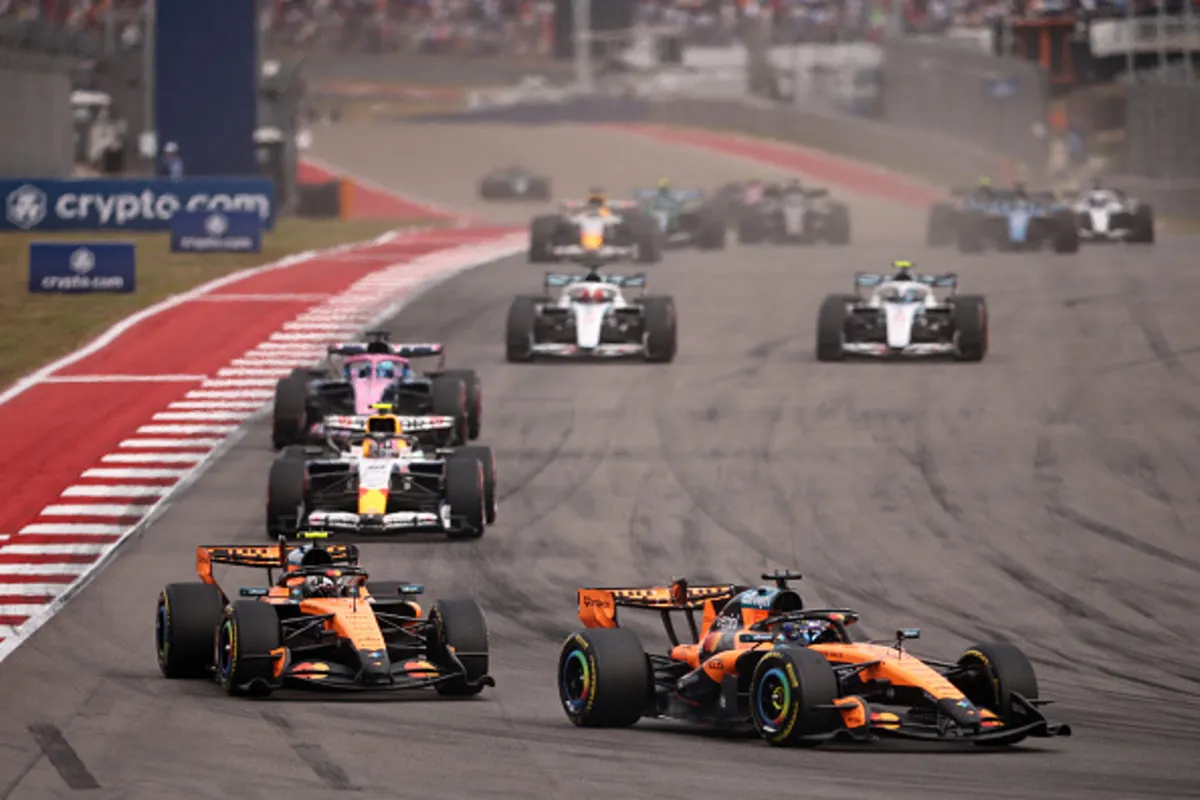
As a result, teams are expected to rely heavily on simulations to determine optimal configurations before Sprint Qualifying. The limited track time makes gathering real-world data more difficult, forcing engineers to make strategic decisions based on predictive modelling rather than extensive track testing.
However, the characteristics of the Shanghai circuit may prove less problematic than Melbourne when it comes to energy recovery. The layout features more braking zones, which provide additional opportunities for the hybrid system to recharge compared to the energy-demanding nature of the Albert Park track.
Given these conditions, some teams could use Saturday’s Sprint Race as a form of extended evaluation to assess which charging strategy works best ahead of Sunday’s main Grand Prix.
Such an approach appears most logical for teams currently outside the leading positions in the championship, where the risk of sacrificing Sprint points is lower. However, even top teams could adopt a similar strategy, considering the significantly larger number of points available during the main race.
Early evidence from the opening round suggests that energy management is already playing a decisive role in Formula 1 performance. During Sprint weekends in particular, this factor is not only influencing race strategy but also shaping how teams approach the entire grand prix weekend.
Read Also
Simak jadwal lengkap F1 GP Meksiko 2026 dan peluang emas Andrea Kimi Antonelli mengunci gelar juara dunia. Baca analisis mendalam di sini!
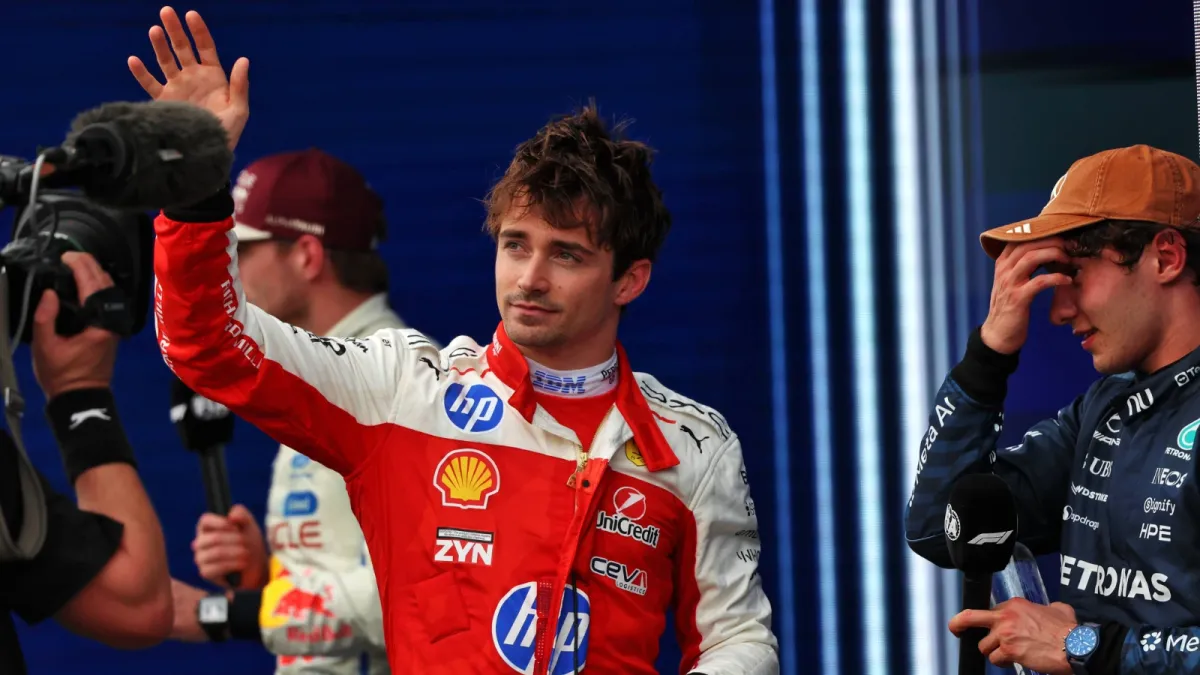
Simak analisis mendalam pengakuan jujur Charles Leclerc usai gagal menang di F1 GP Amerika 2026. Baca ulasan lengkap performa Ferrari di sini!
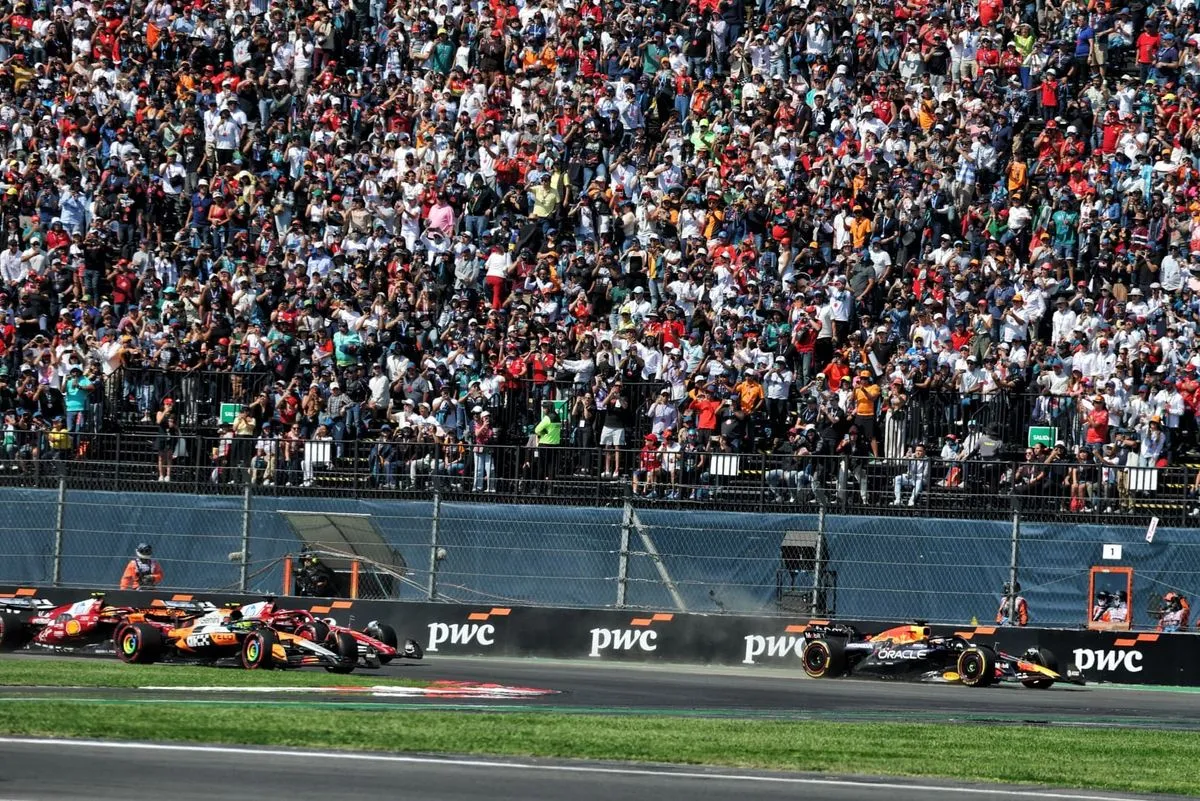
Simak jadwal lengkap F1 GP Meksiko 2026, skenario juara Kimi Antonelli, dan informasi siaran langsung. Baca analisis mendalam di sini!
 Continue with Google
Discussion (0)
Join the Discussion!
Sign in easily to start commenting, replying, and interacting with other readers.
Latest Comments
No comments yet. Be the first!