







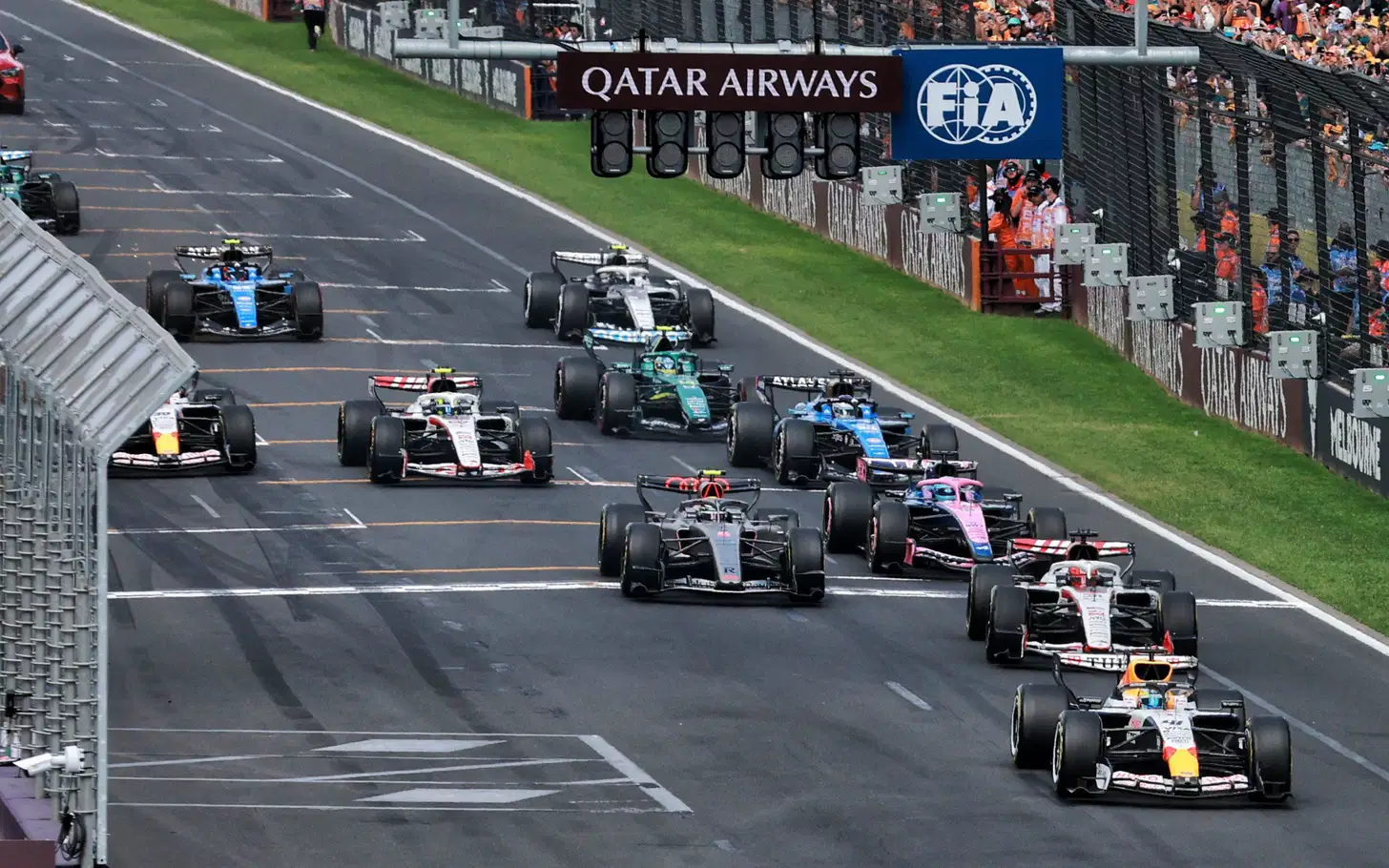

Formula 1, Sportrik Media - David Coulthard has cautioned that the impact of the latest FIA regulation changes on the 2026 Formula 1 cars may not be fully evident at the upcoming Miami Grand Prix.
Following driver concerns raised during the opening three rounds of the season, a series of technical meetings were held during the April break to assess the behaviour of the new-generation cars. The FIA subsequently confirmed a package of modifications, most of which will be introduced starting from Miami, targeting energy deployment and overtaking dynamics.
However, Coulthard highlighted that the nature of the Miami Grand Prix circuit—characterised by a predominance of slow- and medium-speed corners—will limit the ability to draw definitive conclusions. The sprint weekend format further restricts track time, reducing opportunities for teams to fully optimise setups and evaluate the regulatory adjustments.
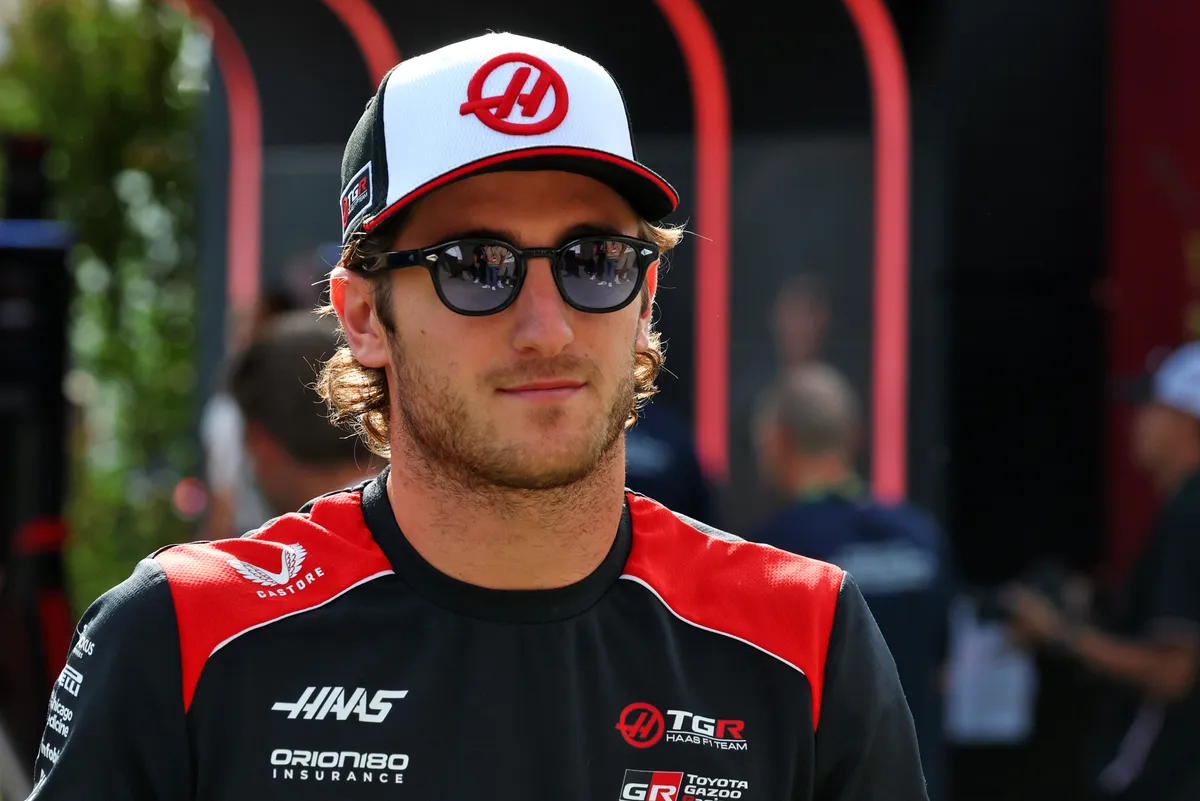
"What’s going to be interesting is that in Miami, we won’t necessarily see the results of these changes because of the nature of the racetrack," Coulthard said.
"There are a lot of slow and medium-speed corners. There isn’t really anything big and meaty, an iconic section where you can clearly see a standout performance from the car or driver."
Coulthard indicated that a more accurate assessment will only be possible over subsequent races, particularly at circuits with a broader range of corner profiles. Despite this, he expressed confidence that the changes will have a tangible influence on racing dynamics.
One of the key adjustments involves a reduction in power output when drivers activate the ‘boost’ function for overtaking, introduced in response to the significant crash involving Oliver Bearman in Japan. The measure aims to limit extreme power surges that previously increased incident risk.
"It may reduce some of the on-track overtakes that people have become excited about," Coulthard explained.
"But when a driver gains an advantage simply because they triggered the boost at the right moment, is that truly an overtake?"
He further noted that with reduced instantaneous power advantages, overtaking is likely to rely more heavily on driver skill, including car positioning, slipstream utilisation, and energy management. In this context, the revised system retains conceptual similarities to the previous DRS era, albeit with different technical execution.
As a result, Formula 1 may see a shift towards fewer but more strategically meaningful overtaking moves. The full competitive impact of the new regulations is expected to become clearer in the rounds following Miami, as teams accumulate data and refine their operational approaches.
Read Also

Honda CB750 Hornet 2027 gets four new color options, retains 755cc engine and E-Clutch. Top-selling naked bike in Europe ready to roll.
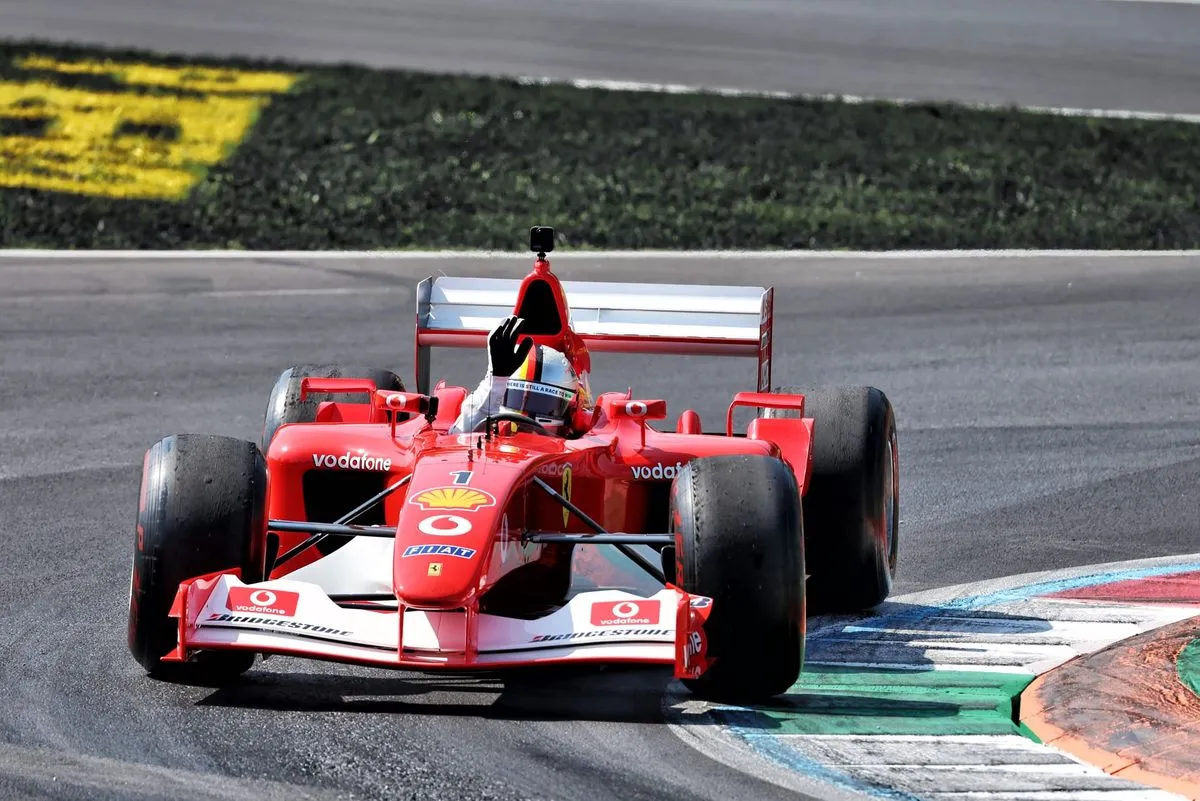
Sebastian Vettel drove the F2002 at Monza to honor Schumacher and challenge F1's future direction, advocating a return to V8/V10 engines with sustainable fuels.
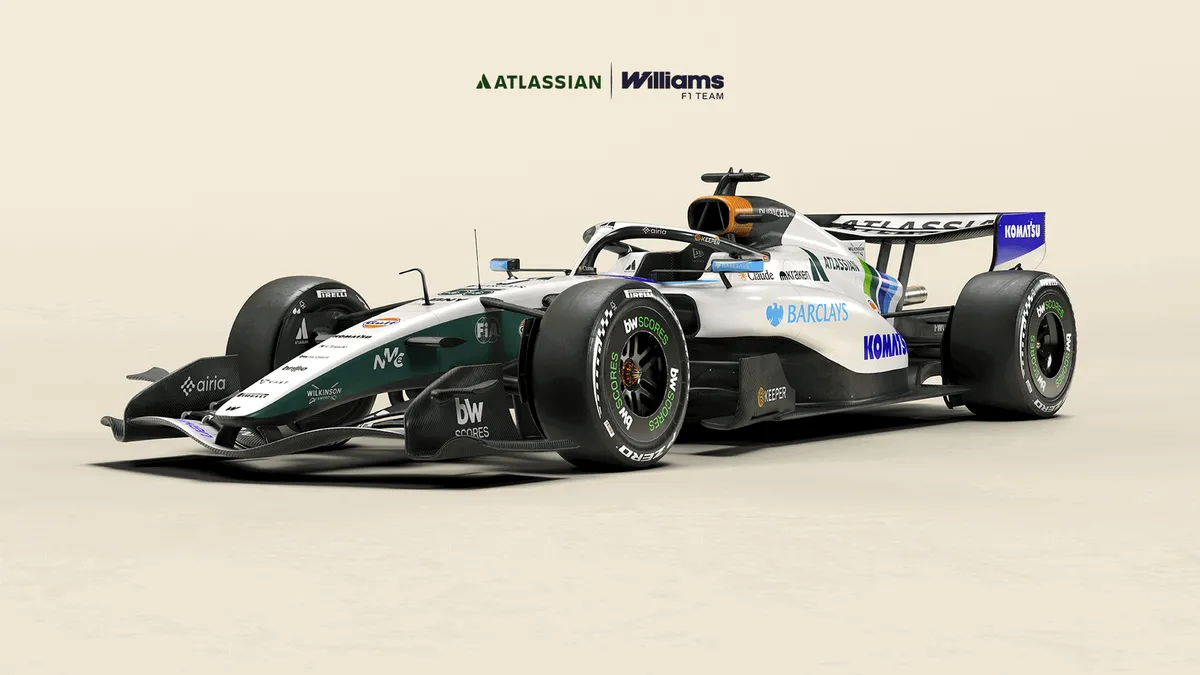
Williams unveils retro livery inspired by Jarama 1981 for the F1 Spanish GP at Madring. The Atlassian collaboration honors the team's history.
 Continue with Google
Discussion (0)
Join the Discussion!
Sign in easily to start commenting, replying, and interacting with other readers.
Latest Comments
No comments yet. Be the first!