







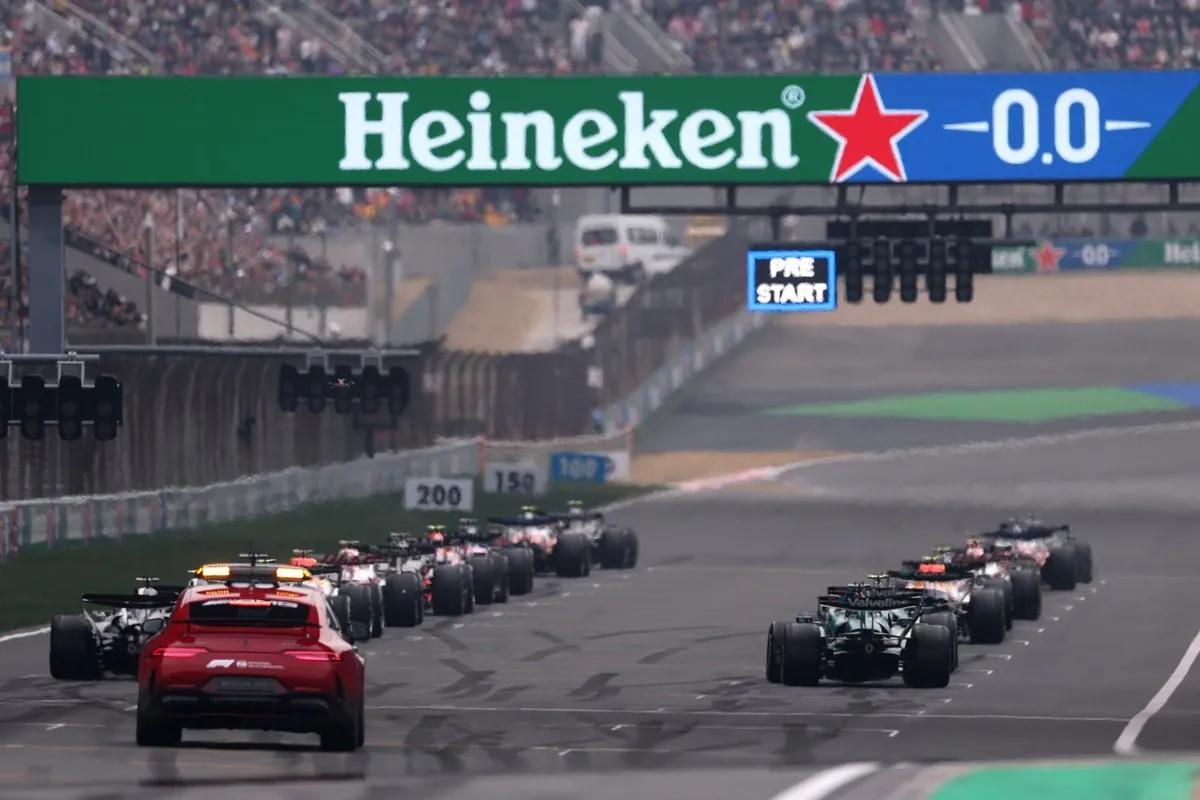

When the lights on the grid begin to glow, the atmosphere at the circuit always turns tense. But since this season, there's an additional moment that has become part of the pre-race ritual: the five-second pre-start procedure. Although it was born out of safety concerns, it now seems it's here to stay, even after the main issue has been addressed.
FIA single-seater director, Nikolas Tombazis, revealed that the extra five seconds in the starting procedure are likely to remain for next season. According to him, the process has become an established part of racing, and there's no reason to change it in the current regulation cycle.
"I think the five seconds are an established process now, I don't see why it would change in this regulation cycle," Tombazis told media, including Motorsport.com. "That does not have to do with safety. It has just to do with having different cars arriving on the grid at different times, and drivers need to be able to prepare in order to have a proper start."
The pre-start procedure was a compromise after several teams struggled with practice starts during pre-season testing in Bahrain. Many teams wanted more time to spool their turbochargers and build up revs, but Ferrari's Frederic Vasseur opposed the idea because the Scuderia's smaller turbo gave it a competitive advantage off the line. Vasseur eventually accepted five seconds as the maximum, firmly stating, "enough is enough".
In addition, the FIA has developed a new system called "low power start detection". This system is designed to detect when a car accelerates unusually slowly after the driver releases the clutch, and automatically triggers MGU-K deployment to ensure a minimum level of acceleration. This step was a response to the incident in Melbourne, where Liam Lawson got away extremely slowly and narrowly avoided being hit by Franco Colapinto.
"We have worked on start line safety. From when we discussed the Miami package in late April until now, we've been working on some emergency recovery, so electrical parts to help recover a car that has a very slow start and therefore not to risk cars stalling," Tombazis explained. With this system in place, the primary safety concerns about slow starts have been addressed, but the five-second procedure remains.
This decision shows that the FIA is not only focused on safety aspects but also on uniformity and sporting fairness. Drivers and teams now must adapt to a new rhythm that has become standard at every Grand Prix.
Read Also
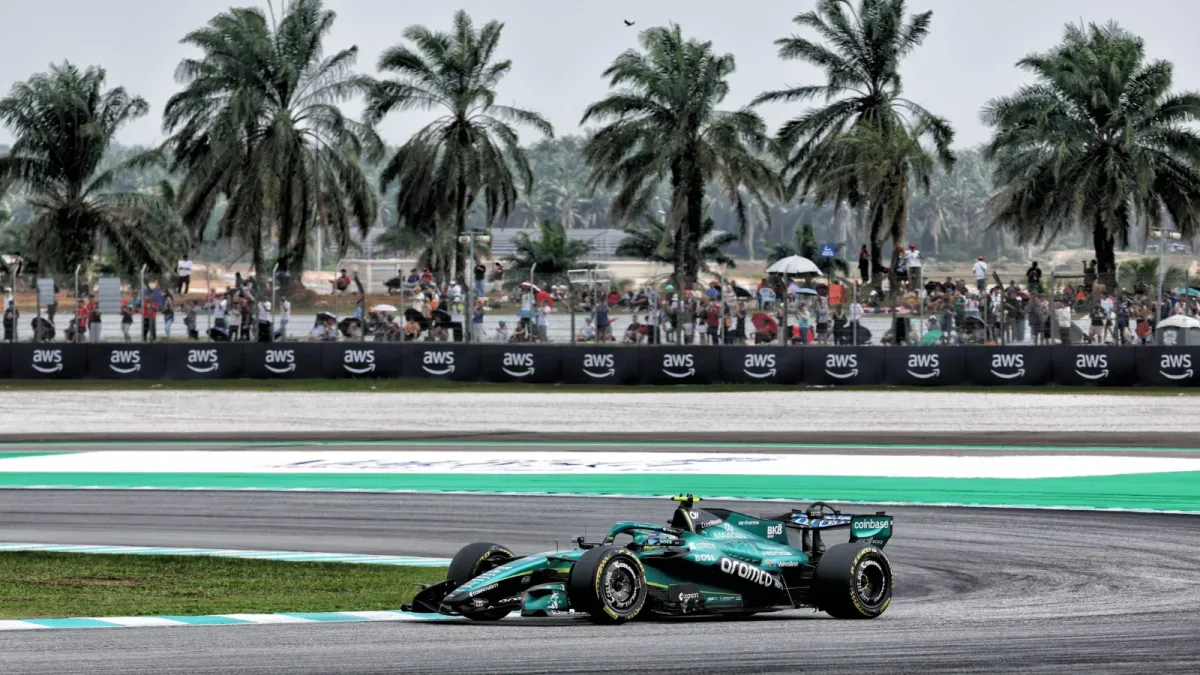
Honda ungkap detail upgrade turbocharger ADUO2 Aston Martin F1 untuk atasi masalah drivability dan manajemen energi di paruh akhir musim 2026.
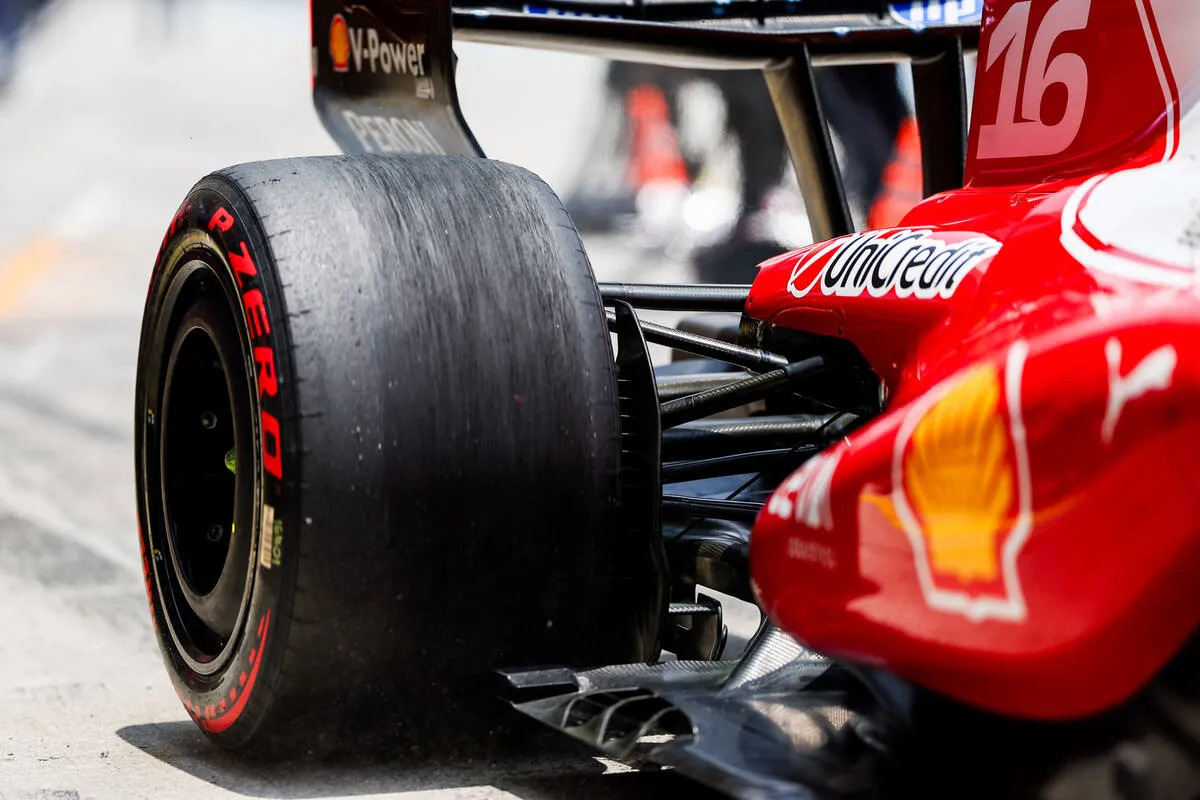
Pirelli prediksi strategi 2 hingga 3 stop di GP Sepang F1. Ferrari, Red Bull, dan Mercedes siapkan alokasi kompon ban berbeda untuk balapan sengit.
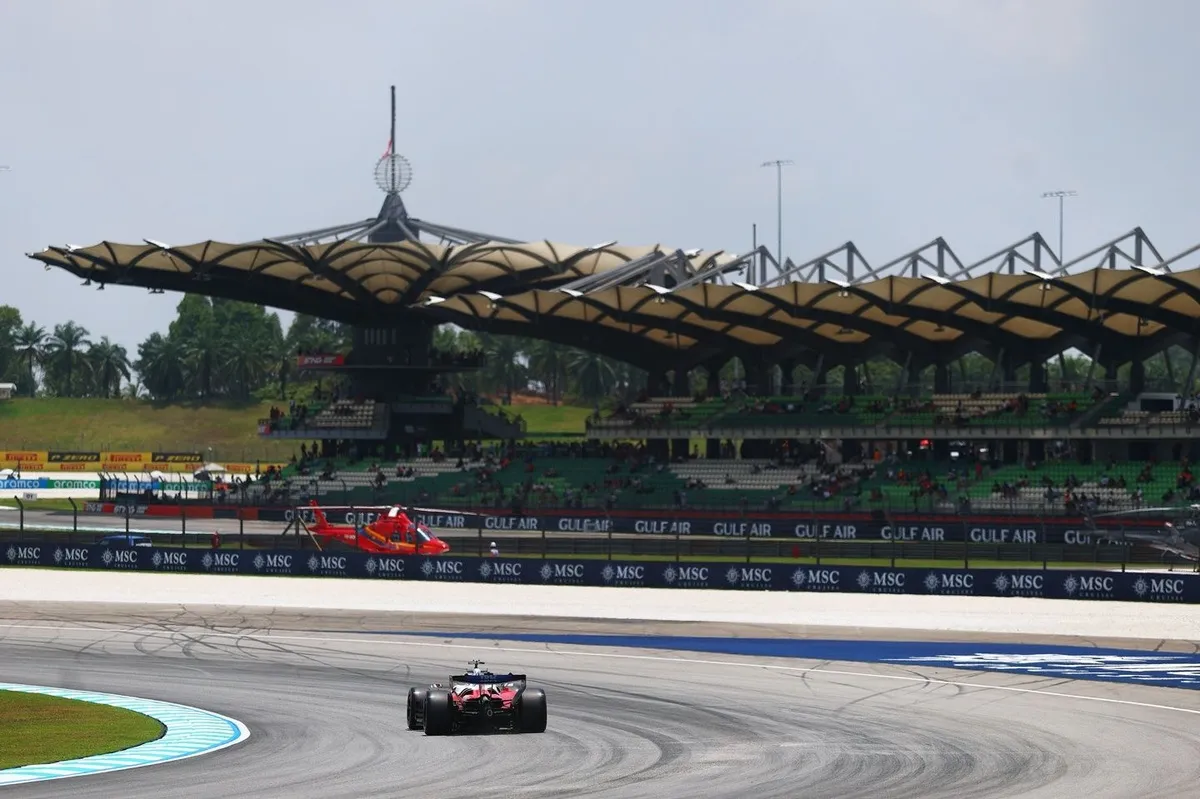
Sirkuit Sepang dinilai sebagai lokasi paling ideal untuk menggelar balapan basah perdana F1 2026 berkat suhu tinggi dan aspal kasarnya.
 Continue with Google
Discussion (0)
Join the Discussion!
Sign in easily to start commenting, replying, and interacting with other readers.
Latest Comments
No comments yet. Be the first!