







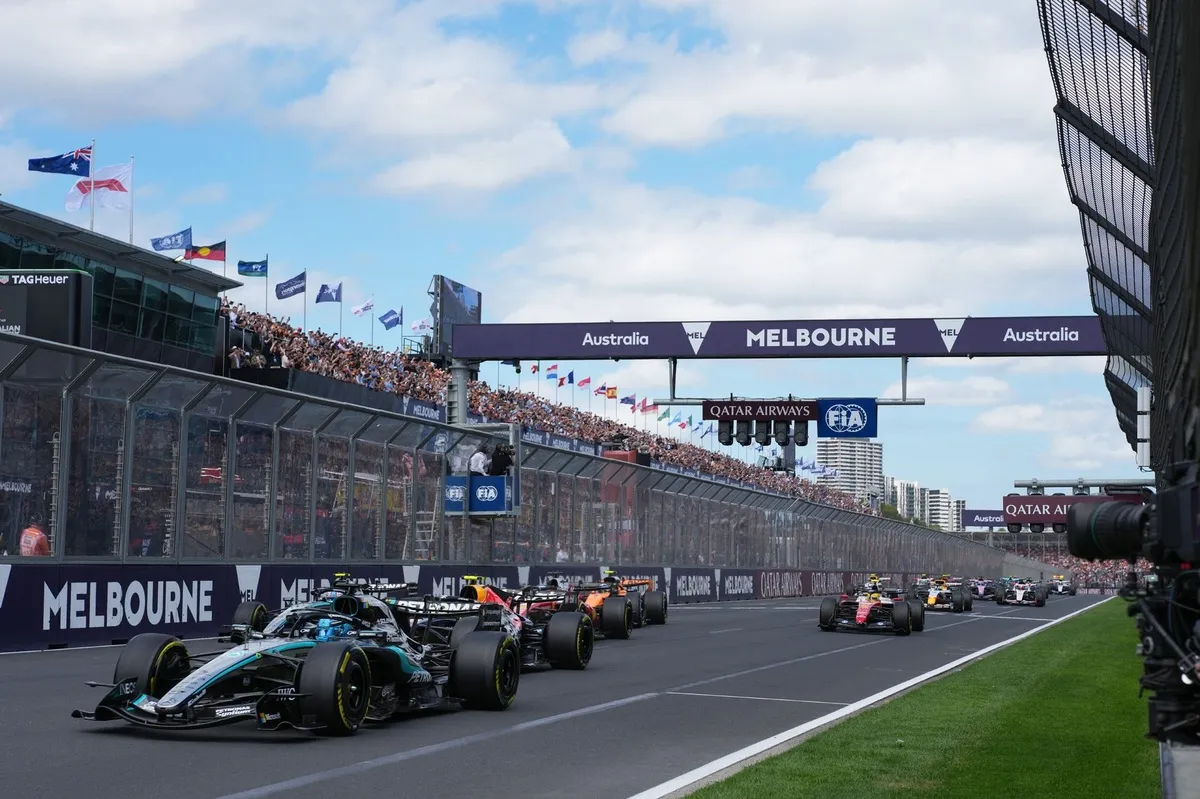

Formula 1 has taken a major step towards its next era of engines in 2030. Stakeholders, including the FIA and engine manufacturers, have reached an initial agreement on the key elements of the next power unit regulations. This decision marks a significant shift from the current complex hybrid concept towards a simpler and lighter design, focusing on a more traditional racing experience.
After lengthy discussions, it has been decided that the next-generation F1 engine will use a 3.0-litre V8 turbo architecture. This choice was made despite the consideration of a naturally aspirated option. The primary reason is not purely technical but also related to noise regulations at street circuits. Venues such as Melbourne, Miami, Madrid, Singapore, Baku, and Las Vegas have strict noise emission limits. A naturally aspirated 3.0-litre engine would likely exceed these thresholds, potentially jeopardising races at those locations.
Therefore, the turbocharger will be retained, but in a smaller size. This compromise allows F1 to achieve a louder sound than current engines while staying within noise limits. The decision also reflects a balance between tradition and modern requirements.
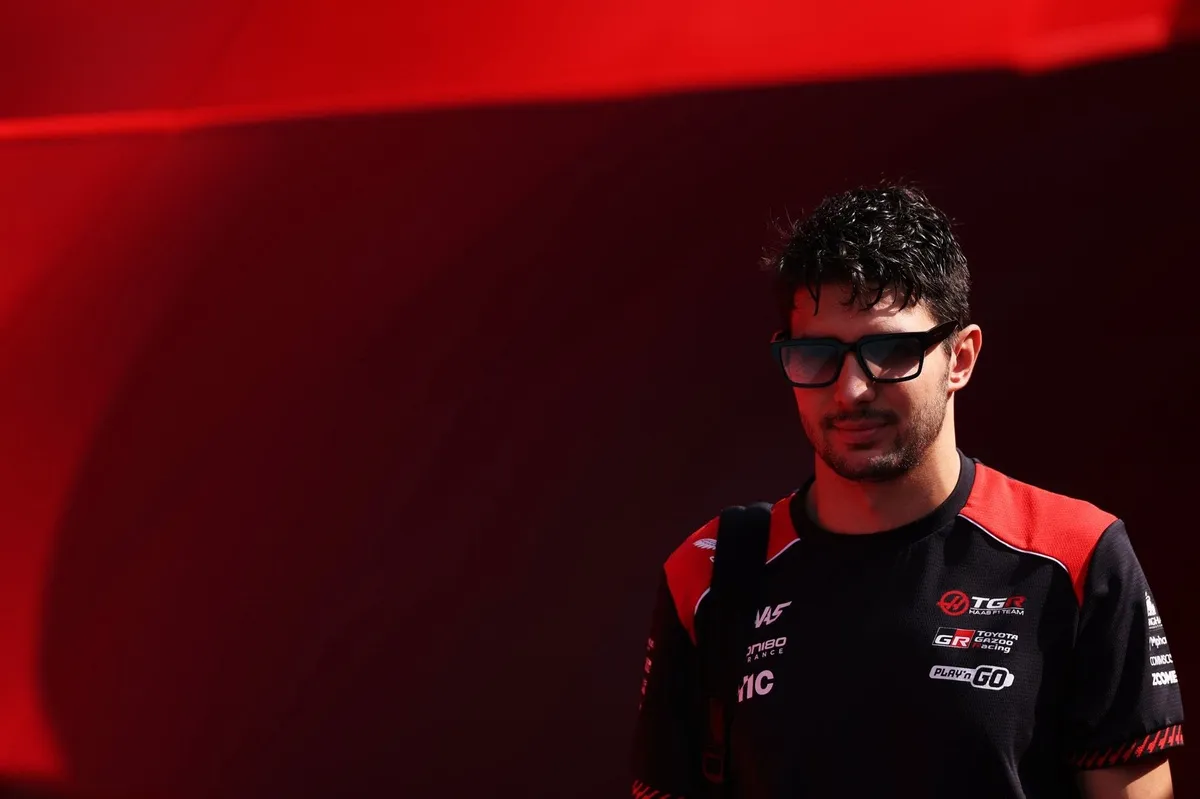
In addition to changes to the combustion engine, the electrification element is also being adjusted. The new rules will include a simplified 100kW electric motor, significantly lower than the 350kW in the current power units. The aim is to maintain a technological link with the automotive industry without replicating the complexity that has burdened teams and manufacturers. This direction indicates that electric power will remain, but with a less dominant role in the overall package.
Interestingly, there is also a proposal to adopt a push-to-pass overtake mode, which may be introduced alongside the debut of these regulations in 2030. This mode is expected to enhance on-track action without compromising technical aspects. Discussions are ongoing to finalise the remaining details, but the main foundations have been agreed.
The impact of these changes is substantial. Teams such as Ferrari, Mercedes, and Renault must begin adapting to a simpler engine concept. Meanwhile, drivers like Fernando Alonso, who experienced the naturally aspirated V8 era, might see a return to an engine character closer to its heyday. However, with the addition of a turbo and electric elements, new challenges remain.
These regulations also aim to reduce development costs, which have been a criticism of hybrid power units. With a lighter and simpler package, more manufacturers are expected to be attracted to join, while keeping competition tight. The FIA and manufacturers will continue to meet to finalise remaining details, including technical specifications and implementation timeline.
With this announcement, F1 enters a new chapter in its technological evolution. The return of the V8 turbo with a lighter electric component promises more exciting racing and relevance to the modern automotive industry. Fans can look forward to a more appealing engine sound and increasingly fierce competition on track.
Read Also
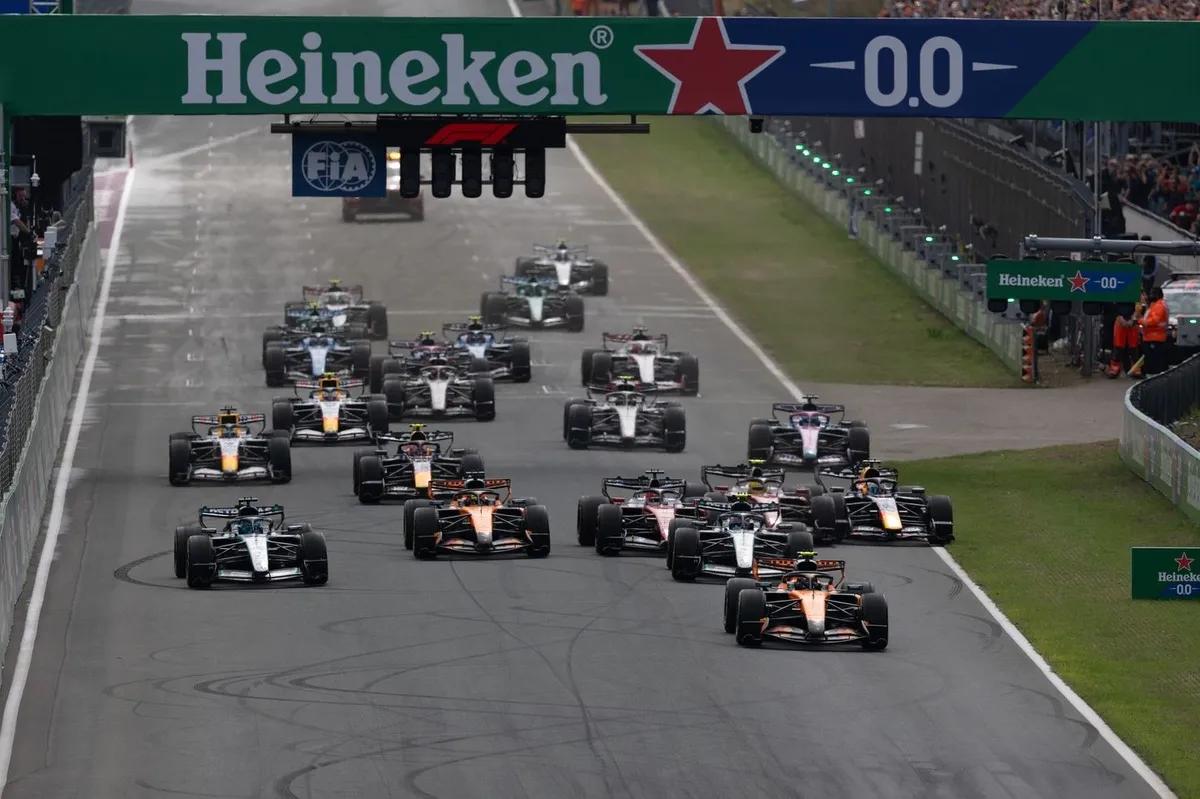
F1 resmi mengungkap rencana aturan mesin 2030: V8 turbo 3.0L, motor listrik 100kW, dan power unit 50kg lebih ringan. Simak detail lengkapnya di sini.
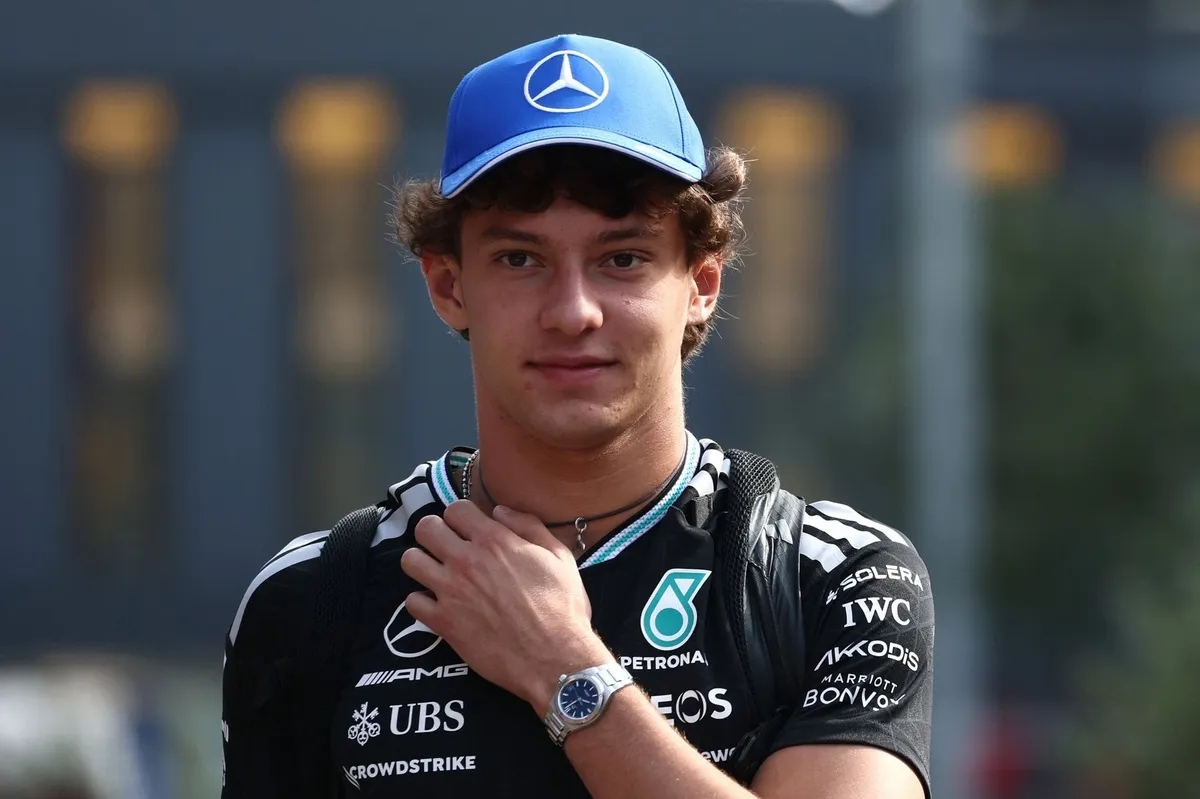
Kimi Antonelli dinilai tanpa tekanan jelang gelar F1 2026. Jolyon Palmer puji kebangkitan dan konsistensi pembalap Mercedes itu.

Esteban Ocon menyatakan dirinya free agent untuk F1 2027 dan sedang berdiskusi dengan tim lain. Masa depannya di Haas masih belum pasti.
 Continue with Google
Discussion (0)
Join the Discussion!
Sign in easily to start commenting, replying, and interacting with other readers.
Latest Comments
No comments yet. Be the first!