






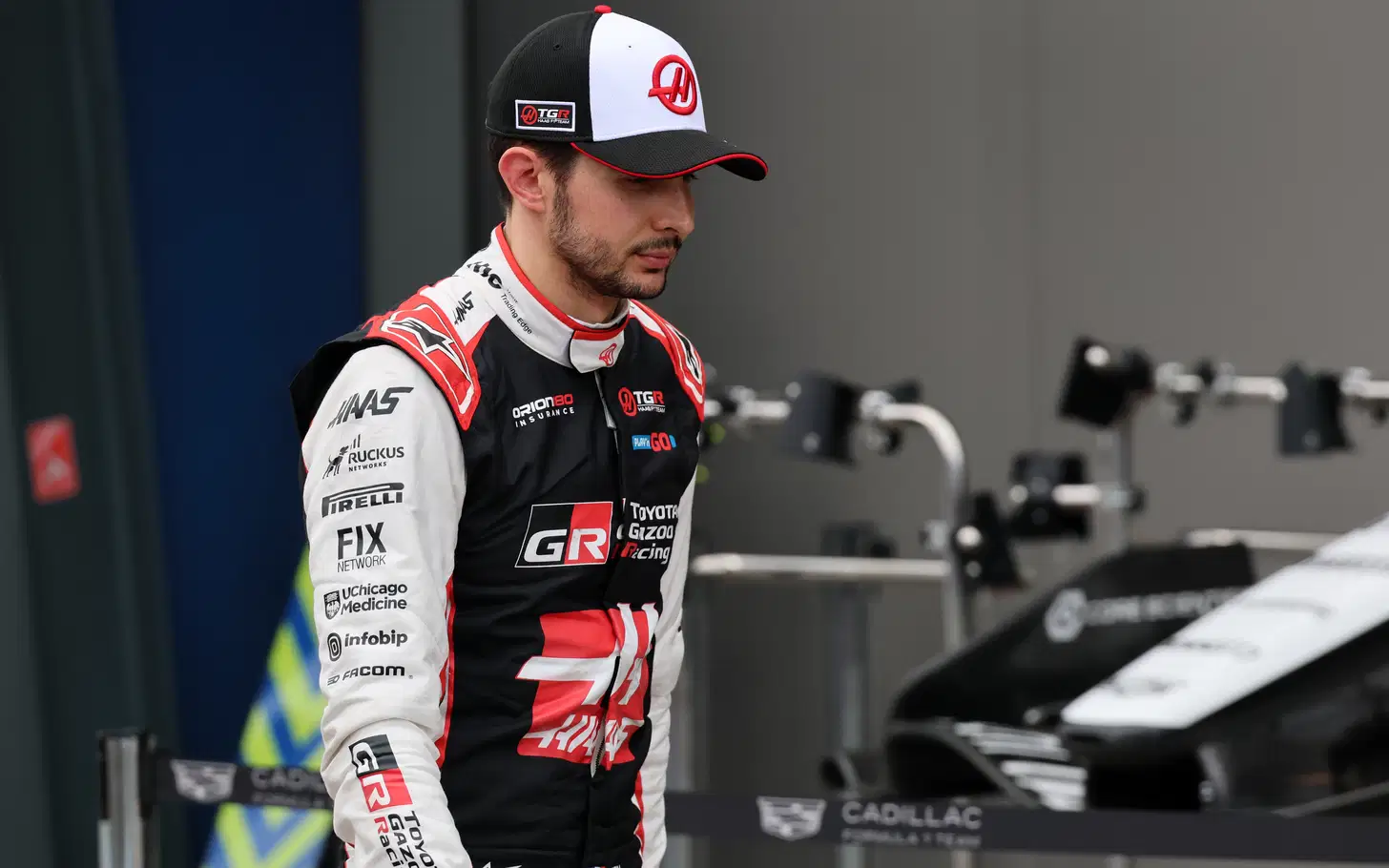

Formula 1, Sportrik Media - Esteban Ocon has described the intense demands placed on drivers by the new Formula 1 regulations after qualifying for the 2026 Australian Grand Prix at Albert Park. The Haas driver admitted his head “is still about to explode” due to the complexity of energy management required under the sport’s latest technical rules.
Ocon will start the race from 13th on the grid in Melbourne, one position behind team-mate Oliver Bearman. The qualifying session highlighted for the first time how the new power unit regulations significantly increase the workload for drivers over a single lap.
Reaction to the updated energy-harvesting system has been widely critical across the paddock. Even leading teams such as McLaren, powered by a highly competitive Mercedes power unit, have struggled to fully optimise the new systems during the opening race weekend.
Albert Park is considered one of the most challenging circuits for energy harvesting because of its long straights and limited heavy braking zones. This track characteristic reduces the opportunities for recovering energy, placing additional pressure on drivers to manage the system carefully.
“I think we are not as free to do what we want to be doing,” Ocon explained while speaking to media.
“We have to do things which are very artificial to try and make the rules work, and that's where the problem is at the moment.”
Despite the difficulties associated with the power unit management, Ocon acknowledged that the overall driving characteristics of the new cars have some positive aspects. According to the French driver, the 2026 cars feel more comfortable and predictable compared to previous generations.
“The cars are more comfortable to drive. Of course, they are not as quick as last year, but it is a nicer ride,” he said.
“It slides a bit more and gives a nicer feeling, a bit more like the 2020 days in terms of driving style.”
However, Ocon emphasised that the engine and energy systems have introduced a level of complexity that drivers must constantly manage during a lap.
“Engine-wise it is a bit tricky,” he added.
“For example, if you go too fast on the throttle at the exit of Turn 6, you lose two or three tenths in the lap, which is not how it should be.”
The increased number of parameters drivers must monitor throughout the weekend has also made preparation more mentally demanding.
“In the build-up to the weekend my head might be exploding with all the stuff, and it is still about to explode. There is just too much going on,” Ocon admitted.
Regarding his qualifying performance, Ocon also felt that a place in Q3 might have been achievable if not for issues encountered on his final run.
“From what I’ve heard from the engineers, they basically said I lost rear load on the last run,” he explained.
The instability was noticeable during the final sector of his fastest lap, but it became significantly worse throughout the entire lap during his last qualifying attempt.
“I was around seven tenths slower than where I should have been, so there was maybe more to play for, potentially a Q3 spot,” Ocon said.
As a result, the Haas driver described the session as a missed opportunity, with the team now investigating the exact cause of the issue.
“It is a missed opportunity. We need to look at it and see exactly what happened,” he added.
Ocon also reported that the car became unstable in almost every corner during the final run, something that had not been present earlier in the qualifying session.
“Basically I had instability into every corner. That was not the case when we started qualifying, so either something degraded or something broke. We don't know yet,” he concluded.
Read Also
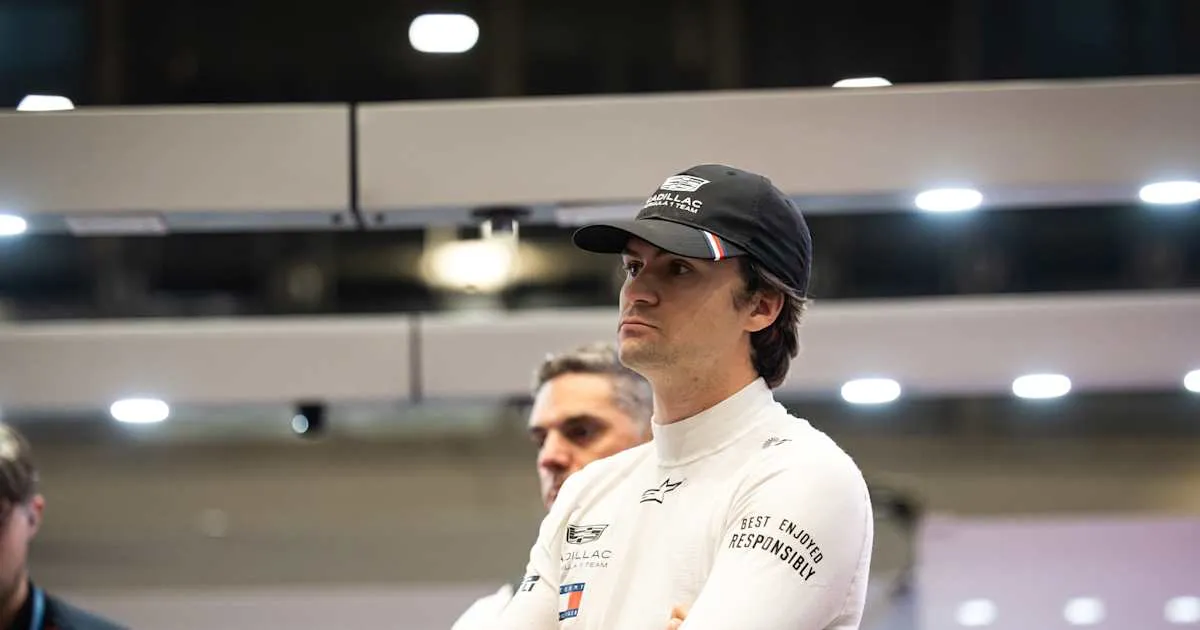
Simak analisis lengkap perjuangan Colton Herta yang gagal di F2 demi superlisensi F1 dan peluangnya kembali ke Indy 500. Baca selengkapnya di sini!
Valtteri Bottas sukses kumpulkan hampir 50.000 euro untuk amal badak lewat lelang helm unik. Baca kisah lengkap kepedulian sang pembalap di sini!
Simak analisis lengkap pujian Ayao Komatsu untuk Oliver Bearman yang dinilai siap jadi pemimpin tim Haas F1. Baca selengkapnya di Sportrik!
 Continue with Google
Discussion (0)
Join the Discussion!
Sign in easily to start commenting, replying, and interacting with other readers.
Latest Comments
No comments yet. Be the first!