







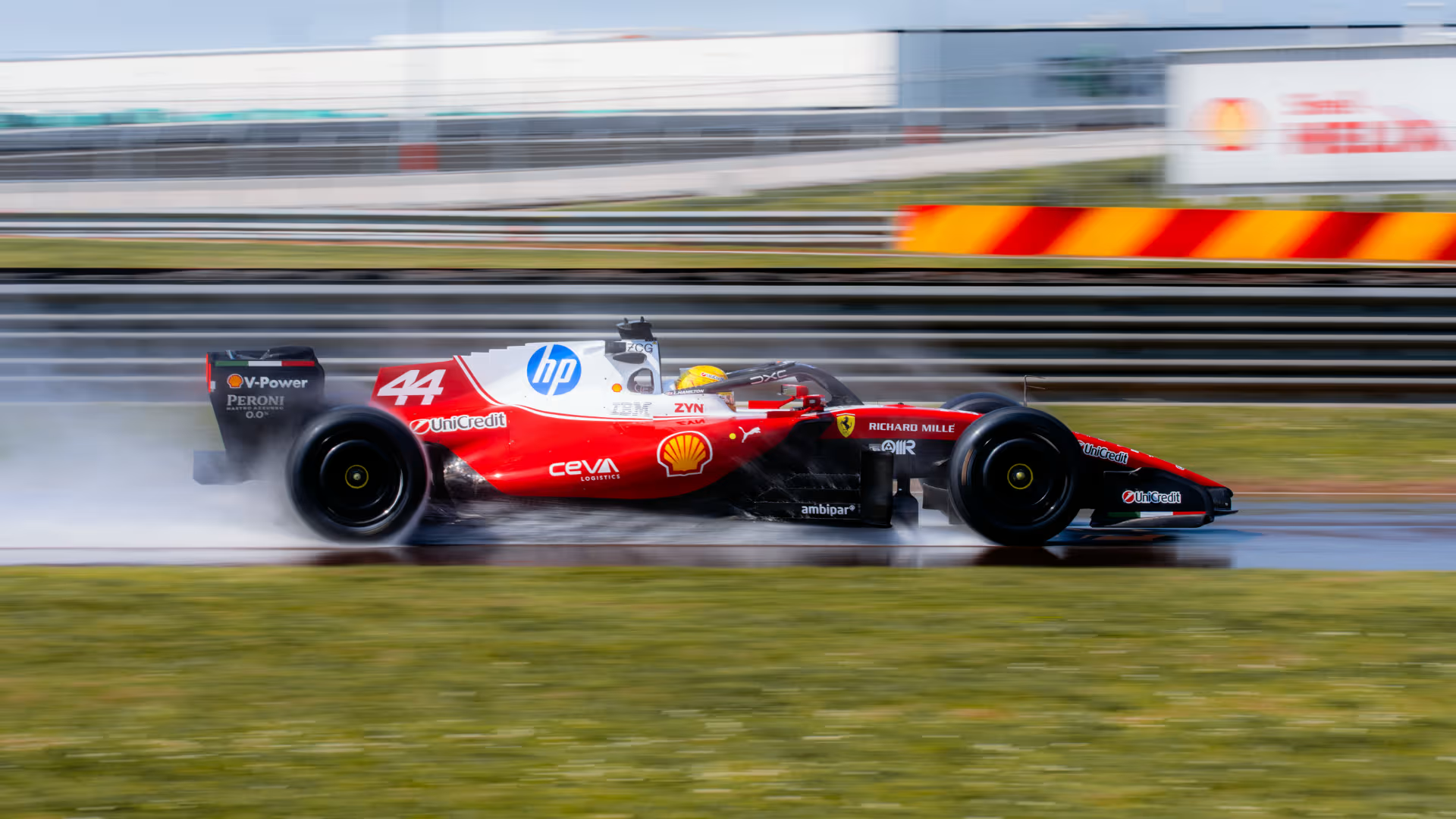

The threat of rain at the 2026 Canadian Grand Prix has created one of the biggest unknowns of the Formula 1 season so far. While wet-weather races have always introduced uncertainty, the challenge is amplified this year because teams have virtually no competitive experience running the new-generation 2026 cars in full wet conditions.
Heading into Montreal, Formula 1 had yet to complete an official wet session during the season. As a result, teams possess limited data regarding tyre behaviour, power unit management and overall vehicle dynamics when grip levels drop significantly. That lack of knowledge could have a major influence on strategy and performance should rain arrive on race day.
The challenge stems largely from Formula 1's new technical regulations. Changes to aerodynamics, chassis concepts and the increased role of electrical energy deployment have fundamentally altered how the cars behave. While teams have relied heavily on simulations, many key variables can only be fully understood during real-world wet-weather running.
Only a handful of teams have accumulated meaningful experience in damp conditions. Alpine encountered heavy rain during a filming day at Silverstone, while Mercedes also completed limited wet running during the W17's first track outing. However, neither programme provided anything close to full race conditions.
Ferrari and Red Bull Racing later gained additional experience during wet shakedown sessions in Barcelona. Further opportunities emerged through Pirelli's wet-weather tyre development programme for 2027, allowing selected teams to gather more information about how the current generation of cars behaves in low-grip conditions.
Drivers including Lewis Hamilton, Isack Hadjar, Liam Lawson, Arvid Lindblad and Pierre Gasly have all completed some form of wet testing this year. However, the majority of the grid would effectively be entering uncharted territory if rain affects the Canadian Grand Prix.
McLaren team principal Andrea Stella acknowledged that any previous wet-weather mileage could prove valuable. He highlighted power unit management as one of the most unpredictable aspects of the current regulations, noting that teams are still learning how to optimise performance even in dry conditions.
Tyres are expected to play an equally critical role. Pirelli developed the current wet-weather compounds with relatively limited representative testing, meaning there remains uncertainty regarding how quickly the tyres can reach and maintain their ideal operating temperature under race conditions.
George Russell, Kimi Antonelli and Lando Norris all expressed concerns about tyre warm-up challenges in Montreal. The circuit's low-grip characteristics and lack of high-speed corners make generating temperature particularly difficult, even in dry conditions.
Meanwhile, Max Verstappen identified tyre temperature as the decisive factor if rain arrives. According to the Dutchman, achieving the correct operating window is already challenging on slick tyres, making the task significantly harder on wet compounds. That combination of limited experience, evolving technology and uncertain weather could turn the Canadian Grand Prix into one of the most unpredictable races of the 2026 Formula 1 season.
Read Also
Max Verstappen akui Red Bull Racing kini jauh lebih tidak penuh stres di bawah kepemimpinan Laurent Mekies setelah era Christian Horner berakhir di F1.
Helmut Marko sebut Max Verstappen sangat percaya diri bisa akhiri kutukan Marina Bay dan menangi GP Singapura F1 musim ini bersama Red Bull.
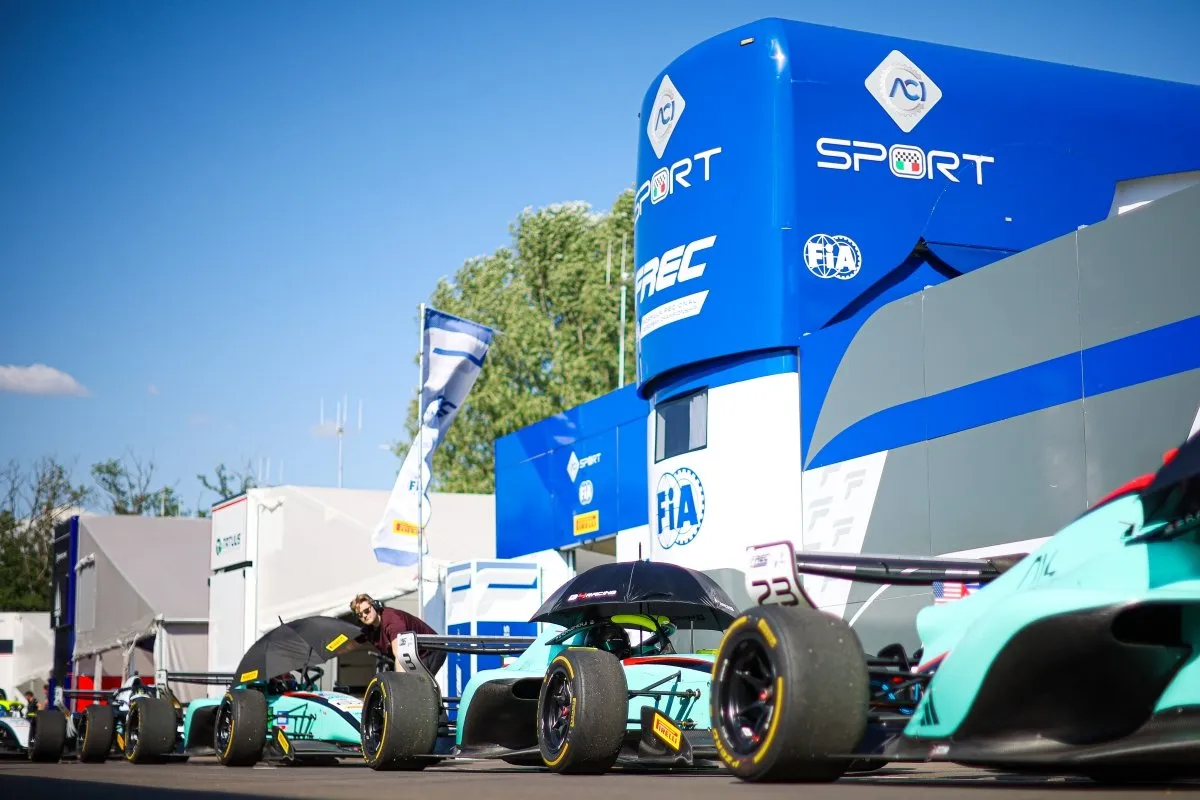
Kalender FREC 2027 resmi diumumkan dengan memasukkan Algarve dan Silverstone serta kembalinya status balapan pendukung Formula 1 di Hungaria.
 Continue with Google
Discussion (0)
Join the Discussion!
Sign in easily to start commenting, replying, and interacting with other readers.
Latest Comments
No comments yet. Be the first!