







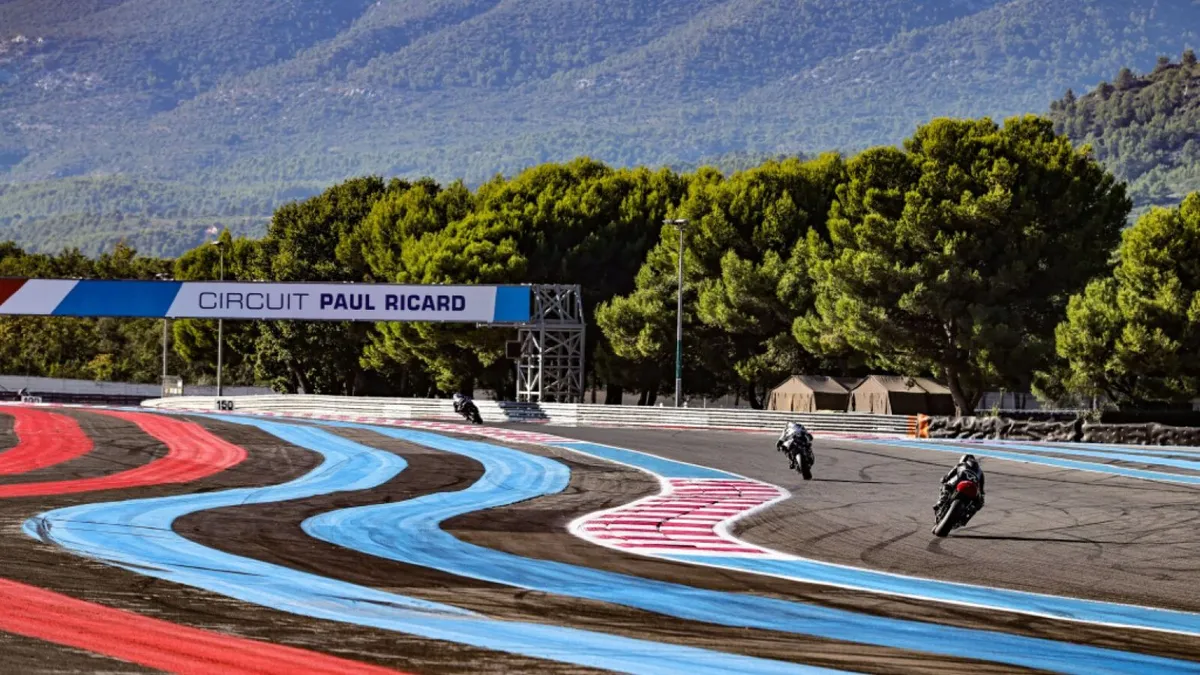

Circuit Paul Ricard is set to host the thrilling conclusion of the 2026 FIM Endurance World Championship (EWC) this weekend. The legendary 89th running of the Bol d'Or will decide the title after a season that has taken teams to Le Mans, Spa-Francorchamps, and the iconic Suzuka 8 Hours. For every competitor, this 24-hour marathon is the ultimate test of physical and mental endurance, leaving no room for error.
The EWC is a unique championship where a single motorcycle is shared by multiple riders in races lasting 8, 12, or 24 hours. However, the 2026 calendar does not feature a 12-hour race. Riders take turns completing hour-long stints, battling darkness, changing weather, and fluctuating grip levels. The championship is divided into four categories: EWC (premier class), Superstock, Production, and Experimental.
2026 EWC Finale at Circuit Paul Ricard
The 2026 season kicked off with a 24-hour race at Circuit Bugatti, Le Mans, followed by an 8-hour event at Spa-Francorchamps, and the prestigious Suzuka 8 Hours. Now, the Bol d'Or 24-hour race will decide everything. It demands that teams rotate riders through hour-long stints in total darkness and ever-changing track conditions, making circuit familiarity crucial for every rider.
Grid identification is made easy thanks to distinct colour-coded headlamps and number boards across the primary categories. Formula EWC, the premier class, features highly modified homologated 1000cc machines. While the chassis must retain its original outline, teams are allowed extensive performance upgrades to the engine, swingarm, brakes, radiator, exhaust, forks, and rear damper. These top-tier bikes are easily recognised by their black number backgrounds and white headlamps.
In contrast, Superstock models are almost identical to production road bikes and run strictly on spec Dunlop tyres. Limited engine modifications are permitted, including injector jets, fuel mapping, clutch reinforcement, and slip-on silencers. They feature red number backgrounds and yellow headlamps. The Production category also aligns Dunlop-fitted 1000cc road-going motorcycles, with only basic entry-level modifications allowed. These entries are identified by blue number backgrounds and yellow headlamps. An Experimental class exists for innovative machines, though they do not score championship points.
Rider rotation varies depending on the class and event duration. Formula EWC teams consist of three primary race riders and one nominated reserve. Superstock and Production teams can enter three riders and one reserve for eight-hour events, expanding to four race riders for 24-hour marathons. All entry-listed riders must qualify and complete mandatory day and night practice sessions. While three-rider squads are standard, teams occasionally take on extreme endurance challenges with only two riders, most notably when Johann Zarco and Takumi Takahashi famously powered the factory Honda.
As the Bol d'Or approaches, the battle at the top of the standings intensifies. Teams like Yamaha, Honda, and Suzuki have shown strong performance throughout the season, but a 24-hour race always throws up surprises. Fuel strategy, tyre management, and rider consistency will be key. The Paul Ricard circuit, with its technical layout featuring long straights and fast corners, demands a bike setup that balances speed and durability.
For fans, the Bol d'Or is more than just a race; it's an endurance festival that delivers drama every hour. As the sun sets and the bike lights come on, the atmosphere at Paul Ricard transforms into a battlefield of technology and bravery. Who will etch their name into history? The answer will unfold after a full 24 hours of intense racing.
Read Also
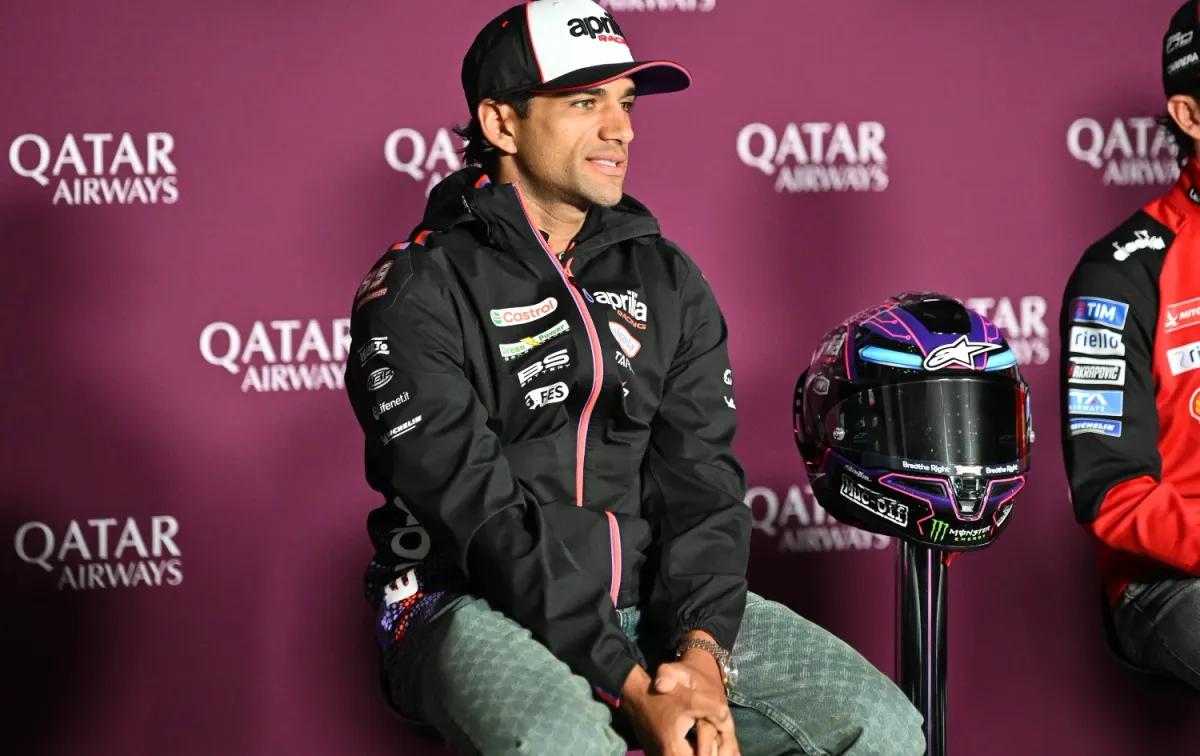
Jorge Martin faces Austrian GP with right arm injury. Sprint will decide surgery and his MotoGP 2026 future. Read the full story.
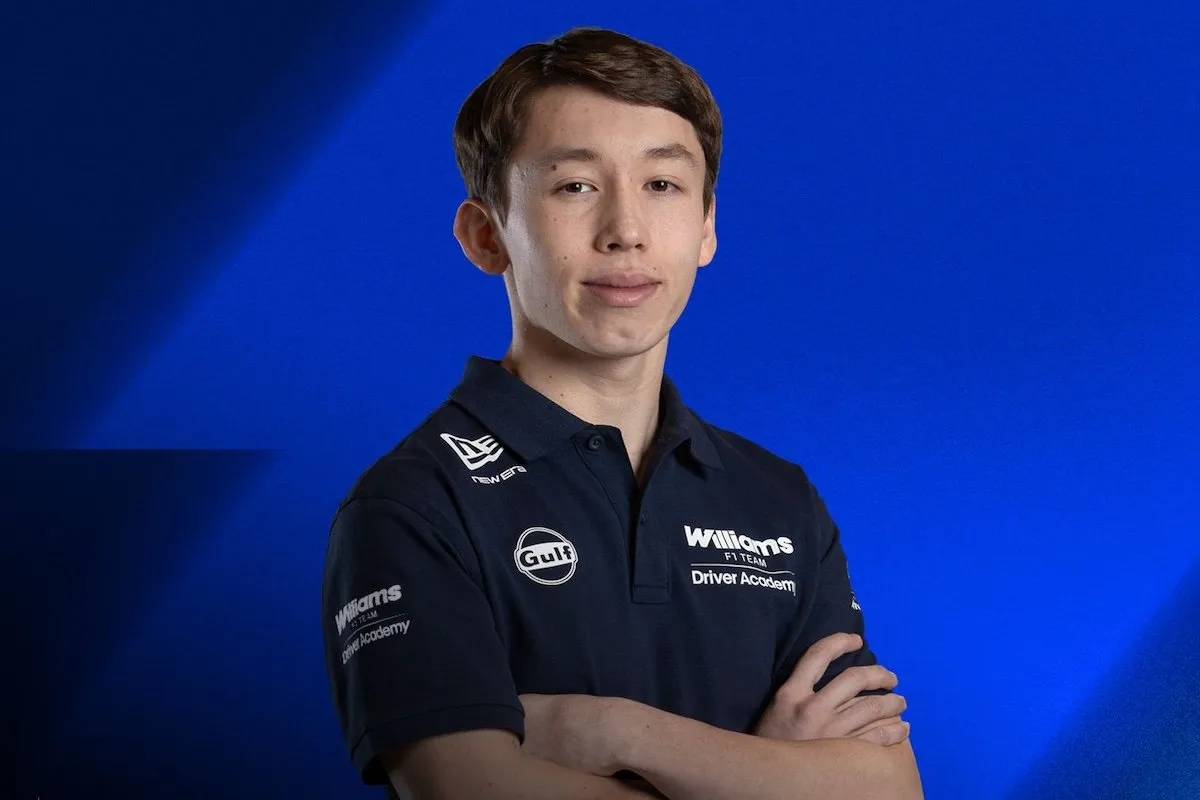
Kean Nakamura-Berta officially joins Trident Motorsport for FIA F3 2027. The Williams junior driver steps up after a stellar Formula Regional season.
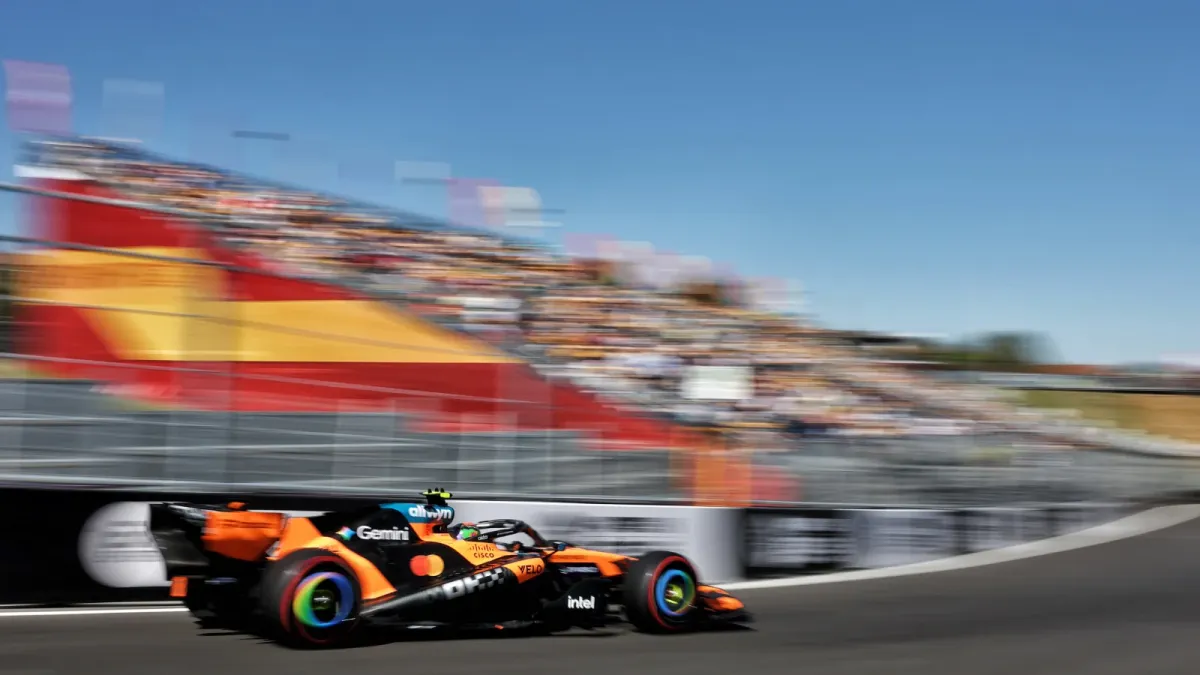
Martin Brundle proposes VSC rule fix after Lando Norris lost victory at F1 Spanish GP. Read analysis and suggested solutions.
 Continue with Google
Discussion (0)
Join the Discussion!
Sign in easily to start commenting, replying, and interacting with other readers.
Latest Comments
No comments yet. Be the first!