







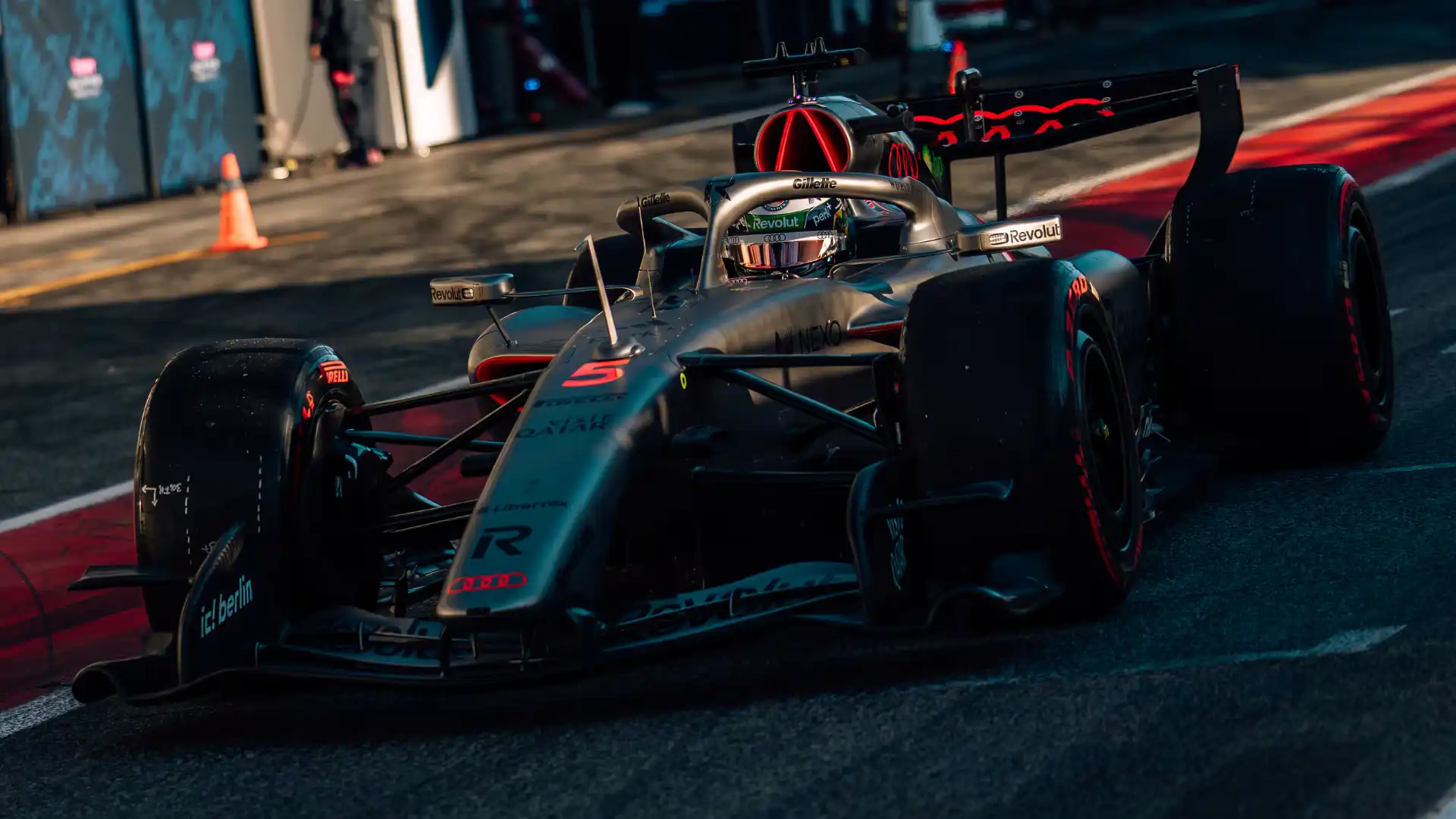

Formula 1, Sportrik Media - Mattia Binotto believes Audi has the long-term potential to match, and potentially surpass, the Formula 1 power unit standards currently set by Mercedes, Ferrari, and Honda, but has warned that the project must be prepared to endure technical failures during its early years.
Audi will join the grand prix grid as one of two new power unit manufacturers under the 2026 regulations, alongside Red Bull Powertrains, which operates in technical partnership with Ford. The Ingolstadt-based brand has committed to a full works programme, positioning its Formula 1 entry as a cornerstone of Audi’s global motorsport strategy.
During the pre-season shakedown test in Barcelona, Audi completed a total of 240 laps, although running was disrupted by reliability issues that limited track time for Nico Hulkenberg and Gabriel Bortoleto. The interruptions underlined the developmental nature of Audi’s early power unit programme, which remains focused on system validation rather than outright performance.
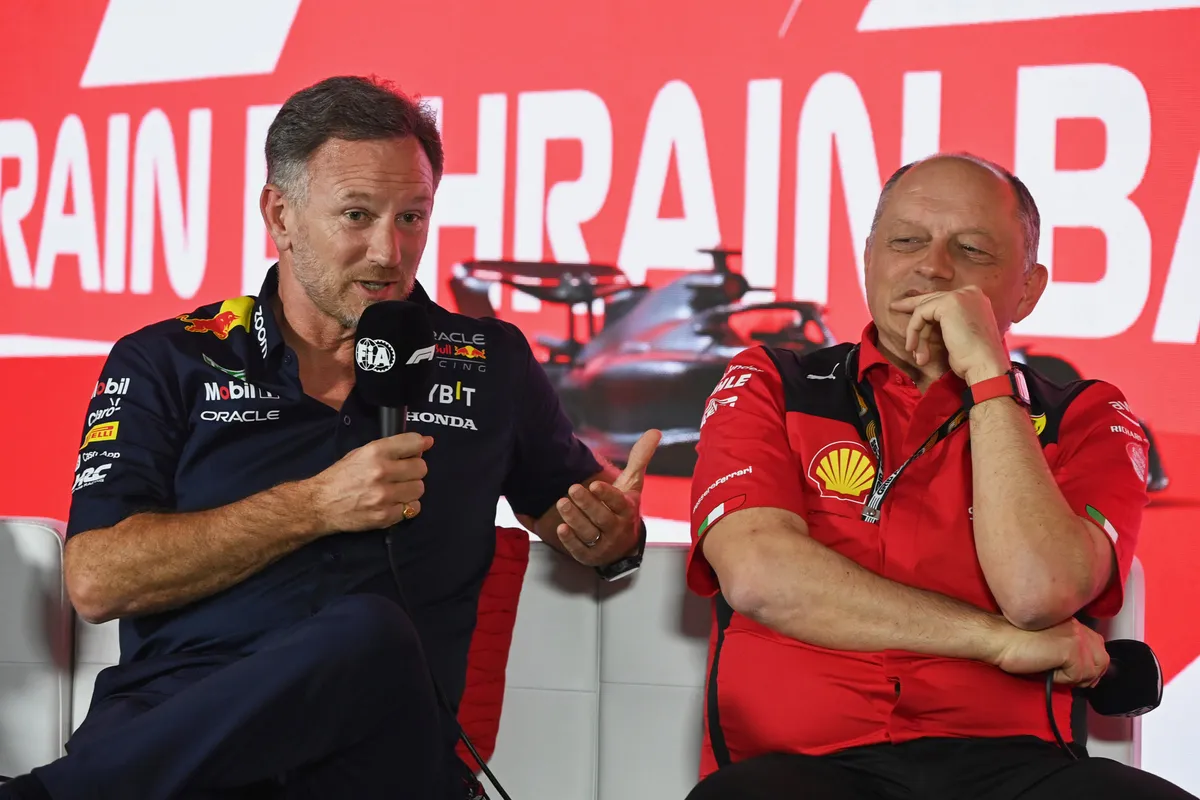
Audi has publicly set a target of challenging for world championships by 2030, a goal that would require it to dismantle the historical dominance of Mercedes, Ferrari, and Honda. Between them, the three manufacturers have amassed 576 race victories, accounting for 50.13 percent of all 1,149 Formula 1 world championship grands prix, alongside 35 drivers’ titles and 34 constructors’ championships.
Binotto, who serves as Audi Formula 1’s chief technical officer and chief operating officer, acknowledged that experience and organisational stability remain the primary strengths of its established rivals. However, he stressed that Audi possesses the infrastructure, resources, and corporate commitment required to close that gap over time.
“They have the most experience and they are settled organisations,” Binotto said.
“If a team or manufacturer was great in the past, they will remain great in the future, there is no doubt.”
“They are very strong competitors. It will be a very difficult challenge for us, but at the same time, I believe we have all the means to become successful one day and to become a benchmark powertrain as well.”
Binotto was clear that immediate competitiveness is neither expected nor realistic, given the scale of the regulatory reset and the complexity of modern hybrid power units.
“I am not expecting our powertrain to be the best at the start. That would be impossible and unrealistic,” he explained.
“We are on a journey, and we need to stay focused on ourselves.”
He also emphasised that reliability setbacks should be viewed as part of the learning curve rather than a measure of failure, provided the organisation responds effectively.
“We may face problems during the season, including reliability failures,” Binotto said.
“What will matter most is how the team reacts, leaving no stone unturned, learning from the problem, and showing the capacity to progress.”
With full backing from Audi as a global manufacturer and a clearly defined long-term roadmap, Binotto believes the 2030 target is closer than it appears. Audi’s ability to improve race by race under the 2026 regulations will ultimately determine whether it can establish itself alongside, or even ahead of, Formula 1’s current power unit benchmarks.
Read Also
Stefano Domenicali ceritakan lelucon Jimmy Fallon di makan malam GP Miami: pizza dikirim ke restoran Michelin, lengkap dengan catatan lucu.
Formula 1 hampir menyentuh 1 miliar fans global. Stefano Domenicali soroti pertumbuhan audiens wanita dan strategi ekspansi di AS.
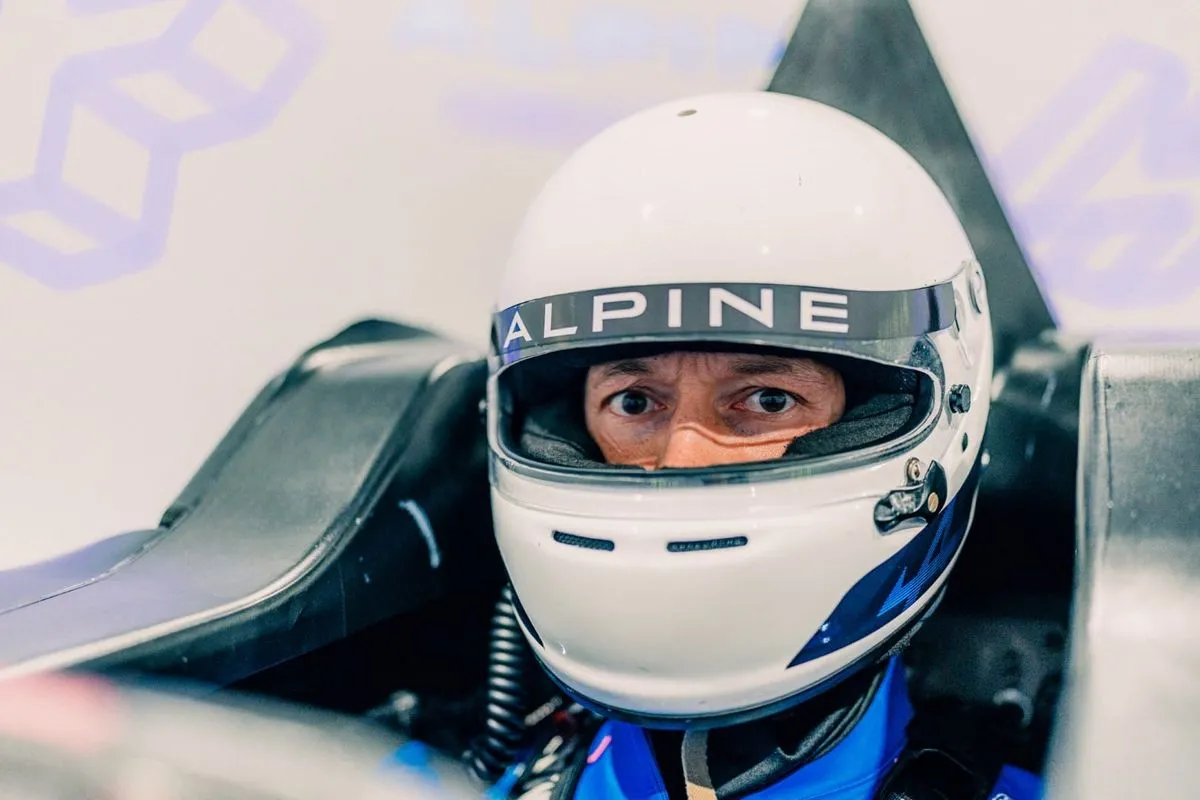
Alpine mengungkap peran tersembunyi Daniil Kvyat sebagai driver simulator yang membantu kebangkitan tim di F1 2026, termasuk turnaround di Jepang dan Kanada.
 Continue with Google
Discussion (0)
Join the Discussion!
Sign in easily to start commenting, replying, and interacting with other readers.
Latest Comments
No comments yet. Be the first!