







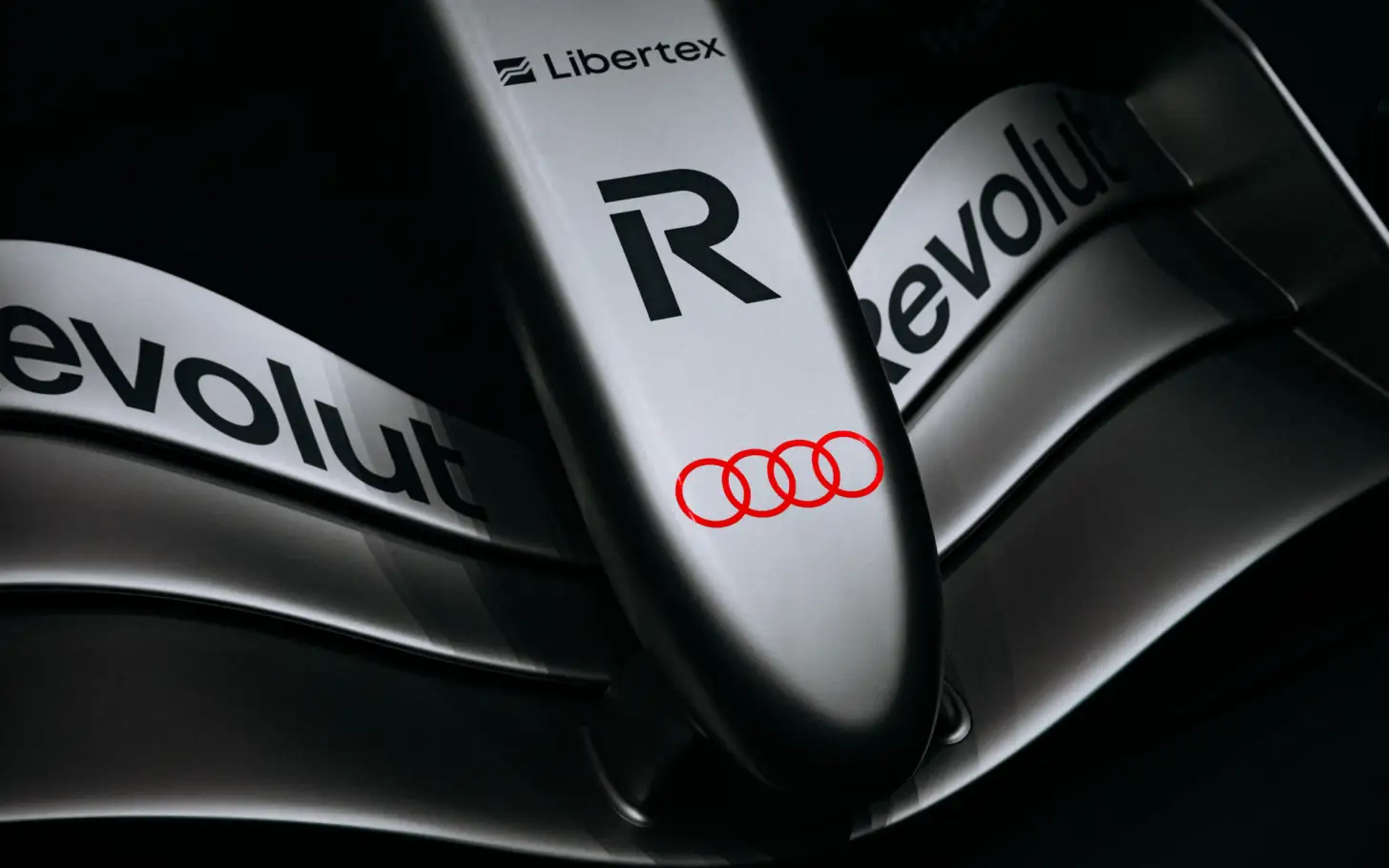

Audi has issued a clear warning to its Formula 1 rivals, making it explicit that its entry into the championship is not about making up the numbers, but about building a long-term, record-breaking force at the top of the sport.
The German manufacturer unveiled its first-ever Formula 1 car, the R26, at a launch event in Berlin, formally marking the beginning of its works programme under the new regulatory era. Audi has outlined a structured pathway toward success, openly targeting its first world championship by 2030, while stressing that its ambitions extend far beyond that initial milestone.
In an official statement released on launch day, Audi underlined the philosophy guiding its Formula 1 project.
“We are building a new organisation with a mindset founded on resilience, precision, and a relentless curiosity to find performance everywhere,” the statement read.
“Our goal is to win championships by 2030. We have a structured plan for a deliberate ascent.”
Audi then detailed the stages of its competitive roadmap, describing a phased approach rather than an expectation of instant success.
“Our journey begins as a challenger, where we will establish our processes and fight for points. We will evolve into a competitor, consolidating our strengths to consistently compete for podiums.”
“The next phase is to become a champion, a unified, winning force. Off track, we aim to become a sporting icon that breaks records and shapes the future of motorsport.”
Team principal Jonathan Wheatley, who joined Audi after departing Red Bull Racing at the end of last season, emphasised that the team’s ambition is matched by a realistic understanding of Formula 1’s complexity.
“Formula 1 is the most complex team sport in the world,” Wheatley said.
“Winning is never easy.”
Wheatley highlighted that people and culture will be central to Audi’s competitive identity.
“Formula 1 is powered by people. Our journey to the top is built on a clear plan, but it will be defined by our mindset: resilience, precision, and relentless curiosity.”
“We will build a team that embodies this. We are here to challenge, evolve, and ultimately, win.”
For Audi AG CEO and chairman of the board of Audi Motorsport AG Gernot Döllner, the Formula 1 programme represents a strategic pillar of Audi’s wider technological and brand ambitions.
“This is part of something bigger,” Döllner explained.
“It is a strategic decision that reinforces how we elevate the power of technology, embrace continuous learning to perform, and shape Audi’s future as a driver of excellent performance around the world.”
“This project is the ultimate stage to demonstrate ‘Vorsprung durch Technik’ and a powerful catalyst for our brand’s future.”
Despite the strength of Audi’s messaging, expectations of immediate miracles have been deliberately tempered. Although Audi enters Formula 1 by taking over the established infrastructure of Sauber and its Hinwil factory, the challenge of the new regulations remains substantial.
A key focus lies in the development of Audi’s first in-house Formula 1 power unit. While the manufacturer boasts a long history of success in other racing categories, Formula 1 presents a unique technical and operational challenge.
Audi F1 project chief Mattia Binotto believes the 2026 regulations provided the ideal opportunity for Audi to enter the sport as a fully integrated works team.
“The 2026 regulations created the perfect moment to enter,” Binotto said.
“We are a true works team from day one. Powertrain and chassis are developed in complete synergy, two elements built for each other.”
“This integration is not just a detail; it is the core of our competitive strategy.”
With a clearly defined roadmap, a full works structure, and an openly stated ambition to break records, Audi has positioned its Formula 1 project as a long-term, high-intensity challenge to the established order—signalling that its arrival marks the beginning of a serious new era rather than a tentative experiment.
Read Also
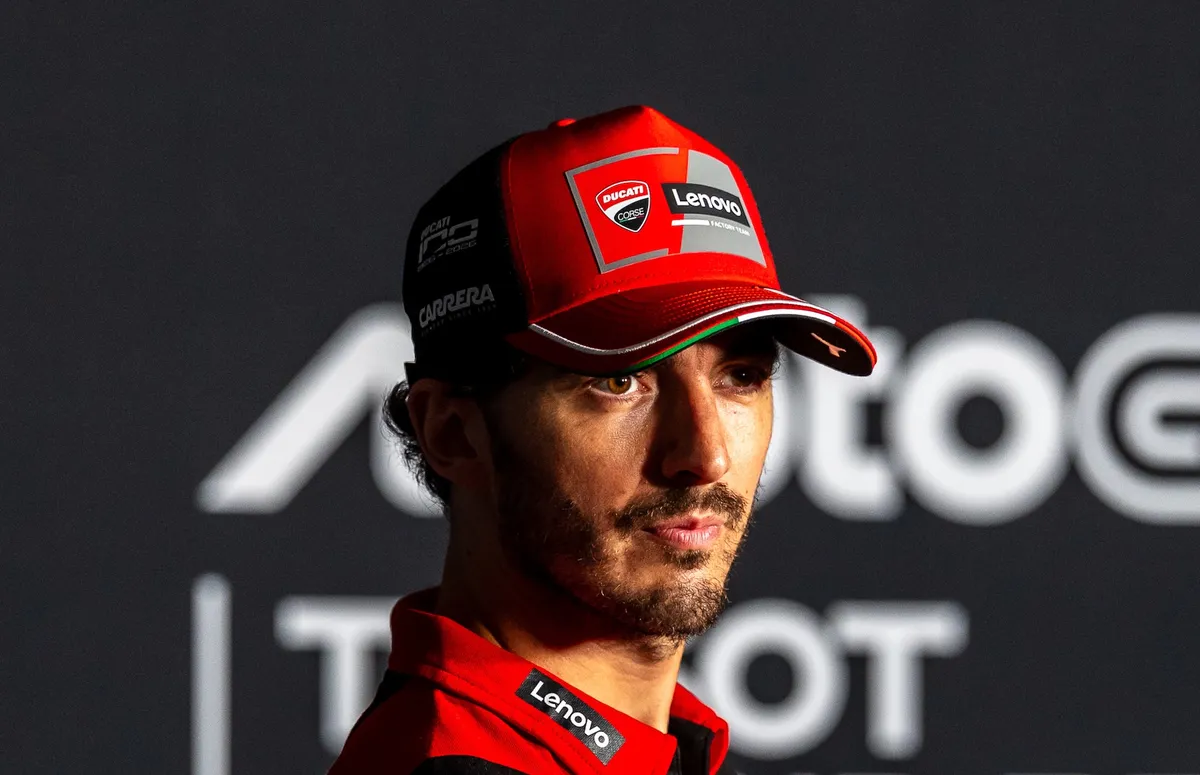
Francesco Bagnaia slams DAZN for airing private chat with Fabio Di Giannantonio, calling it disrespectful. The broadcaster has since apologised and removed the video.
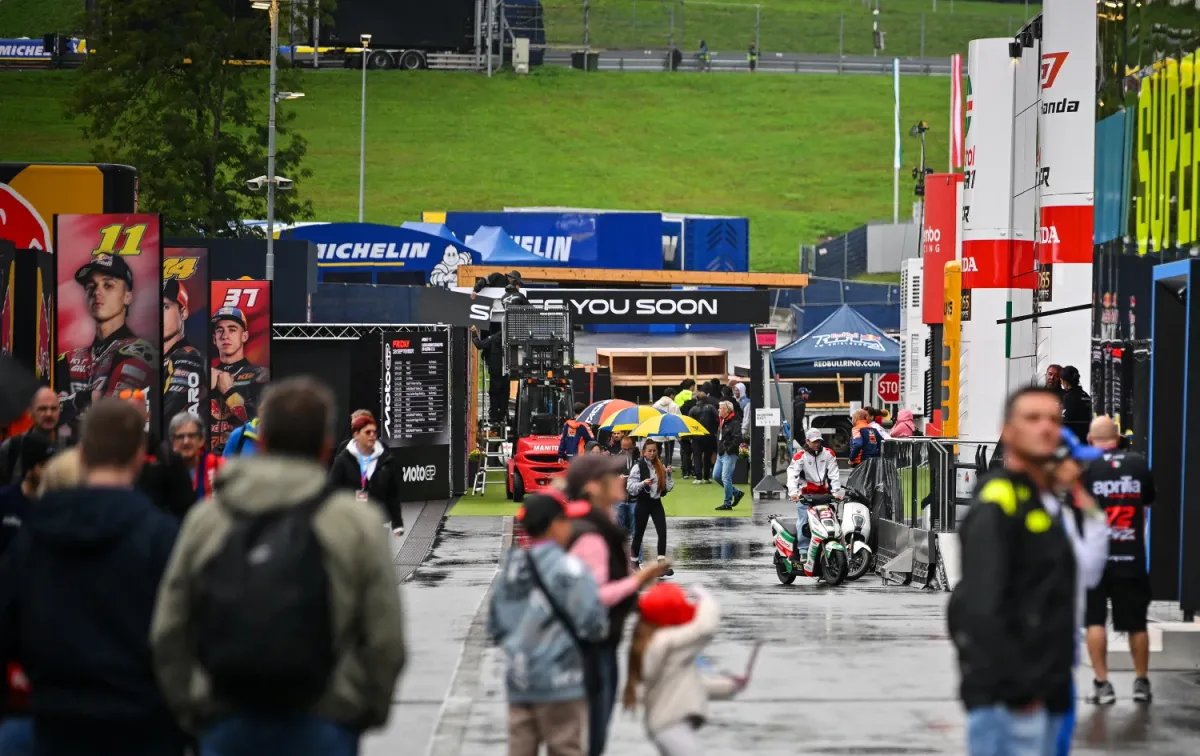
Heavy rain hits Red Bull Ring ahead of MotoGP Austria 2026. Marquez and Martin gear up for a wet battle, promising a thrilling contest.

Fabio Quartararo insists his situation is not the same as Francesco Bagnaia's. The Yamaha rider says he would be furious if he were in Bagnaia's position amid the Italian's struggles with Ducati.
 Continue with Google
Discussion (0)
Join the Discussion!
Sign in easily to start commenting, replying, and interacting with other readers.
Latest Comments
No comments yet. Be the first!