









Formula 1, Sportrik Media - Audi has renewed its call for the FIA to intervene over the controversial power unit compression ratio issue ahead of the 2026 Formula 1 season, warning that inaction could undermine competitive fairness under the new regulations.
The 2026 campaign marks one of the most significant technical resets in modern Formula 1, with the introduction of all-new power units featuring a major increase in electrical output alongside the removal of the MGU-H. The revised rules were designed to reshape the competitive landscape, but the build-up to the season has already been overshadowed by a high-profile technical dispute.
Concerns emerged after it became known that Mercedes and Red Bull Racing are alleged to have found a way to operate their power units at a compression ratio higher than the 16:1 limit specified in the regulations. Compression ratio plays a critical role in the combustion process of an internal combustion engine and, if exploited, could deliver a meaningful lap-time advantage.
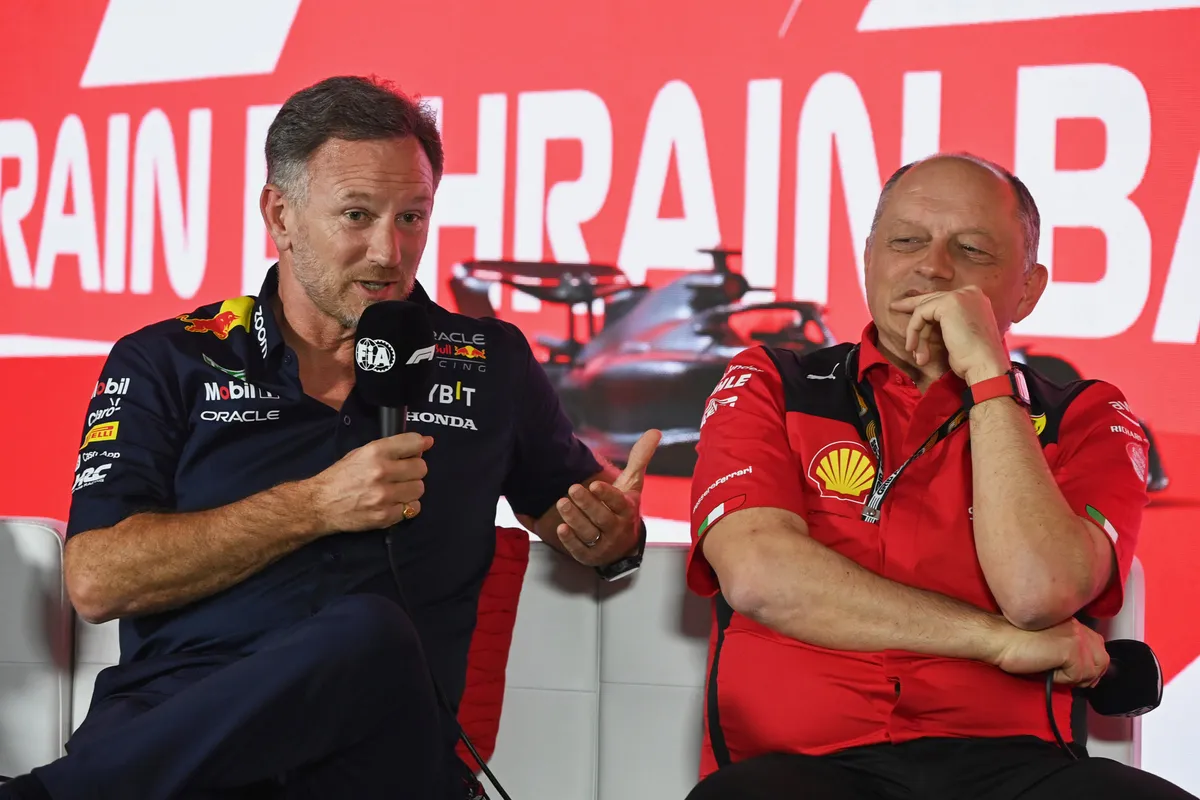
The controversy centres on how and when the compression ratio is measured. With checks understood to be carried out under static conditions, questions have been raised about whether the intent of the regulation is being bypassed once the car is running on track. For manufacturers entering the new era, this has triggered fears that an uneven competitive baseline could be locked in from the outset.
A meeting between power unit manufacturers and the FIA was held last week to address the matter, but no definitive resolution was reached. That outcome prompted Audi to publicly reinforce its position, stressing the importance of regulatory clarity before the season begins.
Audi technical director James Key said the German manufacturer continues to place its trust in the governing body, while making clear that the stakes are high given the homologation constraints of the 2026 power units.
“We have to, as we do, trust the FIA with making the right decisions here,” Key told international media, including RacingNews365.
Key emphasised that the introduction of new regulations demands absolute consistency in enforcement to preserve a level playing field.
“It’s new regulations, and you’ve got to have a level playing field,” he said.
To illustrate Audi’s position, Key drew a comparison with aerodynamic development, highlighting what he sees as a fundamental issue of principle.
“If someone came up with a clever diffuser and you said it’s not the right thing to do, no one else can have it, but you can have it for the rest of the year, it doesn’t make sense. We’d never accept that.”
In Key’s view, if a technical solution is judged to be contrary to the intent of the regulations, it must be addressed decisively rather than allowed to define the competitive order.
“If it’s sort of bypassing the intent of the regulations, then it has to be in some way controlled,” he added.
The implications of the compression ratio debate extend beyond theoretical performance. Key warned that allowing such an advantage to persist could effectively compromise an entire season for some teams, given the limited scope for mid-season power unit changes under the homologation rules.
“We trust the FIA to do that, because no one wants to sit a season out if you’ve got a blatant advantage that you can do nothing with in a homologated power unit,” Key said.
For Audi, which is preparing for its first full season as a Formula 1 power unit manufacturer, the issue carries strategic significance. The brand’s long-term commitment to the championship is built on the expectation of regulatory stability and fair competition, particularly during a period of major technical transition.
Key concluded by reiterating Audi’s confidence that the FIA will reach a decision that protects the integrity of the championship.
“For us, hopefully, the FIA will make the right decisions.”
As the season draws closer, the compression ratio controversy has become an early test of the FIA’s regulatory authority under the 2026 framework. The outcome will not only shape the competitive balance of the upcoming season but also set an important precedent for how technical grey areas are handled in an era defined by complex and tightly regulated power unit technology.
With manufacturers having already committed vast resources to their 2026 programmes, pressure is mounting on the FIA to provide clarity. For Audi and its rivals, the resolution of this issue may prove pivotal in determining whether the new Formula 1 era begins on equal footing or with controversy already embedded in its foundations.
Read Also

Stefano Domenicali ceritakan lelucon Jimmy Fallon di makan malam GP Miami: pizza dikirim ke restoran Michelin, lengkap dengan catatan lucu.

Formula 1 hampir menyentuh 1 miliar fans global. Stefano Domenicali soroti pertumbuhan audiens wanita dan strategi ekspansi di AS.
Alpine mengungkap peran tersembunyi Daniil Kvyat sebagai driver simulator yang membantu kebangkitan tim di F1 2026, termasuk turnaround di Jepang dan Kanada.
 Continue with Google
Discussion (0)
Join the Discussion!
Sign in easily to start commenting, replying, and interacting with other readers.
Latest Comments
No comments yet. Be the first!