







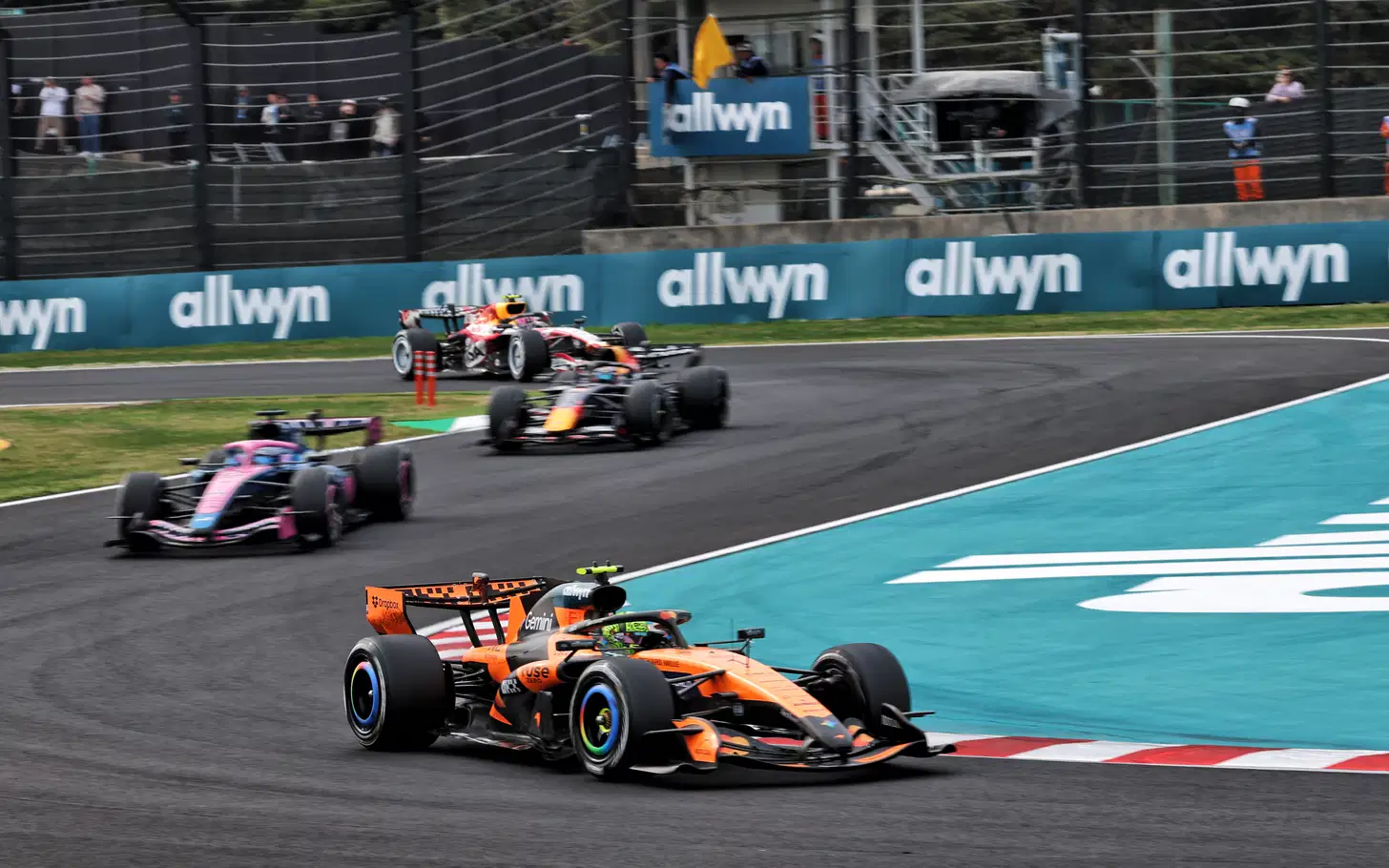

Formula 1, Sportrik Media - Anthony Davidson has raised concerns that recent Formula 1 regulation changes could reduce overtaking opportunities, despite being introduced to improve safety by limiting boost power deployment.
The issue gained prominence following a major incident at the Japanese Grand Prix involving Oliver Bearman and Franco Colapinto. The crash occurred as Bearman approached Colapinto’s car at high speed into Spoon Curve, with the incident initially appearing to result from the leading car slowing unexpectedly.
However, Davidson clarified that the root cause was the aggressive use of the boost function by the trailing car, rather than any abnormal deceleration from the car ahead. The system allows drivers to deploy additional electrical power, significantly increasing straight-line speed under certain conditions.
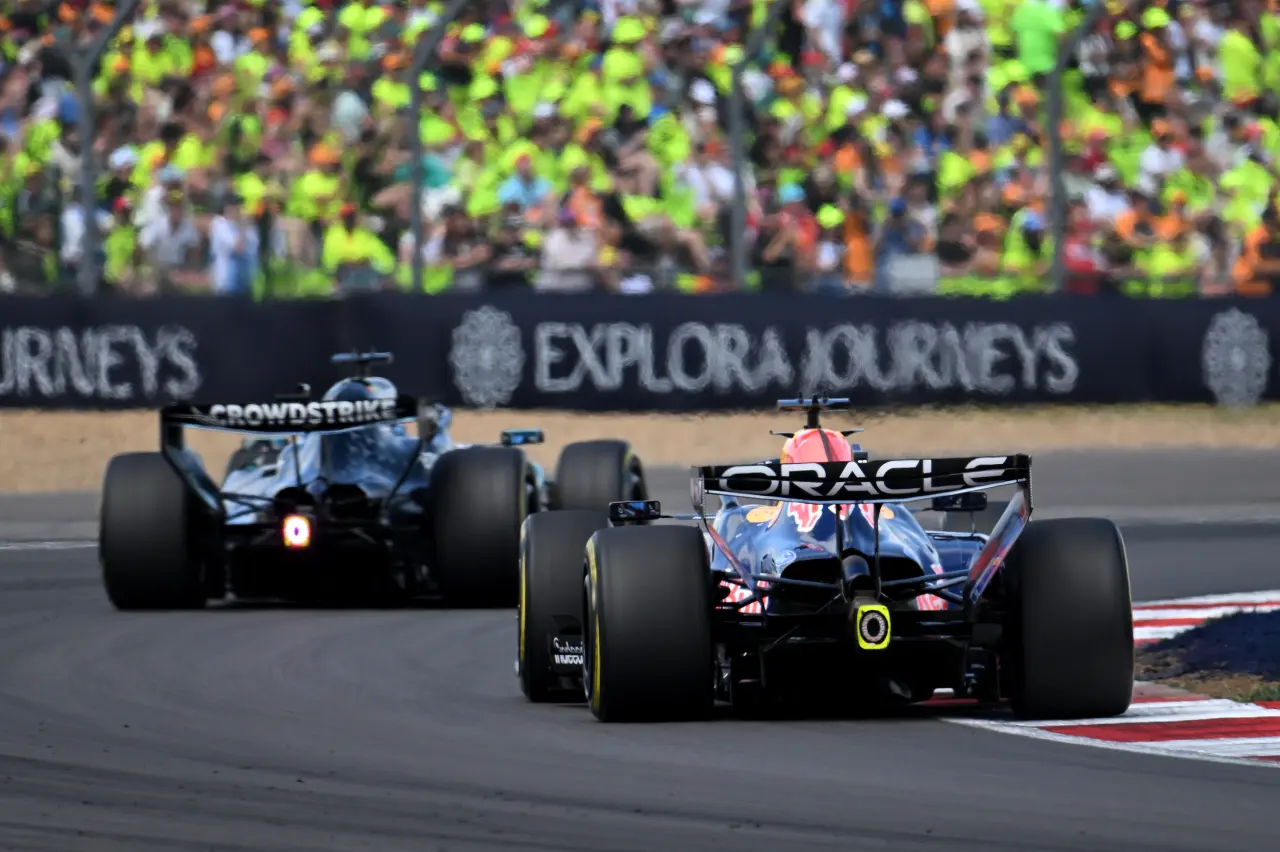
“In Suzuka, the Bearman and Colapinto incident wasn’t because the Alpine slowed down unexpectedly,” Davidson explained to Sky F1.
“It was actually due to Bearman pressing the boost button in an area where you wouldn’t normally expect it.”
Under the initial configuration used in the opening rounds, the boost system delivered up to 350 kW of additional power—approximately 470 horsepower—provided sufficient battery charge was available. In Bearman’s case, full deployment was possible, creating a speed differential of around 50 km/h between the two cars.
“That’s what caused the massive speed difference. From the helicopter view, it looked like the car in front was too slow, but in reality it was the car behind overspeeding,” Davidson added.
In response, the FIA has revised the regulations, reducing the maximum boost output from 350 kW to 150 kW. The objective is to limit extreme speed differentials and enhance predictability in racing scenarios.
While acknowledging the safety benefits, Davidson questioned the potential impact on racing dynamics, particularly overtaking.
“They’ve capped it now to 150 kilowatts instead of 350 to avoid that extreme speed difference,” he said.
“I just hope it will still allow overtaking to happen. For me, the jury is still out on that.”
The situation highlights a fundamental trade-off in modern Formula 1 regulation: balancing safety with competitive spectacle. The boost system had become a key tool for drivers to initiate overtaking manoeuvres, particularly on circuits where passing opportunities are limited.
Reducing its effectiveness may improve control and reduce risk, but could also diminish one of the primary mechanisms for creating overtakes under current technical frameworks.
From a broader technical perspective, the development reflects the growing influence of hybrid energy systems in Formula 1. Energy deployment strategies, battery state management, and power delivery characteristics are now central to both performance and racecraft.
The effectiveness of the revised boost limits will become clearer over the coming rounds. Should overtaking frequency decline, further regulatory adjustments may be required to maintain the balance between safety and on-track competitiveness as the championship progresses.
Read Also
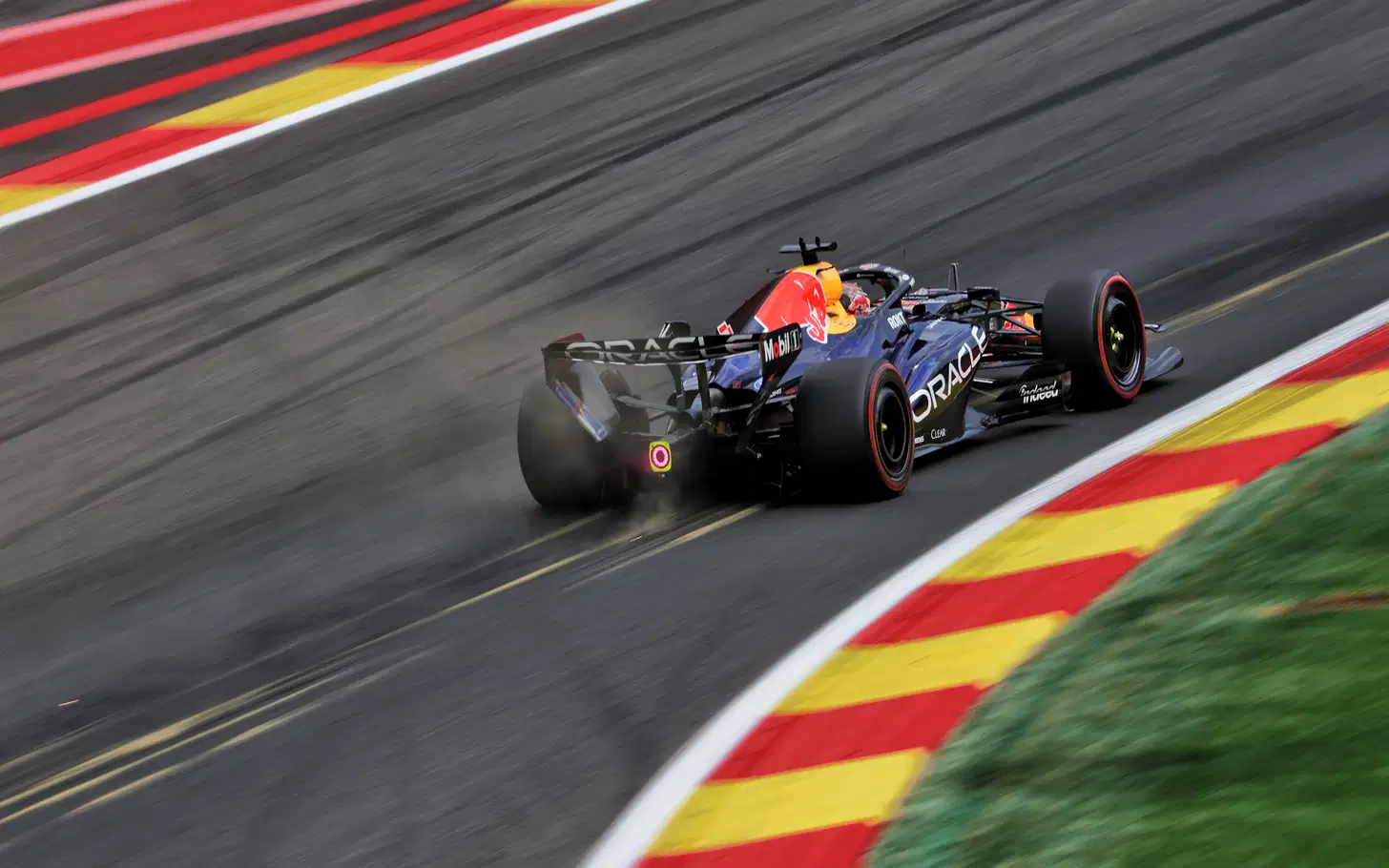
Red Bull is preparing a fix for Max Verstappen’s troubled rear wing for the 2026 Hungarian GP after reverting to its older design in Belgium.
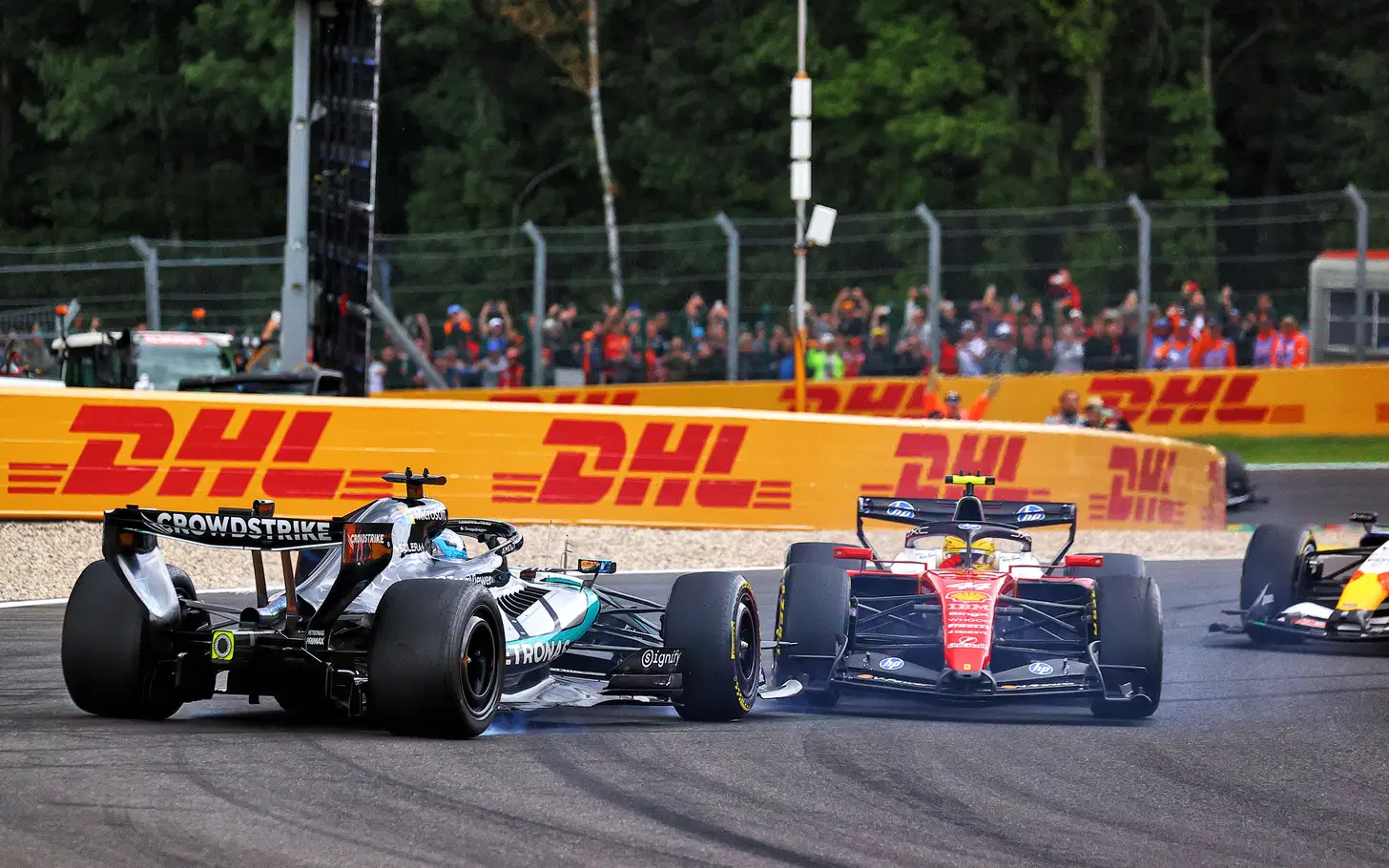
Lewis Hamilton says his FP3 crash triggered a chain reaction that led to his George Russell collision and penalty at the 2026 Belgian GP.
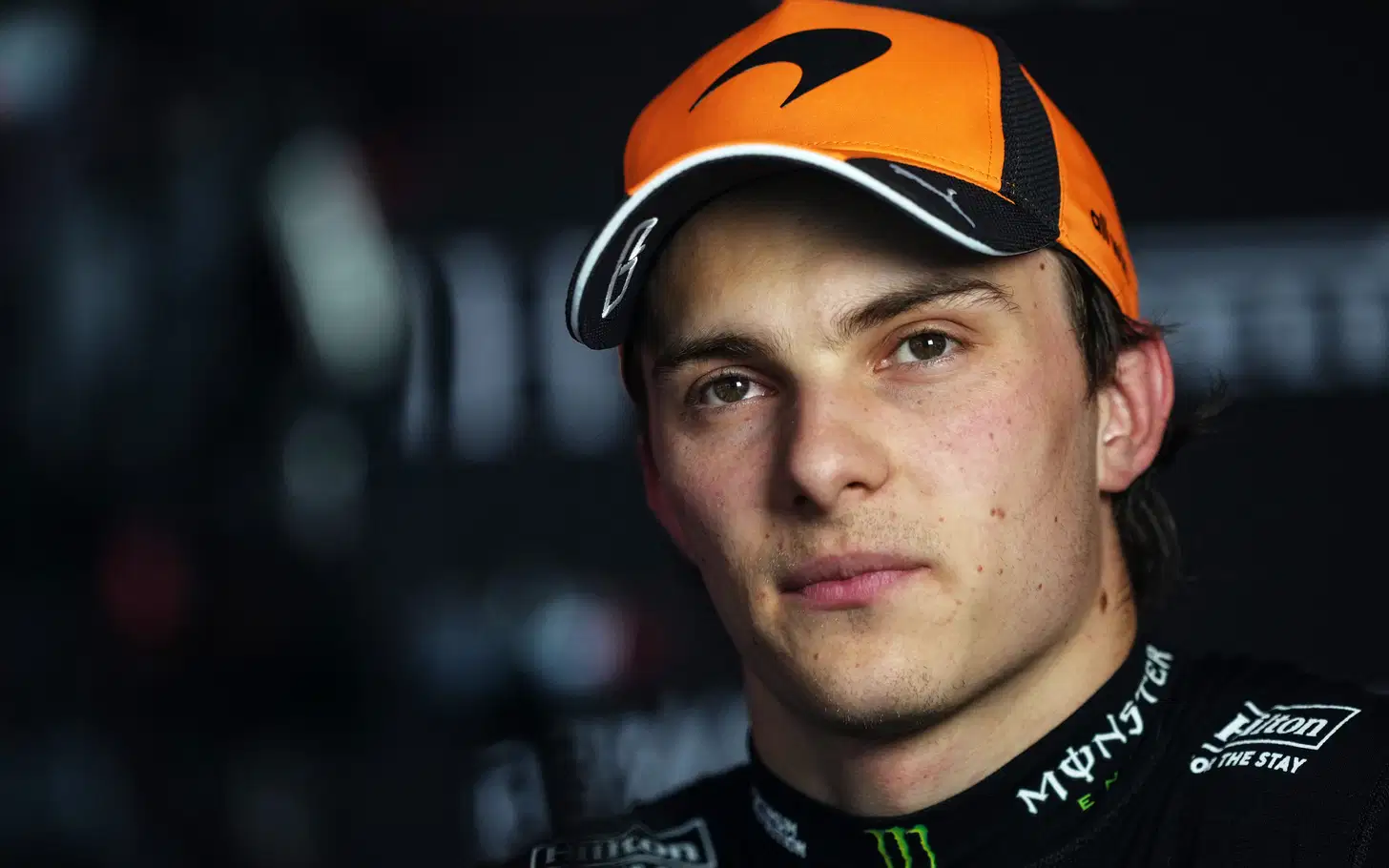
Oscar Piastri criticised the complexity of Formula 1’s 2026 engines after George Russell’s battery problems affected qualifying and racing in Belgium.
 Continue with Google
Discussion (0)
Join the Discussion!
Sign in easily to start commenting, replying, and interacting with other readers.
Latest Comments
No comments yet. Be the first!