







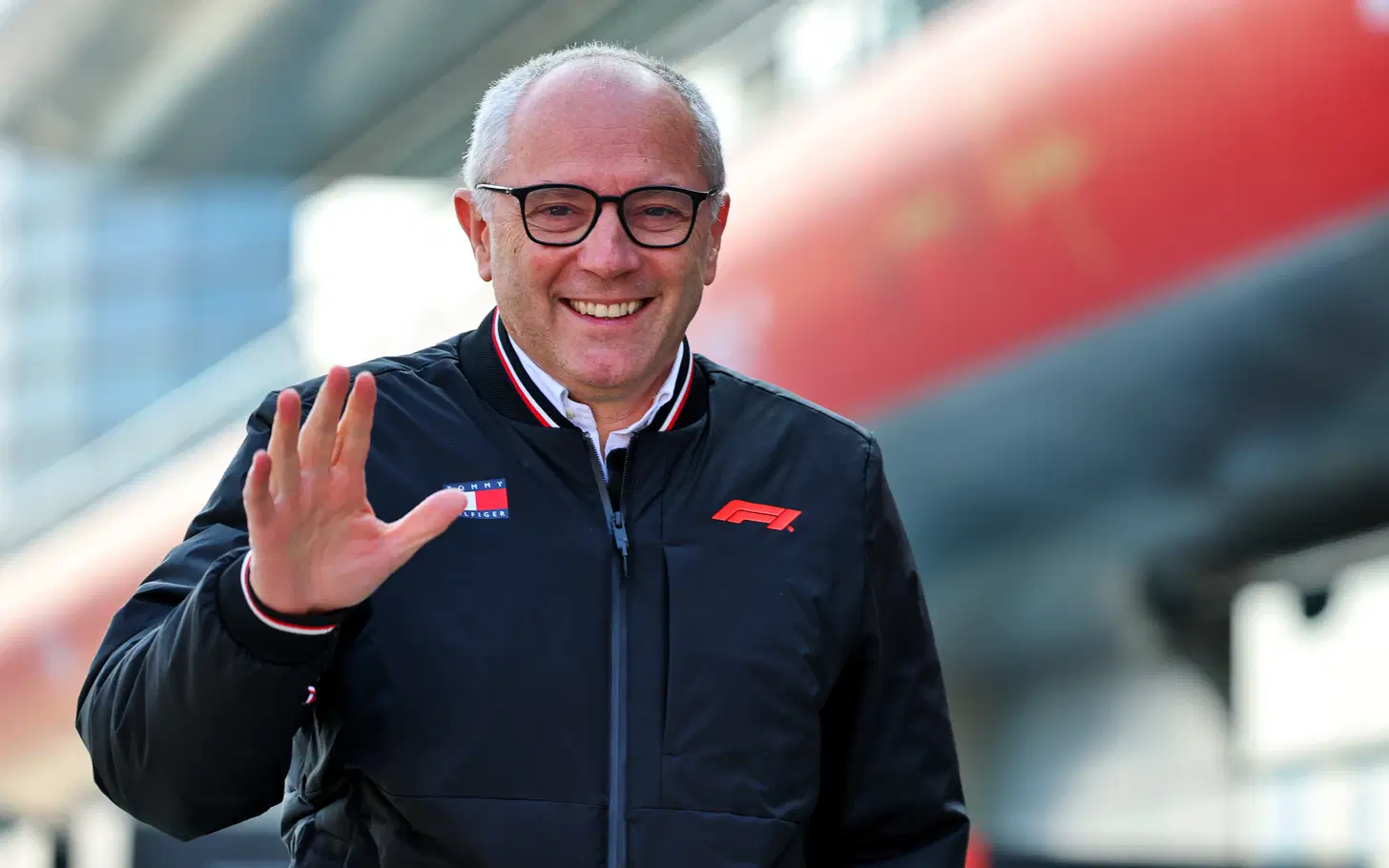

Formula 1, Sportrik Media - Formula 1 CEO Stefano Domenicali has indicated that the championship is open to adopting different power unit concepts in the future, reflecting the rapid evolution of technology and manufacturer priorities.
The current 50-50 hybrid regulations were introduced to attract major manufacturers, successfully bringing in names such as Audi and Ford, while also encouraging Honda to return as a works entrant. In parallel, General Motors has confirmed plans to develop its own power unit for the Cadillac F1 Team project from 2029.
However, the global automotive landscape is shifting towards sustainable energy solutions, with Formula 1 set to introduce 100% sustainable fuel from 2026. This transition has reopened discussions around alternative engine configurations, including the potential return of naturally aspirated V8 or V10 engines, last seen in 2005.
Domenicali explained that changes in the manufacturers’ “ecosystem” have created conditions where such discussions are now feasible.
“There was a reason why we moved in this direction. Without it, there would be no manufacturers ready to engage in Formula 1. But now, manufacturers understand that future power units could be different,” said Domenicali.
He emphasised that technological evolution remains a core principle of Formula 1, with regulatory changes continuing to drive innovation across the sport’s engineering landscape.
According to Domenicali, the competitive essence of Formula 1 remains unchanged, with the focus still on pairing the best drivers with the most effective technical packages available.
At the same time, he stressed the importance of maintaining accessibility for fans, warning against allowing overly technical discussions to dominate the narrative of the sport.
“Our focus is the fans. If we lose that, Formula 1 risks becoming a purely technical exercise that is not relevant to the majority,” he stated.
These comments come amid criticism of the new regulations from leading drivers, including Max Verstappen, who has questioned aspects of the current technical direction.
Despite this, Domenicali believes Formula 1 remains in a strong position, with positive fan engagement and continued manufacturer interest reinforcing the championship’s stability.
Looking ahead, discussions regarding the next generation of power units will involve teams, drivers, and the governing body FIA, given the long development cycles required for engine projects.
This forward-looking approach highlights Formula 1’s commitment to balancing technological relevance with competitive integrity, as it prepares for the next phase of its evolution.
Baca Juga
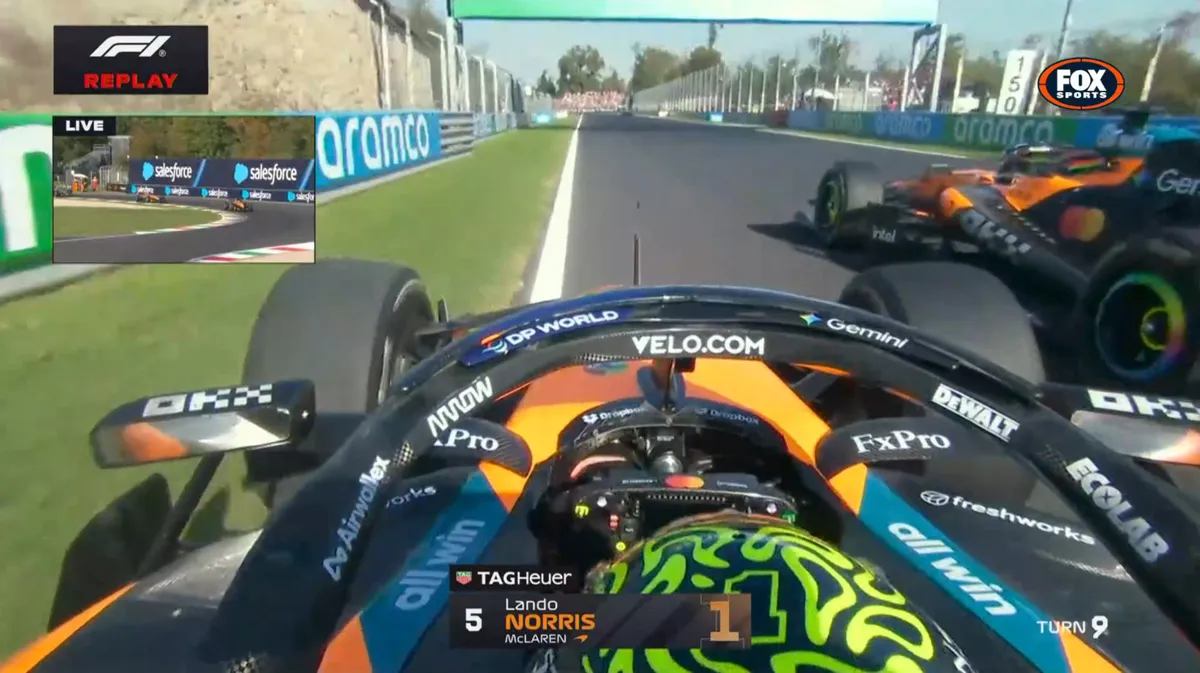
McLaren melalui Andrea Stella membela keputusan membiarkan Norris dan Piastri bertarung di Monza, meski duel internal itu berpotensi menghambat serangan ke Verstappen.
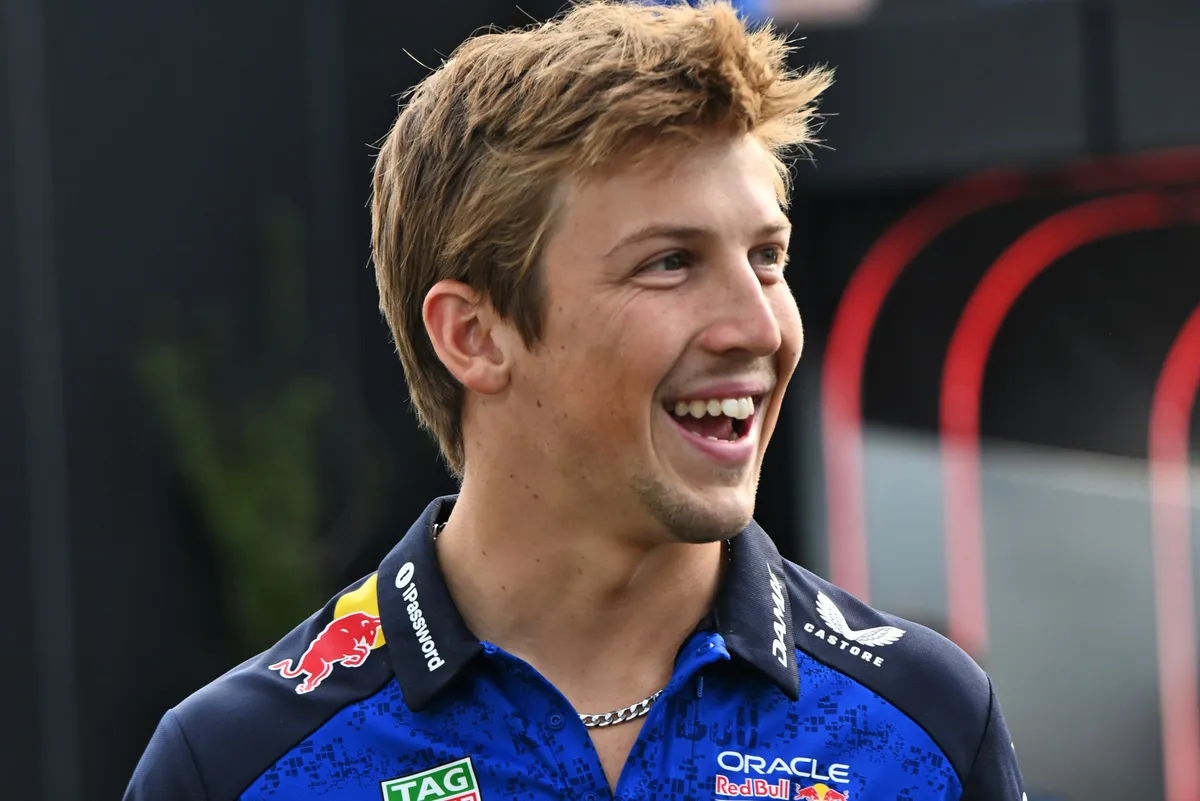
Red Bull Racing mengonfirmasi Liam Lawson kembali membalap untuk GP Spanyol di Madrid, menggantikan Isack Hadjar yang masih cedera. Yuki Tsunoda juga kembali di Racing Bulls.
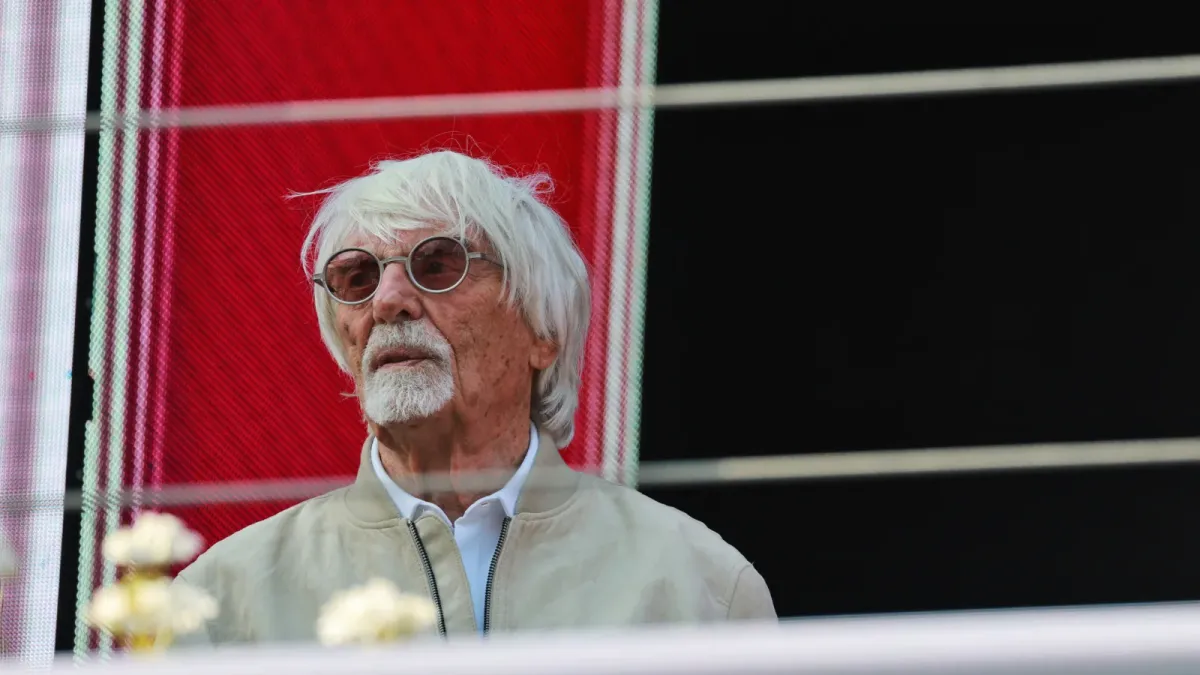
Bernie Ecclestone ditahan di Lisbon karena membawa senapan tanpa izin. Mantan bos F1 itu mengaku masalahnya hampir selesai.
 Lanjutkan dengan Google
Diskusi & Komentar (0)
Mari Bergabung dalam Diskusi!
Masuk dengan mudah untuk mulai memberikan komentar, membalas, dan berinteraksi dengan pembaca lainnya.
Komentar Terbaru
Belum ada komentar. Jadilah yang pertama!