








BMW Group is once again asserting its commitment to sustainability with a holistic approach to the latest generation of the BMW 3 Series. The strategy is applied uniformly across both the fully electric variant and the internal combustion engine model. This move sends a clear signal that the transition to eco-friendly mobility is not half-hearted.
In an official release, the Munich-based automaker claims to have optimized various levers to reduce the carbon footprint throughout the vehicle's entire lifecycle. From the supply chain, production, use phase, to recycling. Every element is designed to cut CO2e emissions from the start. Notably, the Bavarian production cluster is the backbone of this effort, with plants in Dingolfing, Landshut, Irlbach-Strasskirchen, and Munich working in an integrated manner.
Comprehensive Decarbonization
BMW Group places decarbonization across the supply chain as one of the main pillars. The focus is not just on the vehicle itself, but also on how components are produced and distributed. The company's strategy emphasizes the use of renewable energy and an increased share of secondary materials. Moreover, product and process innovations are key, and all are consistently applied to all propulsion variants of the new 3 Series.
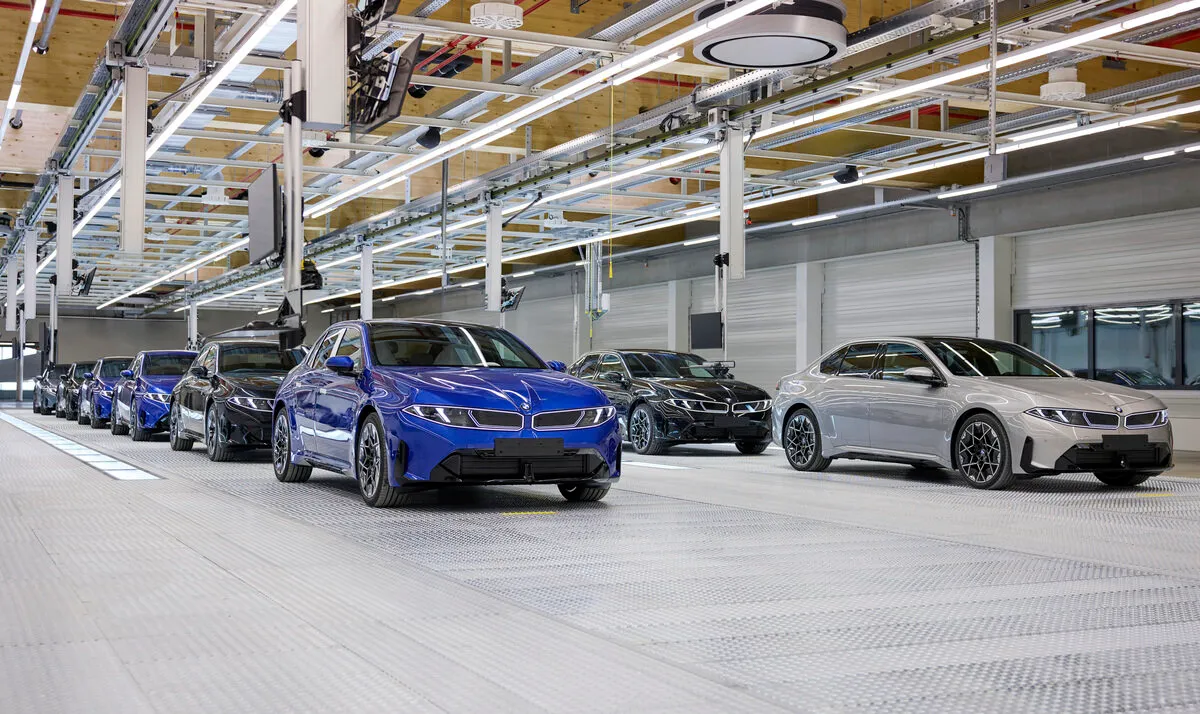
Internal data shows significant results. For the i3 variant, CO2e emissions from the supply chain were reduced by around 37 percent. Meanwhile, the combustion engine variant recorded a decrease of about 30 percent. These figures are not just claims, but tangible proof that a holistic approach can yield results.
Battery Innovation and Recycled Materials
One of the main breakthroughs lies in battery technology. The sixth-generation (Gen6) cells used in the BMW i3 utilize secondary materials for a portion of cobalt, lithium, and nickel. The production of anode and cathode materials as well as the cells themselves also uses renewable energy. As a result, the CO2e footprint per watt-hour is reduced by around 33 percent compared to the Gen5 cells used in the BMW i4.
The use of recycled materials also extends to components that endure high stress. Aluminum elements for suspension systems such as wheels, wheel carriers, and wheel mounts are examples. Additionally, the hood is made with approximately 70 percent recycled aluminum. Overall, in the BMW i3 50 xDrive, about 31 percent of the vehicle consists of secondary materials. While in the 3 Series with a thermal engine, the share is around 25 percent.
This BMW step aligns with the global automotive industry trend increasingly moving towards electrification and sustainable production. Formula E, for instance, has long been a testing ground for eco-friendly technologies that are later adopted into production vehicles. With this holistic approach, BMW is not only talking about performance but also environmental responsibility.
For consumers, the choice between electric or thermal variants is no longer just about emissions, but rather driving preference. Both carry the same spirit of sustainability. And that is good news for the future of the automotive industry.
Baca Juga
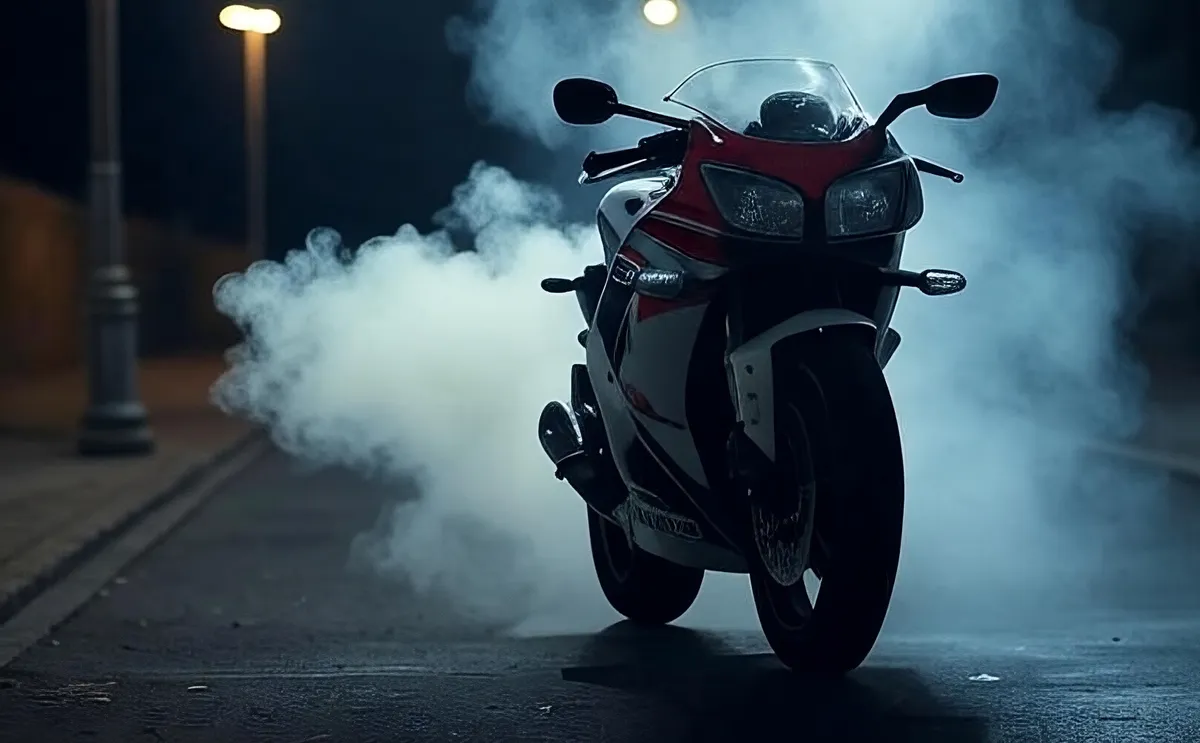
Ceroil hadir sebagai solusi pembersih sistem pembakaran untuk kendaraan, mengurangi emisi hingga 50% dan mempersiapkan uji emisi. Cocok untuk motor 2-tak dan 4-tak.
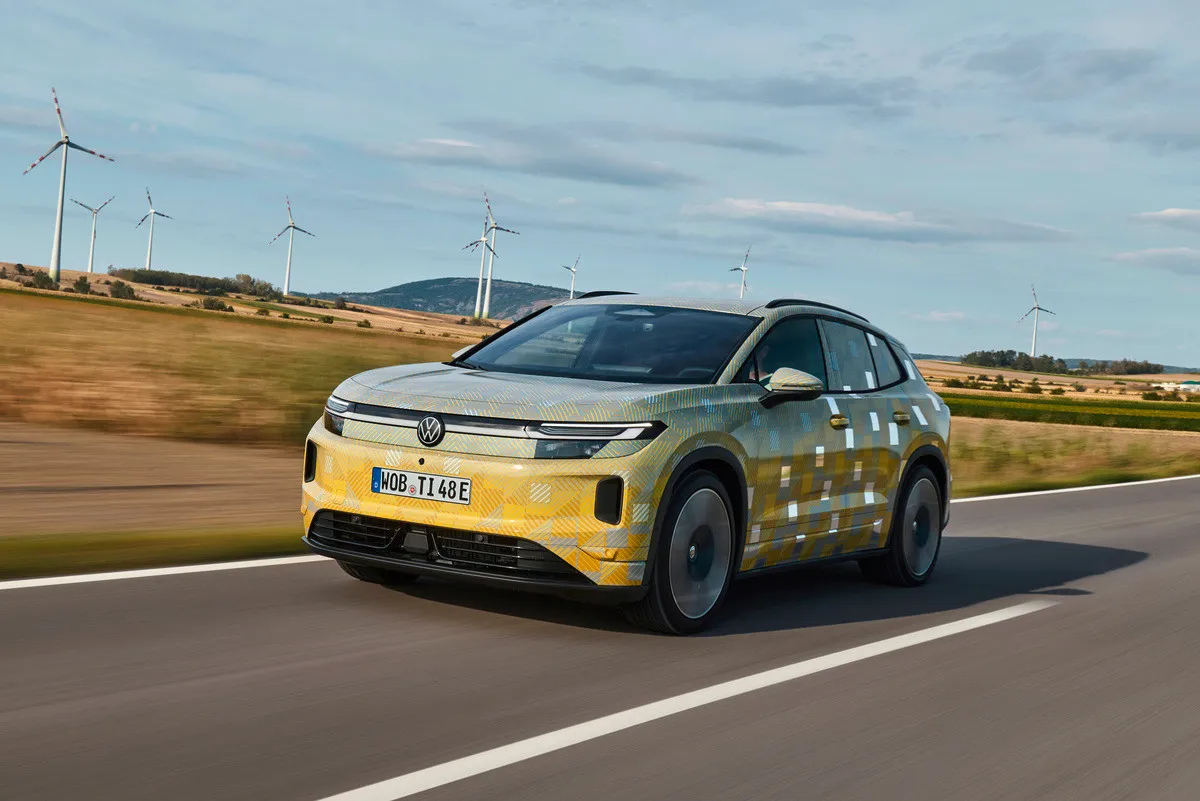
Volkswagen ID. Tiguan, SUV listrik penerus ID.4 dan ID.5, akan debut Oktober dan dijual bersama Tiguan bensin. Simak bocoran dan strategi Volkswagen di sini.
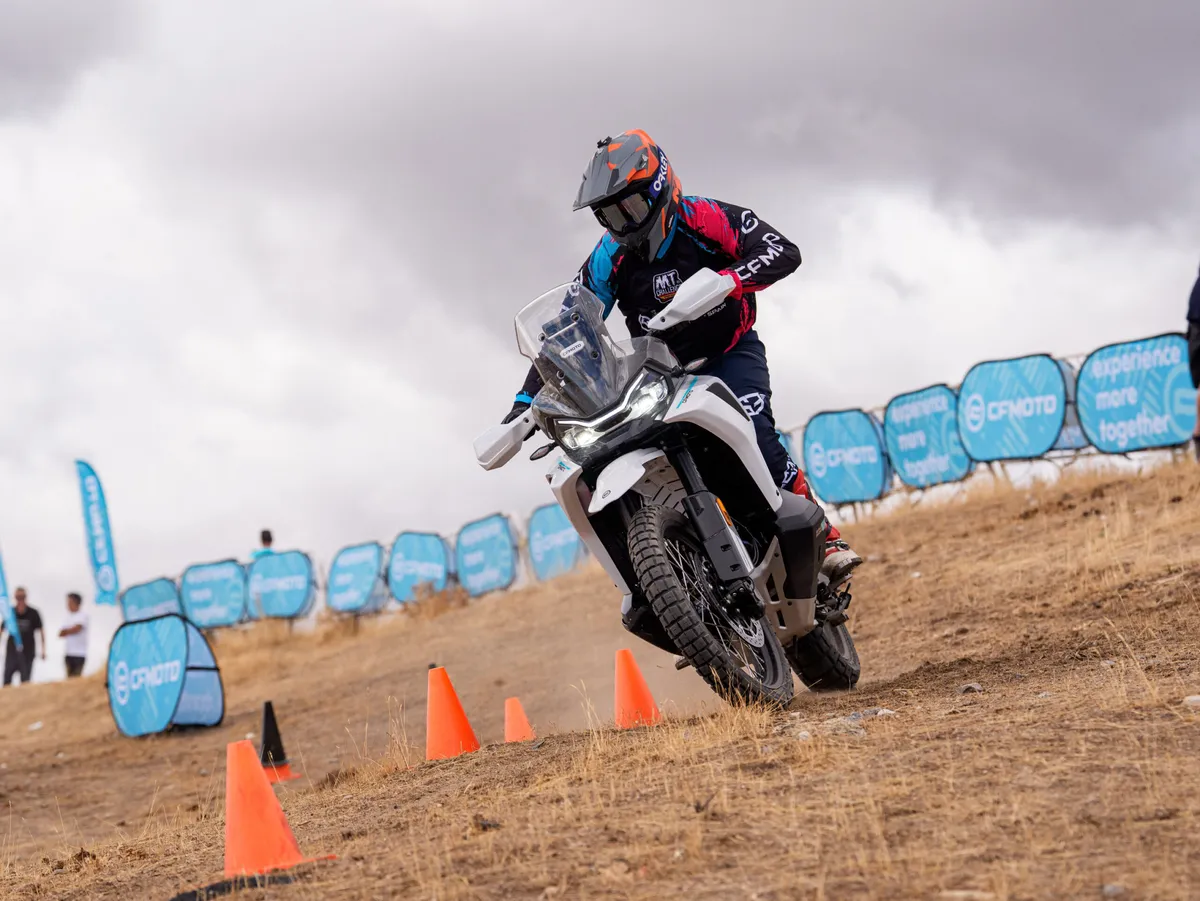
Spanyol tertinggal 30 poin dari Guatemala di CFMOTO MT Challenge 2026 Huelva. Tiga tes tersisa dan 185 km akan menentukan juara.
 Lanjutkan dengan Google
Diskusi & Komentar (0)
Mari Bergabung dalam Diskusi!
Masuk dengan mudah untuk mulai memberikan komentar, membalas, dan berinteraksi dengan pembaca lainnya.
Komentar Terbaru
Belum ada komentar. Jadilah yang pertama!