







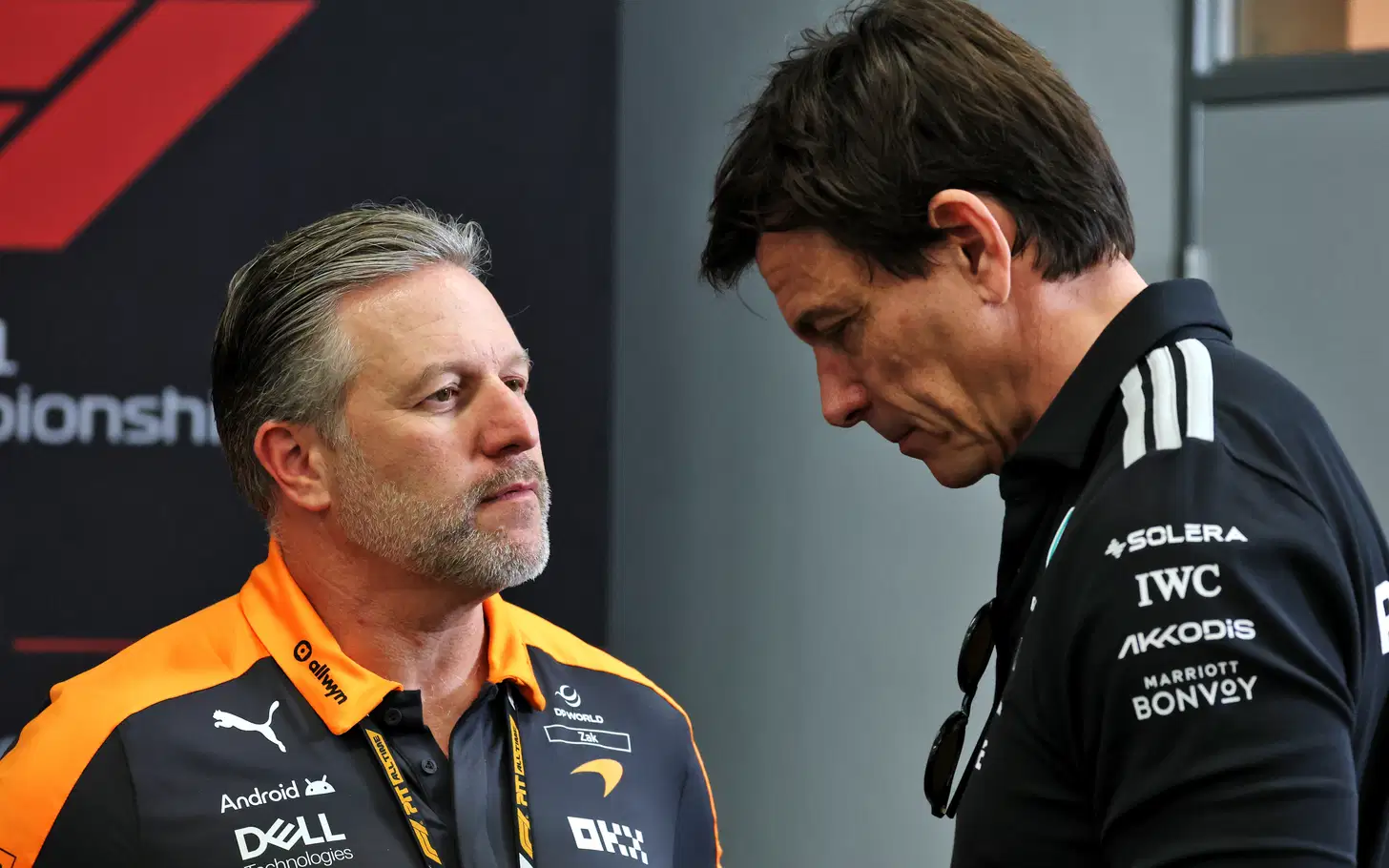

Formula 1, Sportrik Media - Zak Brown, CEO of McLaren Racing, has stated that co-ownership structures in Formula 1 pose a significant risk to competitive integrity, referencing scenarios that include links between Mercedes-AMG Petronas Formula One Team and Alpine F1 Team.
Brown’s position comes amid increasing complexity in team ownership models across the grid. While Mercedes currently supplies power units to both McLaren and Alpine, it has also been identified as one of several parties potentially interested in acquiring a minority stake in Alpine. This evolution from technical partnership to possible equity involvement is, in Brown’s view, where structural risks begin to emerge.
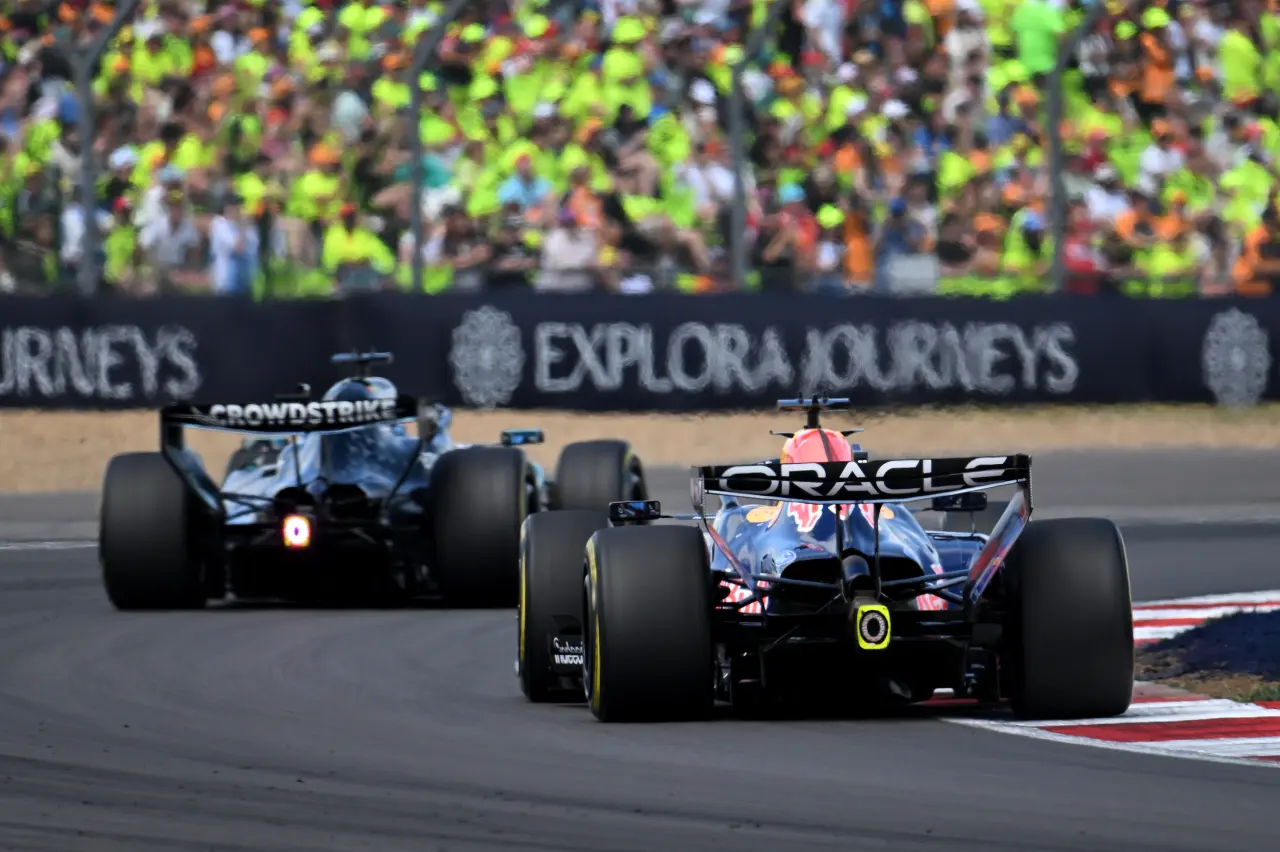
He argued that the acceptable boundary of collaboration between teams should remain limited to engine supply agreements, without extending into shared ownership or operational influence. Brown pointed to the dual-team structure of Red Bull Racing and Racing Bulls as the most visible example of the issue.
“It applies to anybody and everybody. A/B teams, co-ownership—I frown upon it,” Brown said.
“I don’t think it’s healthy for the sport. It’s not personal or directed at any one team or individual.”
From a governance perspective, Brown’s concern centres on the potential erosion of sporting fairness. Co-ownership or closely aligned team structures could create avenues for shared data, coordinated strategies, or indirect influence over competitive outcomes, challenging the principle of independent competition.
He revealed that the topic was extensively discussed during the latest Concord Agreement negotiations involving the FIA, Formula 1, and its teams. Brown also confirmed that he had formally raised concerns with regulators, contributing to increased scrutiny around such arrangements.
“It was a big discussion in the last Concord Agreement. I wrote to the FIA and Formula 1 last year because we see situations that need to be flagged,” he explained.
“I think there is now a higher level of awareness and monitoring by the FIA.”
Despite referencing Red Bull’s structure, Brown clarified that his comments were not aimed at individuals, including team principal Laurent Mekies. He noted that dialogue between teams remains open and constructive, with a shared understanding of regulatory boundaries.
“I’m not picking on anyone in particular,” Brown added.
At the same time, he acknowledged the historical contribution of multi-team ownership models to the sport’s growth. However, he cautioned against expanding such frameworks further, warning that doing so could amplify competitive imbalances.
From a broader strategic standpoint, the issue reflects Formula 1’s transition into a more complex commercial ecosystem, where external investment and diversified ownership structures are increasingly common. Brown’s stance highlights the tension between commercial expansion and the preservation of sporting integrity.
As discussions continue around potential investments in teams like Alpine and the existing structures within Red Bull’s organisation, regulatory oversight will play a critical role. How governing bodies manage these dynamics will be decisive in maintaining competitive fairness as Formula 1 evolves into its next phase.
Baca Juga
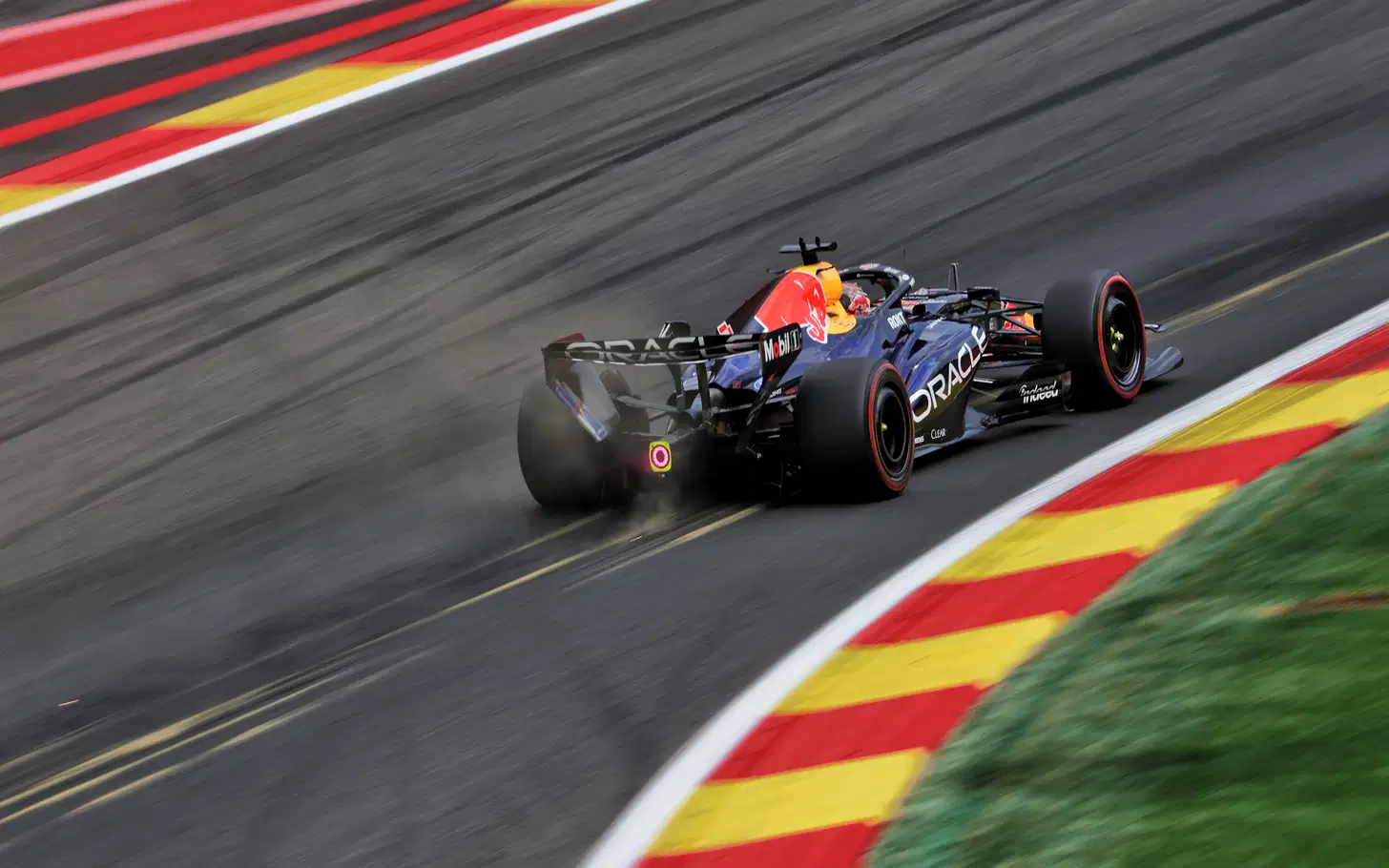
Red Bull menyiapkan perbaikan sayap belakang bermasalah milik Max Verstappen untuk Grand Prix Hungaria 2026 setelah kembali memakai desain lama di Belgia.
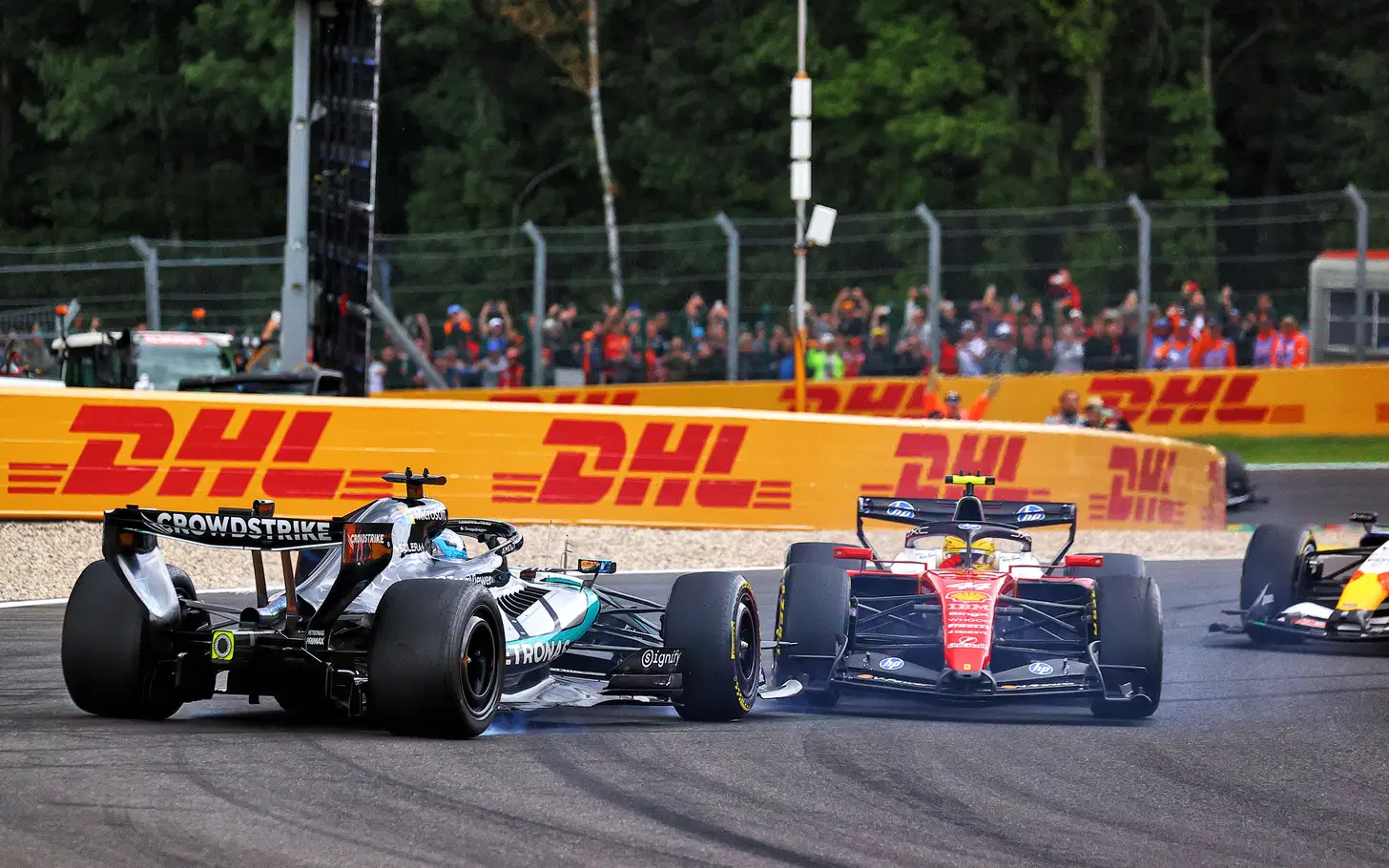
Lewis Hamilton menyebut crash FP3 memicu efek berantai hingga tabrakan dengan George Russell dan penalti di Grand Prix Belgia 2026.
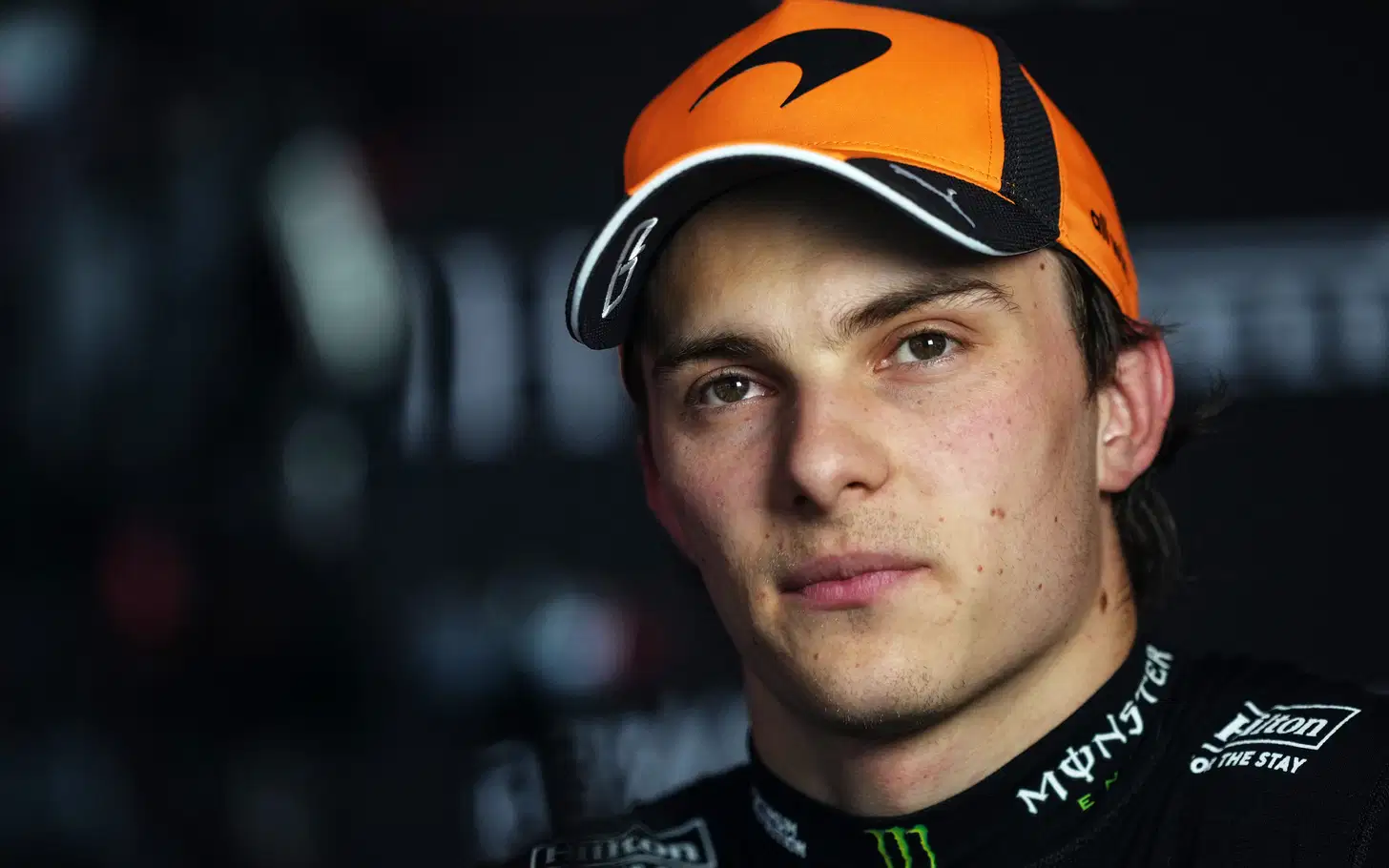
Oscar Piastri mengkritik kompleksitas mesin Formula 1 2026 setelah masalah baterai George Russell memengaruhi kualifikasi dan balapan di Belgia.
 Lanjutkan dengan Google
Diskusi & Komentar (0)
Mari Bergabung dalam Diskusi!
Masuk dengan mudah untuk mulai memberikan komentar, membalas, dan berinteraksi dengan pembaca lainnya.
Komentar Terbaru
Belum ada komentar. Jadilah yang pertama!