






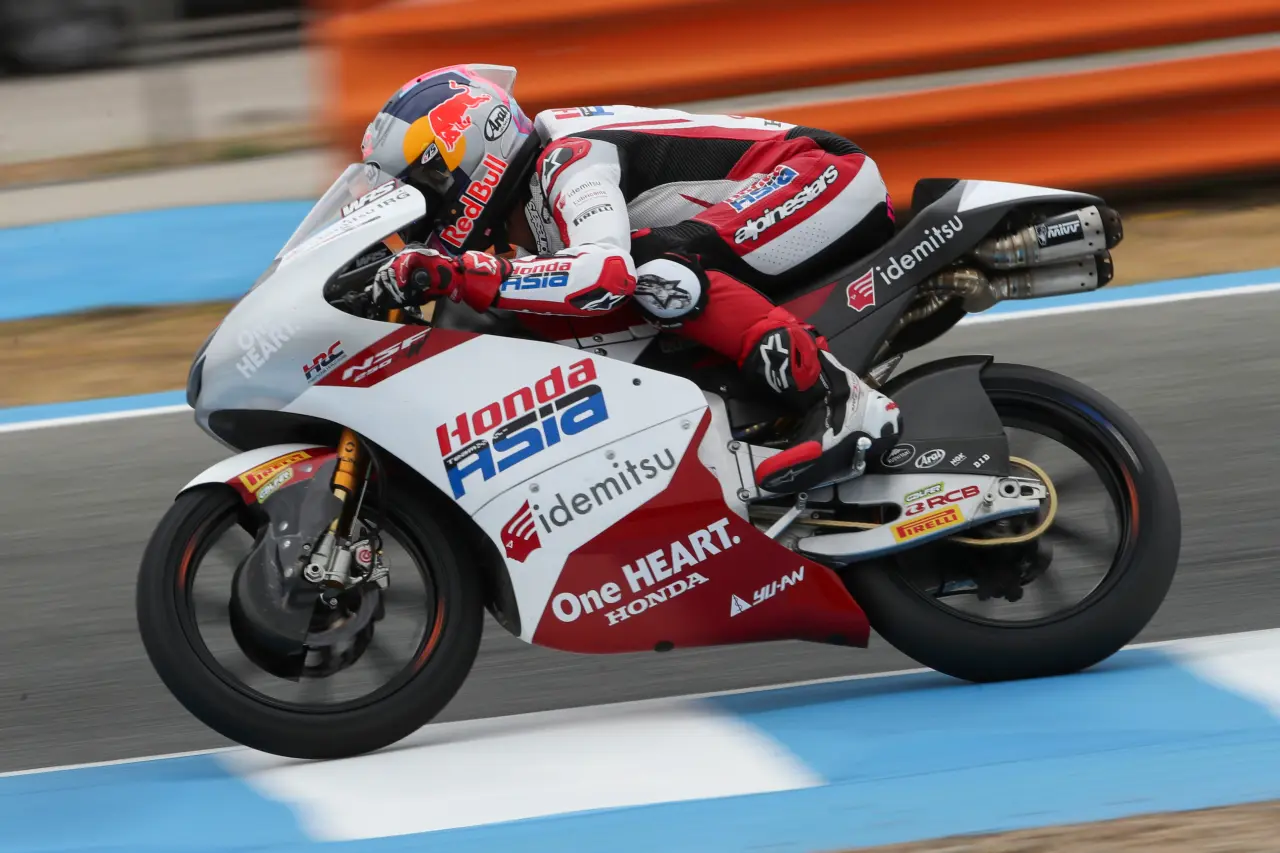

Veda Ega Pratama emerged as one of the most consistent riders in the wet conditions during the 2026 French Moto3 Grand Prix at Le Mans. The Honda Team Asia rider recovered from outside the top 10 to finish fourth while several rivals crashed on the slippery Bugatti Circuit.
Veda’s performance at Le Mans was not simply the result of benefiting from incidents ahead. Throughout the race, the Indonesian rider demonstrated significant improvement in grip management, racing line selection, and risk control in extremely difficult wet-weather conditions.
On the opening lap, Veda lost several positions after a conservative start dropped him to 14th place. However, that cautious approach ultimately became an important foundation for building race rhythm while many riders around him struggled to maintain control during the early stages.
Wet conditions at Le Mans created a major challenge for Moto3 riders because of the category’s strong dependence on corner speed and momentum. In low-grip conditions, even small mistakes under braking or throttle application can immediately trigger highsides or front-end crashes.
Veda appeared able to avoid those traps by maintaining smoother throttle inputs on corner exits. He also looked more patient on corner entry compared to several rivals who attacked too aggressively on the wet racing line.
The most noticeable improvement came through Veda’s ability to read changing grip levels across different sectors of the circuit. Le Mans featured a combination of heavily wet sections and areas that were gradually drying, making racing line selection extremely important.
While several riders began losing rhythm because of inconsistent grip conditions, Veda managed to maintain stable lap times. That consistency became one of the main reasons he gradually returned to the leading group without taking excessive risks.
Honda Team Asia’s race approach also appeared more controlled compared to earlier rounds this season. Veda’s Honda showed improved braking stability in wet conditions, particularly through the stop-and-go sectors that define much of the Le Mans layout.
Beyond the technical factors, Veda’s racing mentality also showed clear development. Earlier in the season, he often relied heavily on aggression during Moto3 group battles. At Le Mans, however, he adopted a calmer and more efficient approach, waiting for the right opportunities while capitalising on mistakes from rivals.
That was especially visible when several front-running riders, including Joel Kelso and Alvaro Carpe, crashed out of contention. Instead of forcing himself into unnecessary risks, Veda remained focused on maintaining rhythm and preserving tyre performance until the end of the race.
The Le Mans performance now stands as one of the strongest indicators of Veda’s development throughout the 2026 Moto3 season. His ability to manage a wet race is beginning to show qualities typically associated with front-running Moto3 riders.
If this level of progress continues, particularly in race pace management and decision-making under difficult conditions, Veda could become a much more serious contender for a top-five position in the world championship standings later this season.
Baca Juga
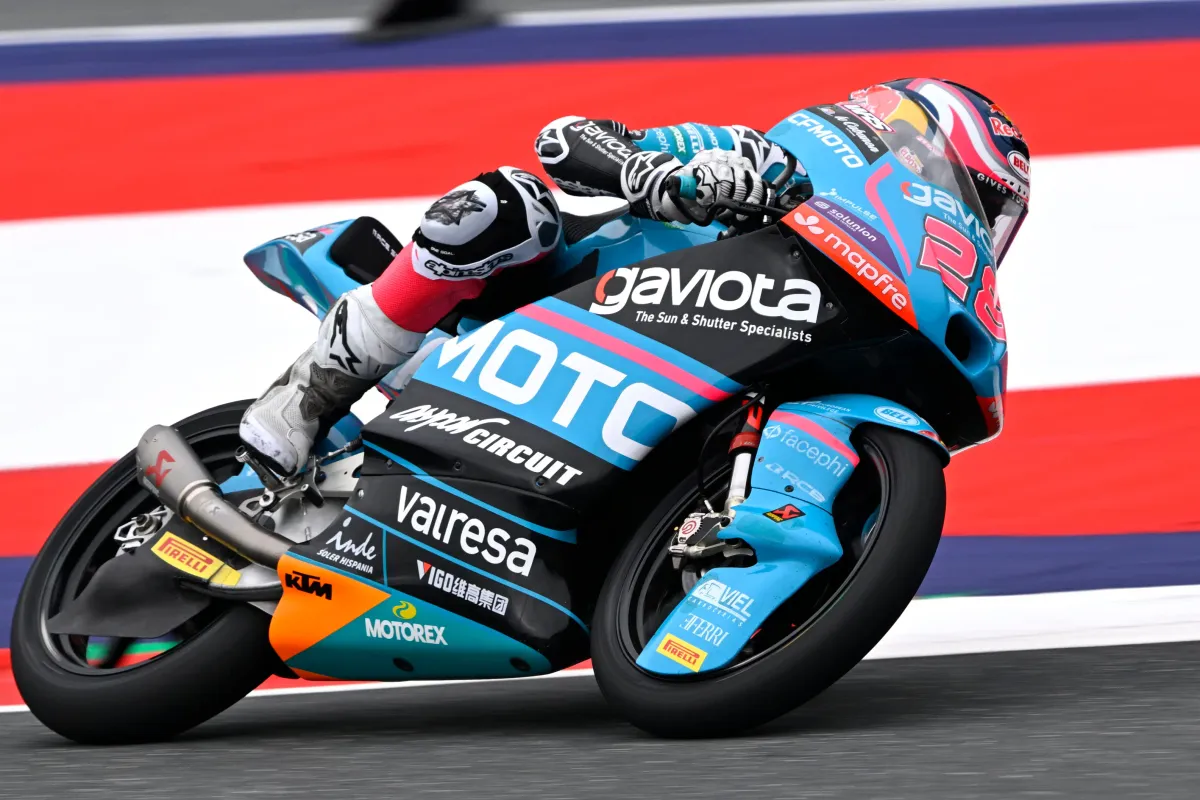
Marco Morelli masih memimpin klasemen Moto3 2026 usai Austria GP dengan 174 poin, unggul 28 poin atas Valentin Perrone. Hakim Danish dan Veda Pratama membayangi.
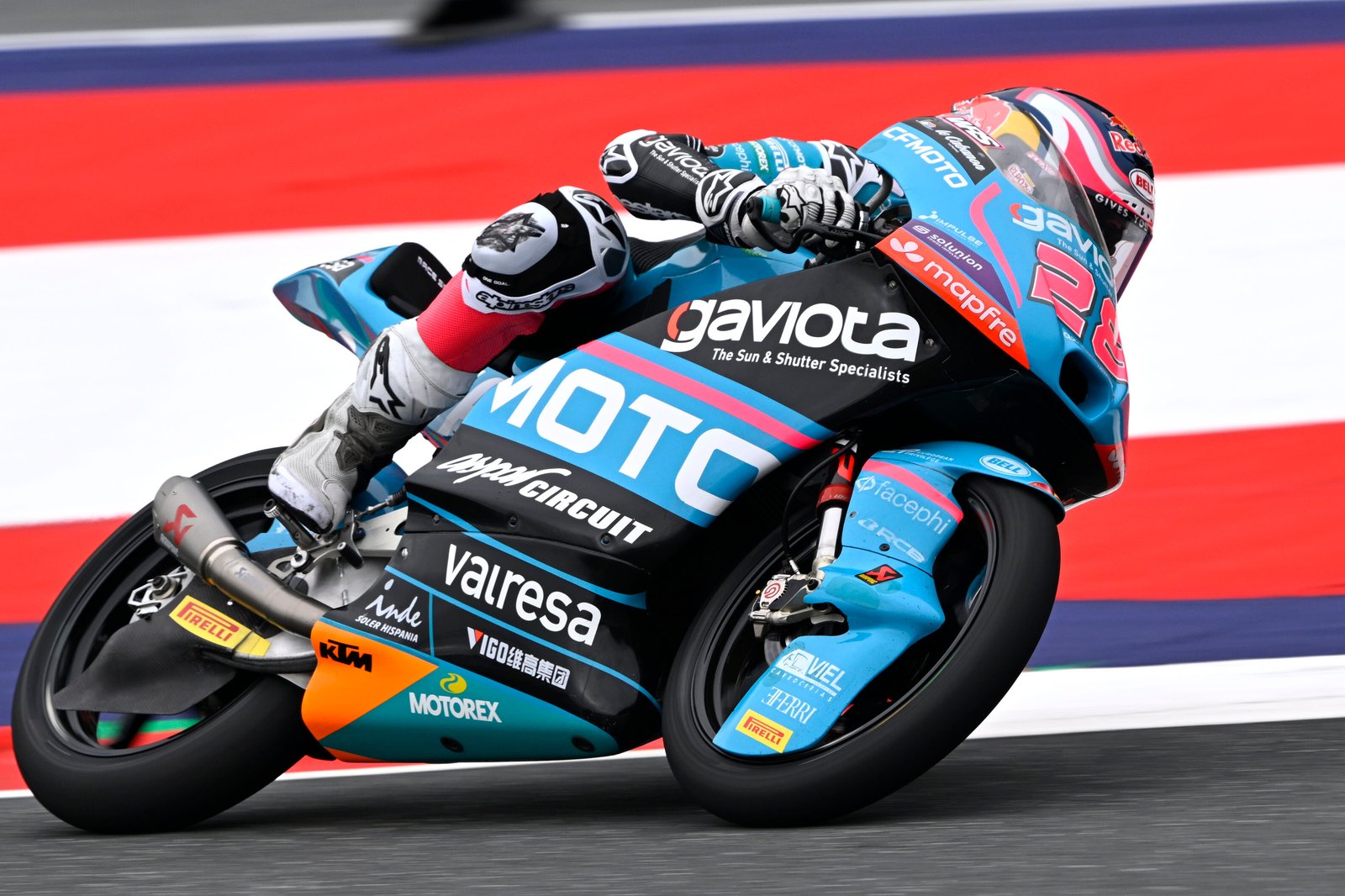
Maximo Quiles memenangkan Moto3 Austria 2026 di Red Bull Ring, kemenangan ketiganya berturut-turut, dan kini selangkah lagi meraih gelar dunia di Jepang.
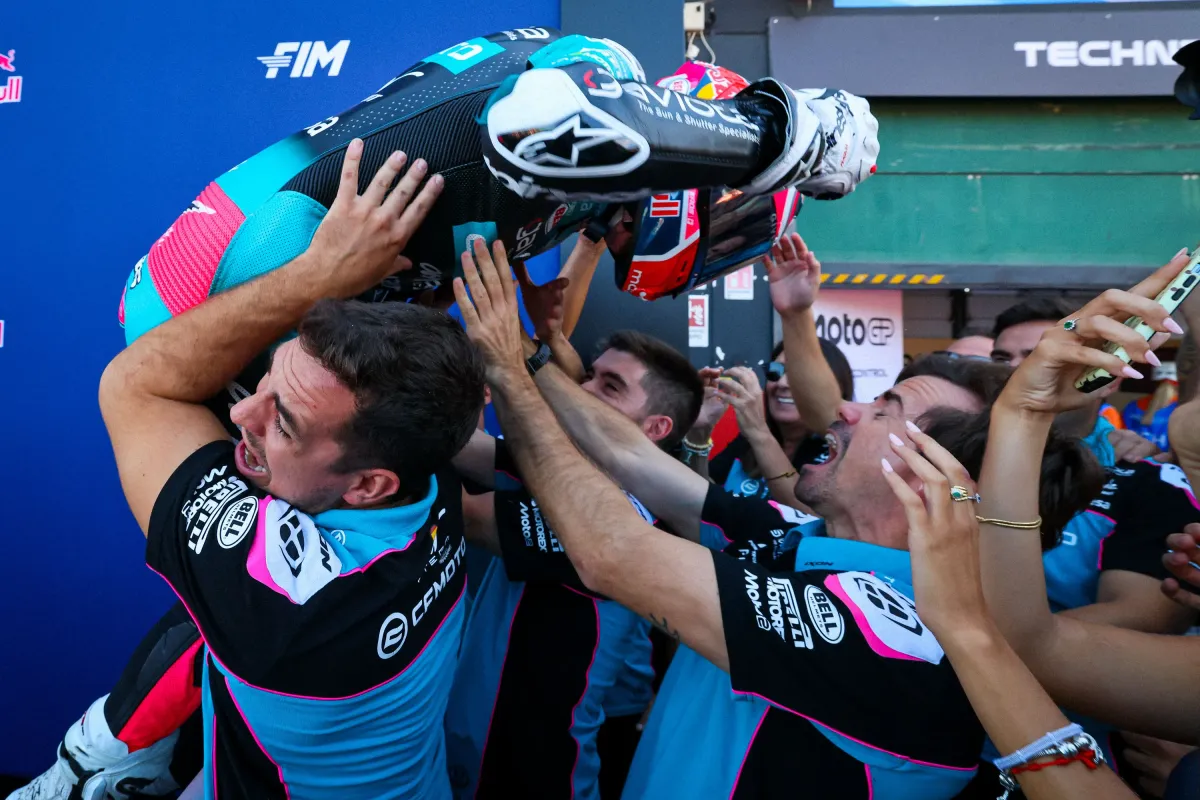
Maximo Quiles juara Moto3 Austria 2026, Veda Pratama finis ke-13 dan raih 3 poin. Simak hasil lengkap dan dampaknya ke klasemen.
 Lanjutkan dengan Google
Diskusi & Komentar (0)
Mari Bergabung dalam Diskusi!
Masuk dengan mudah untuk mulai memberikan komentar, membalas, dan berinteraksi dengan pembaca lainnya.
Komentar Terbaru
Belum ada komentar. Jadilah yang pertama!