







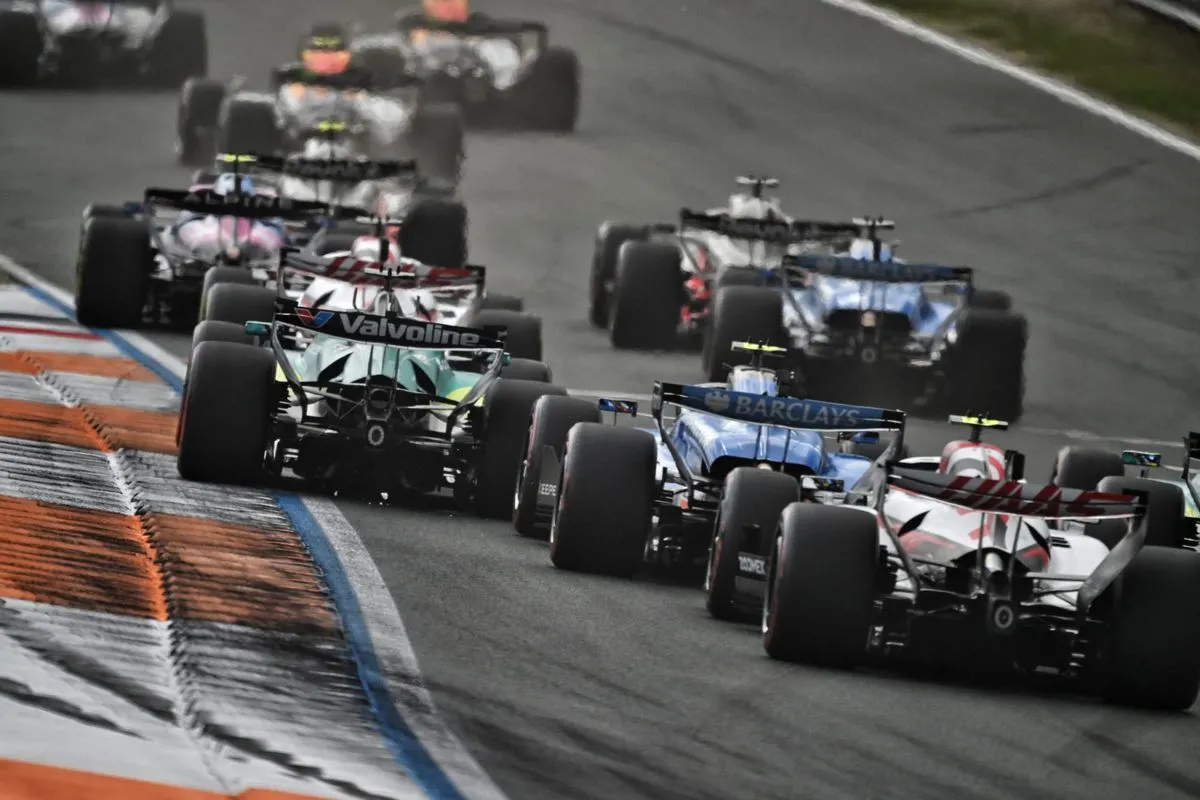

The seemingly simple question of who actually owns each Formula 1 team turns out to be far more complex than imagined. Behind the big names in the paddock lie layered ownership structures involving billionaires, institutional investors, and even sovereign wealth funds. To understand the power dynamics on today's grid, we need to dissect who truly holds the reins.
Three Reasons People Want to Own an F1 Team
There are at least three main motives driving individuals or entities to own a stake in an F1 team. First, simply wanting to go racing—as in the era of Frank Williams, Colin Chapman, or Ken Tyrrell. Second, using racing as a tool to drive other businesses, like Benetton and Red Bull. Third, believing that the team itself will generate money, represented by the influx of institutional investors such as Arctos and Otro. These reasons can overlap, but the shift is clear.
Haas: The Last Sole Owner-Operator
Among all teams, Haas is the simplest example. Gene Haas still holds 100% ownership and runs the team as a sole operator. Interestingly, Haas is also the only team operating below the cost cap. This correlation may not be coincidental, as without pressure from external investors, Haas can manage spending more freely.
Aston Martin: Lawrence Stroll Controls Without Majority
Far different from Haas, Aston Martin has a highly complex ownership structure. Lawrence Stroll does control the team, but Aston Martin Lagonda—the road car company whose name adorns the team—does not own the F1 team. The F1 business sits under AMR GP Holdings Limited. According to PlanetF1's analysis, Stroll-related interests account for only about a third of the team's economic ownership. However, Stroll doesn't need a majority stake to maintain full control. This shows how sophisticated corporate engineering has become in modern F1.
Such structures explain why a team's strategic decisions sometimes feel different from public expectations. With other investors, including Adrian Newey who holds shares, internal dynamics become richer. But ultimately, Stroll remains the key decision-maker. This is also reflected in the team's aggressive push towards the front of the grid.
Cadillac and the Ongoing Ownership Mystery
The Cadillac ownership story remains a puzzle yet to be fully solved. The team set to join in 2026 is rumored to have an ownership structure involving several parties, including major investors. Official information is still limited, but one thing is clear: Cadillac will be the latest example of how big capital and racing ambition can meet. We'll just have to wait for further developments.
Why Ownership Structure Matters to Fans
Understanding who owns a team isn't just a business matter. Ownership structure influences team culture, decision-making, and even on-track performance. When a team is owned by a company looking to sell products, priorities may differ from a team owned by investors chasing financial returns. That's why, in an era where team valuations are soaring, the question of 'who owns it' becomes increasingly relevant. Today's F1 grid is a mosaic of ownership models, and each model brings its own unique consequences.
Baca Juga
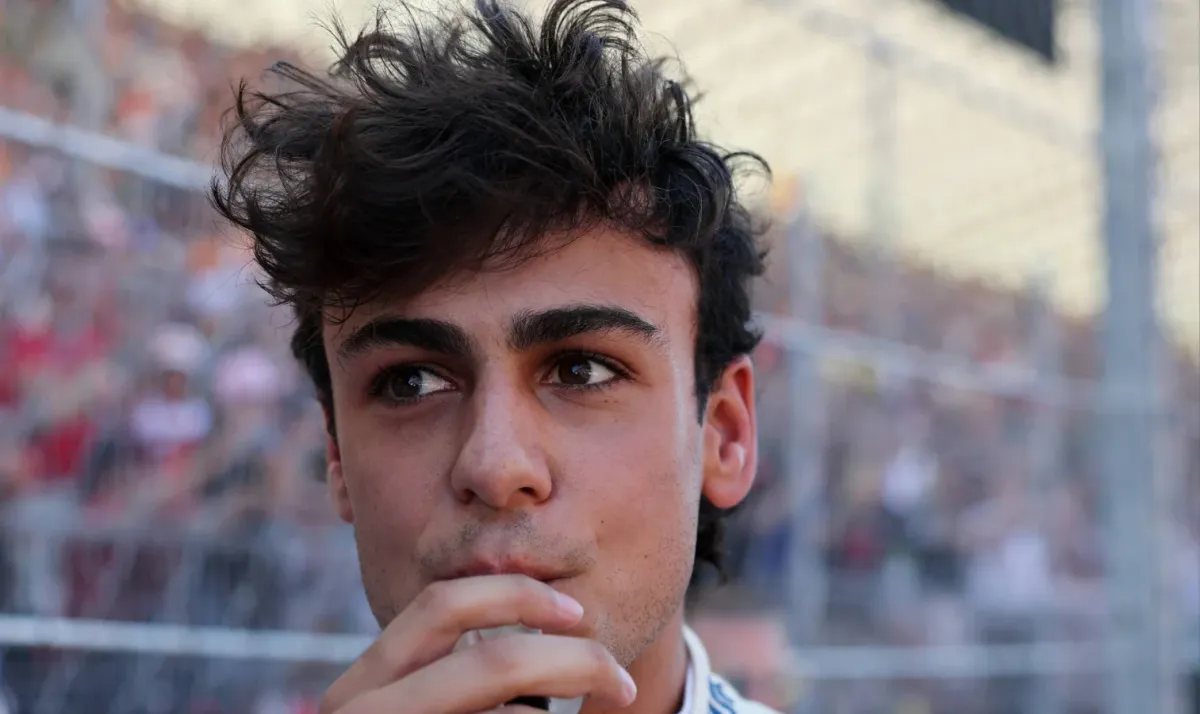
Arvid Lindblad mengaku kehilangan kepercayaan diri usai crash FP3 GP Spanyol, namun bangkit finis kesembilan di Madrid dan tetap optimis hadapi sisa musim 2026.
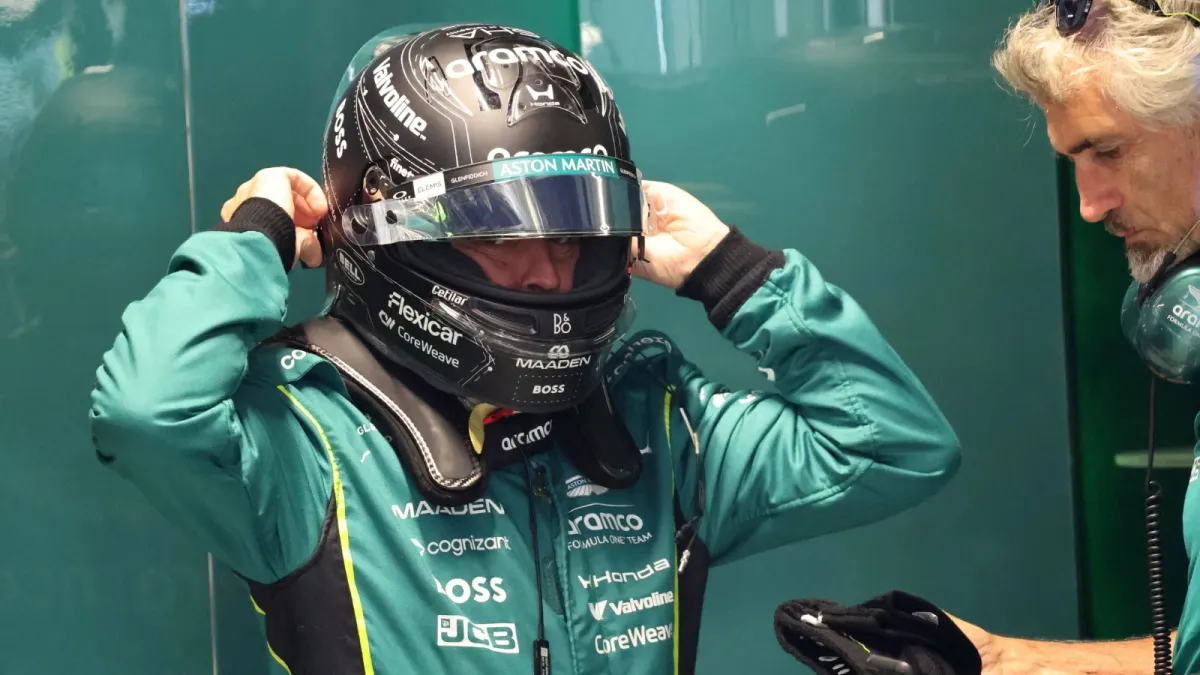
Fernando Alonso mengaku bangga dengan warisan F1 di Spanyol, lebih dari gelar juara. Baca kisahnya mengubah popularitas F1 di Spanyol.
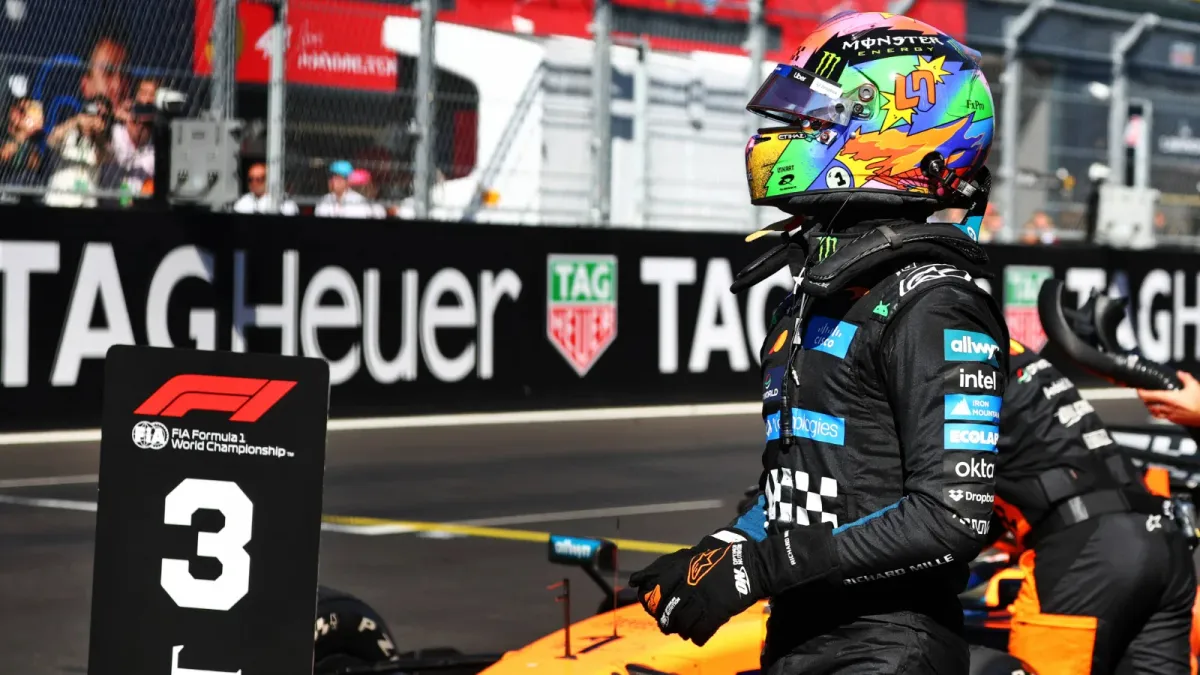
Andrea Stella puji pole position Lando Norris di GP Spanyol sebagai salah satu lap terbaik. Norris finis ketiga setelah VSC merusak peluangnya.
 Lanjutkan dengan Google
Diskusi & Komentar (0)
Mari Bergabung dalam Diskusi!
Masuk dengan mudah untuk mulai memberikan komentar, membalas, dan berinteraksi dengan pembaca lainnya.
Komentar Terbaru
Belum ada komentar. Jadilah yang pertama!