







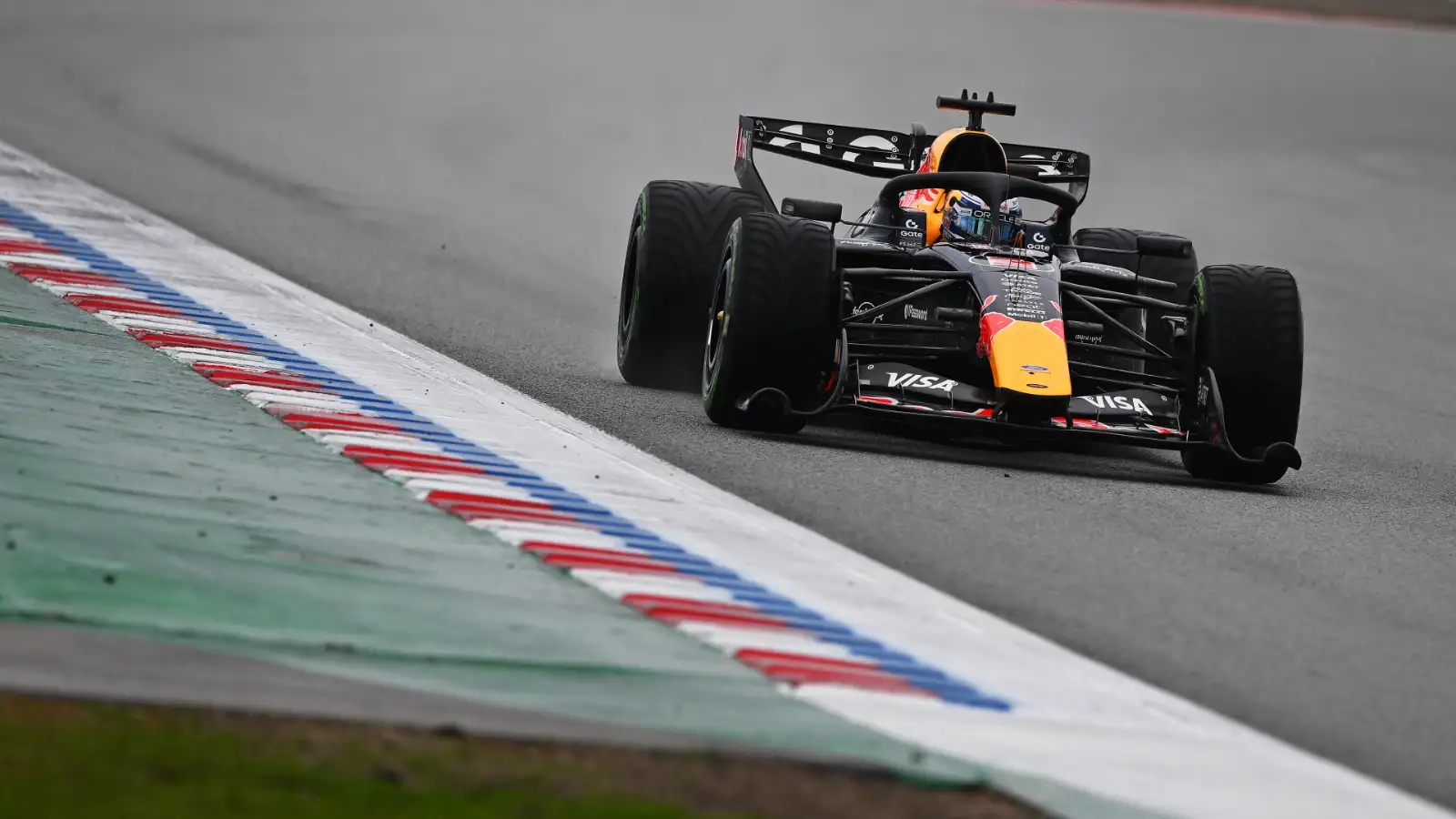

Formula 1, Sportrik Media - Max Verstappen has been identified as the driver best equipped to master Formula 1’s highly complex 2026 technical regulations, which are widely regarded as the most significant overhaul in the championship’s history. The assessment comes from former Formula 1 driver Riccardo Patrese, who highlighted the unprecedented demands placed on drivers by the new power unit rules.
The 2026 regulations introduce a fundamental shift in Formula 1 technology, most notably through a 50–50 split between electrical power and internal combustion. This change has transformed how cars are driven and managed, placing far greater emphasis on real-time energy deployment and recovery throughout a lap.
With electrical power playing a central role, drivers are now required to actively manage multiple performance modes via the steering wheel. Features such as boost mode and overtake mode form a core part of race strategy, significantly increasing driver workload and technical involvement during both qualifying and race conditions.

Patrese believes this level of complexity plays directly to Verstappen’s strengths. The Red Bull Racing driver is known for his extensive simulator work and his ability to handle intricate steering wheel controls, traits Patrese considers essential under the new regulations.
“Max Verstappen is for sure best suited to adapt to the new regulations,” Patrese said. “He is at home in this environment. He is always in the simulator; he works very well with all the buttons.”
Patrese was careful to note that Verstappen is not alone in this regard, pointing out that modern drivers are generally well-versed in complex control systems. However, he stressed that success will depend on the quality of collaboration between drivers and engineers in defining when and how these systems should be used.
“He is not the only one, though. All the new generation of drivers know how to do this,” Patrese added. “The team then has to tell them how to use these buttons, because I think in a lap, from what I understand, there are many things that are going to happen.”
Patrese outlined the challenge drivers will face across a single lap, with rapid transitions between full power, electrical deployment, and phases where only the internal combustion engine is active. Managing these shifts accurately, while also racing wheel-to-wheel, represents a new level of complexity in Formula 1 driving.
“There will be full power, then the electric goes away, and then only the thermic stays,” he explained. “One thing is for sure: if we thought that Formula 1 for a normal person was complicated to understand, now it’s doubly more complicated.”
The former Grand Prix winner also voiced concern about accessibility for fans, admitting he is not entirely comfortable with the direction of the regulations. In his view, the increased technical complexity risks making the sport harder to follow for casual audiences.
“I don’t like it all, because sometimes for a normal person it’s impossible to understand what’s going on,” Patrese said.
From a competitive standpoint, however, the new rules are expected to elevate the importance of driver intelligence and adaptability. Energy management, timing, and strategic execution could become decisive factors, particularly as teams and drivers continue to learn how best to exploit the regulations.
Within that framework, Verstappen is widely regarded as having a structural advantage. His experience, technical feedback, and proven adaptability under changing regulations place him in a strong position as Formula 1 enters a new era.
As teams prepare for the 2026 season, the ability to simplify complexity into performance will likely separate championship contenders from the rest. According to Patrese, Verstappen’s skill set makes him the benchmark against which others will be measured in navigating Formula 1’s most intricate regulations to date.
Baca Juga
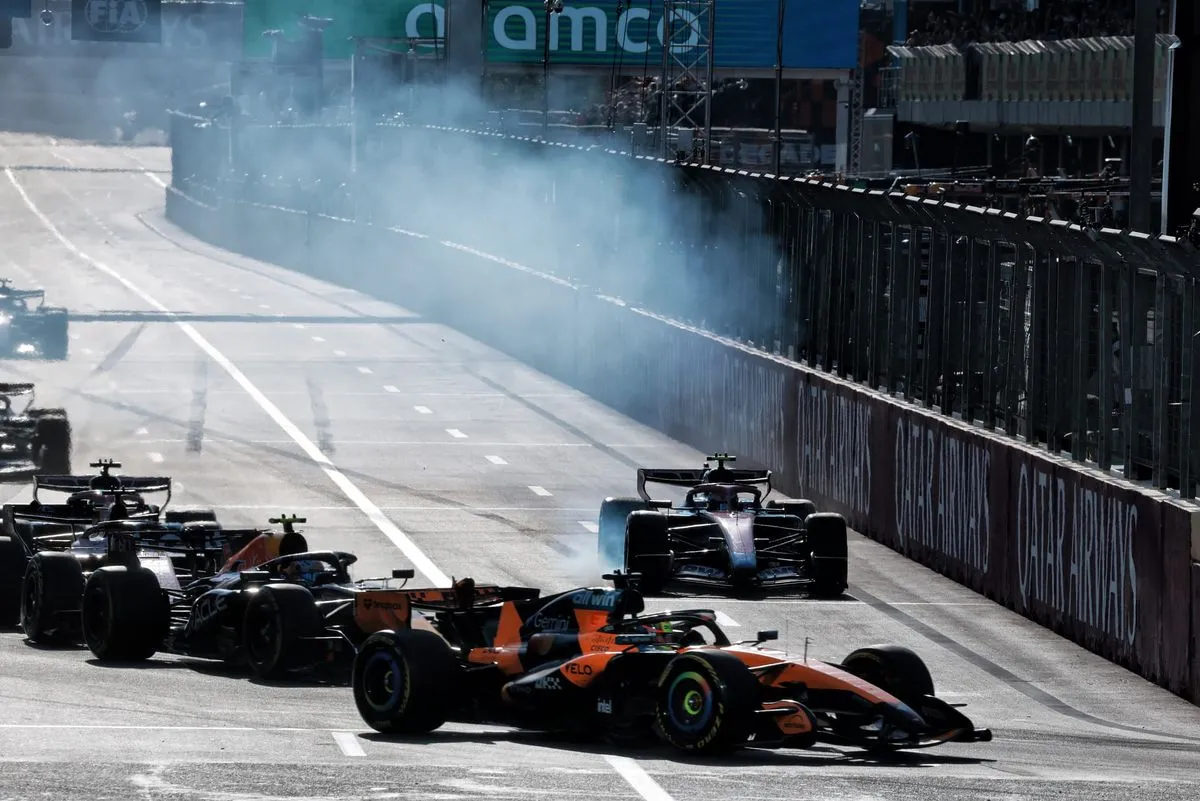
Insiden Franco Colapinto di GP Azerbaijan 2026 menyoroti titik buta sistem poin penalti F1. Tanpa poin penalti, apakah hukuman grid sudah cukup?
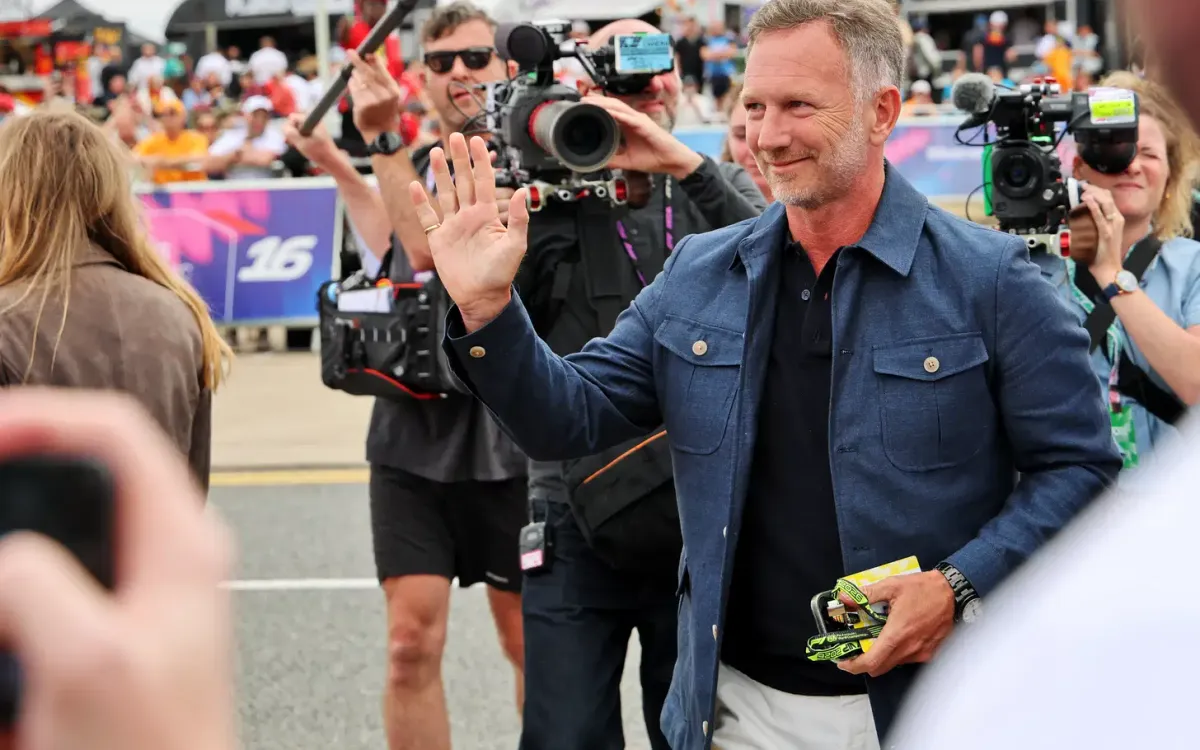
Christian Horner blak-blakan soal kepergiannya dari Red Bull. Ia sebut tim telah kehilangan 'vibe' dan identitas sejak ditinggalkan. Simak pernyataan lengkapnya.
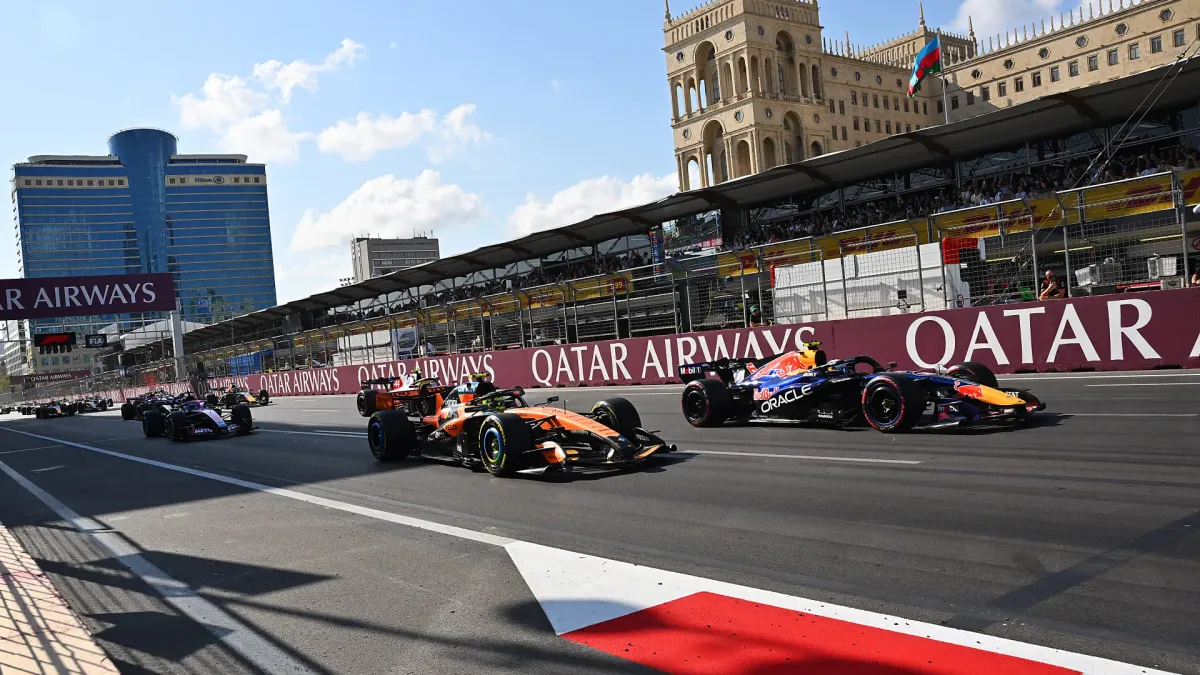
Klasemen F1 2026: Kimi Antonelli memimpin dengan 302 poin, disusul George Russell dan Lewis Hamilton. Simak update lengkapnya di sini.
 Lanjutkan dengan Google
Diskusi & Komentar (0)
Mari Bergabung dalam Diskusi!
Masuk dengan mudah untuk mulai memberikan komentar, membalas, dan berinteraksi dengan pembaca lainnya.
Komentar Terbaru
Belum ada komentar. Jadilah yang pertama!