








Max Verstappen has disclosed that the engine problem he encountered during qualifying for the Azerbaijan Grand Prix was not an electrical deployment issue as it initially seemed, but rather a failure of the internal combustion engine (ICE). The Red Bull Racing driver explained that the issue cost him at least half a second per lap compared to his teammate, and it worsened dramatically in Q2 and Q3.
After setting the fastest time in final practice and feeling positive about the upgrades, Verstappen hoped to pull off a surprise in Baku. However, the engine problem threw a spanner in the works. Speaking to a small group of Dutch media in the Baku paddock, he clarified what was actually going on. "Throughout qualifying, already from Q1, I had a problem with the engine, which meant I was losing at least half a second compared to my team-mate. And it only got worse. In Q2 and Q3 it was a complete disaster, so I think we clearly have a problem with the engine."
When asked by Autosport, Verstappen clarified that the problem was initially not about deployment – as it perhaps seemed – but rather the internal combustion engine. "No, not on the electrical side. In Q1, we immediately saw a problem. Of course, at that point you still think, 'What could it be? Is the engine too cold or actually too hot?' All of that is possible, because it is all very sensitive nowadays. But later it became clear that we really did have a problem with the ICE. It only got worse and in Q3 that engine was no longer working properly at all."
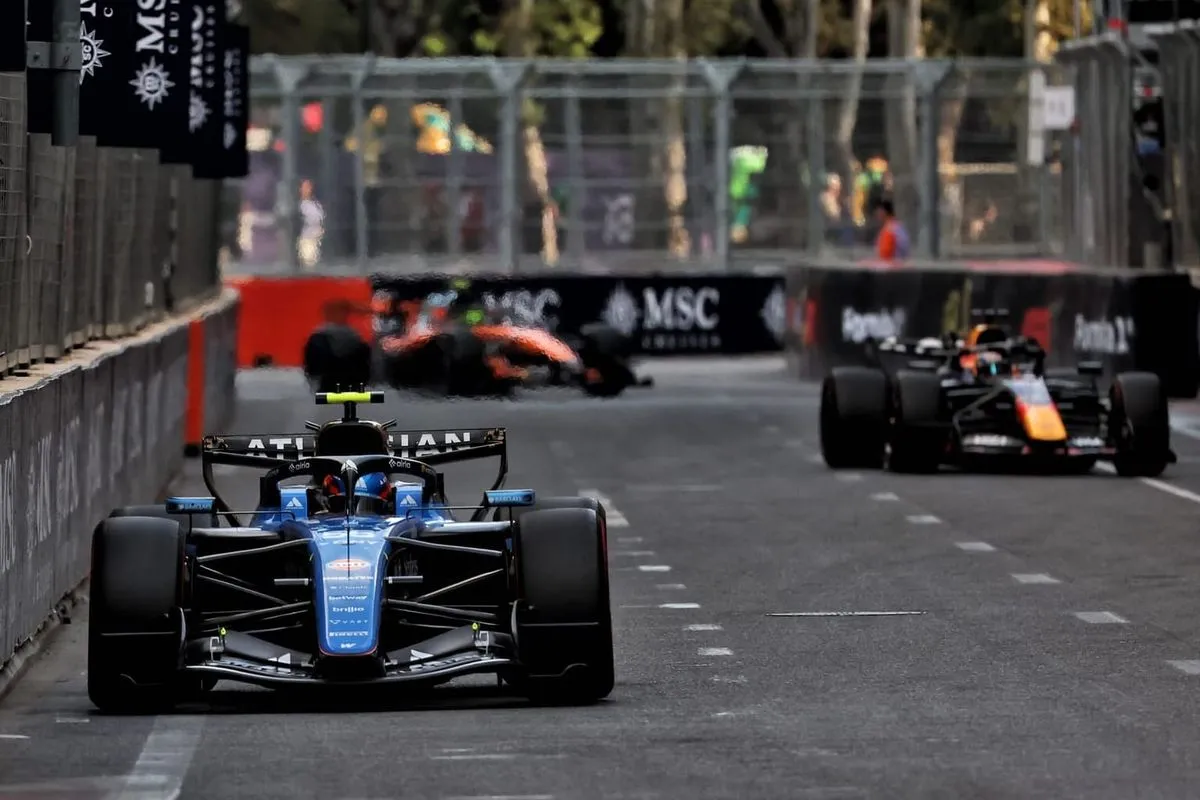
That problem with the combustion engine subsequently caused numerous other issues, leaving Verstappen going from one problem to another on Friday afternoon. "The top speed just became less and less. On that second lap in Q3, my battery wasn’t charging either, but that was obviously because the combustion engine had a problem. That causes a lot of misfires and a lot of other problems, and it confuses the system completely."
The latter was clearly visible in the onboard footage. Between Turns 15 and 16, Verstappen’s head suddenly jolted forward, whereas this would normally be a straightforward flat-out section. "Yeah, because my battery switched off there," the Dutchman explained. "Because you’re so slow on the straights, you obviously use more battery coming out of the corners to try to compensate for that. As a result, you go into super clipping in some places, and that clip is quite aggressive."
Besides the engine problems themselves, this also disrupted the run plan. Verstappen had to abort his second flying lap – or what should have been his second flying lap. Nevertheless, he insisted that he will not receive a grid penalty in the event of an engine change. This statement provides some relief for the team, who are still in the championship hunt.
This incident is a blow for Red Bull Racing as they struggle to keep up with their rivals. Engine reliability becomes a crucial factor in the remainder of the season, especially with circuits that demand high performance. Verstappen and the team must find a solution quickly before the next race if they want to remain competitive.

Baca Juga
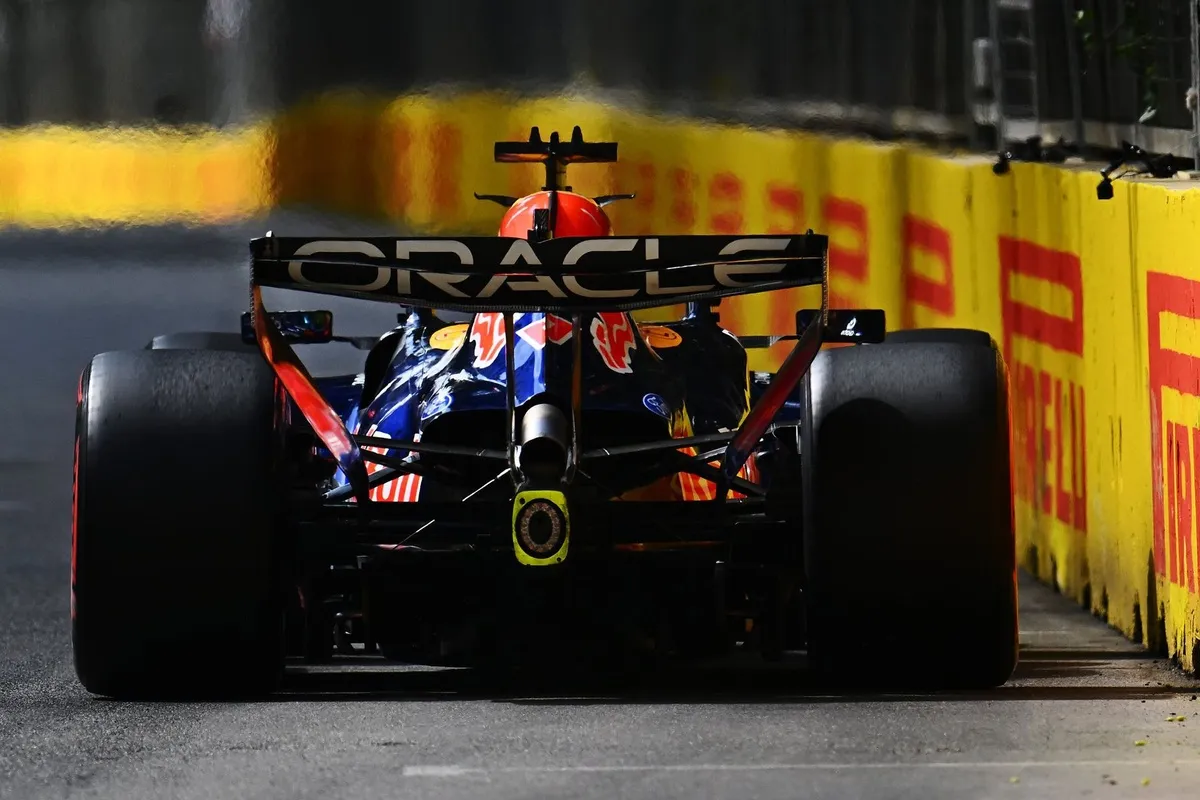
Max Verstappen mengungkap masalah internal combustion engine (ICE) yang membuatnya kehilangan setengah detik di kualifikasi GP Azerbaijan. Simak penyebab dan dampaknya.
Max Verstappen mengungkap masalah mesin ICE yang membuatnya kehilangan setengah detik di kualifikasi F1 Baku. Red Bull harus segera mencari solusi.
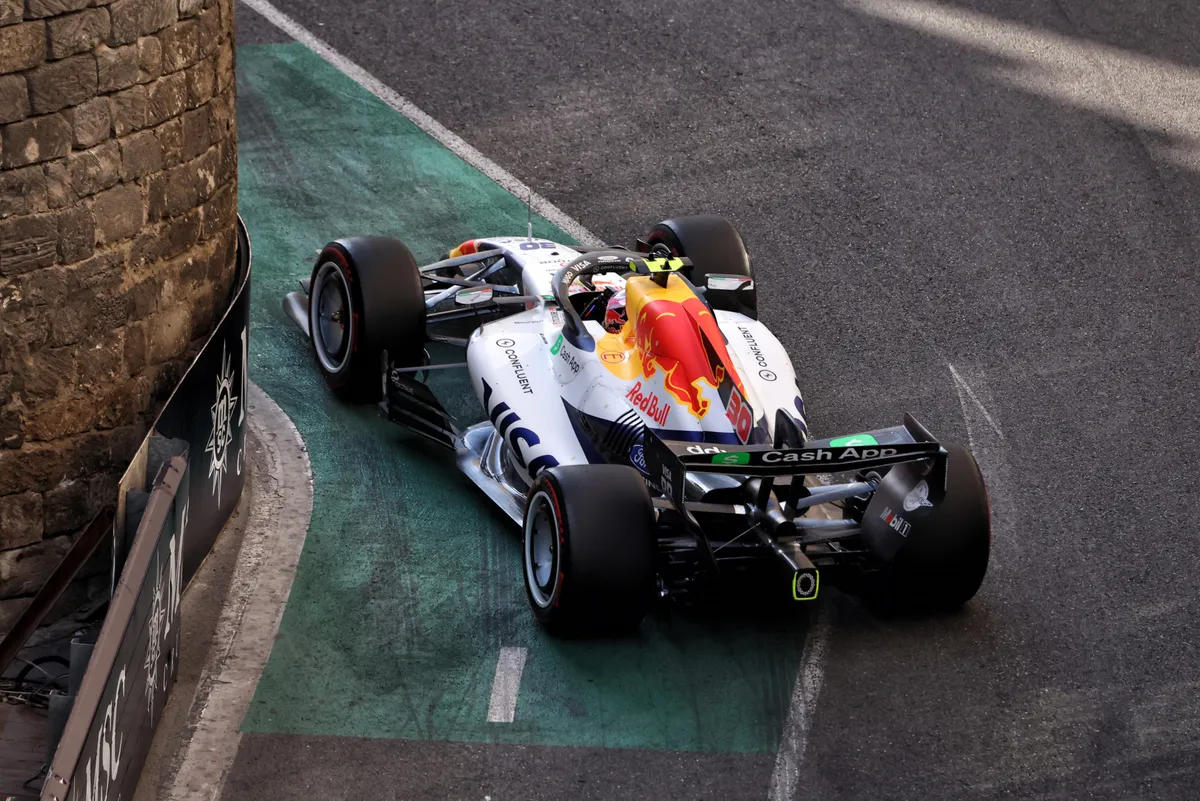
Liam Lawson frustrasi gagal ke Q3 di Baku, start ke-12. Racing Bulls kesulitan, sementara Alpine dan Hadjar tampil impresif di kualifikasi Azerbaijan.
 Lanjutkan dengan Google
Diskusi & Komentar (0)
Mari Bergabung dalam Diskusi!
Masuk dengan mudah untuk mulai memberikan komentar, membalas, dan berinteraksi dengan pembaca lainnya.
Komentar Terbaru
Belum ada komentar. Jadilah yang pertama!