








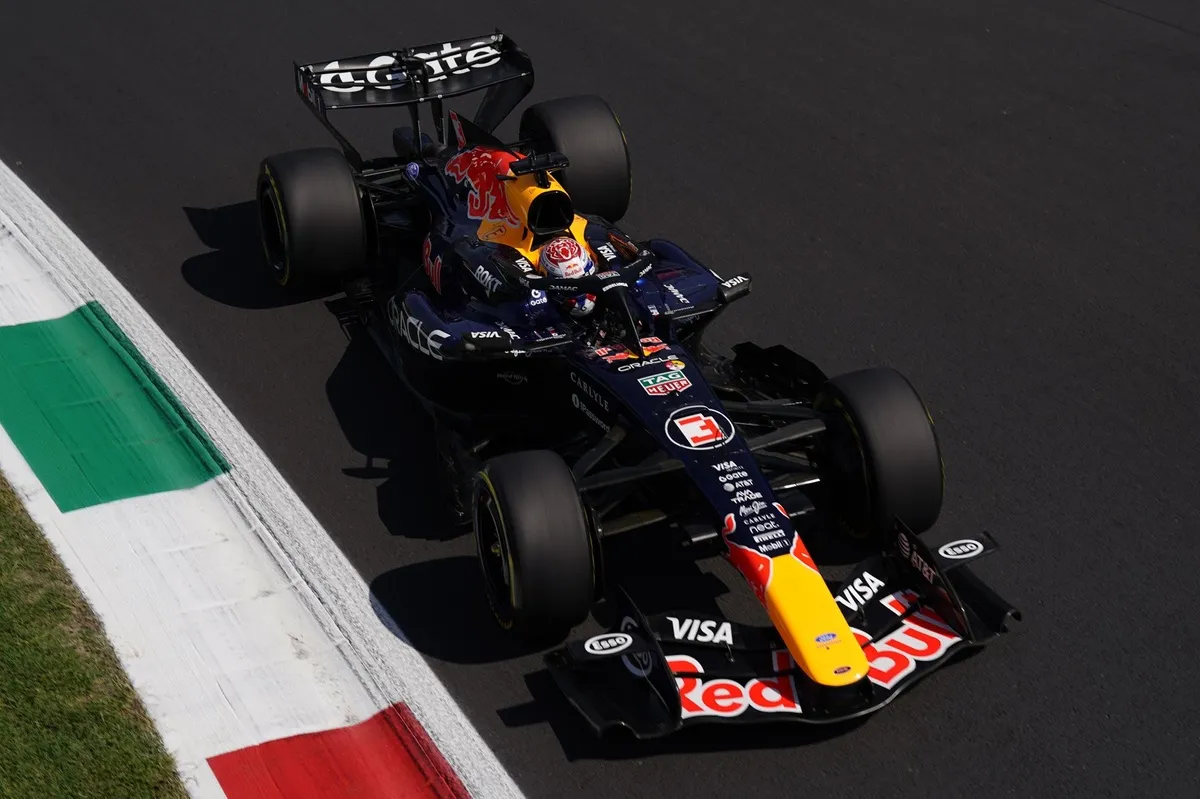
Max Verstappen has once again voiced scathing criticism of Formula 1's new generation of cars. The triple world champion believes that the 2026 power units have eroded the driving challenge to such an extent that performing at a high level has become somewhat effortless. In an interview with the BBC, the Red Bull driver expressed his frustration with the car's characteristics, which he described as highly unnatural.
“In the history of the sport, normally the driver that is the most committed, the latest on the brakes, earlier on throttle, committing in the high-speed corners, they get rewarded, because you just gain that time in the corner,” Verstappen said. “But now you're constantly thinking about, ‘In this corner I might have to hold in a bit. Go later on throttle. Or brake earlier. Or lift off. And then I have more top speed.’ Stuff like that. It's so unnatural. It's so not how it should be.”
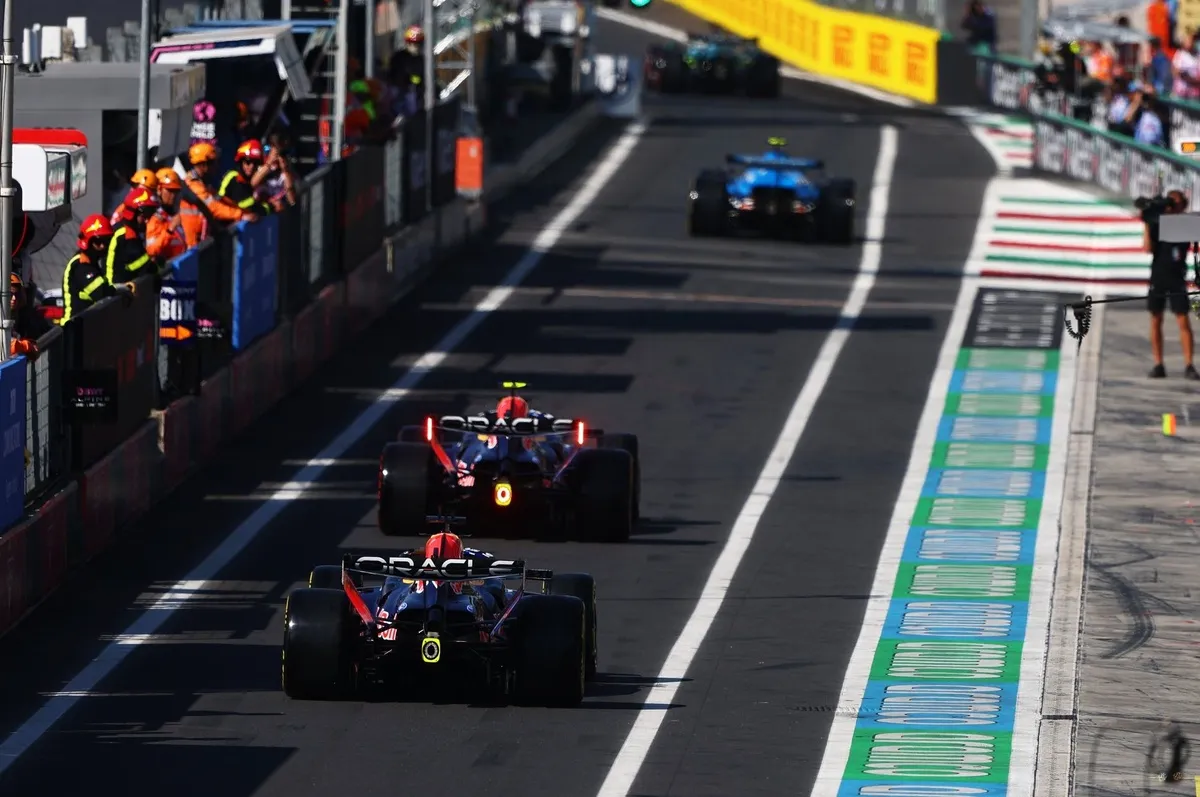
Verstappen then pointed to the performances of Liam Lawson and Yuki Tsunoda as evidence. Both impressed while substituting for injured drivers. Lawson finished seventh at Zandvoort, while Tsunoda scored a point at Monza after narrowly missing out in the Netherlands. “No disrespect. And I hope no one picks up on this,” he continued. “But look at Yuki. He jumps in the car. Never driven the car before. Immediately competitive. Liam jumps from Racing Bulls to Red Bull – immediately competitive. It's because these cars are numb to your driver inputs.”
Verstappen's comments have sparked an interesting debate. It is true that both Lawson and Tsunoda were outqualified by their respective team-mates in all three qualifying sessions at Zandvoort and Monza. However, F1 history is filled with substitute drivers who delivered impressive results. Nico Hulkenberg qualified third for Racing Point at the 2020 70th Anniversary Grand Prix. George Russell nearly won in Sakhir 2020 on his Mercedes debut. Sebastian Vettel scored points on his F1 debut with BMW in 2007, and Robert Kubica reached the podium in just three races when he replaced Jacques Villeneuve in 2006. Alexander Wurz finished third at Imola in 2005, his only race that year. Even Verstappen himself won his first race in a Red Bull car.
Verstappen's criticism highlights a shift in philosophy within F1's technical regulations. The 2026 cars rely on complex energy management, where drivers must frequently lift and coast, manage battery deployment, and sacrifice cornering speed for straight-line speed. This makes the driving style unnatural and reduces the role of pure driver skill. Verstappen has called these cars 'Formula E on steroids' due to the similarities in energy management.
The impact of this criticism could spark a wider debate in the paddock. Other teams and drivers may respond, especially those who benefit from the new regulations. The FIA and Liberty Media, F1's commercial rights holder, will surely consider input from a top driver like Verstappen. However, major regulation changes are rarely made mid-cycle, so this criticism may only serve as a note for future evaluation.
For fans, Verstappen's statement adds a new dimension to enjoying the races. Does racing in F1 2026 still retain the essence of true racing? Or is this just an inevitable evolution of hybrid technology? One thing is clear: Verstappen will not stay silent. He continues to emphasize that drivers must be the differentiator, not just energy managers.

With the season still long, Verstappen's words will continue to echo. Will he be able to adapt and remain competitive, or will he become increasingly frustrated? Only time will tell as we await his on-track actions.
Baca Juga
Max Verstappen kritik F1 2026 terlalu mudah, tunjuk Lawson dan Tsunoda sebagai bukti. Simak analisis lengkap dan dampaknya bagi masa depan balapan.
Max Verstappen kritik pedas mobil F1 2026 yang dianggap terlalu mudah dikendarai. Ia mencontohkan Lawson dan Tsunoda yang langsung kompetitif. Simak analisis lengkapnya.
Drama podium Gasly di Monaco 2026 berlanjut: ICA menangkan banding McLaren dan Red Bull, memicu tuduhan bias. Simak analisis lengkapnya.
 Lanjutkan dengan Google
Diskusi & Komentar (0)
Mari Bergabung dalam Diskusi!
Masuk dengan mudah untuk mulai memberikan komentar, membalas, dan berinteraksi dengan pembaca lainnya.
Komentar Terbaru
Belum ada komentar. Jadilah yang pertama!