







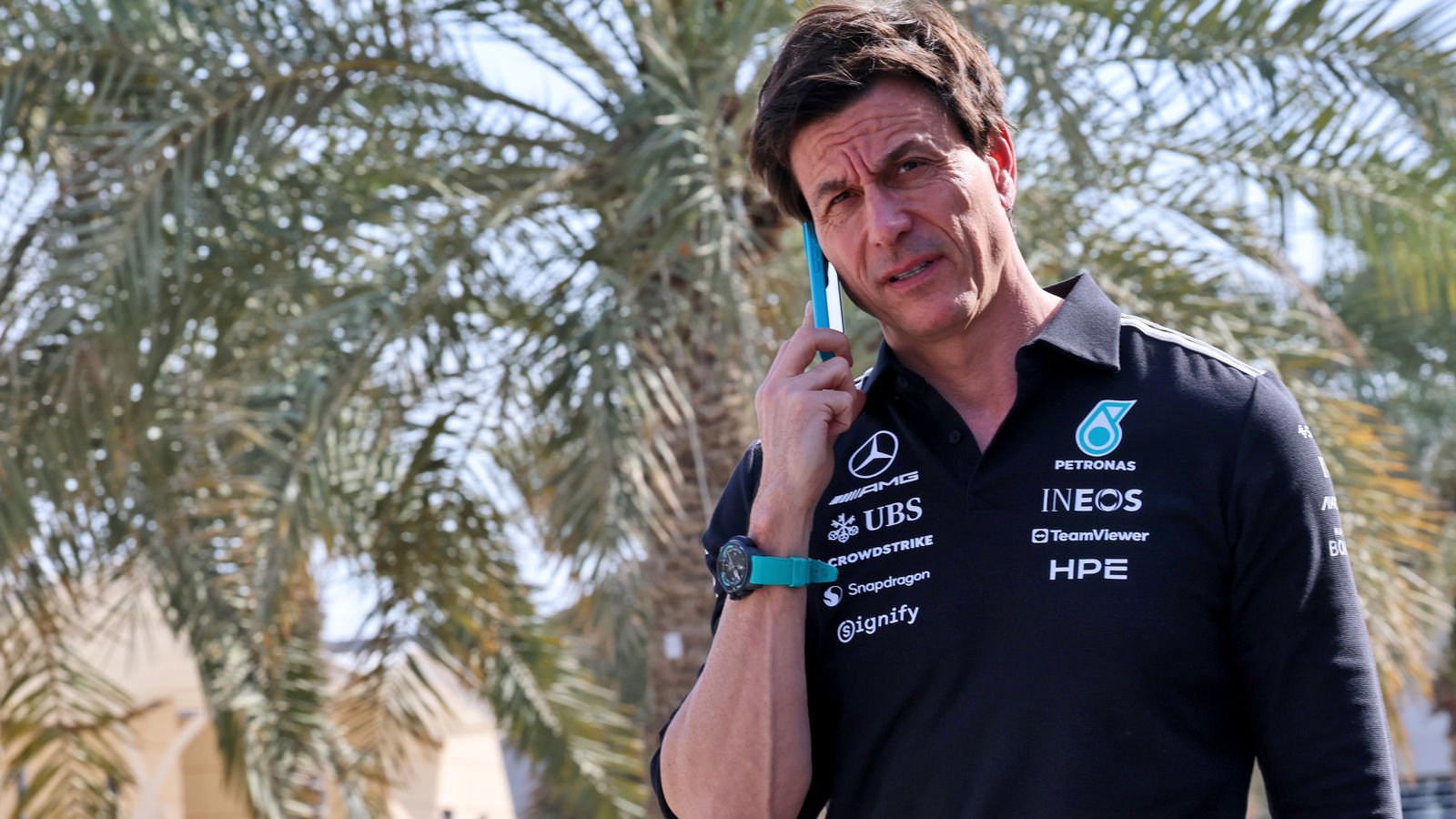

Formula 1, Sportrik Media - Toto Wolff has firmly ruled out any possibility of Mercedes taking legal action as the controversy surrounding its alleged compression ratio innovation intensifies ahead of the 2026 Formula 1 season opener.
The 2026 power units must be homologated by March 1, yet an ongoing dispute centres on claims that Mercedes has developed a system enabling its engine to operate at an effective 18:1 compression ratio under race conditions, despite regulations specifying a 16:1 maximum when measured at ambient temperatures by the FIA.
Under current procedures, compression ratios are only verified when the car is stationary in the pit lane. It is widely believed that thermal expansion of internal engine components at operating temperatures could allow the ratio to rise to 18:1 on track, potentially granting a performance advantage to the four Mercedes High Performance Powertrains (HPP) teams.
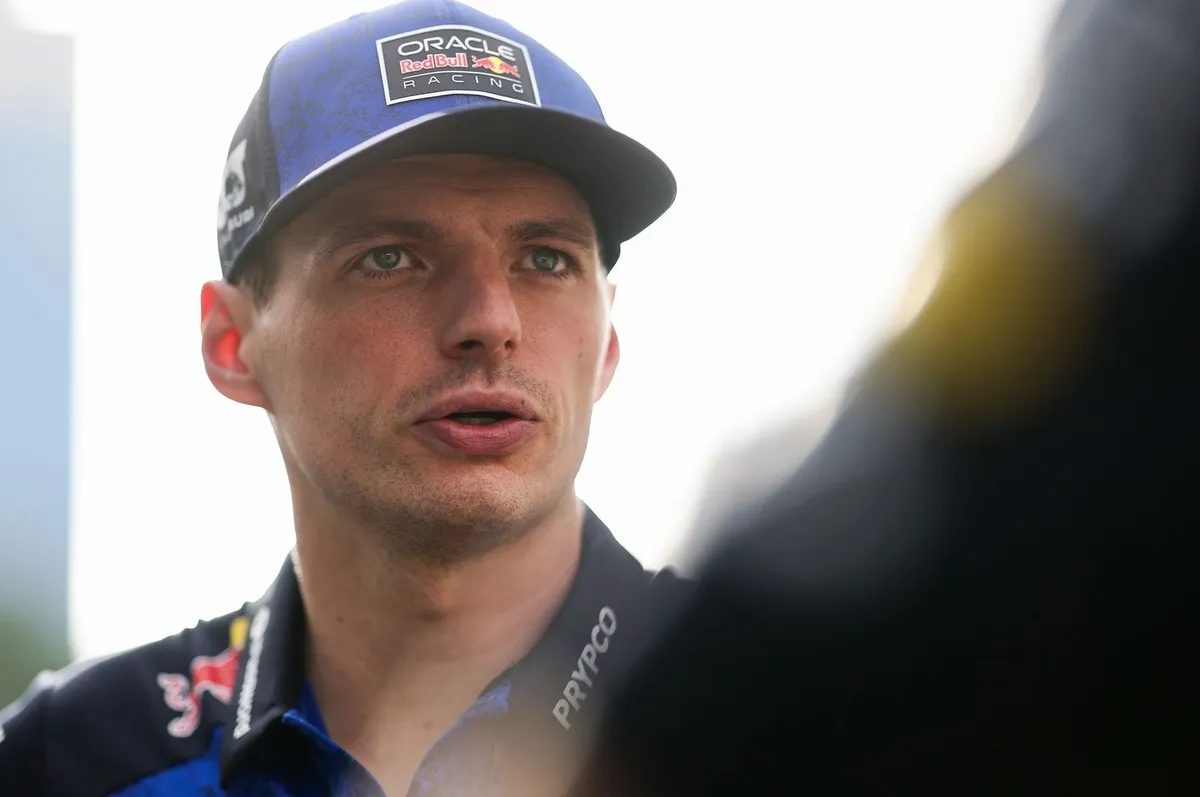
While Red Bull Powertrains was initially thought to have explored a similar concept, it is now understood to have aligned with Audi, Honda and Ferrari ahead of a critical Power Unit Advisory Committee (PUAC) meeting.
The PUAC comprises the five power unit manufacturers, the FIA and Formula One Management (FOM). To enforce a regulatory change, a supermajority is required — four of the five manufacturers plus agreement from both the FIA and FOM. While manufacturer support for intervention is reportedly in place, FOM’s stance remains unclear.
Should no resolution be reached before homologation, Mercedes-powered teams including McLaren, Williams and Alpine could face protests from rival competitors at the Australian Grand Prix.
Speaking to media including RacingNews365 in Bahrain, Wolff made it clear that Mercedes would respect the governance process regardless of the outcome.
“This sport is full of surprises, so there is never a situation where you can say that you're sure about anything,” Wolff said.
“When you design an engine, you keep the FIA very close to the decisions you make, and that’s what we did. We have had all the assurances that what we did was according to the rules.”
Wolff downplayed suggestions of a decisive performance boost.
“It’s not even like we’re talking about some massive performance gain. But I think our competitors became aggrieved and lobbied the FIA for a long time. We trust in the governance of the Power Unit Advisory Committee, and we’ll see how that goes.”
He categorically dismissed the prospect of legal proceedings.
“There is no such scenario that we would sue anyone. Formula 1 is about clarity of regulations, but engineering ingenuity is always respected. If the governance of the sport decides to change the rules, against or for our position, we will accept it.”
Wolff acknowledged that a late regulatory adjustment could have significant consequences, particularly given the long development cycle associated with modern power units.
“You develop an engine over a long time, with significant lead times. If you are suddenly told you cannot operate the engine as developed, that can be damaging for performance.”
“If a regulation changes, you must adhere to it. If you cannot adhere immediately, then the FIA must determine how adjustments are implemented. That is currently unclear.”
He also pointed to intensified lobbying activity among rival manufacturers in recent months.
“I think the lobbying from other engine manufacturers has ramped up massively over the last few months. Secret meetings, letters to the FIA — although nothing is truly secret in this sport — and that has brought us to this point.”
With the homologation deadline approaching and the Australian Grand Prix looming, the PUAC’s decision could prove pivotal not only for regulatory clarity but for the competitive balance at the very start of the 2026 Formula 1 season.
Baca Juga
Colton Herta masih berjuang di F2 musim 2026, tetapi tetap yakin bisa menembus F1 2028 bersama Cadillac. Simak analisis performa dan peluangnya.
Colton Herta tetap percaya bisa masuk F1 pada 2028 meski musim debutnya di F2 bersama Hitech berjalan sulit. Simak perjuangannya di sisa musim.
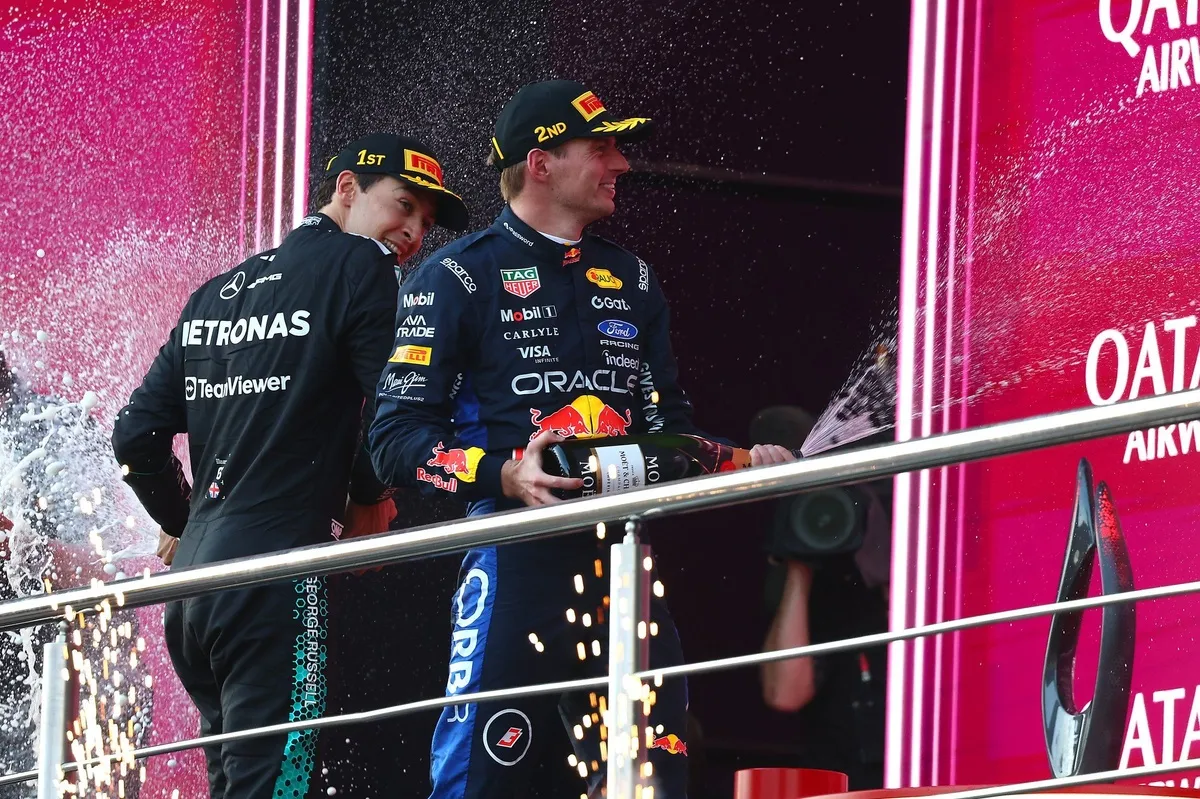
Analisis duel Max Verstappen vs George Russell di F1 Azerbaijan: strategi, safety car, dan finis terketat 0,196 detik.
 Lanjutkan dengan Google
Diskusi & Komentar (0)
Mari Bergabung dalam Diskusi!
Masuk dengan mudah untuk mulai memberikan komentar, membalas, dan berinteraksi dengan pembaca lainnya.
Komentar Terbaru
Belum ada komentar. Jadilah yang pertama!