







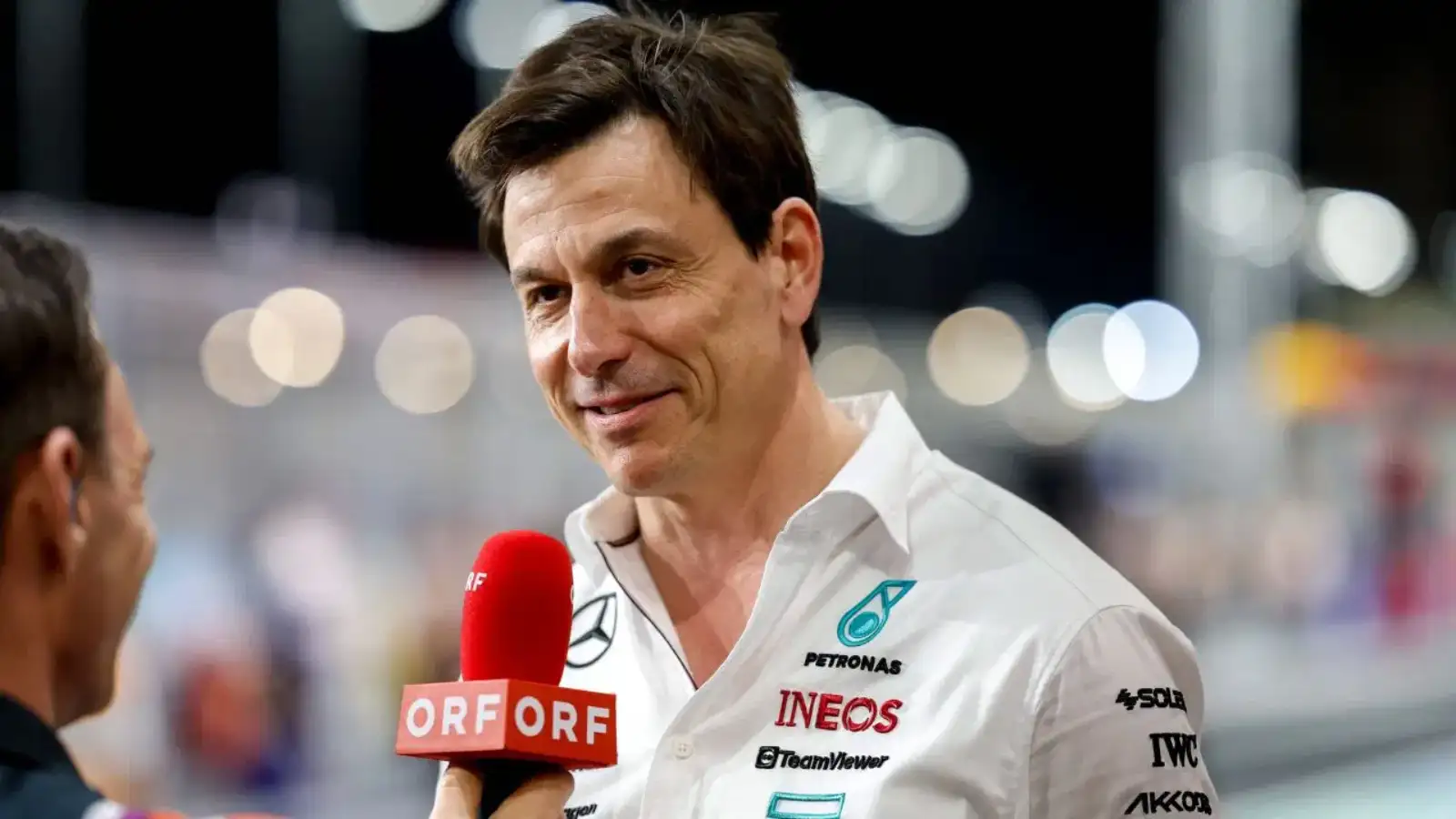

Formula 1, Sportrik Media - Toto Wolff has identified what he described as an “interesting” technical divergence among the leading Formula 1 teams during the Barcelona shakedown, as the sport’s all-new 2026 cars took to the circuit for the first time and the initial phase of data gathering began.
The shakedown marked the opening on-track activity of the year for Mercedes, Ferrari, and Red Bull Racing, all of whom are navigating the most comprehensive technical overhaul in modern Formula 1 history. Central to the new regulations is a substantial increase in electrical power output, fundamentally reshaping how energy is recovered, stored, and deployed over a lap.
Wolff explained that even at this early stage, distinct philosophies are already visible in how teams approach energy management. These differences underline that the competitive battle in 2026 will not be defined solely by aerodynamic efficiency or chassis balance, but by how effectively teams integrate the new hybrid systems into race and qualifying strategies.
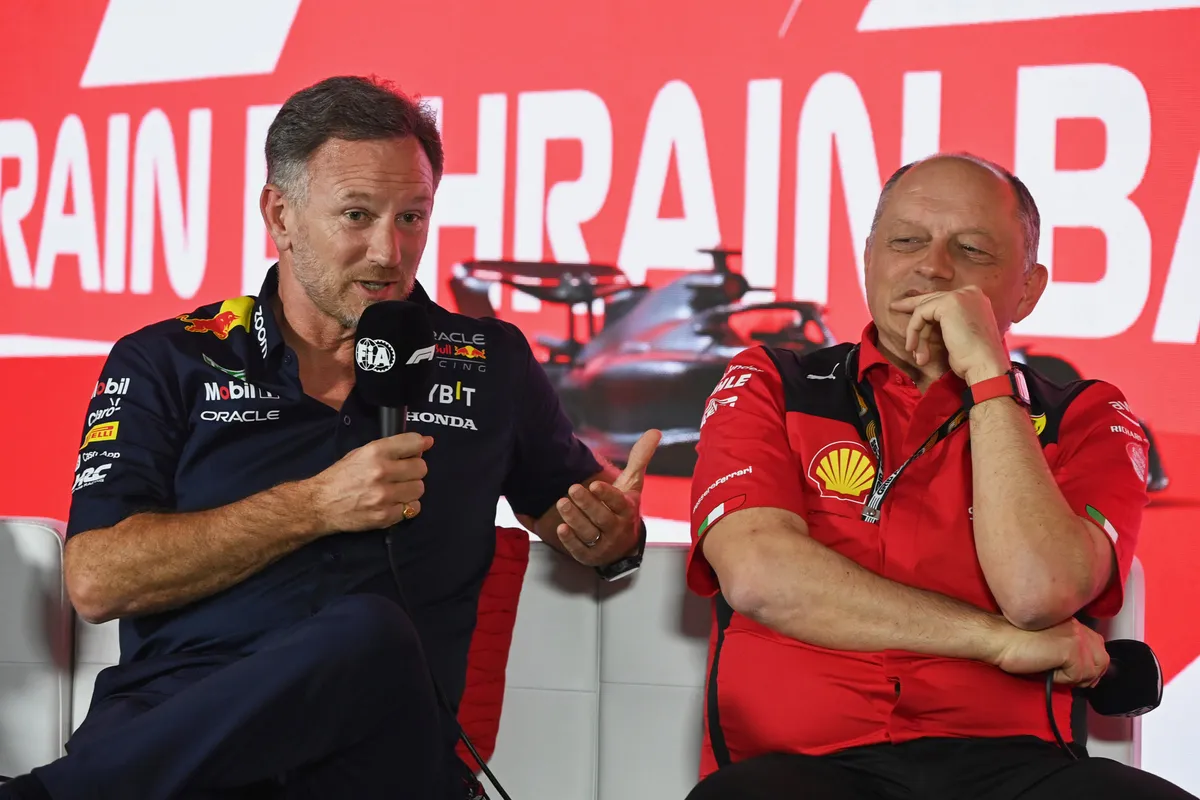
“I think the pre-investment in tools and in simulations and doing the correlation work will be beneficial,” Wolff told international media. He stressed that the groundwork laid away from the circuit, particularly in simulation accuracy and data correlation, will heavily influence how quickly teams can unlock performance.
However, Wolff also cautioned that the learning curve under the new regulations will be exceptionally steep. According to him, true understanding will only emerge once teams accumulate mileage and observe how rivals interpret the same regulatory framework.
“In the same way, the learning curve will be steep,” Wolff said. “Once we see what the others do, we will better understand.”
Barcelona offered the first opportunity for such comparisons, and Wolff admitted that observing Ferrari and Red Bull provided valuable reference points. He noted that both teams adopted energy management approaches that differed from Mercedes’ own philosophy, even if no clear competitive hierarchy can yet be established.
“It was quite interesting to see on the Ferrari and on the Red Bull the way they were managing energy in Barcelona,” Wolff explained. “It was different to us. It wasn’t better, but it was just different.”
These early differences are significant because energy deployment under the 2026 rules is no longer a secondary performance factor. With increased reliance on electrical power, decisions regarding where and when to deploy energy can influence overtaking capability, defensive positioning, and overall race pace.
Several drivers have already suggested that wheel-to-wheel racing could look noticeably different this season. Variations in energy usage may create new overtaking zones or defensive vulnerabilities, depending on how aggressively teams choose to deploy electrical power in specific sections of the lap.
Within this context, Wolff highlighted that mastering energy strategy is likely to be a decisive championship factor. Teams that optimise energy usage across a race distance, rather than focusing exclusively on peak output, are expected to gain a significant competitive edge.
“Learning from seeing the others, learning from the more miles we will be doing, the challenges in the races where we realise, ‘hold on a minute, on Sunday, we haven’t mapped it in the way you’re winning races,’” Wolff said.
He emphasised that a mismatch between qualifying-focused energy mapping and race-day requirements could prove costly. A car configured to deliver maximum performance over a single lap may struggle to maintain competitiveness over a full race distance if energy deployment is not aligned with tyre degradation and traffic management.
“Maybe we’ve mapped it for a quick lap, and then suddenly you fall back,” Wolff added. “So the most clever guys in the car and on the engineering side are going to win.”
This perspective reinforces the idea that Formula 1’s 2026 competitive landscape will reward adaptability and intelligence as much as raw performance. Engineers, strategists, and drivers will need to collaborate closely to refine energy usage models that remain effective across a wide range of scenarios.
For Mercedes, Ferrari, and Red Bull, the early phase of the season is expected to function as an extended learning exercise before development directions fully converge. While aerodynamic concepts and mechanical setups will continue to evolve, energy management may emerge as the defining performance differentiator.
As more data is gathered through testing and the opening races, the relative effectiveness of each team’s approach will become clearer. Those who unlock the optimal balance between aggressive deployment and long-term efficiency are likely to establish themselves at the front of the championship fight.
The Barcelona shakedown may have offered only preliminary insights, but the contrasts identified by Wolff suggest that the battle for supremacy in the new Formula 1 era will be as much about intellectual problem-solving as outright speed.
Baca Juga

Stefano Domenicali ceritakan lelucon Jimmy Fallon di makan malam GP Miami: pizza dikirim ke restoran Michelin, lengkap dengan catatan lucu.

Formula 1 hampir menyentuh 1 miliar fans global. Stefano Domenicali soroti pertumbuhan audiens wanita dan strategi ekspansi di AS.
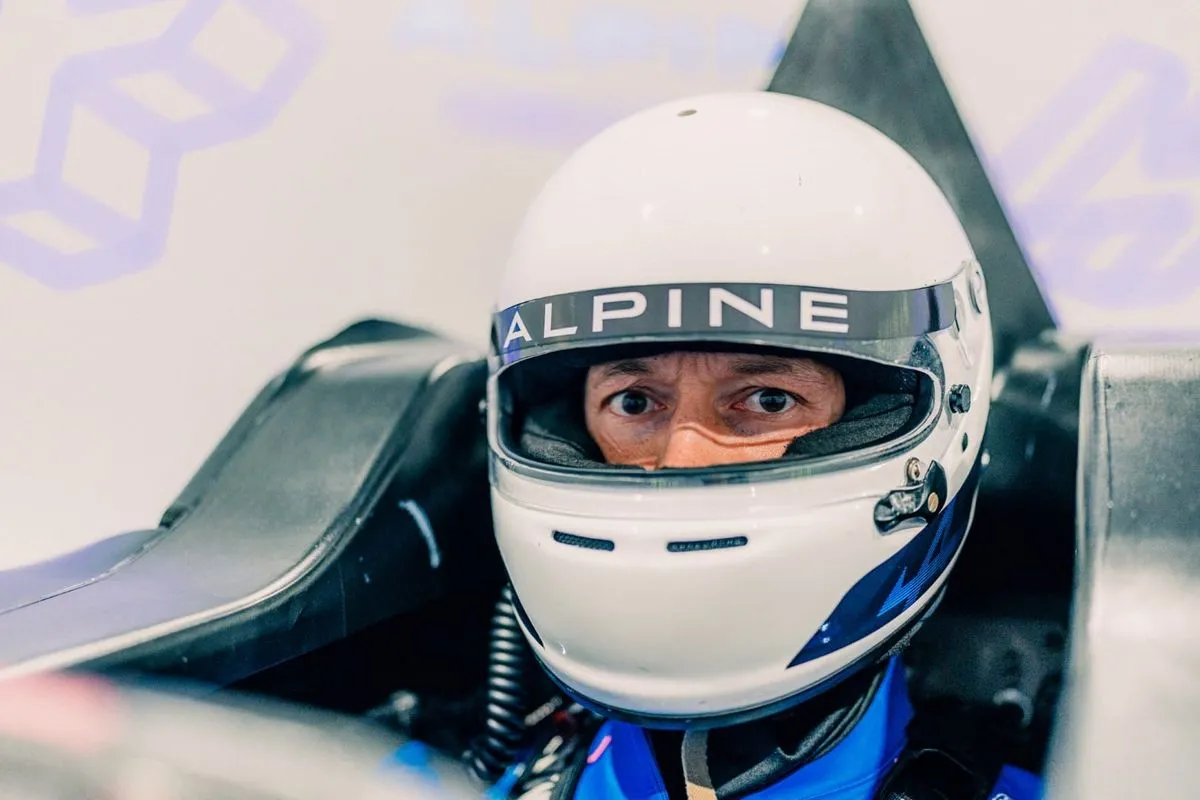
Alpine mengungkap peran tersembunyi Daniil Kvyat sebagai driver simulator yang membantu kebangkitan tim di F1 2026, termasuk turnaround di Jepang dan Kanada.
 Lanjutkan dengan Google
Diskusi & Komentar (0)
Mari Bergabung dalam Diskusi!
Masuk dengan mudah untuk mulai memberikan komentar, membalas, dan berinteraksi dengan pembaca lainnya.
Komentar Terbaru
Belum ada komentar. Jadilah yang pertama!