






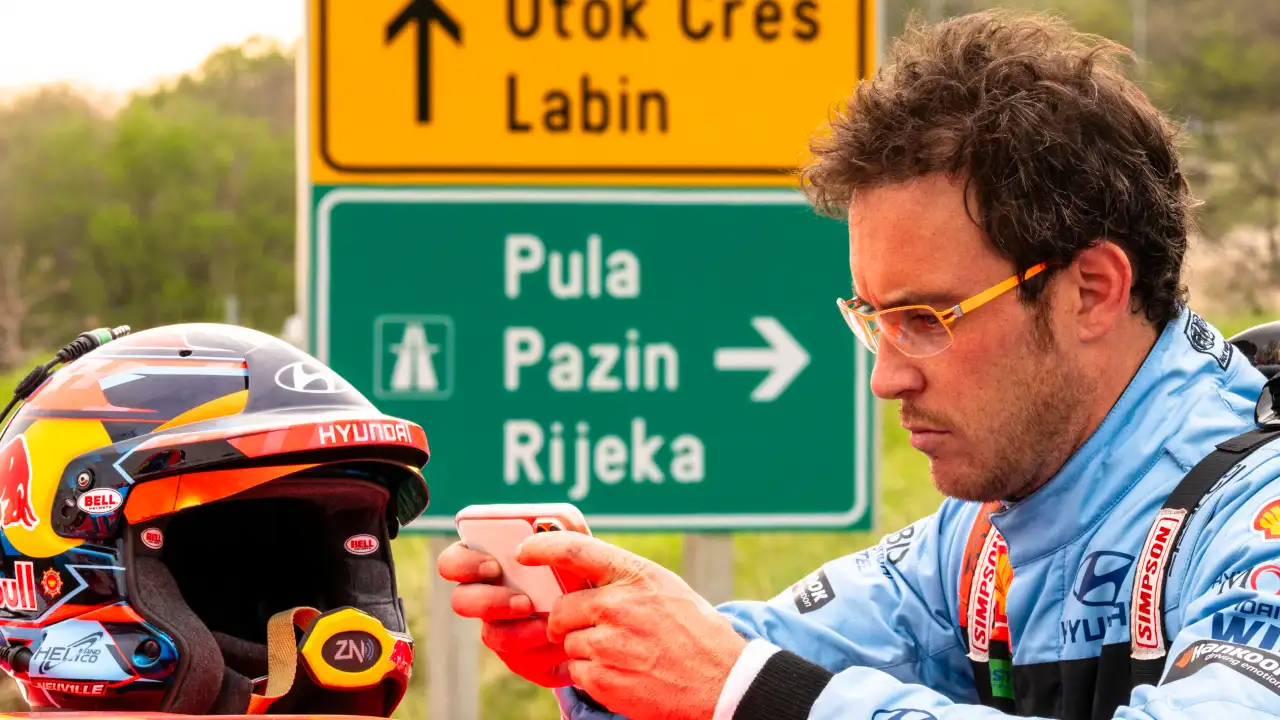

WRC, Sportrik Media - Thierry Neuville of Hyundai Motorsport has called for a comprehensive overhaul of the World Rally Championship format, as discussions intensify around the series’ future direction and the potential appointment of a new promoter.
Within that context, Cosmobolis—led by Eric Boullier—has emerged as a leading candidate to take over promotional responsibilities. This transition has triggered broader evaluation of WRC’s competitive structure, regulatory framework, and commercial positioning, all of which have been under increasing scrutiny from stakeholders.
Neuville stated that structural change is necessary, advocating for a diversified calendar that incorporates endurance-style rallies, shorter events, and sprint formats within the same season.
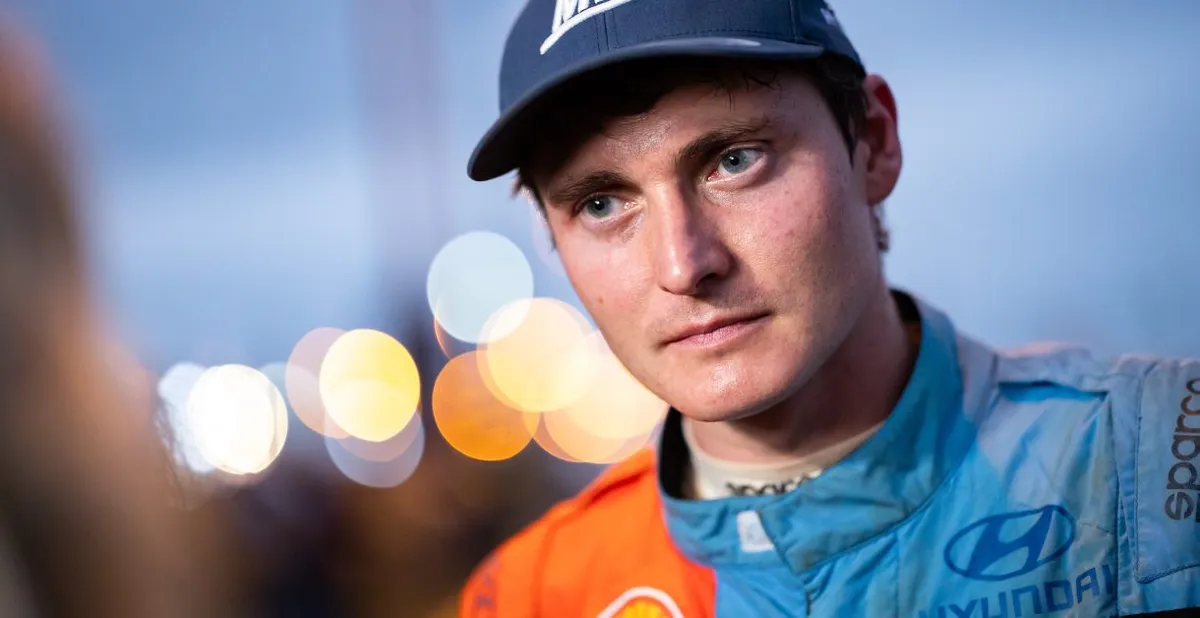
“We’ve already communicated many points, but overall I think we need to reshape the WRC format and find ways to highlight certain events during the season,” Neuville said.
“I believe the championship should include endurance rallies, shorter events, and sprint formats.”
From a regulatory and industrial perspective, he identified manufacturer engagement as a central challenge. He stressed that the FIA must play a decisive role in developing rules that are both technically appealing and financially sustainable, with cost control remaining a critical factor.
“Attracting manufacturers is a major challenge, and it’s the FIA’s responsibility to create regulations that make the championship attractive,” he explained.
Beyond technical considerations, Neuville highlighted deficiencies in WRC’s marketing approach, particularly in its ability to elevate drivers as central figures within the sport. He argued that the championship has not fully capitalised on the personalities and rivalries that could drive audience engagement, especially among younger fans.
“We need to make the drivers big stars again. There are many strong personalities, but we haven’t been able to showcase them properly,” he said.
He referenced historic and contemporary rivalries involving Sebastien Ogier, Sebastien Loeb, and Ott Tanak as examples of underutilised narrative assets.
Neuville also proposed significant changes to the structure of individual rallies, arguing against a uniform format across all events. Instead, he suggested tailoring formats to suit the specific characteristics of each rally.
“Monte Carlo works well as a four-day event, but Kenya should be five or six days with fewer, longer stages,” he said.
He also raised the possibility of reintroducing mobile service formats for certain events, enhancing both technical complexity and storytelling elements.
Conversely, for high-speed rallies such as Finland and Estonia, Neuville advocated for shorter, more intense formats, reflecting the minimal time gaps that typically define those events.
“When the time gaps are so small, it doesn’t make sense to run four or five days. It should be shorter and more intense,” he added.
From an analytical standpoint, Neuville’s proposals extend beyond format adjustments to address deeper structural issues within the WRC ecosystem, including regulatory alignment, manufacturer appeal, and audience engagement strategy.
With a potential new promoter entering the championship, the current period represents a strategic inflection point. The extent to which these proposals are adopted will depend on alignment between manufacturers, the FIA, and future commercial stakeholders.
If implemented, such reforms could significantly reshape the competitive and commercial landscape of the WRC, positioning it for greater relevance and growth in the evolving global motorsport environment.
Baca Juga
Hyundai menuai podium ganda di Paraguay dan menemukan data penting. Kini Toyota harus waspada menghadapi kekuatan baru Hyundai di Chile.
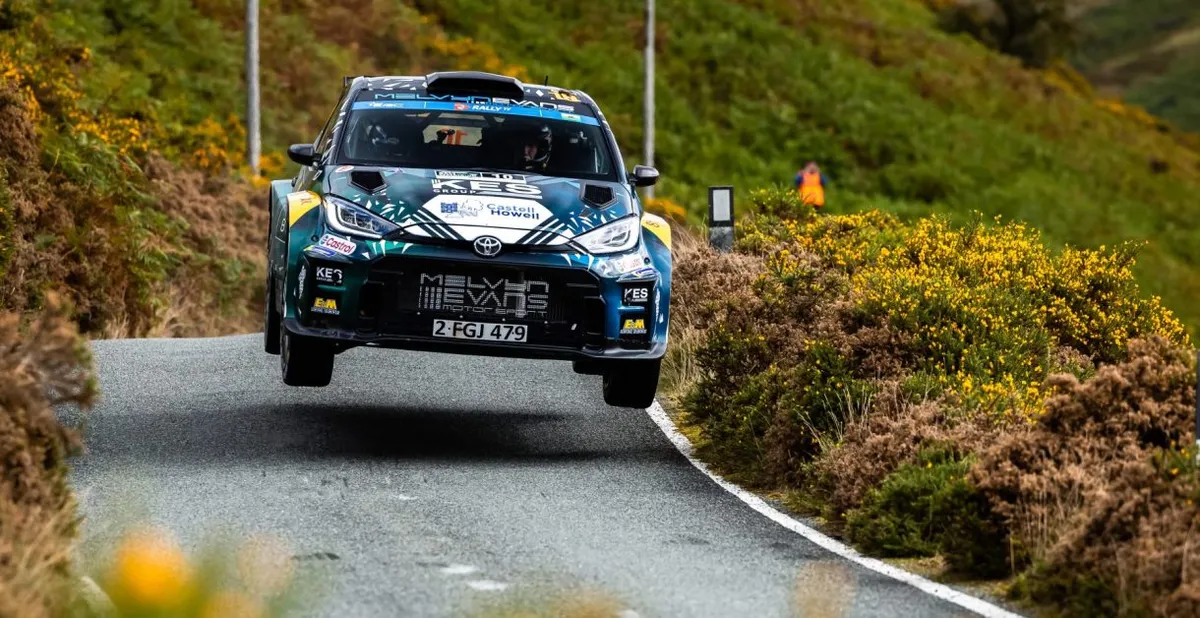
Kris Meeke menangi Rali Ceredigion, sementara Teemu Suninen resmi menjadi juara ERC 2026 dengan satu ronde tersisa. Hasil lengkap dan analisis di sini.
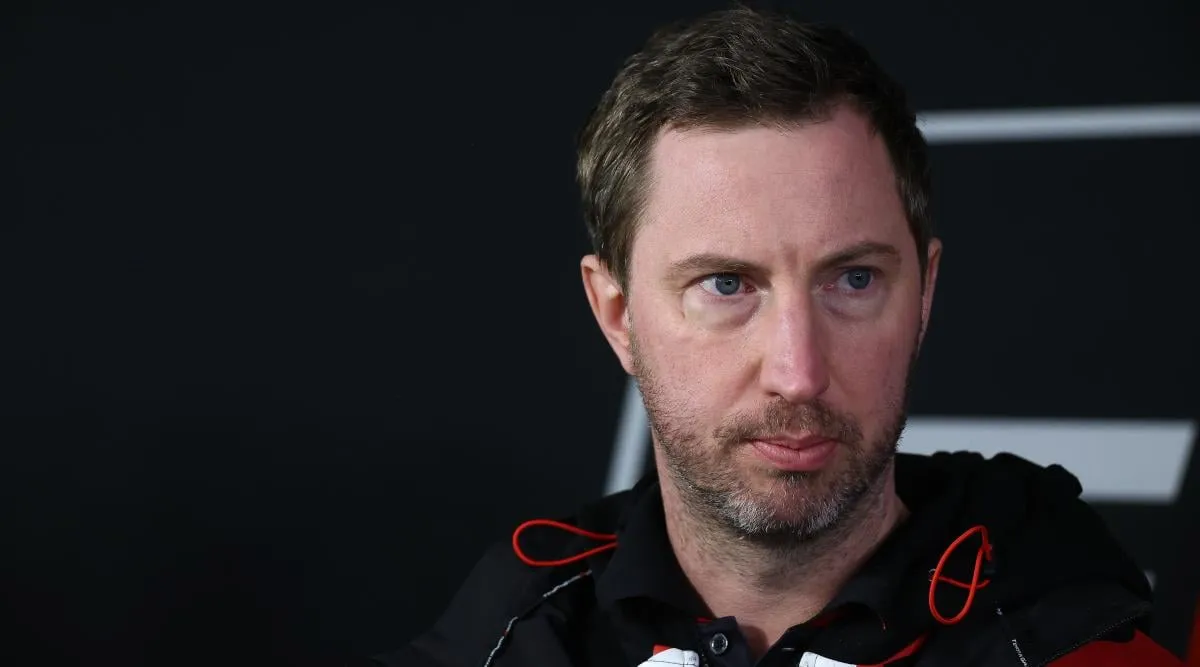
Tom Fowler beri ultimatum: WRC harus ubah regulasi olahraga untuk hapus keuntungan posisi jalan yang setara 100 tenaga kuda. Analisis lengkap di sini.
 Lanjutkan dengan Google
Diskusi & Komentar (0)
Mari Bergabung dalam Diskusi!
Masuk dengan mudah untuk mulai memberikan komentar, membalas, dan berinteraksi dengan pembaca lainnya.
Komentar Terbaru
Belum ada komentar. Jadilah yang pertama!