






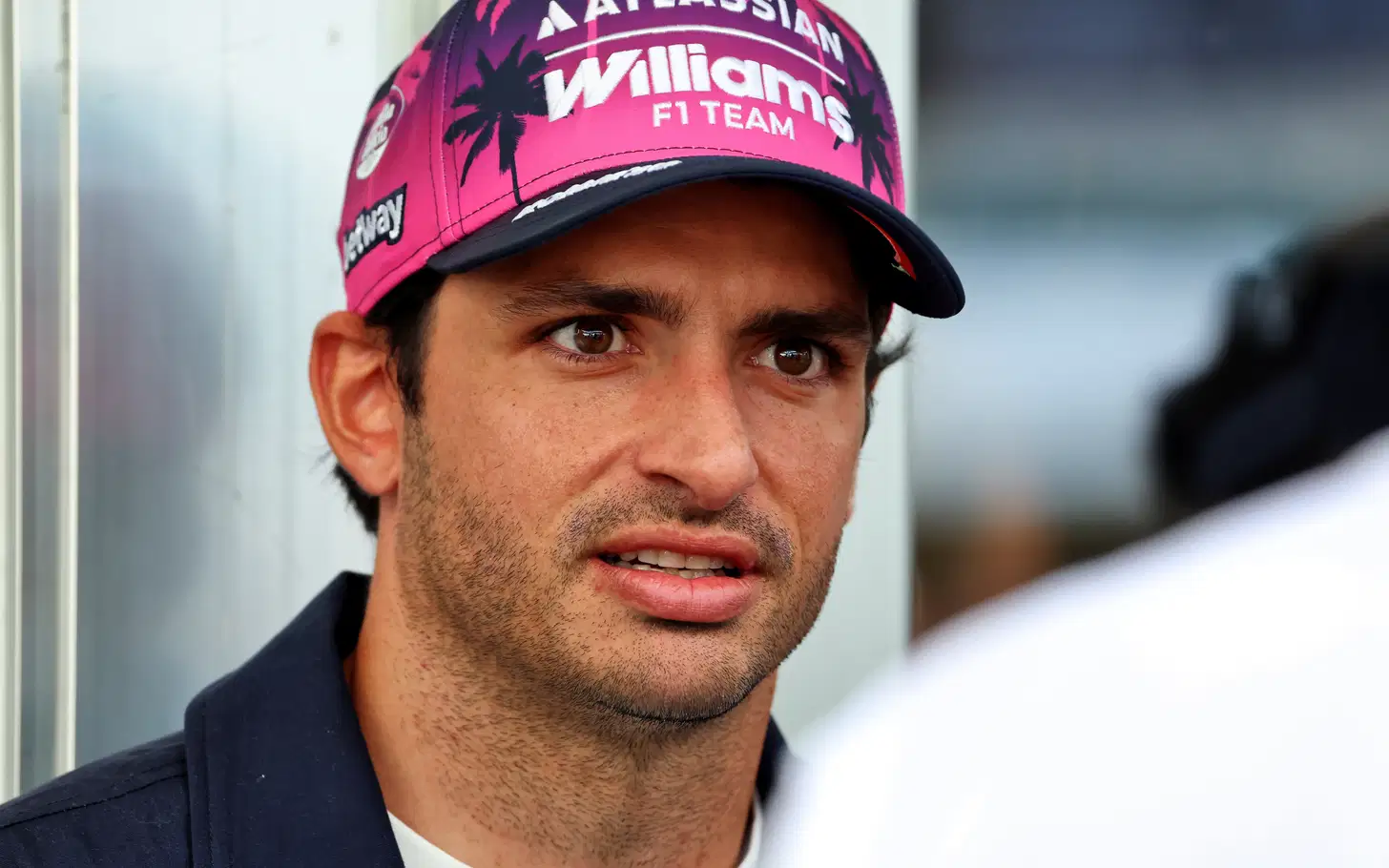

Carlos Sainz has urged the FIA and Formula 1 to further evaluate the impact of the 2026 active aerodynamics regulations after early signs of a new “DRS train” effect emerged during the Miami Grand Prix weekend. The Williams driver warned that the new overtaking concept could actually make passing more difficult once every car gains unrestricted access to low-drag modes.
From 2026 onward, Formula 1 will replace the current DRS system with active front and rear wings capable of changing configuration in designated sections of the circuit. Unlike the existing DRS rules, where drivers must remain within one second of the car ahead, the new system allows every driver to activate drag-reduction modes on every lap.
The regulations were originally designed to compensate for the higher drag generated by the next-generation power units, which will feature larger battery systems and increased electrical deployment. Formula 1 and the FIA also expect active aero to improve energy efficiency while maintaining competitive straight-line speed. However, early observations from Miami suggested the system could unintentionally create long groups of cars travelling at nearly identical speeds.

"We need to find a solution when the car in front is also running in straight-line mode because overtaking becomes almost impossible. It feels very similar to a DRS train," said Sainz.
The DRS train phenomenon has been one of the main criticisms of Formula 1’s modern aerodynamic regulations over recent seasons. When multiple cars achieve similar top-speed gains through drag reduction, drivers behind often struggle to create enough speed differential for clean overtaking moves. With the 2026 active aero concept available to every driver, concerns are growing that the issue could become even more pronounced.
The discussion comes only days after the FIA confirmed significant revisions to the 2027 engine regulations. Formula 1 had originally planned a 50:50 split between internal combustion power and electrical deployment, but the balance will now shift toward greater reliance on the combustion engine to preserve racing characteristics.
According to Sainz, discussions between teams and the FIA have recently become more constructive compared to previous seasons. He pointed to the governing body’s response to driver concerns in Miami, where officials adjusted scheduling decisions due to wet-weather concerns surrounding intermediate tyres.
"I don’t want to simply criticise. I want to stay productive and help explain that this still isn’t good enough for Formula 1. But the FIA listened to the drivers in Miami and they did a very good job," he added.
With the 2026 regulations entering the final stages of development, active aerodynamics are rapidly becoming one of the central technical topics inside the paddock. Formula 1 is aiming to ensure the next generation of cars remains energy efficient without compromising overtaking quality, meaning further evaluations of slipstream effects and race behaviour are expected before the new era officially begins next season.
Baca Juga
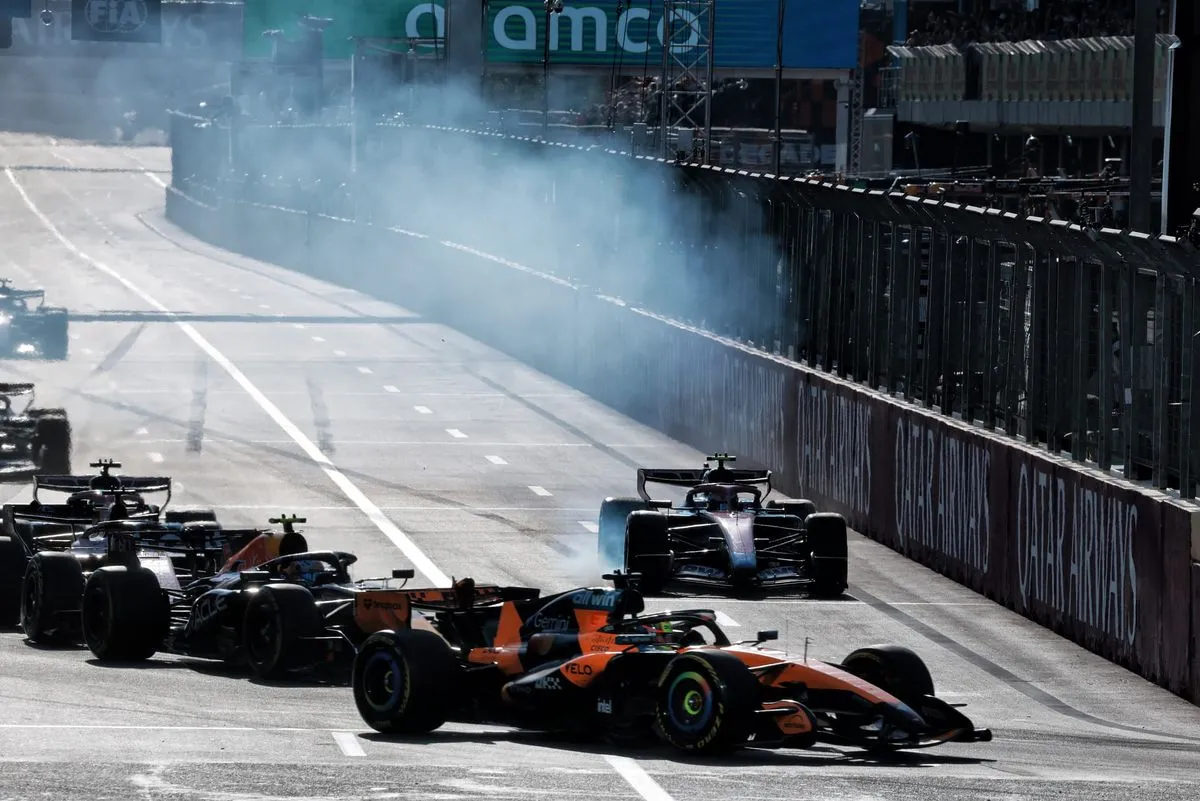
Insiden Franco Colapinto di GP Azerbaijan 2026 menyoroti titik buta sistem poin penalti F1. Tanpa poin penalti, apakah hukuman grid sudah cukup?

Christian Horner blak-blakan soal kepergiannya dari Red Bull. Ia sebut tim telah kehilangan 'vibe' dan identitas sejak ditinggalkan. Simak pernyataan lengkapnya.
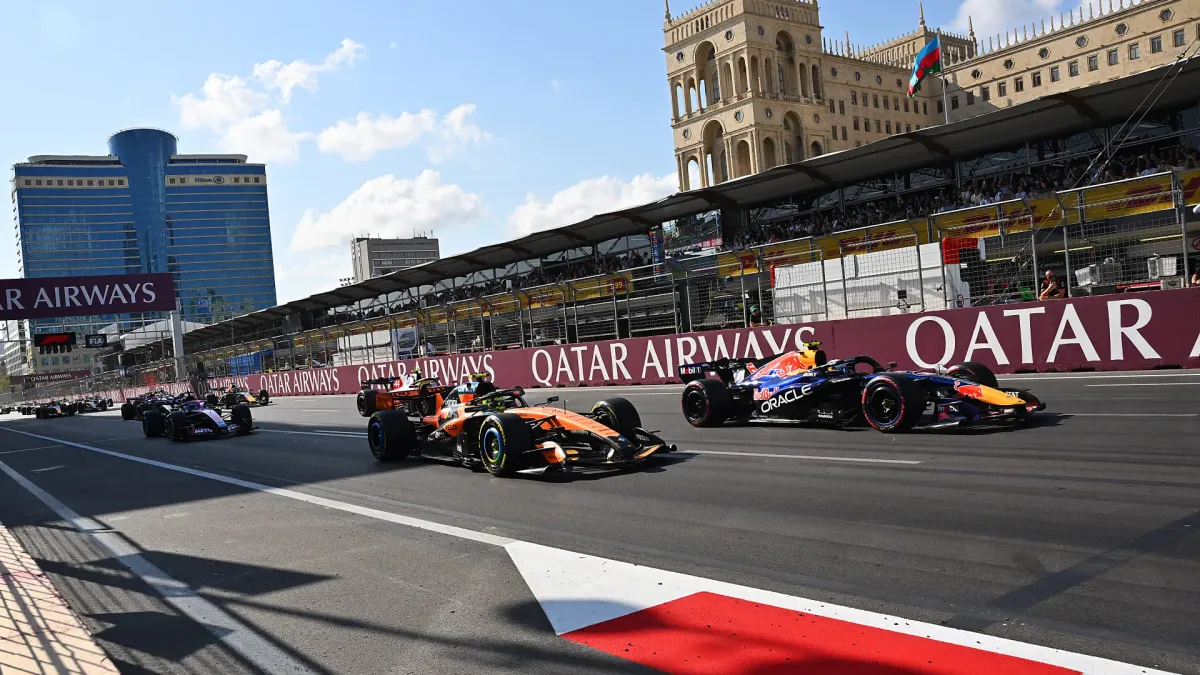
Klasemen F1 2026: Kimi Antonelli memimpin dengan 302 poin, disusul George Russell dan Lewis Hamilton. Simak update lengkapnya di sini.
 Lanjutkan dengan Google
Diskusi & Komentar (0)
Mari Bergabung dalam Diskusi!
Masuk dengan mudah untuk mulai memberikan komentar, membalas, dan berinteraksi dengan pembaca lainnya.
Komentar Terbaru
Belum ada komentar. Jadilah yang pertama!