







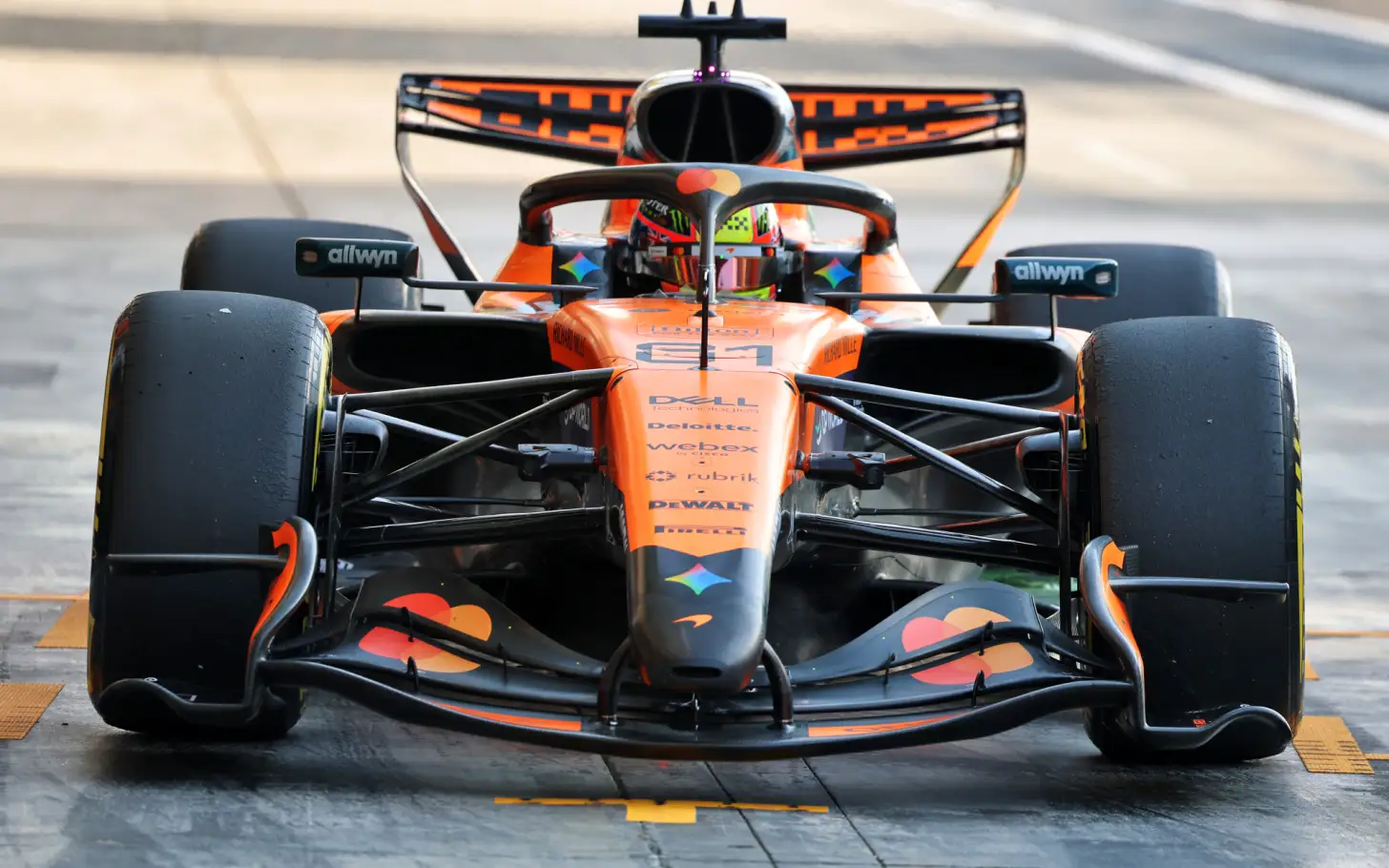

Formula 1, Sportrik Media - Oscar Piastri says Formula 1 drivers are having to undo ingrained driving habits developed since their karting years due to the heightened energy management demands introduced under the 2026 regulations.
With the revised power unit architecture placing greater emphasis on electrical deployment, drivers must now lift earlier on straights and coast into braking zones to prevent full battery depletion before the next acceleration phase. The technique, widely referred to as lift and coast, has become more strategic and unavoidable than in previous seasons.
At circuits such as Bahrain, the impact is partially mitigated by multiple heavy braking zones that assist energy recovery. However, energy consumption on corner exit remains higher than in 2025, requiring more disciplined throttle application and deployment management.
“I think it is just complex. There are a lot of things that we’ve never had to do before, and they are challenging by nature because some of them are not very instinctive,” Piastri told media, including RacingNews365.
The Australian explained that the most difficult aspect is retraining muscle memory shaped over more than a decade of competitive driving.
“When you’ve driven a certain way for the last 15 years, it is pretty tough to undo some of those things, especially when some of them are lifting on straights or things like that.”
From a driver’s perspective, voluntarily reducing throttle input contradicts racing instinct. Yet the technical requirements of the 2026 cars demand a different approach.
“Obviously, as a driver, you never want to be lifting at any point. But even without some of the challenges we’ve got, the cars are slower, they have less downforce and probably more power out of the corners, so they are always going to feel difficult to drive.”
Piastri noted that the characteristics of the new generation cars vary significantly depending on track layout and conditions. In some scenarios, they feel close to last year’s machinery; in others, the differences are more pronounced.
“In terms of grip, it still feels like an F1 car should. We’ve got a crazy amount of power out of the corners — and it’s not like we didn’t have much power before — so that’s pretty tough to manage at times.”
He also highlighted that the 2025 cars were, at certain circuits, the fastest in Formula 1 history. Any step back in outright performance is therefore naturally perceived as less enjoyable during the initial adjustment phase.
“The cars we had last year at some tracks were the fastest F1 cars ever, so anything that feels worse than that is always going to be not as fun at the start. It still feels sensible, there are just a lot of other things which are very different besides the grip level.”
As teams continue refining their understanding of the new energy-intensive framework, drivers like Piastri face a dual challenge: adapting technically to evolving systems while recalibrating instincts developed since their earliest days in motorsport.
Baca Juga
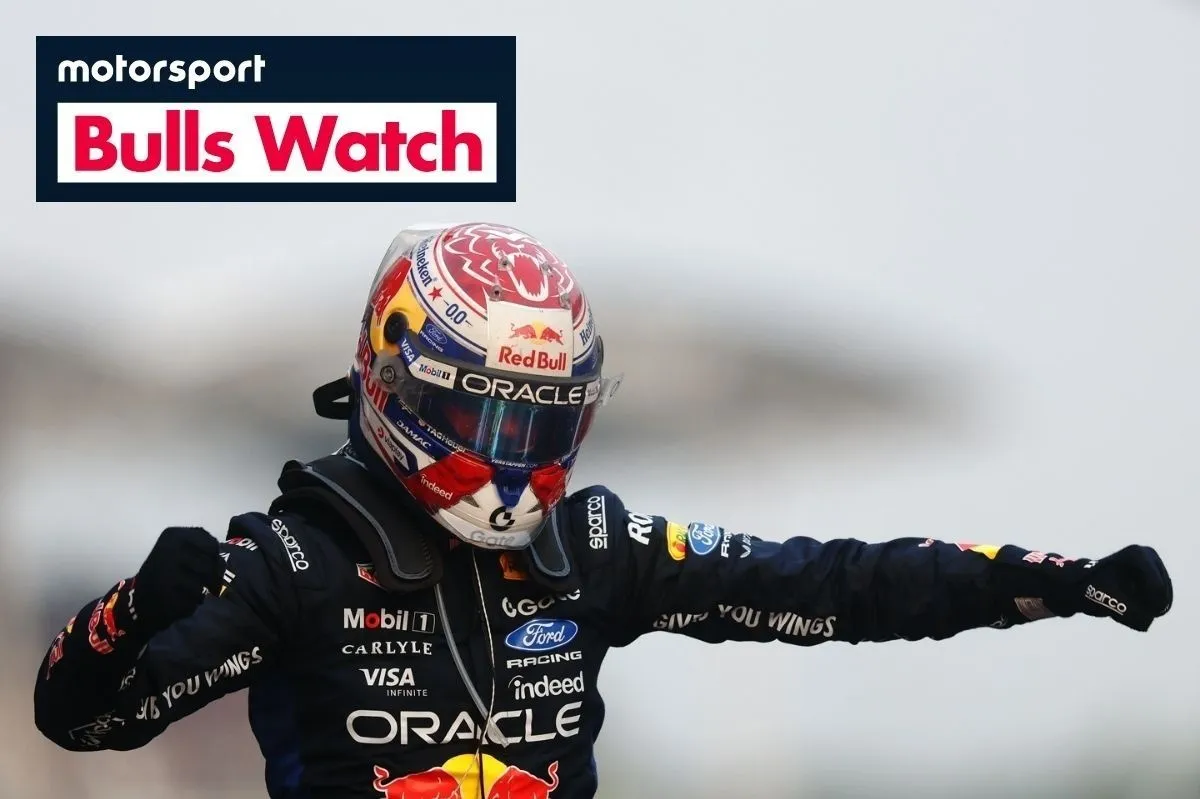
Max Verstappen akui Red Bull Racing kini jauh lebih tidak penuh stres di bawah kepemimpinan Laurent Mekies setelah era Christian Horner berakhir di F1.
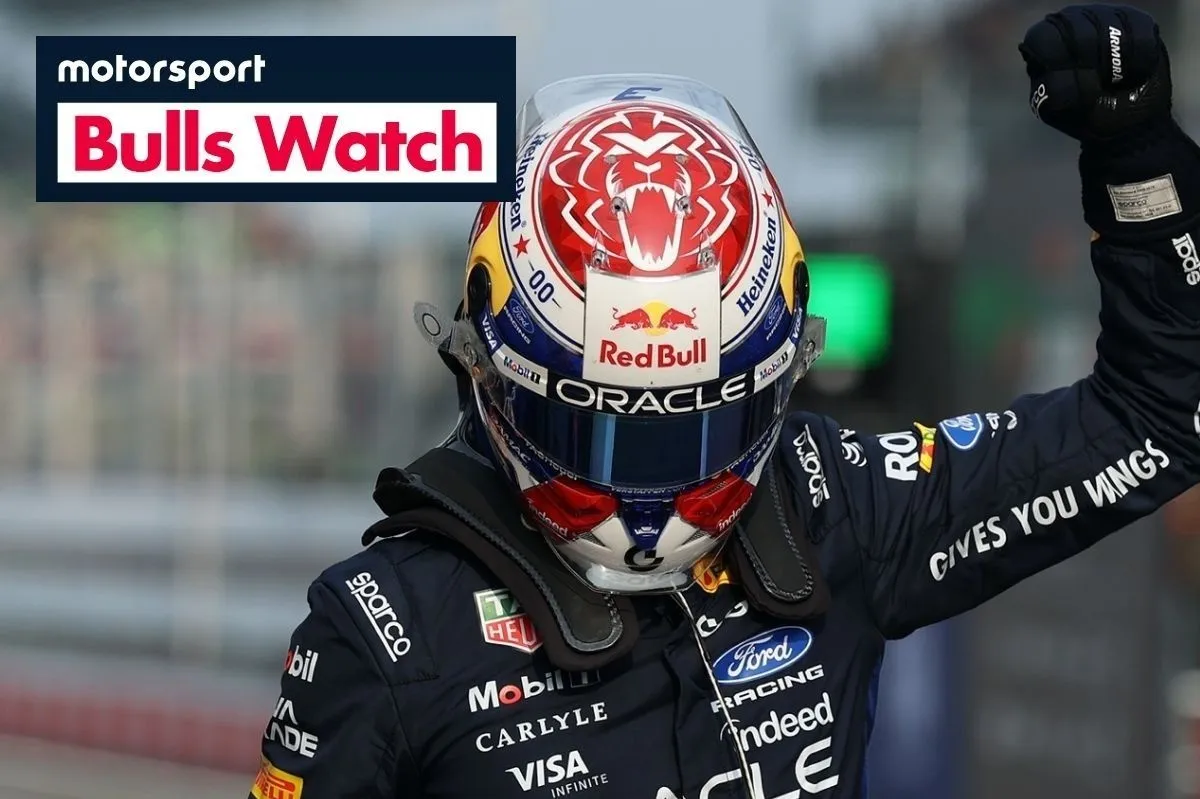
Helmut Marko sebut Max Verstappen sangat percaya diri bisa akhiri kutukan Marina Bay dan menangi GP Singapura F1 musim ini bersama Red Bull.
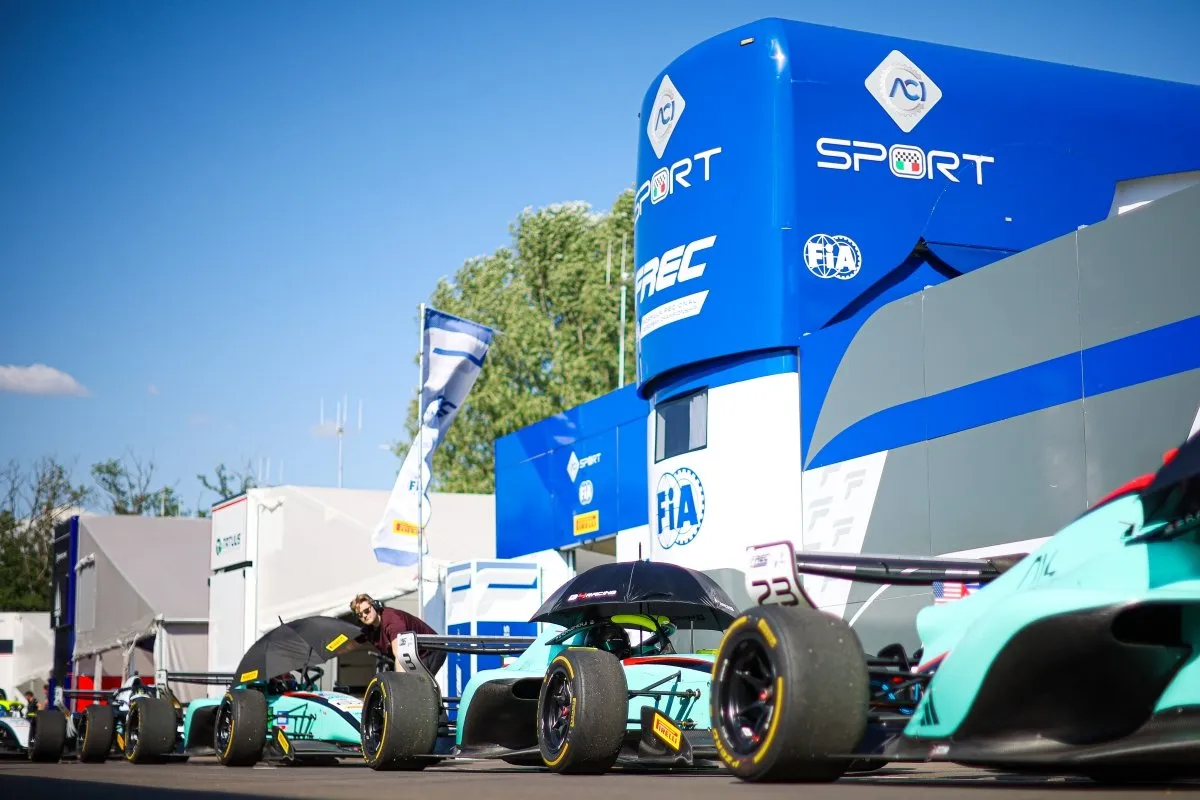
Kalender FREC 2027 resmi diumumkan dengan memasukkan Algarve dan Silverstone serta kembalinya status balapan pendukung Formula 1 di Hungaria.
 Lanjutkan dengan Google
Diskusi & Komentar (0)
Mari Bergabung dalam Diskusi!
Masuk dengan mudah untuk mulai memberikan komentar, membalas, dan berinteraksi dengan pembaca lainnya.
Komentar Terbaru
Belum ada komentar. Jadilah yang pertama!