







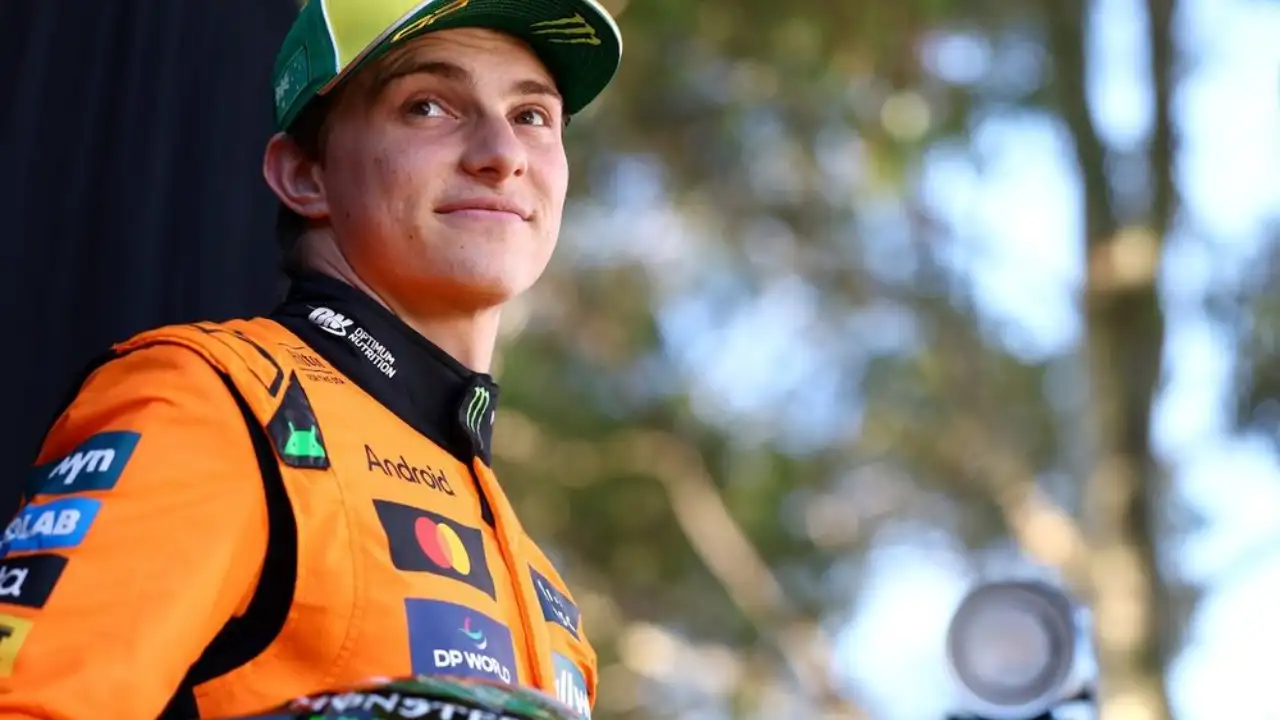

Formula 1, Sportrik Media - Oscar Piastri of McLaren F1 Team has warned that the complexity of Formula1’s 2026 power unit regulations could lead to significant unintended consequences for drivers and teams.
The new regulations, which place a greater emphasis on hybrid systems and energy management, have already drawn criticism from several drivers across the grid. Max Verstappen and Carlos Sainz have both questioned the impact of the rules on racing dynamics, highlighting the increasing technical burden placed on drivers.
Piastri has yet to start a grand prix this season after a crash on the way to the grid in Australia and an electrical issue on the grid in China forced him out. Despite this, he has been closely analysing the behaviour of the new systems and the operational challenges they introduce.
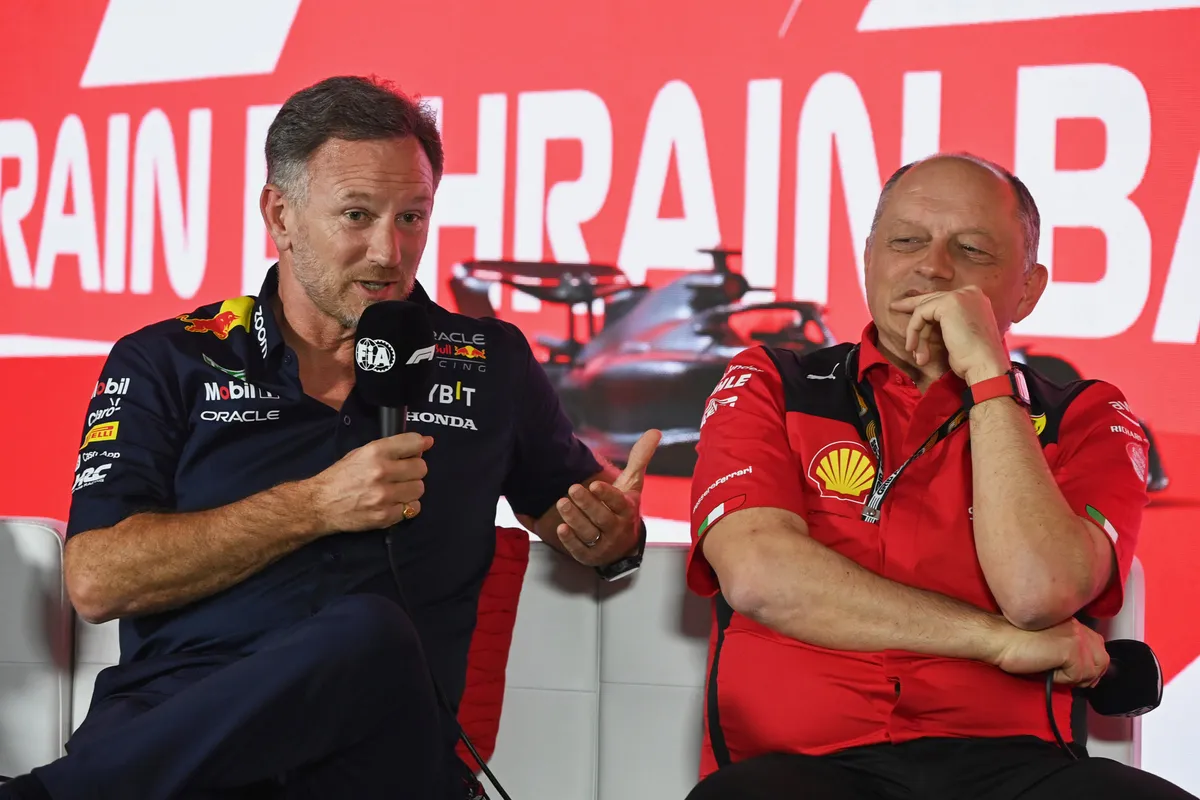
According to Piastri, the interconnected nature of the power unit systems means that even minor adjustments can trigger significant and sometimes unpredictable consequences elsewhere in the car’s performance.
“They’re just incredibly complex, and there are so many rules on the power units that you sometimes change one thing, and it has a very unintended consequence somewhere else.”
He explained that circuit characteristics play a crucial role in how energy systems behave. At Shanghai, for example, the layout provides strong opportunities for energy harvesting, reducing the need for lift-and-coast or super clipping compared to circuits like Melbourne.
“At a circuit like Shanghai, it is very harvest-rich, so you don’t have a problem with super clipping or needing to lift and coast, but you’ve got other problems because you can’t harvest as much as you want everywhere.”
Piastri also pointed out that drivers have limited direct control over these systems during a race. Many adjustments require pre-programmed settings or software changes, which cannot be easily modified in real time once the race is underway.
“There is nothing you can do about that as a driver, so we’re kind of learning. Even if we know there’s something we want to do differently, we can’t always act on it because it has to be programmed or requires a code change.”
This evolving technical landscape underlines that adaptation in 2026 is not solely dependent on driver skill, but also on the integration of software, energy strategy, and circuit-specific optimisation. Teams must rapidly refine these elements to remain competitive in the early phase of the new regulatory era.
As the season progresses, upcoming races will serve as critical benchmarks in determining whether the balance between technological advancement and racing quality can be maintained under the current framework.
Baca Juga
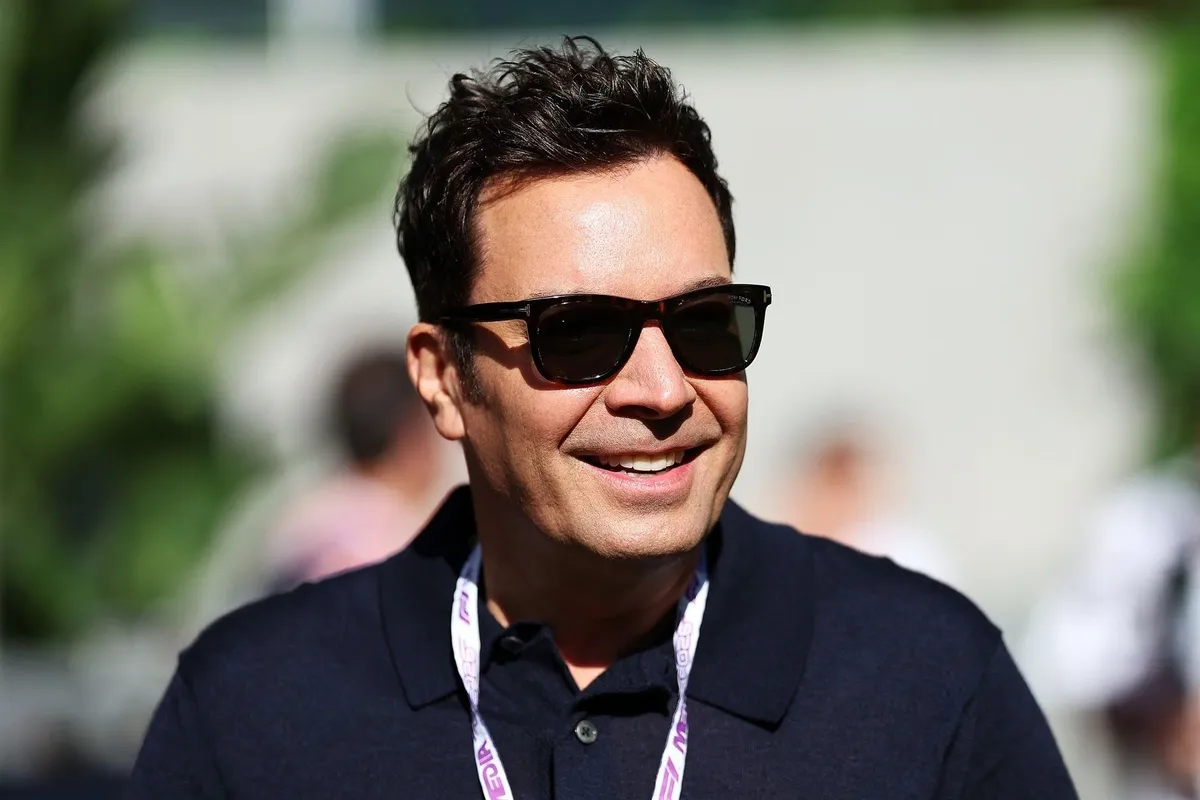
Stefano Domenicali ceritakan lelucon Jimmy Fallon di makan malam GP Miami: pizza dikirim ke restoran Michelin, lengkap dengan catatan lucu.
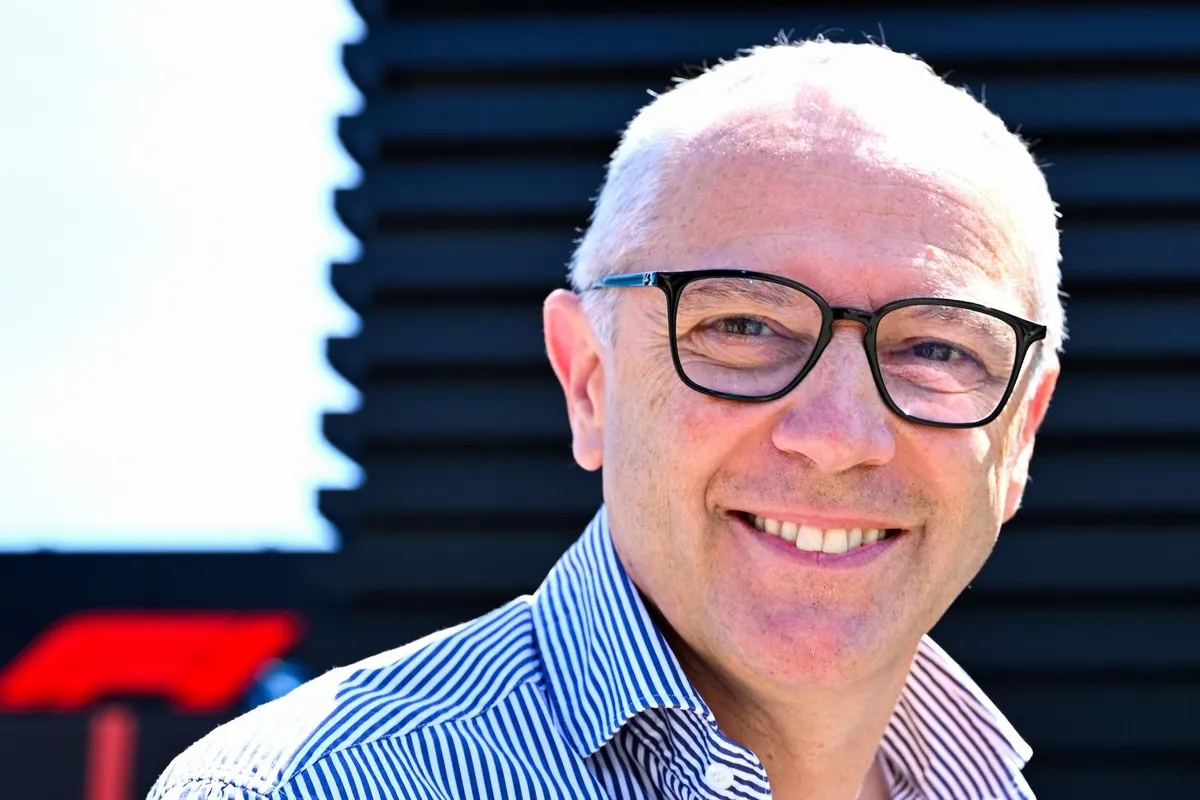
Formula 1 hampir menyentuh 1 miliar fans global. Stefano Domenicali soroti pertumbuhan audiens wanita dan strategi ekspansi di AS.
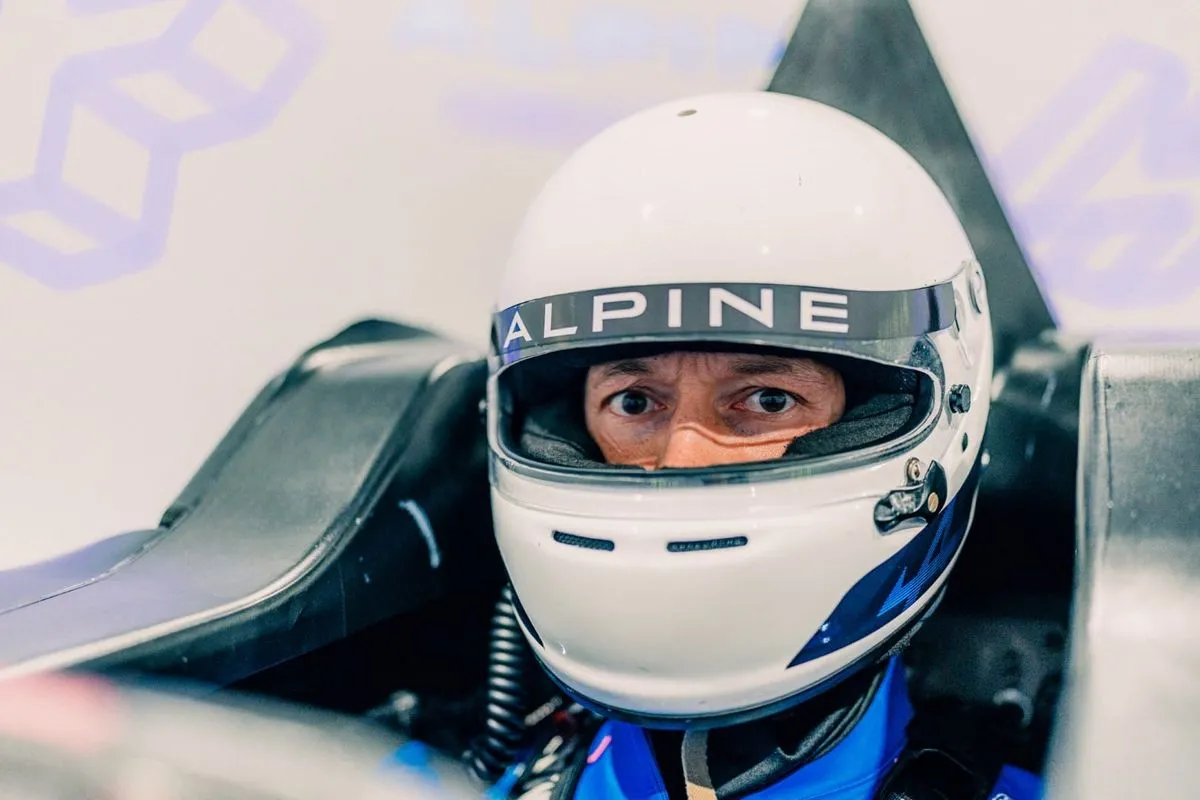
Alpine mengungkap peran tersembunyi Daniil Kvyat sebagai driver simulator yang membantu kebangkitan tim di F1 2026, termasuk turnaround di Jepang dan Kanada.
 Lanjutkan dengan Google
Diskusi & Komentar (0)
Mari Bergabung dalam Diskusi!
Masuk dengan mudah untuk mulai memberikan komentar, membalas, dan berinteraksi dengan pembaca lainnya.
Komentar Terbaru
Belum ada komentar. Jadilah yang pertama!