








The opening day of track action in Sepang delivered a puzzling scenario as Mercedes struggled to make its major aerodynamic package work harmoniously on the W17. What was supposed to be a straightforward validation run during practice at the Bahrain GP venue in Malaysia turned into a complex puzzle for the engineering crew.
FP1 was dedicated entirely to gathering baseline data on the updated sidepods and revised floor configurations. Naturally, the team prioritized telemetry over raw lap time, utilizing constant-speed runs to verify that the physical behavior on track matched their wind tunnel simulations.
The real surprise, however, unfolded during FP2 when George Russell and Kimi Antonelli could only manage seventh and eighth respectively. Both drivers sat roughly half a second adrift of the pace-setting benchmark established by Charles Leclerc.
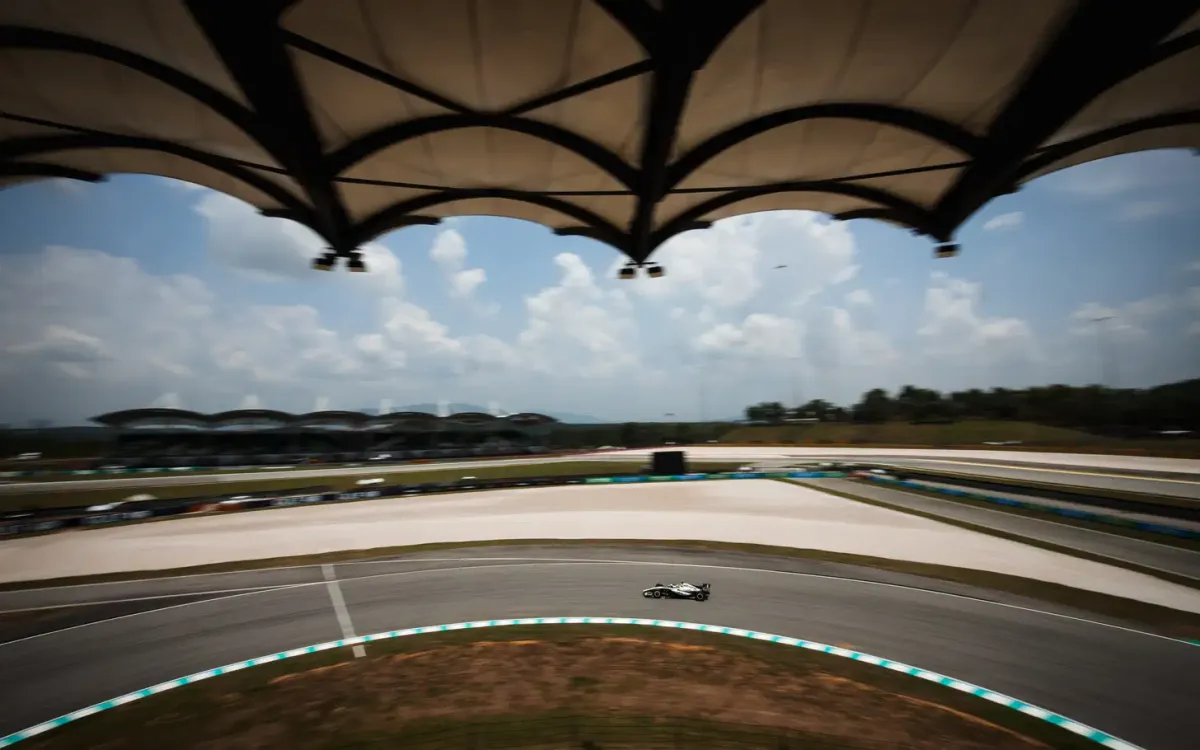
Despite trying various suspension tweaks and flap angle adjustments throughout the afternoon, neither driver found a comfortable balance. The dynamic response to the new aerodynamic maps simply refused to align with pre-event expectations, compounded by the challenging track evolution and high ambient temperatures at Sepang.
Rather than indicating a fundamentally flawed update, the shortfall points to intricate integration hurdles between old and new components. The crew now faces a race against time ahead of FP3 to completely reset their setup approach and unlock the true potential of the revised W17.
Baca Juga
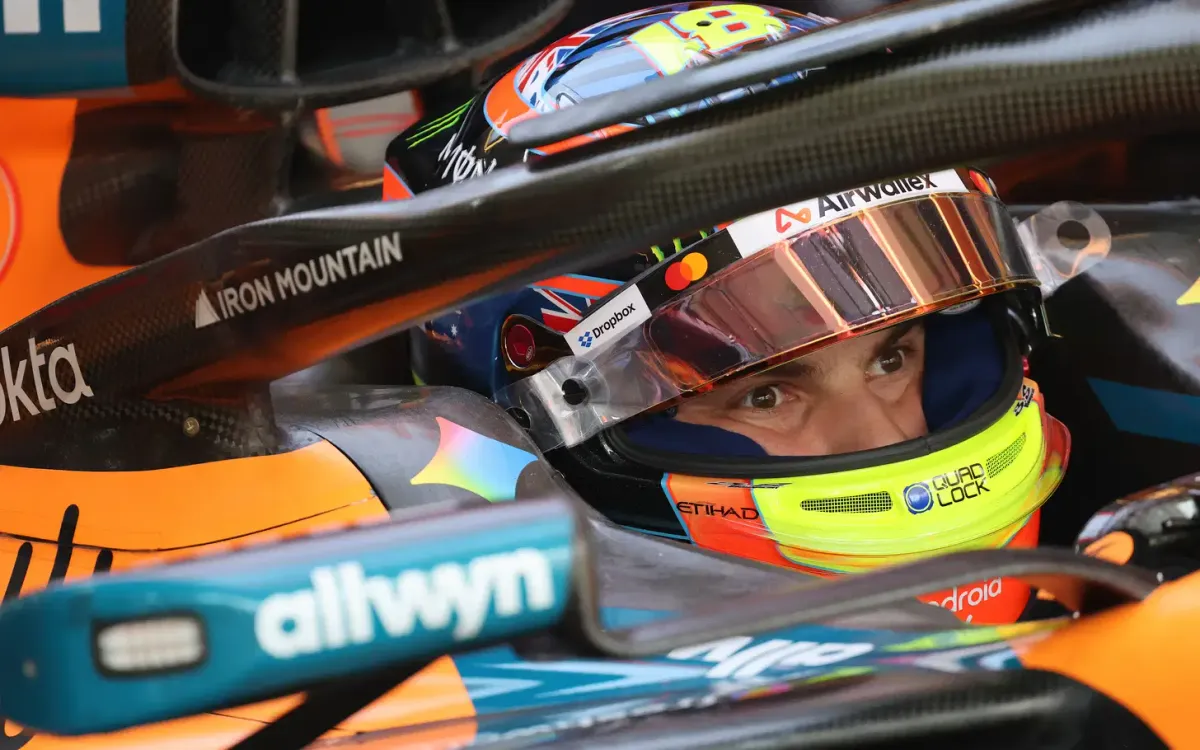
Oscar Piastri berharap McLaren mendapat giliran memimpin barisan depan Formula 1 di Sepang setelah melihat peta persaingan yang sangat ketat.
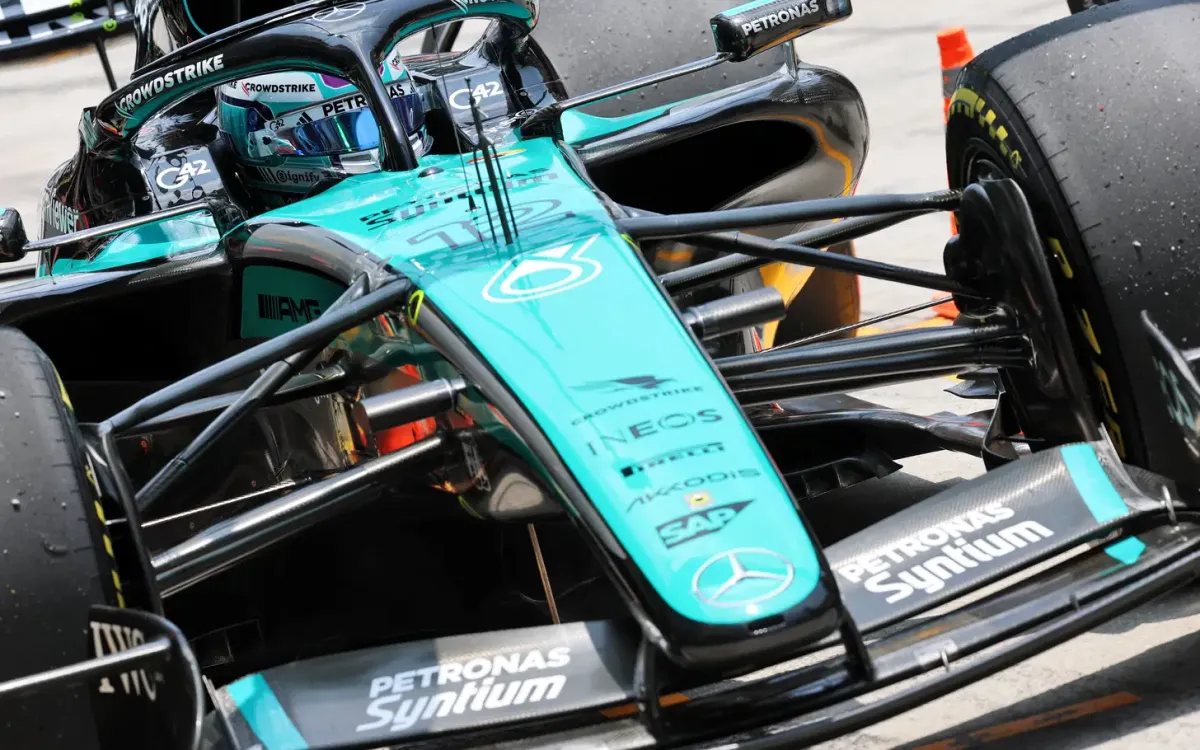
Mercedes menghadapi tantangan rumit dalam mengintegrasikan upgrade aero W17 pada latihan bebas GP Malaysia di Sepang akibat korelasi data yang meleset.
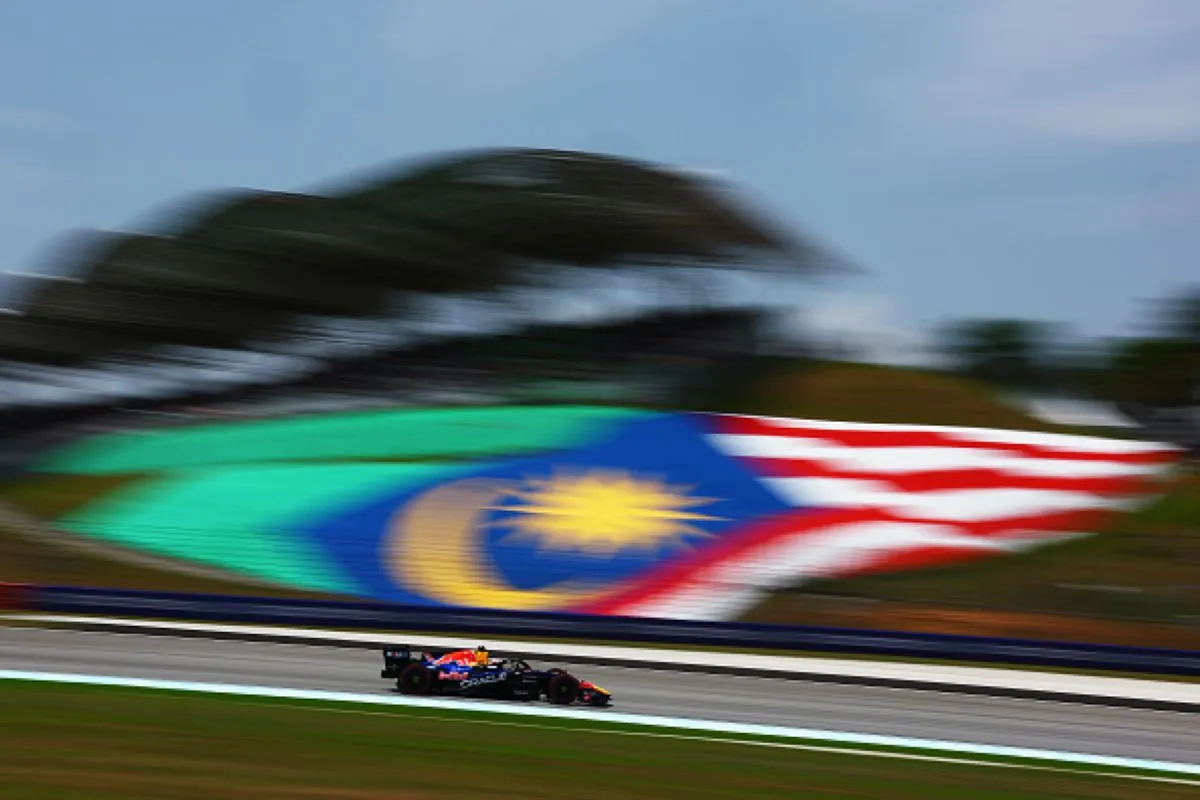
Misteri cuaca Sepang dan persiapan Mercedes menghadapi GP Malaysia diulas dalam analisis mendalam jelang akhir pekan balap Formula 1 yang penuh teka-teki.
 Lanjutkan dengan Google
Diskusi & Komentar (0)
Mari Bergabung dalam Diskusi!
Masuk dengan mudah untuk mulai memberikan komentar, membalas, dan berinteraksi dengan pembaca lainnya.
Komentar Terbaru
Belum ada komentar. Jadilah yang pertama!