






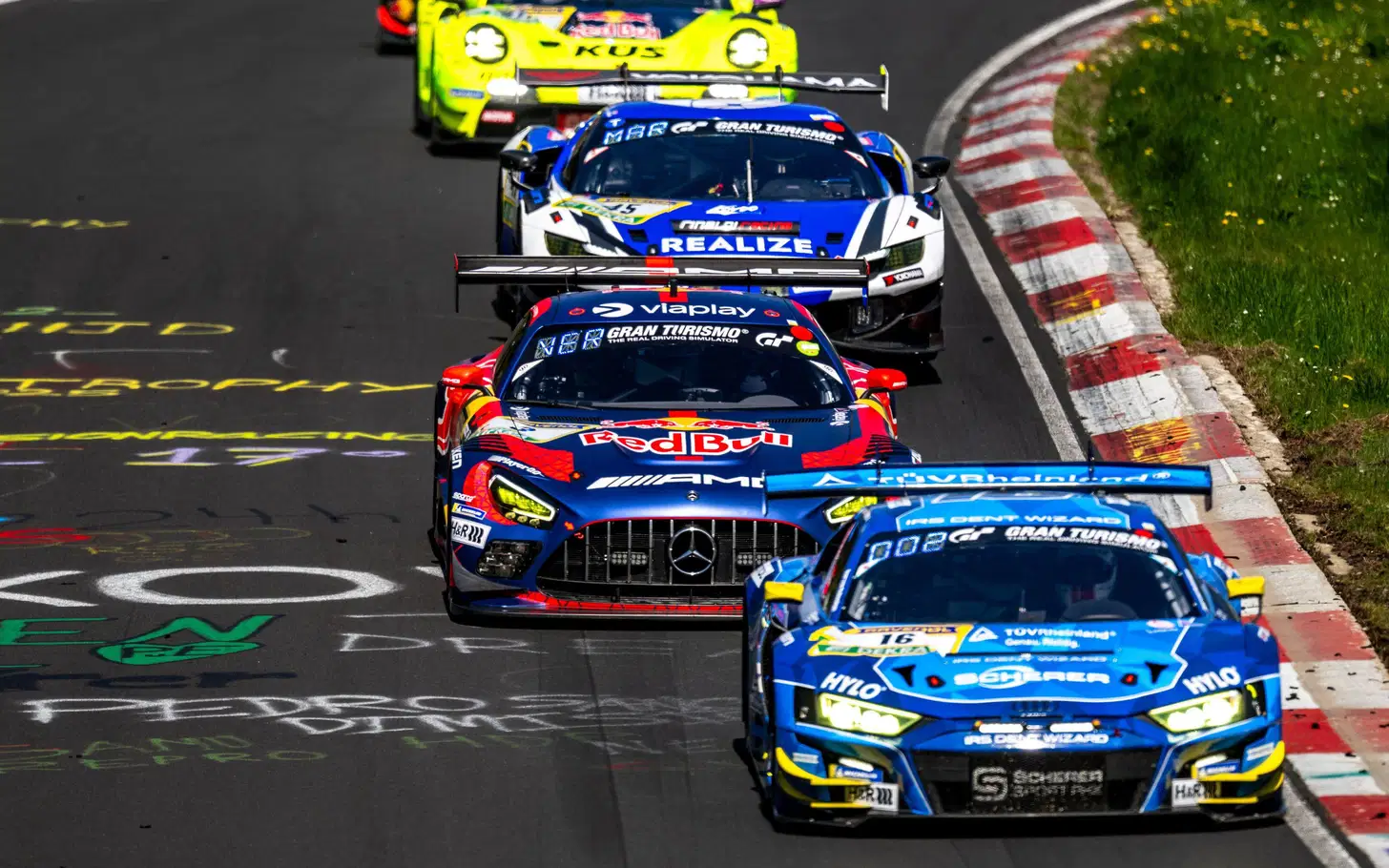

Motorsport, Sportrik Media - Max Verstappen delivered another competitive performance in GT racing at the Nürburgring Nordschleife as part of his preparation for next month’s 24 Hours of Nürburgring.
The Red Bull Racing driver was leading comfortably before sustaining damage that forced a lengthy pit stop, ending his chances of victory. Despite the setback, his pace and consistency once again demonstrated his ability to match experienced GT specialists on one of the most demanding circuits in motorsport.
Verstappen’s performance has drawn particular attention due to his approach when following other cars, especially in dealing with the effects of “dirty air,” which typically reduces front-end grip and tyre performance through corners.
His team-mate, Daniel Juncadella, previously revealed that Verstappen uses a specific technique that allows him to stay unusually close to rivals, even in high-speed and technical sections. This observation was supported by NLS commentator Peter Mackay, who suggested Verstappen had identified a way to exploit weaknesses in turbulent airflow.
“He seems to have found a weak spot in the turbulent slipstream, allowing him to follow more closely without destroying the front tyres,” Mackay noted.
However, the exact method behind this advantage remains unclear. One theory suggests that Max Verstappen deliberately positions the car into corners by slightly rotating the rear outward, reducing the aerodynamic disturbance affecting the front.
That interpretation was put to Jeroen Bleekemolen, a former Nürburgring 24 Hours winner, who downplayed the idea that the technique is revolutionary within GT racing.
“Of course, you can set the car slightly like that,” Bleekemolen explained.
“But it’s still difficult to follow another car closely. He does have an exceptional level of confidence, which allows him to push those limits without losing control.”
Bleekemolen also highlighted alternative possibilities, including the use of left-foot braking to stabilise the front end, or overlapping throttle and brake inputs—commonly referred to as pedal overlap—to maintain aerodynamic balance.
“He could be braking with the left foot to keep the nose down,” he added.
“Using both pedals at the same time is also possible, but that’s something many drivers already do.”
While there is growing consensus regarding the effectiveness of Verstappen’s approach, the precise technique remains unconfirmed. This has further underlined his adaptability and technical awareness beyond Formula 1 competition.
Greater clarity may emerge during the upcoming 24 Hours of Nürburgring, where Max Verstappen is expected to compete under full endurance racing conditions. The event will provide a broader context to evaluate whether his approach can consistently deliver performance advantages over extended race durations.
Baca Juga
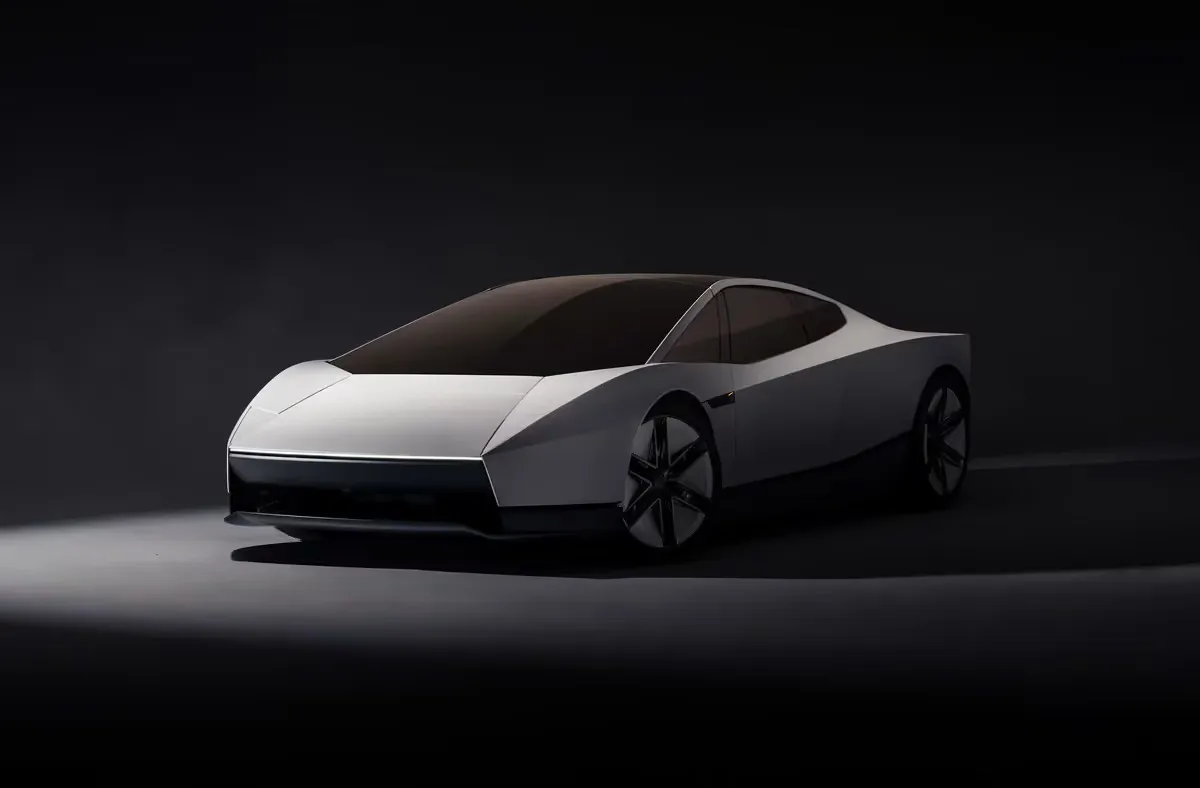
Simak pujian tak terduga CEO Ferrari untuk Tesla Roadster dan analisis mendalam seputar inovasi kendaraan listrik. Baca artikel selengkapnya di sini!
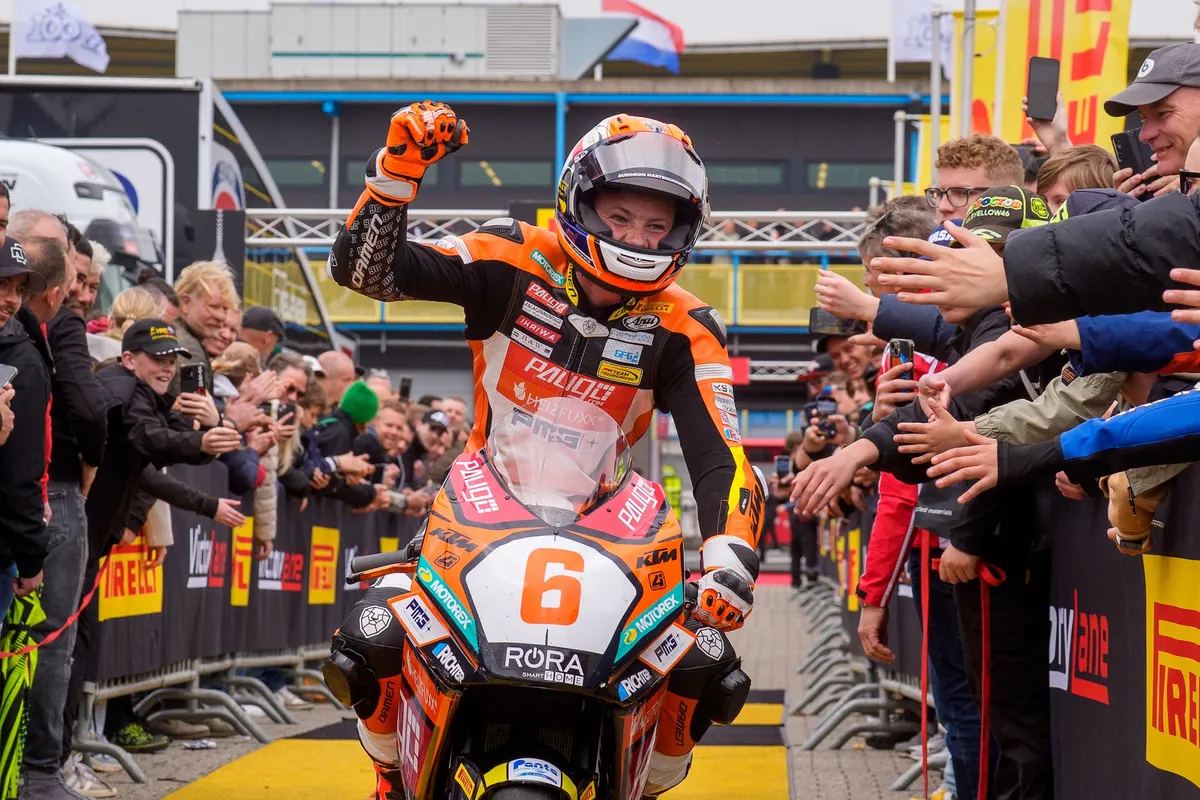
Juara dunia Jeffrey Buis putuskan pensiun dini di usia 24 tahun akibat kendala finansial. Baca analisis mendalam perjalanan kariernya di sini.
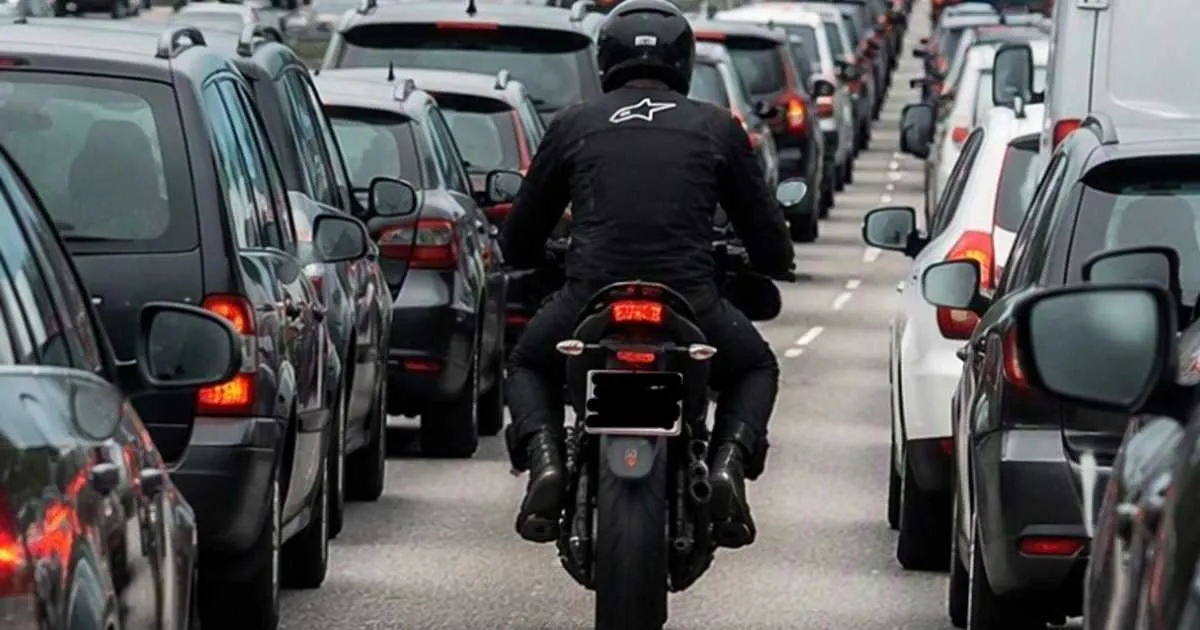
Italia segera legalkan motor menyalip kemacetan dan jalur darurat mulai 2028 dengan aturan keselamatan baru. Baca analisis mendalam di sini.
 Lanjutkan dengan Google
Diskusi & Komentar (0)
Mari Bergabung dalam Diskusi!
Masuk dengan mudah untuk mulai memberikan komentar, membalas, dan berinteraksi dengan pembaca lainnya.
Komentar Terbaru
Belum ada komentar. Jadilah yang pertama!