









Formula 1, Sportrik Media - Max Verstappen has stressed that a driver’s ability to adapt quickly will be a “very important” factor in the 2026 Formula 1 season, as the championship introduces its most significant power unit overhaul in years.
Formula 1’s new regulations usher in a fundamentally different power unit concept, featuring an even 50/50 split between internal combustion and electrical power. Alongside revisions to car dimensions, the changes are set to alter driving characteristics and race management from the outset of the new era.
The scale of the reset means the entire grid is effectively starting from scratch. That challenge is particularly acute for Red Bull Racing, which will enter a season for the first time as its own power unit supplier through Red Bull Powertrains, adding layers of technical complexity during the transition.
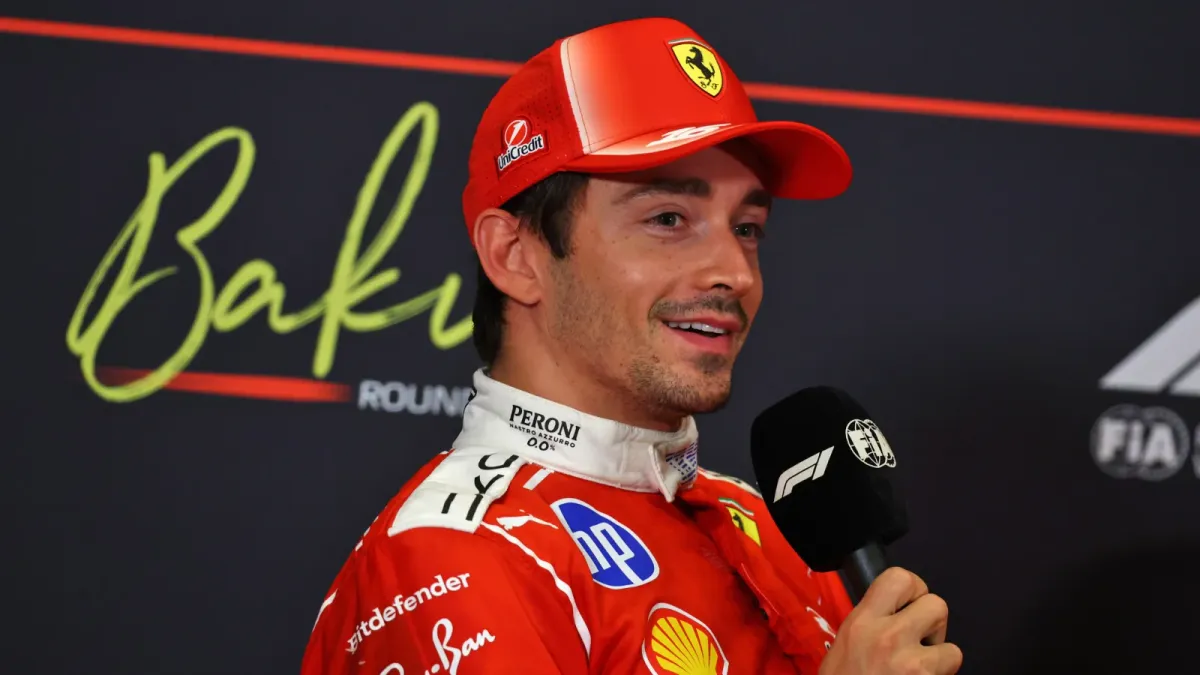
For drivers, the demands extend beyond extracting pace. All 22 competitors must learn new systems governing energy deployment and battery management, integrating those elements into lap time optimisation and race strategy as development accelerates through the season.
Verstappen’s reputation for quickly mastering difficult situations has often been cited as a potential early advantage under sweeping rule changes. However, the reigning champion played down any assumptions that the new regulations will inherently favour him.
Asked how the changes might benefit him personally, Verstappen was cautious in his assessment, noting that his own experience with the 2026 package remains limited.
“I honestly have no idea,” Verstappen told Bloomberg.
“I haven’t even done that many laps in the simulator. So for me, I’ll just see what happens when I sit in the car.”
Rather than focusing on perceived advantages, Verstappen pointed to adaptability as the enduring requirement for success, regardless of whether a driver is dealing with a familiar platform or a completely new one.
“I think what is always very important as a driver is that you can adapt quickly to the situation that you’re in, whether that’s a car you’ve known for a long time or a completely new car.”
He also highlighted that the learning curve will not be confined to pre-season testing, as rapid development is expected once teams begin to understand the new regulations.
“You need to be able to adapt quickly and learn quickly as well, because the cars will evolve very fast,” he added. “But honestly, I’m not too stressed about that.”
Verstappen’s comments underline a pragmatic mindset heading into 2026, where calm execution and rapid understanding may prove just as decisive as outright speed. In a regulation cycle defined by uncertainty and accelerated development, the drivers who adapt fastest are likely to shape the competitive order in the early phases of the season.
Baca Juga
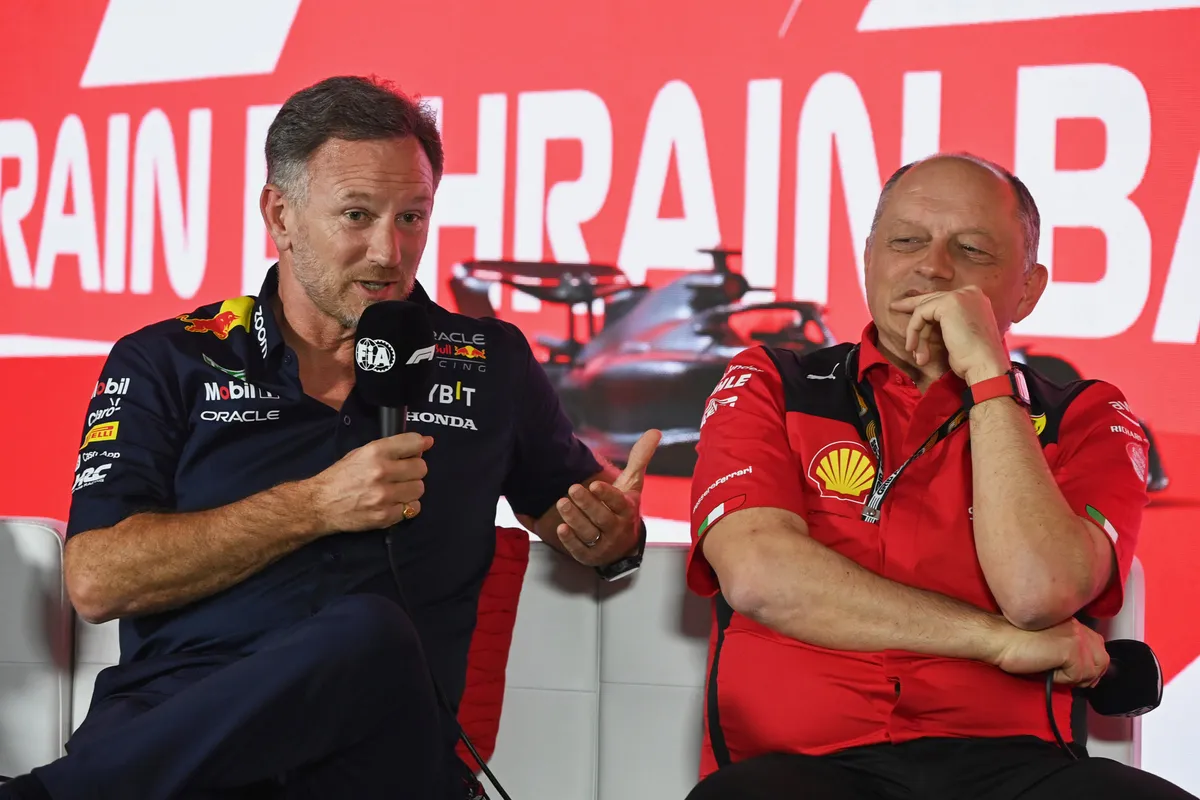
Christian Horner buka pintu kembali ke F1, sebut Ferrari satu-satunya tim yang menarik. Simak pernyataan lengkap dan spekulasi masa depannya.
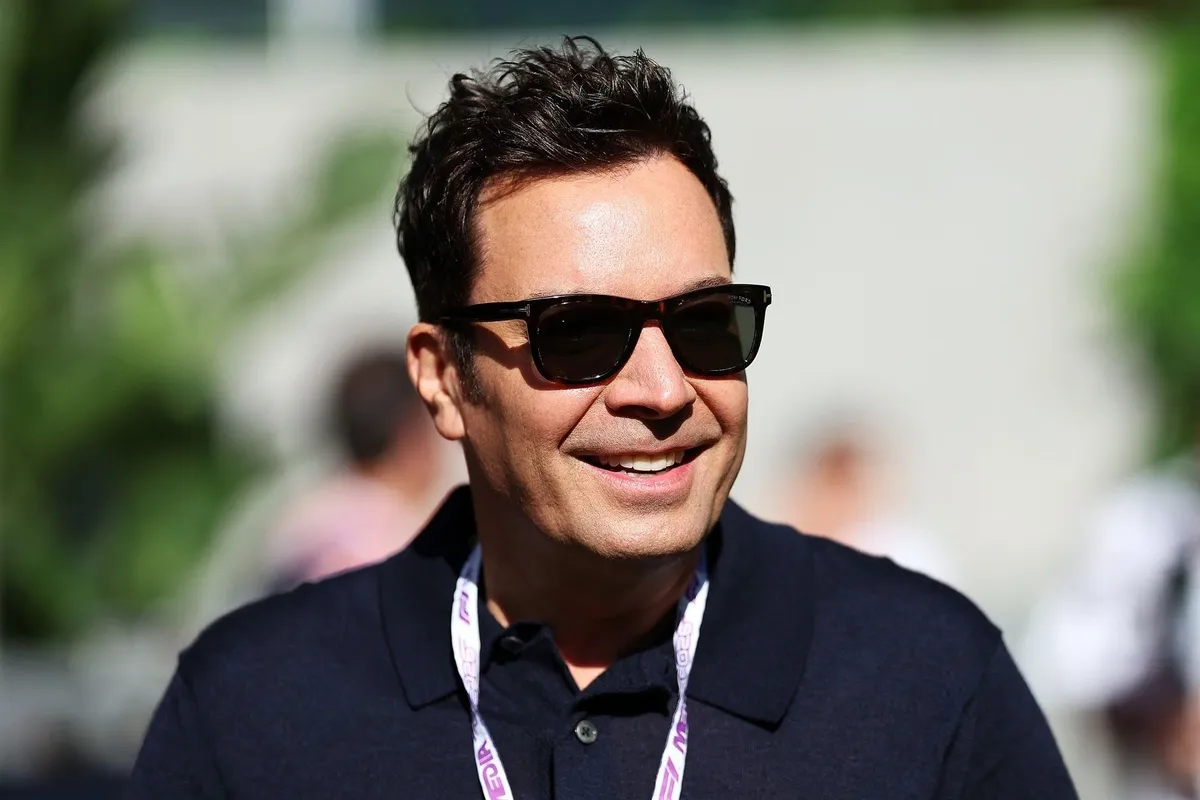
Stefano Domenicali ceritakan lelucon Jimmy Fallon di makan malam GP Miami: pizza dikirim ke restoran Michelin, lengkap dengan catatan lucu.

Formula 1 hampir menyentuh 1 miliar fans global. Stefano Domenicali soroti pertumbuhan audiens wanita dan strategi ekspansi di AS.
 Lanjutkan dengan Google
Diskusi & Komentar (0)
Mari Bergabung dalam Diskusi!
Masuk dengan mudah untuk mulai memberikan komentar, membalas, dan berinteraksi dengan pembaca lainnya.
Komentar Terbaru
Belum ada komentar. Jadilah yang pertama!