









Formula 1, Sportrik Media - the five-day Formula 1 2026 pre-season test at the Circuit de Barcelona-Catalunya delivered a clear message: fears of a repeat of the reliability chaos seen during previous major regulation changes were unfounded, as Max Verstappen and his rivals completed substantial mileage under the new power unit rules.
When Formula 1 last introduced a sweeping power unit overhaul in 2014, the early test days were defined by breakdowns and limited running, with cars frequently stranded in the garage or stopping on track. Given the scale of the 2026 power unit changes, concerns had emerged that similar problems could return.
To mitigate that risk, Formula 1 and the teams opted for a private five-day test in Barcelona, with fans and media excluded. The 2026 power unit combines internal combustion and electrical energy, removes the MGU-H entirely, and significantly increases the output of the MGU-K to 350kW, up from 120kW under the previous regulations.
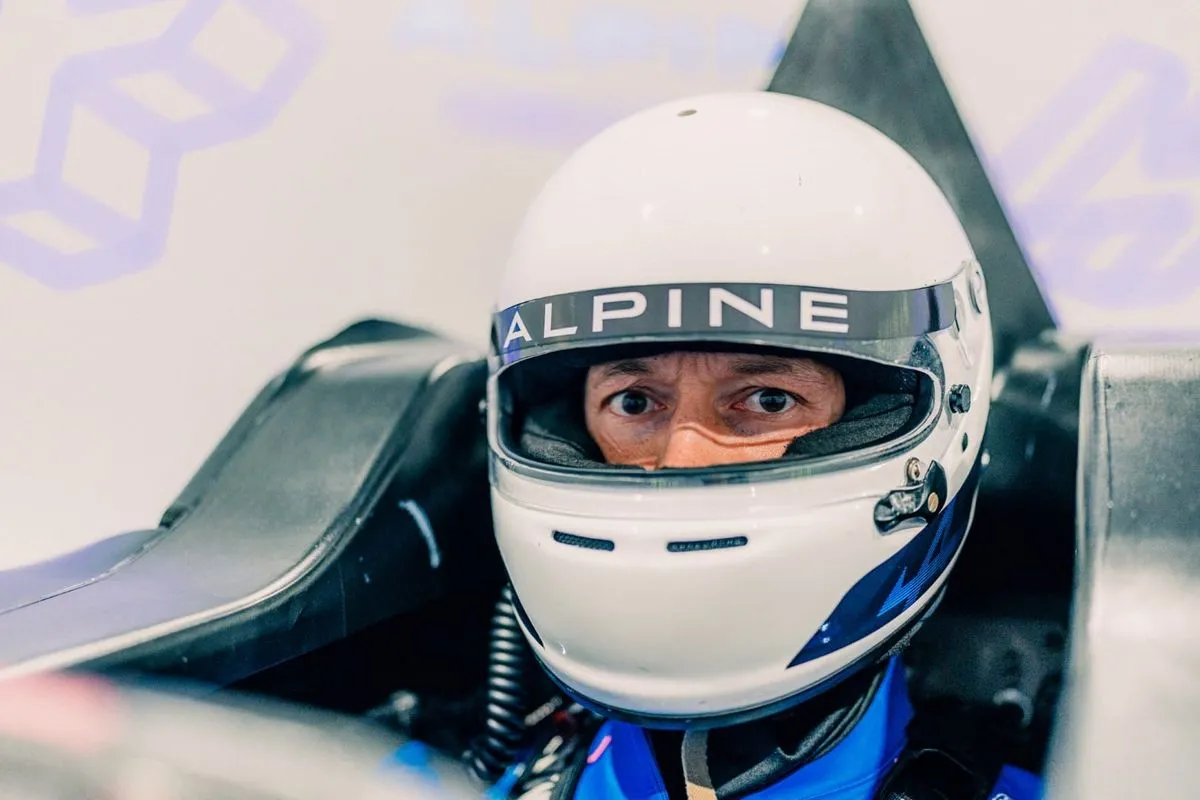
Despite the complexity of the new systems, reliability proved to be a major positive. Across the five days, most teams ran consistently, accumulating lap counts and mileage comparable to established regulatory cycles rather than transitional ones. The early stability of the new power units emerged as one of the key headlines from the test.
From a driver perspective, George Russell completed the highest mileage of the week for the Mercedes-AMG Petronas Formula One Team, logging 265 laps and 1,234 kilometres. Mercedes’ reliability was further reinforced by rookie Kimi Antonelli, while Lewis Hamilton and Charles Leclerc ensured Scuderia Ferrari also featured prominently near the top of the mileage charts.
Although its running was disrupted earlier in the week, Max Verstappen and Oracle Red Bull Racing still recorded meaningful mileage, contributing valuable data during the first test of the new era. For newcomers such as the Audi F1 Team and the Cadillac F1 Team, the Barcelona test served primarily as a foundation-building exercise focused on system validation and baseline reliability.
Overall, the lap and distance figures from Barcelona indicate that Formula 1 enters the 2026 regulations on a far more robust technical footing than during previous major transitions. With reliability established early, teams can now shift attention toward performance development as the season-opening race approaches.
Driver Laps and Distance – 2026 F1 Barcelona Pre-Season Test
| Pos | Driver | Team | Total Laps | Total Km |
|---|---|---|---|---|
| 1 | George Russell | Mercedes | 265 | 1,234 |
| 2 | Esteban Ocon | Haas | 239 | 1,113 |
| 3 | Kimi Antonelli | Mercedes | 237 | 1,103 |
| 4 | Charles Leclerc | Ferrari | 231 | 1,075 |
| 5 | Pierre Gasly | Alpine | 227 | 1,057 |
| 6 | Lewis Hamilton | Ferrari | 204 | 950 |
| 7 | Arvid Lindblad | Racing Bulls | 167 | 777 |
| 8 | Lando Norris | McLaren | 159 | 740 |
| 9 | Isack Hadjar | Red Bull | 158 | 735 |
| 10 | Liam Lawson | Racing Bulls | 152 | 707 |
| 11 | Oliver Bearman | Haas | 148 | 689 |
| 12 | Nico Hülkenberg | Audi | 146 | 679 |
| 13 | Max Verstappen | Red Bull | 145 | 675 |
| 14 | Oscar Piastri | McLaren | 128 | 596 |
| 15 | Franco Colapinto | Alpine | 118 | 549 |
| 16 | Gabriel Bortoleto | Audi | 94 | 437 |
| 17 | Valtteri Bottas | Cadillac | 87 | 405 |
| 18 | Sergio Perez | Cadillac | 77 | 358 |
| 19 | Fernando Alonso | Aston Martin | 61 | 284 |
| 20 | Lance Stroll | Aston Martin | 4 | 18 |
Team Laps and Distance – 2026 F1 Barcelona Pre-Season Test
| Pos | Team | Total Laps | Total Km |
|---|---|---|---|
| 1 | Mercedes | 502 | 2,337 |
| 2 | Ferrari | 435 | 2,025 |
| 3 | Haas | 387 | 1,802 |
| 4 | Alpine | 345 | 1,606 |
| 5 | Racing Bulls | 319 | 1,485 |
| 6 | Red Bull | 297 | 1,383 |
| 7 | McLaren | 287 | 1,336 |
| 8 | Audi | 240 | 1,117 |
| 9 | Cadillac | 164 | 763 |
| 10 | Aston Martin | 65 | 302 |
With the Barcelona test complete, early mileage trends suggest that reliability will not be the defining obstacle of the 2026 Formula 1 season. The challenge now shifts toward extracting performance gains from a stable technical platform as teams prepare for the opening round.
Baca Juga
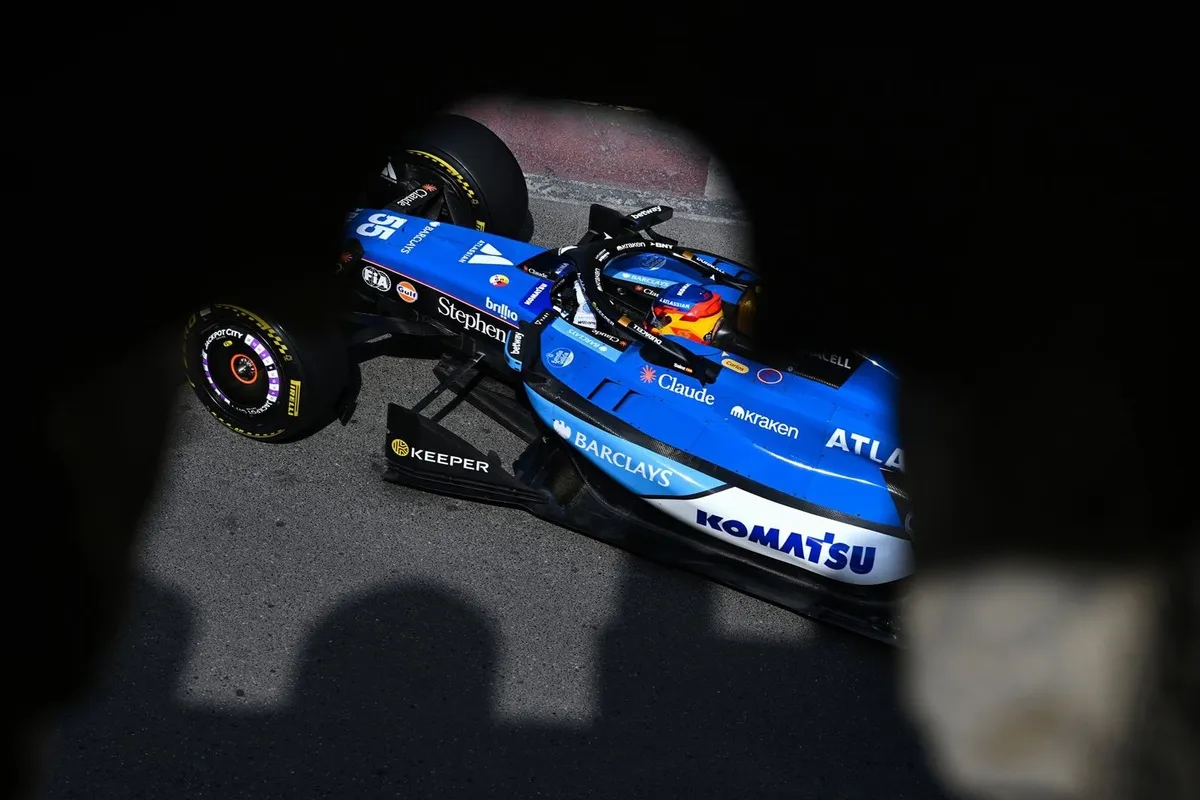
Williams akhirnya tampil kompetitif di F1 2026 berkat sasis ringan di Baku. Sainz sebut Q3 overachievement, Albon minta bukti di Malaysia.
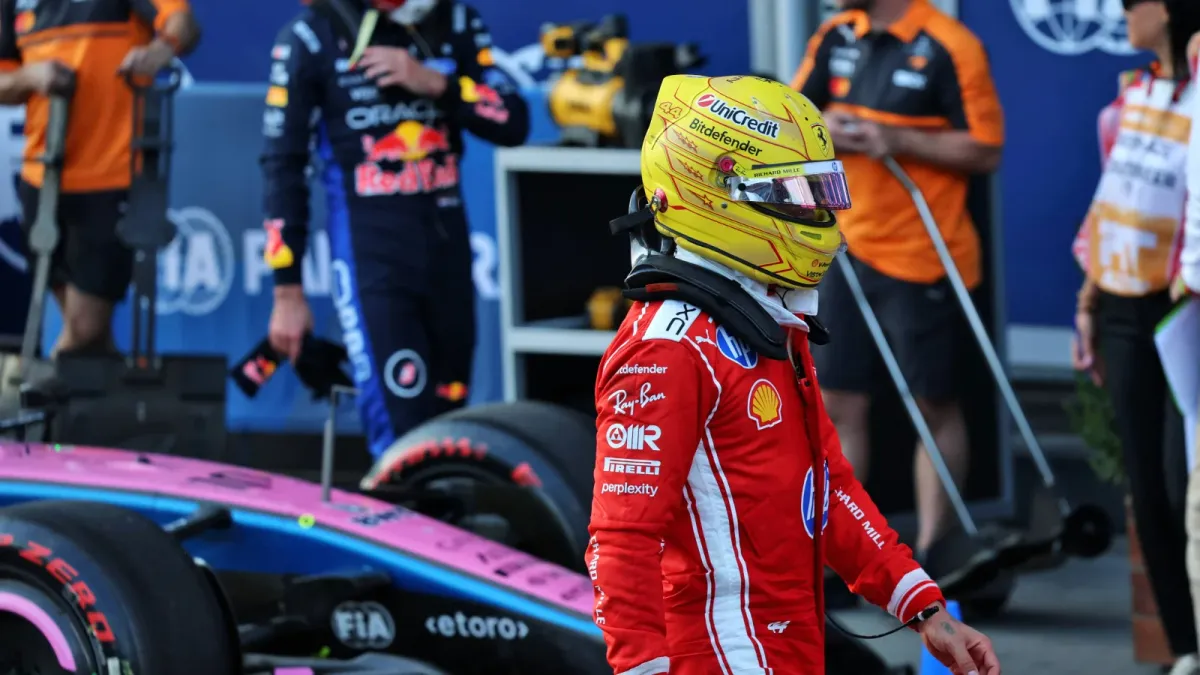
Lewis Hamilton mengkritik ban dan eksekusi tim setelah finis P6 di kualifikasi F1 Azerbaijan GP. Juara dunia tujuh kali itu menyebut ban sebagai 'pain in the arse'.
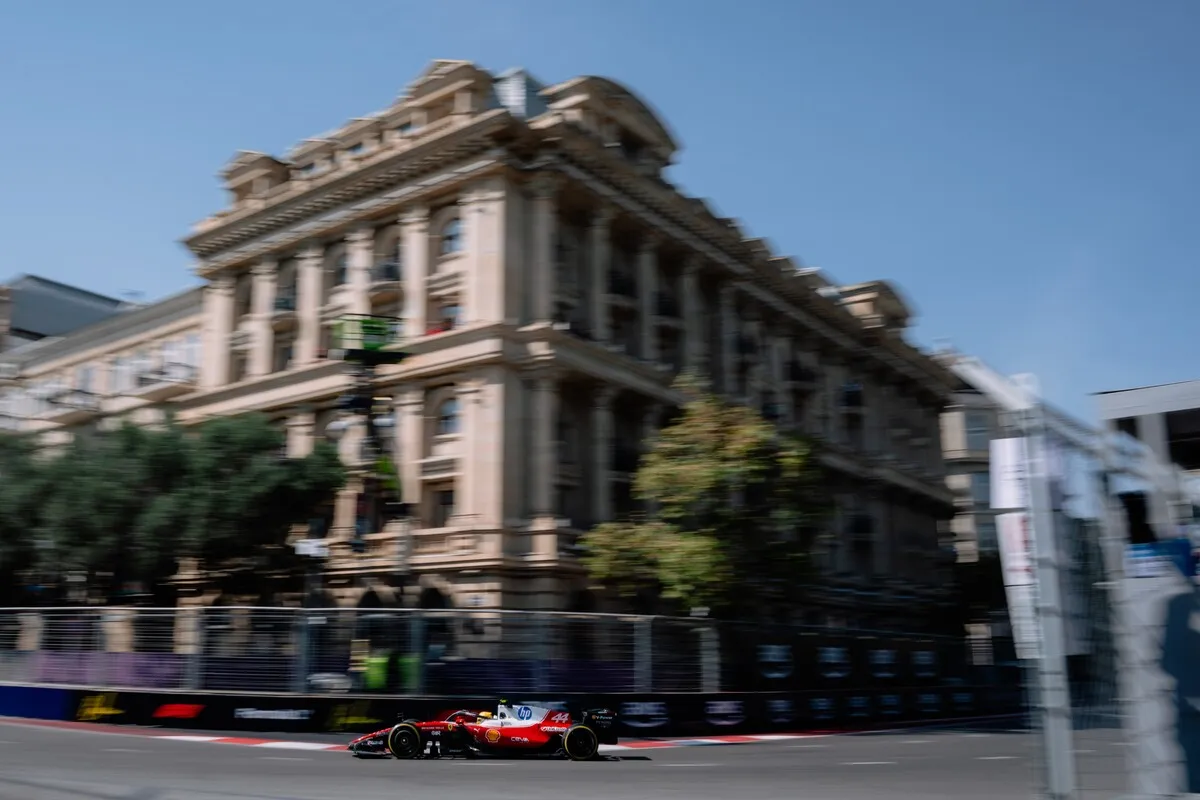
Analisis kualifikasi F1 GP Baku: Russell dominan dengan keunggulan 0,8 detik, Leclerc barisan depan, dan kesalahan Antonelli. Simak ulasan lengkapnya.
 Lanjutkan dengan Google
Diskusi & Komentar (0)
Mari Bergabung dalam Diskusi!
Masuk dengan mudah untuk mulai memberikan komentar, membalas, dan berinteraksi dengan pembaca lainnya.
Komentar Terbaru
Belum ada komentar. Jadilah yang pertama!