






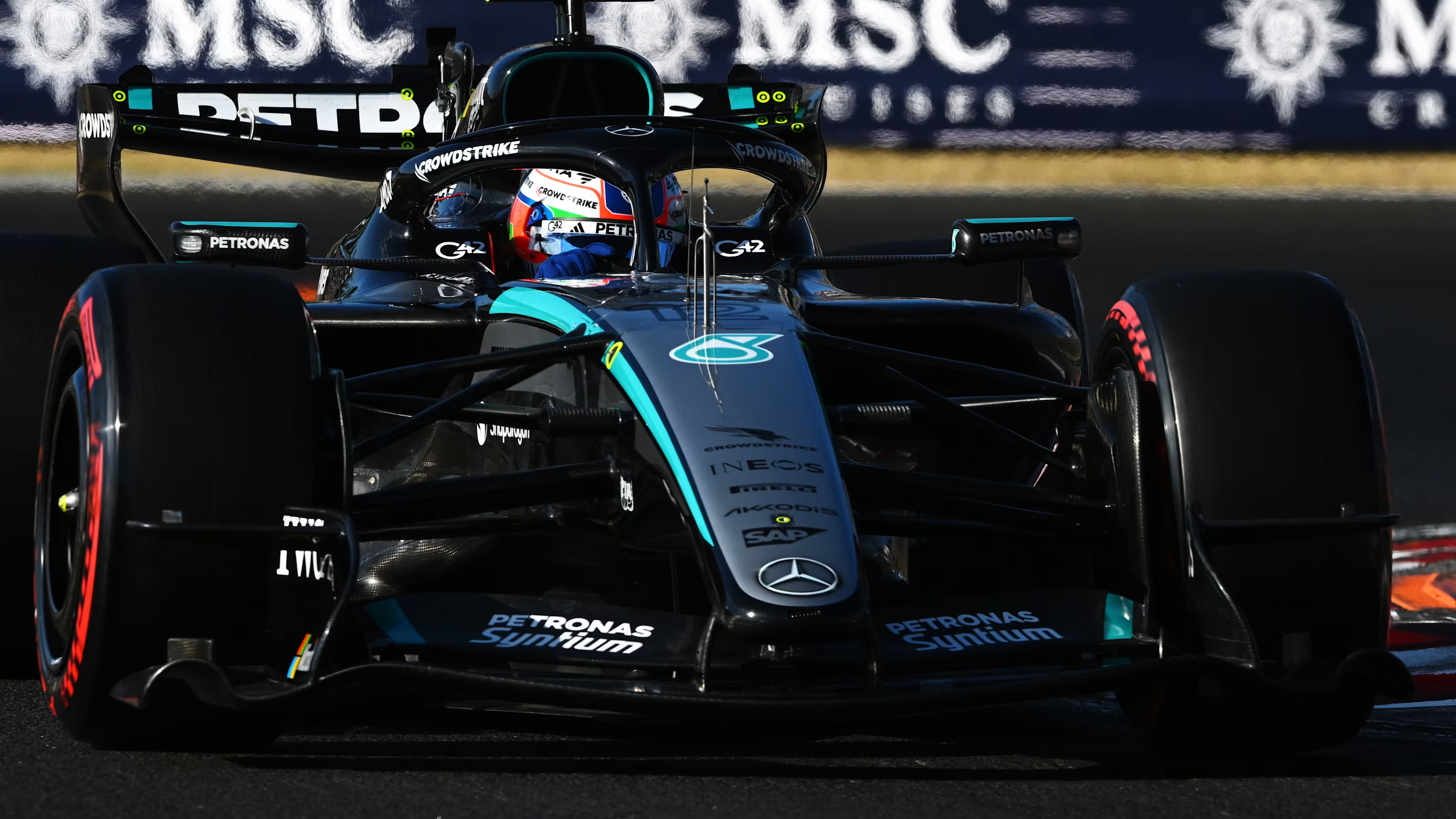

Kimi Antonelli has lost a strategically important starting position for the 2026 Hungarian Formula 1 Grand Prix after receiving a three-place grid penalty for failing to slow sufficiently under yellow flags at the end of qualifying.
The Mercedes driver originally set the fourth-fastest time at the Hungaroring. He was provisionally due to gain one position when Lewis Hamilton received a separate three-place penalty for impeding Oscar Piastri, but Antonelli’s own investigation produced another change to the leading section of the grid.
The incident occurred during the closing stages of Q3 when Max Verstappen spun and came to a halt in the run-off area at the final corner. Local yellow flags were displayed to warn the drivers completing their final flying laps, placing them under an obligation to reduce speed and prepare for a potential hazard.
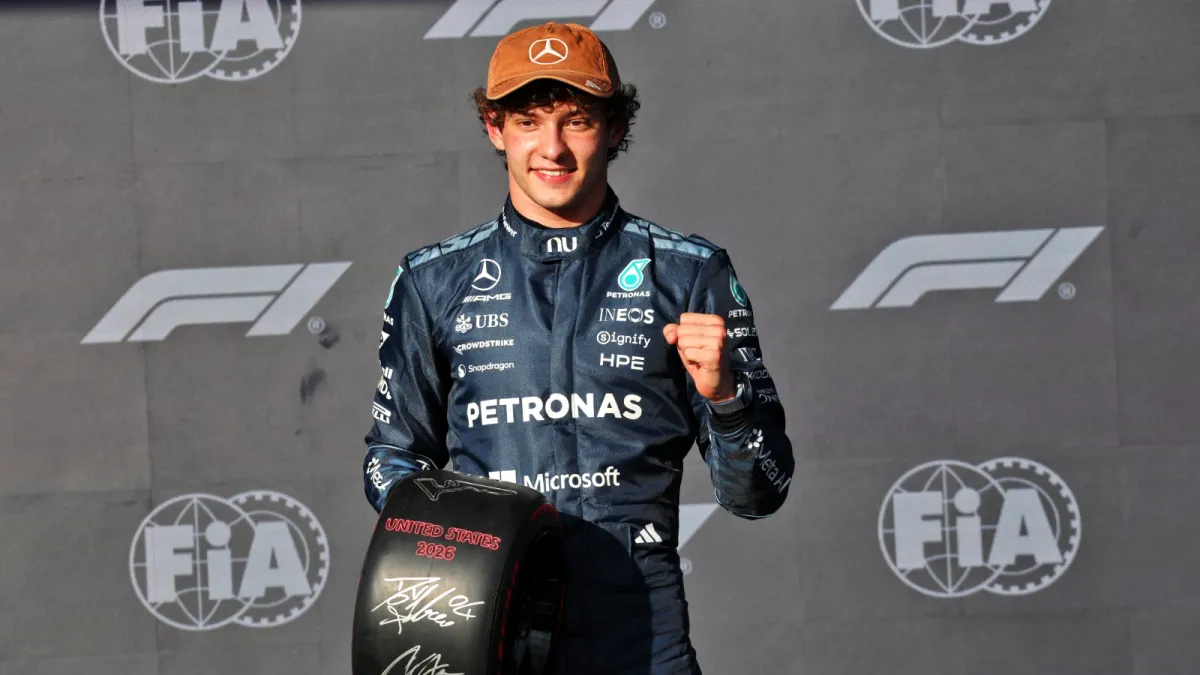
Antonelli still improved his final-sector time on the lap, prompting the stewards to investigate whether his response to the flags had been sufficient. Their review concluded that he breached Appendix H, Article 2.5.5 b) of the International Sporting Code and B1.8.4a of the FIA Formula 1 Regulations.
Telemetry showed that Antonelli did lift off the throttle earlier than on his previous push lap. However, the stewards determined that the reduction lasted for only a short period and did not create a sufficiently significant or sustained decrease in speed through the relevant mini sector.
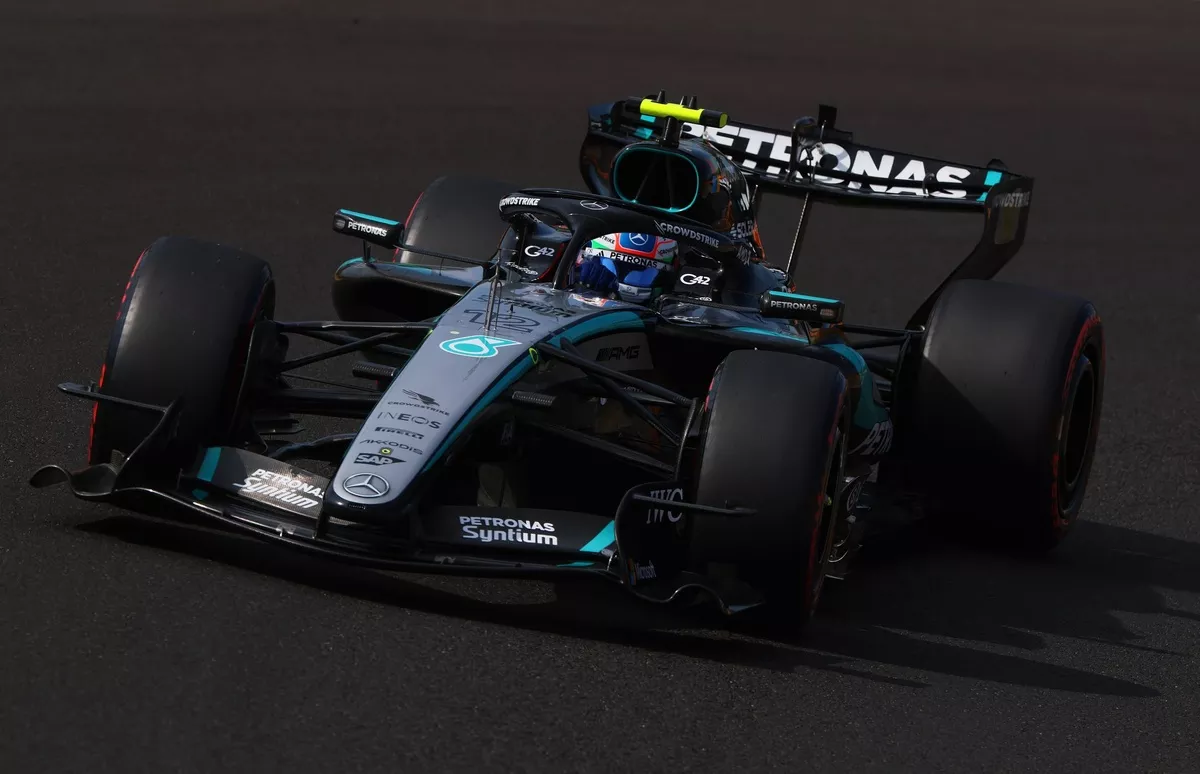
Antonelli entered the yellow-flag sector at a lower speed than on the comparison lap, but he was travelling slightly faster when passing the location of Verstappen’s incident. His mini-sector time was also only marginally slower than his personal best, reinforcing the stewards’ conclusion that his response had been inadequate.
The established penalty guidelines could have resulted in a five-place grid drop. The stewards nevertheless acknowledged that Antonelli had made an initial attempt to reduce speed and had limited time and distance to react after seeing the yellow flag and light panel.
Those mitigating factors reduced the sanction to three grid positions. Antonelli was also issued one penalty point on his super licence, adding a regulatory consequence to the immediate sporting damage caused by his lower starting position.
The penalty concluded a weekend that had already been more difficult than expected for the championship leader. Antonelli sat out FP1 to allow Fred Vesti to complete one of Mercedes’ mandatory young-driver practice appearances, costing him 60 minutes of running in unusually demanding track conditions.
The Hungaroring surface offered low grip and was dusty and bumpy in several areas. Gusty and changing winds further complicated the balance of the cars, particularly during corner entry and when the drivers attempted to stabilise the rear axle.
Antonelli struggled with the balance of the W17 when he entered the car for FP2. His first attempt was interrupted by a red flag, while traffic and rear locking prevented him from completing another representative lap cleanly.
Those difficulties increased the value of the FP1 running he had missed. Antonelli later admitted that Hungary was probably not the ideal event at which to complete his second practice absence of the season. An additional hour could have helped him understand the grip evolution, establish a rhythm and provide Mercedes with clearer set-up direction earlier in the weekend.
Mercedes faced broader problems across both cars. George Russell also struggled to generate consistent grip and balance, while the W17’s single-lap performance appeared weaker than its long-run pace. The team made substantial mechanical changes between the two Friday sessions in an attempt to move the car into a more effective operating window.
The pattern continued into qualifying. For the first time during the 2026 season, Mercedes failed to secure pole position in a Grand Prix qualifying session. Lando Norris delivered the fastest lap for McLaren, while Ferrari placed both cars among the leading contenders before Hamilton’s penalty was applied.
Antonelli acknowledged that his decisive lap was not clean, particularly at the final corner. He believed a better execution could have placed him third, although he accepted that it would still not have been sufficient to defeat Norris for pole.
That assessment indicated Mercedes had further performance available but did not possess the outright fastest package in Budapest. The yellow-flag penalty then transformed a qualifying deficit into a more serious strategic problem for Sunday’s race.
Track position carries particular importance at the Hungaroring because its narrow and technical configuration limits overtaking opportunities. A driver starting further back risks becoming trapped in a train of cars, losing performance in turbulent air and being unable to exploit the true pace of the machinery.
Hot conditions are also expected to increase pressure on tyre life and cooling. Antonelli therefore needs more than an effective launch. Mercedes must find a way to move him through traffic without exposing the tyres to excessive degradation or compromising the remaining stages of the race.
The team could extend a stint to create a tyre offset, attempt an undercut when clear track becomes available or wait for a safety car or virtual safety car intervention. Each option carries significant risk because positions surrendered in the pit lane are not always easy to recover on track at the Hungaroring.
Antonelli’s championship position adds another layer to the challenge. As the points leader, he must balance aggression with the need to protect his advantage. Starting lower increases the likelihood of close combat during the opening laps and gives his direct rivals an opportunity to reduce the gap in the standings.
The penalty does not necessarily remove Antonelli from contention for a strong result. Mercedes’ long-run pace on Friday appeared more competitive than its single-lap performance. If that characteristic remains present during the race, the W17 could provide a foundation for recovering positions through consistency, tyre management and strategy.
However, Antonelli can no longer rely on a leading grid position to control the race. He must recover at a circuit that punishes small errors, while Mercedes must ensure that its balance, grip and tyre-management difficulties do not continue to restrict his progress.
The 2026 Hungarian Formula 1 Grand Prix has therefore become a different test for the championship leader. Instead of attacking directly from the front rows, Antonelli must demonstrate his ability to limit the damage, manage the race and exploit every strategic opportunity available at the Hungaroring.
Baca Juga
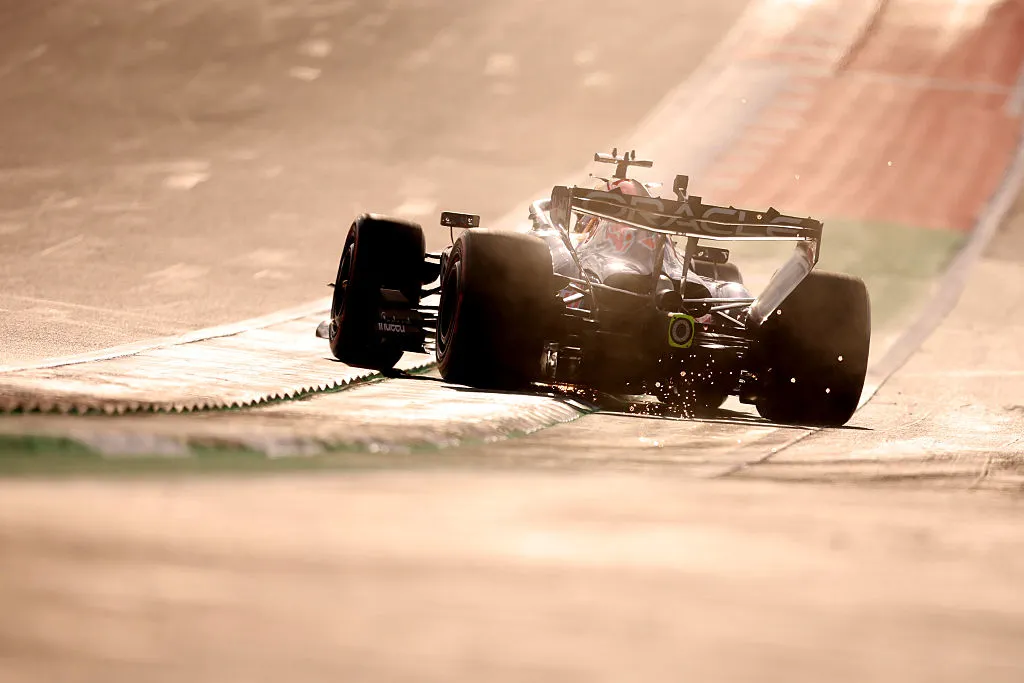
Simak analisis lengkap keluhan Max Verstappen soal bahaya trek Austin terhadap cedera tulang belakang pembalap F1 2026. Baca selengkapnya di sini!
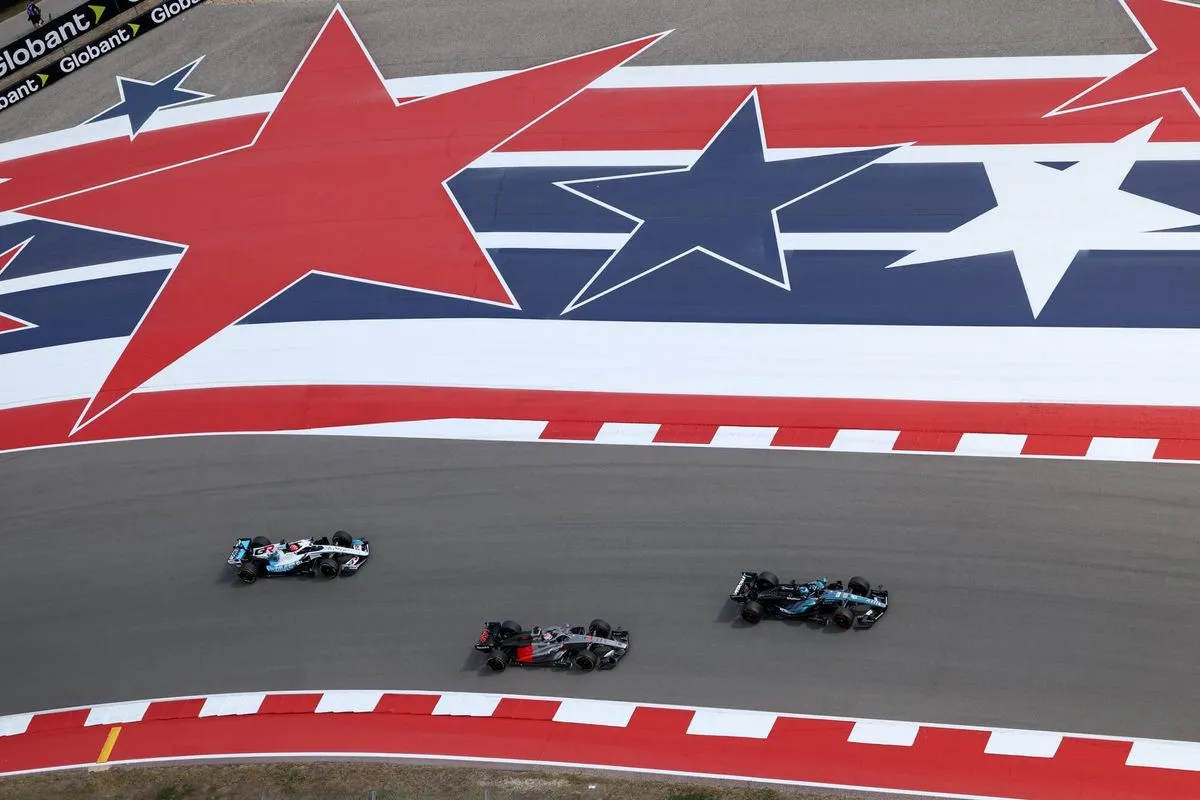
Simak analisis lengkap mengapa Formula 1 sangat yakin kerja sama siaran eksklusif dengan Apple TV di AS sukses besar. Baca ulasan mendalam di sini!
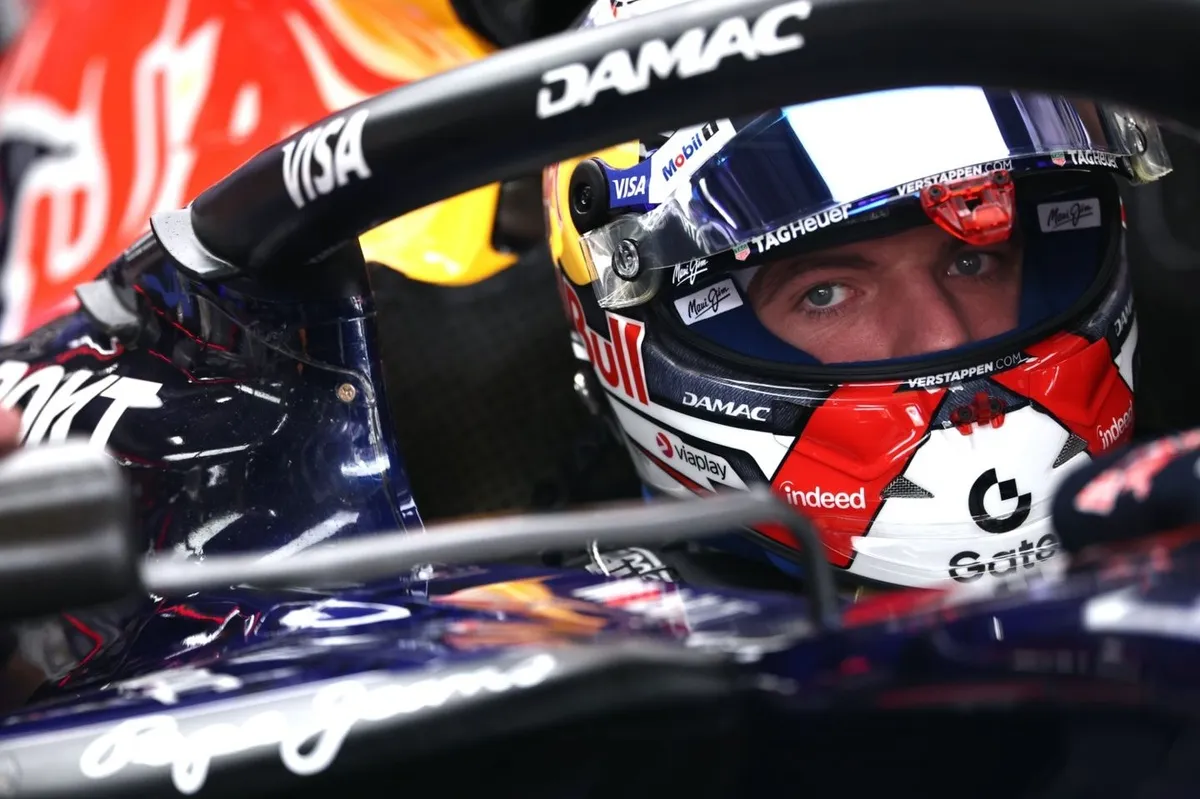
Max Verstappen usulkan bongkar total trek Austin demi atasi gundukan ekstrem. Baca analisis mendalam dan update lengkap Formula 1 di sini!
 Lanjutkan dengan Google
Diskusi & Komentar (0)
Mari Bergabung dalam Diskusi!
Masuk dengan mudah untuk mulai memberikan komentar, membalas, dan berinteraksi dengan pembaca lainnya.
Komentar Terbaru
Belum ada komentar. Jadilah yang pertama!