







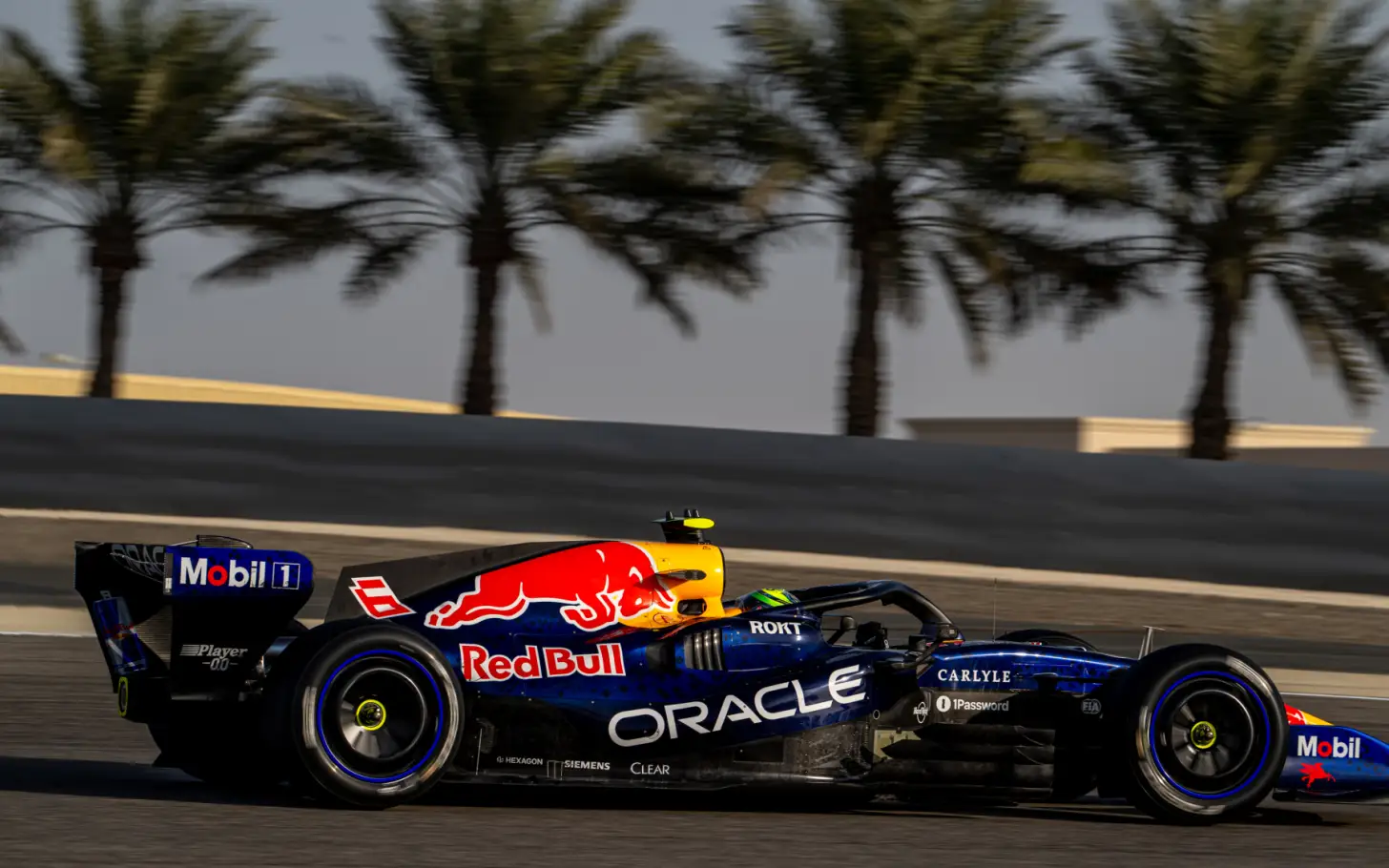

Formula 1, Sportrik Media - Isack Hadjar has called for faster Formula 1 machinery under the 2026 regulations, as the new Oracle Red Bull Racing driver prepares to partner Max Verstappen in a radically revised technical era.
The introduction of new aerodynamic frameworks and heavily revised power unit regulations has triggered widespread debate throughout the paddock. Senior figures including Lewis Hamilton and Fernando Alonso have previously expressed concerns about the driving characteristics of the new generation cars, particularly the increased emphasis on hybrid energy deployment and electrical harvesting limits.
Early simulations and pre-season testing have underlined the scale of the shift. Lift-and-coast techniques appearing even during qualifying simulations, as well as instances of cars slowing before traditional braking points on long straights, have reinforced expectations that outright lap times could fall several seconds short of the previous regulatory cycle.
For Hadjar, the prospect of lap records remaining untouched is difficult to ignore. The 21-year-old emphasised that for any driver entering Formula 1, the dream is intrinsically linked to driving the fastest cars in the sport’s history.
“Formula 1? Yes. For sure, I want to drive cars that can break lap records. You know, that's what you dream of when you're a kid. So, yeah, I'd like to drive faster cars.”
While he acknowledged that the new machines remain recognisably Formula 1 in concept and intensity, Hadjar suggested that the visceral sense of ultimate speed differs from the previous era. Historically, lap records have symbolised technical progression and engineering excellence, serving as a tangible benchmark of innovation.
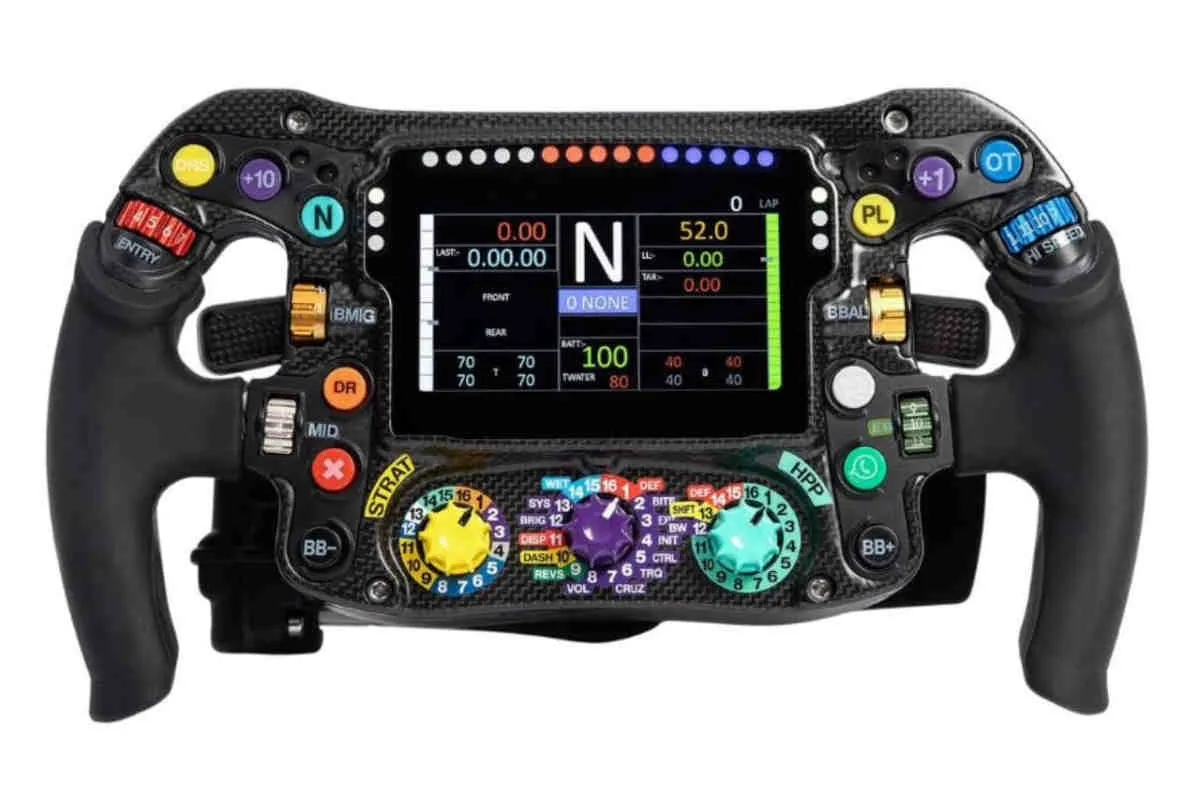
The 2026 framework places unprecedented weight on energy management, fundamentally altering cockpit workload. Drivers must now balance deployment strategies, battery recovery targets and power allocation throughout a lap with greater precision than before. According to Hadjar, this added complexity transforms the driving approach itself.
“It requires using your brain a bit more, so it's a bit more difficult for everyone.”
“It's less natural to drive but there's more of an opportunity to make a difference, that's for sure.”
Those remarks reflect the dual nature of the new era. On one hand, peak lap times may not match the benchmarks of the outgoing regulations. On the other, the expanded variables around energy optimisation create new opportunities for drivers to influence performance through strategic intelligence and execution rather than relying purely on mechanical grip and aerodynamic load.
For Red Bull, adapting quickly to the revised regulatory landscape will be central to maintaining competitive momentum. Hadjar’s promotion from the junior programme into a front-line seat places him within an established high-performance structure accustomed to extracting marginal gains from complex technical packages. His integration will require rapid assimilation of systems knowledge, particularly in managing hybrid deployment windows across varying circuit characteristics.
Despite voicing a preference for faster cars capable of rewriting record books, Hadjar was clear that the essence of Formula 1 competition remains intact. The opportunity to fight for victories against elite opposition continues to define the appeal of the category.
“I mean, for sure, the excitement of fighting for wins against top drivers is still going to be here, and that's what matters the most.”
“But still, you'd like to do it in cars that are super, super fast. It makes it a bit better normally.”
As the 2026 season approaches, the debate between absolute speed and technical complexity is set to intensify. The regulations aim to balance sustainability, efficiency and competitive parity, yet driver perception will inevitably influence how the era is judged historically. For Hadjar, the challenge lies not only in adapting to a more analytical driving style but in maximising performance within a framework where intelligence and energy precision are as decisive as outright pace.
Baca Juga
George Russell menghadapi rekor sejarah F1 yang amat berat untuk mengejar ketertinggalan poin dari Kimi Antonelli di sisa musim.
Liam Lawson menyesali keputusannya tidak bertarung lebih keras melawan Oscar Piastri setelah mengamankan finis posisi ketujuh di GP Sepang.
Krisis software F1 di Sepang paksa Hamilton restart mobil seperti modem. Verstappen sebut mirip Lego akibat glitch sistem elektrik.
 Lanjutkan dengan Google
Diskusi & Komentar (0)
Mari Bergabung dalam Diskusi!
Masuk dengan mudah untuk mulai memberikan komentar, membalas, dan berinteraksi dengan pembaca lainnya.
Komentar Terbaru
Belum ada komentar. Jadilah yang pertama!