







Max Verstappen was once seriously contemplating the prospect of enduring a winless Formula 1 season during the early stages of the year when Red Bull Racing languished as a distant fourth in the pecking order, occasionally battling against midfield outfits like Haas and Alpine. Intense speculation naturally swirled regarding his long-term future, though the Dutchman later revealed he came closer to an early retirement than switching teams before finally committing to a two-year contract extension ahead of his home event at Zandvoort.
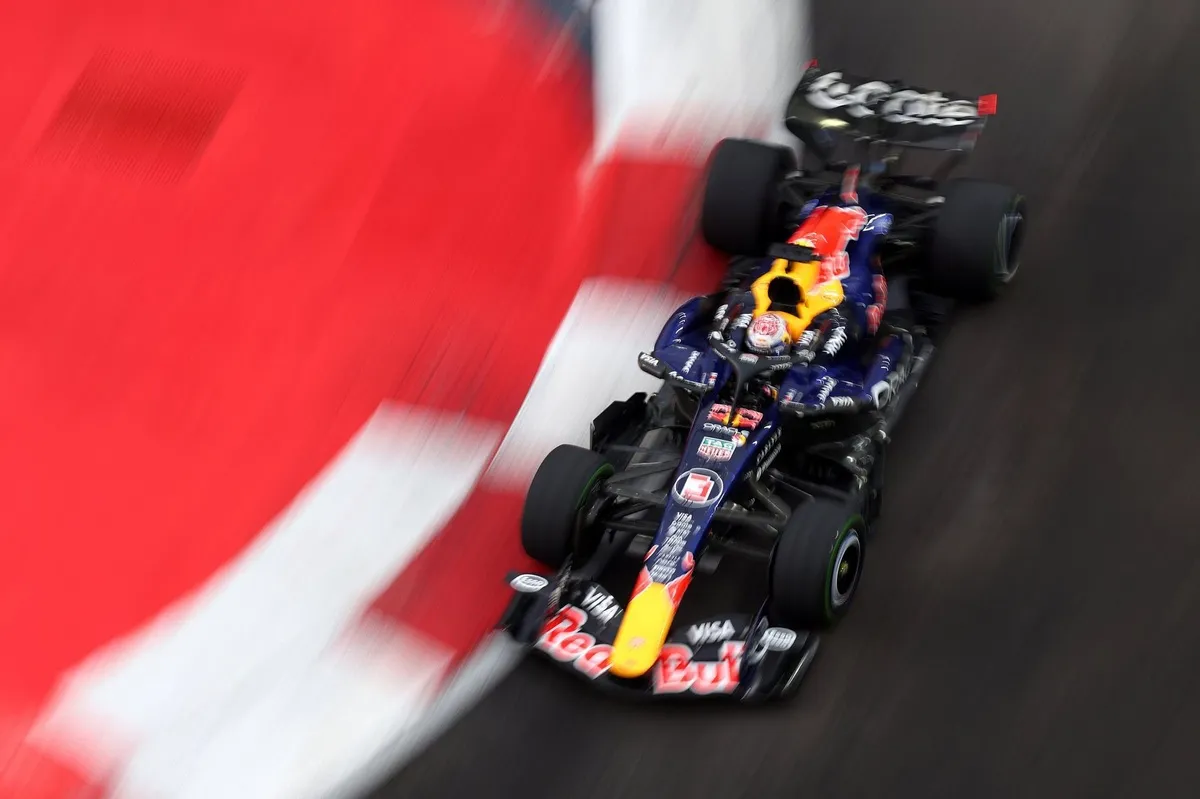
The competitive landscape shifted dramatically following the Baku Grand Prix, where Red Bull introduced a massive upgrade package that completely revitalized the RB22. Verstappen came agonizingly close to victory in Azerbaijan before securing consecutive triumphs in the subsequent races of the Asian triple-header in Malaysia and Singapore, staging a remarkable turnaround from early-season struggles to fierce victories at the front of the pack.
Addressing whether he possessed insider knowledge regarding the incoming performance gains before signing his new multi-year agreement, Verstappen firmly denied any prior awareness of the specific upgrade figures. Instead, he emphasized that the decision stemmed from comprehensive strategic discussions about the team's future direction alongside senior figures like Laurent Mekies, anchored by mutual trust and an enjoyable working environment within the Milton Keynes organization.
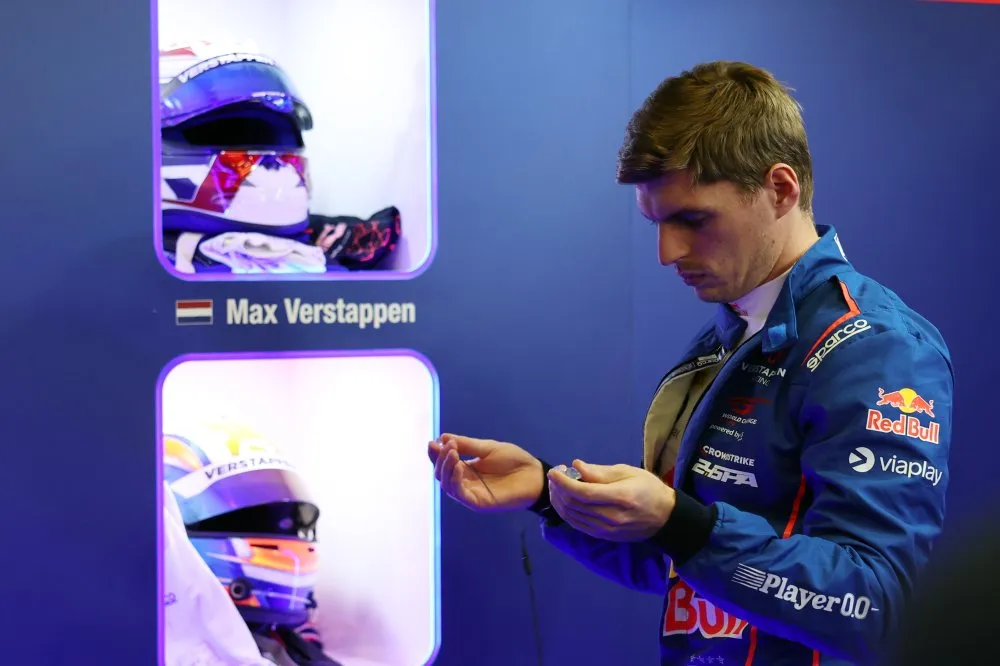
"No, not really, it was more just talking about the future, and of course the ideas about how the team is moving forward," Verstappen explained regarding his decision-making process. He acknowledged that the subsequent on-track progress serves as a highly satisfying bonus, noting that fighting at the sharp end of the grid delivers a vastly superior competitive satisfaction compared to battling through handling limitations.
Crucially, the engineering leap unlocked by the Baku specification extends far beyond raw downforce or lap time metrics; the primary breakthrough lies in the predictable and balanced handling characteristics of the chassis. Earlier in the campaign, Verstappen routinely struggled with unpredictable behavior upon corner entry, preventing him from extracting maximum performance because the handling limit constantly shifted without warning.
By restoring mechanical and aerodynamic predictability, the technical team has enabled their lead driver to once again make a decisive difference within the constraints of current power unit regulations. This renewed equilibrium not only validates the long-term project at Red Bull but also cements Verstappen's commitment to spearheading their championship aspirations for years to come.

Baca Juga
Max Verstappen harus puas start dari posisi ke-14 di Portimao setelah alami kendala teknis. Baca analisis mendalam jalannya kualifikasi di sini.
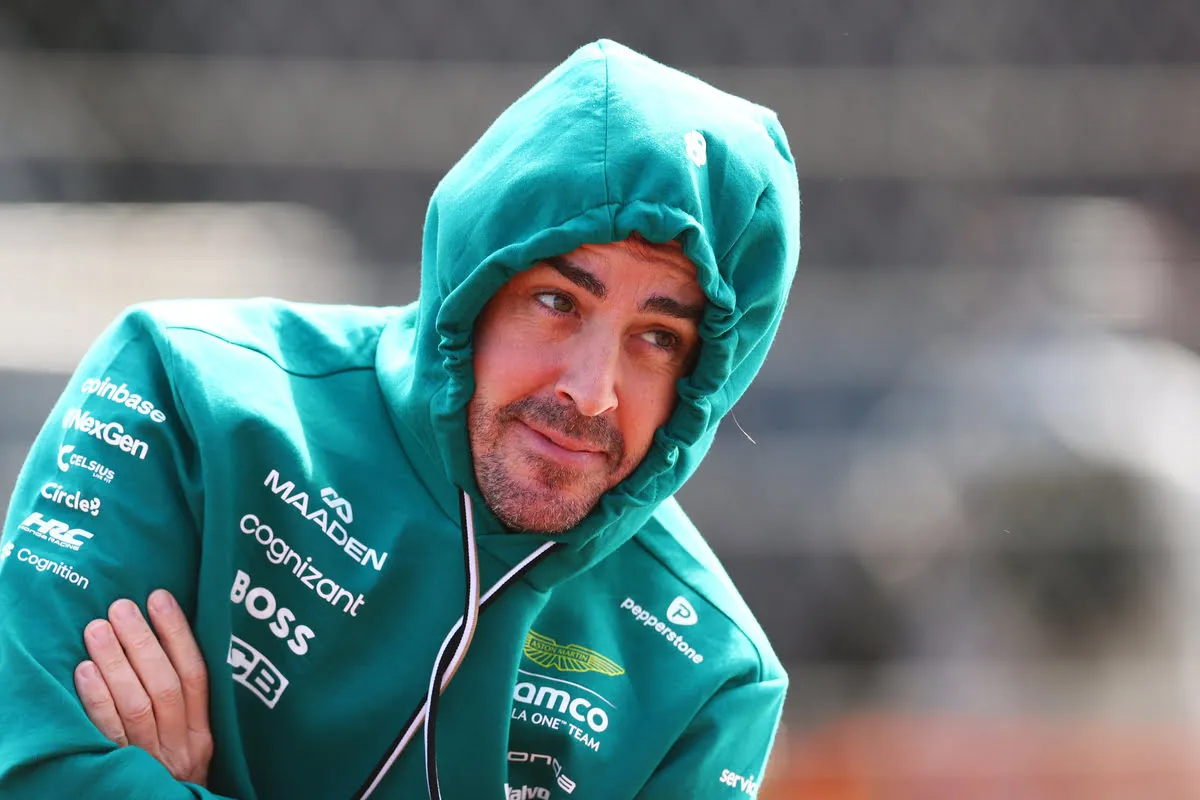
Simak analisis lengkap uji coba rahasia Fernando Alonso bersama Prodrive di Maroko dan peluang tampil di reli Dakar 2027. Baca selengkapnya di sini!
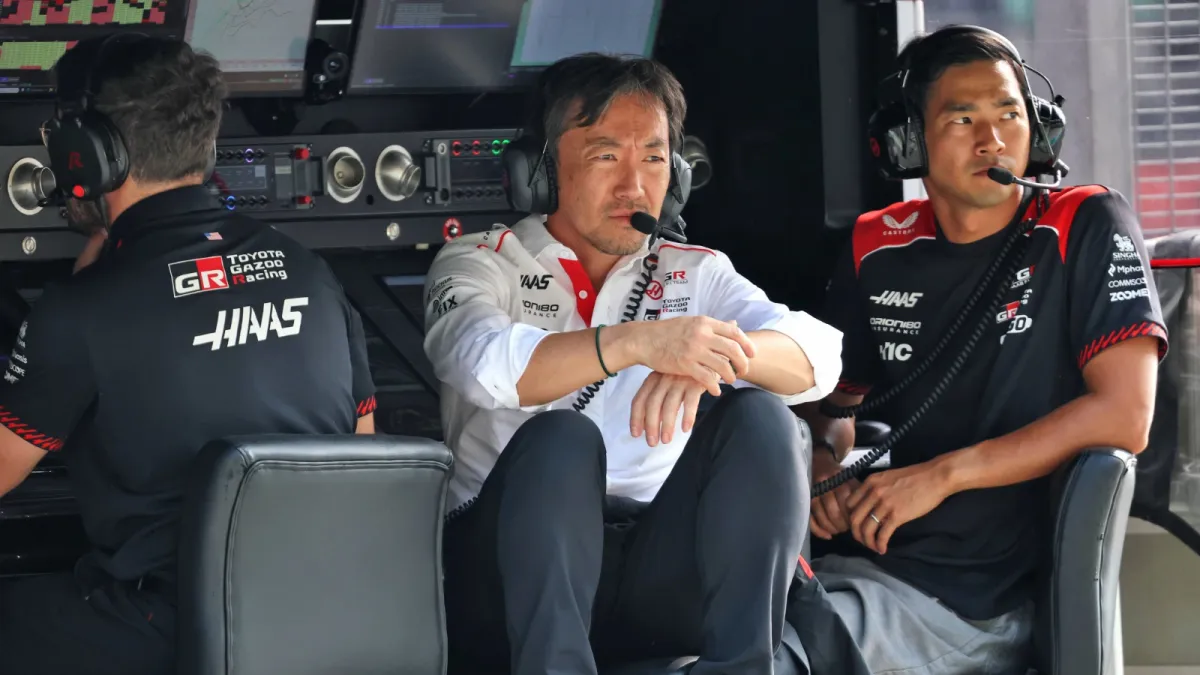
Simak alasan Ayao Komatsu menolak pebalap binaan Toyota demi Rafael Camara di F1 2027. Baca analisis lengkapnya di sini!
 Lanjutkan dengan Google
Diskusi & Komentar (0)
Mari Bergabung dalam Diskusi!
Masuk dengan mudah untuk mulai memberikan komentar, membalas, dan berinteraksi dengan pembaca lainnya.
Komentar Terbaru
Belum ada komentar. Jadilah yang pertama!