







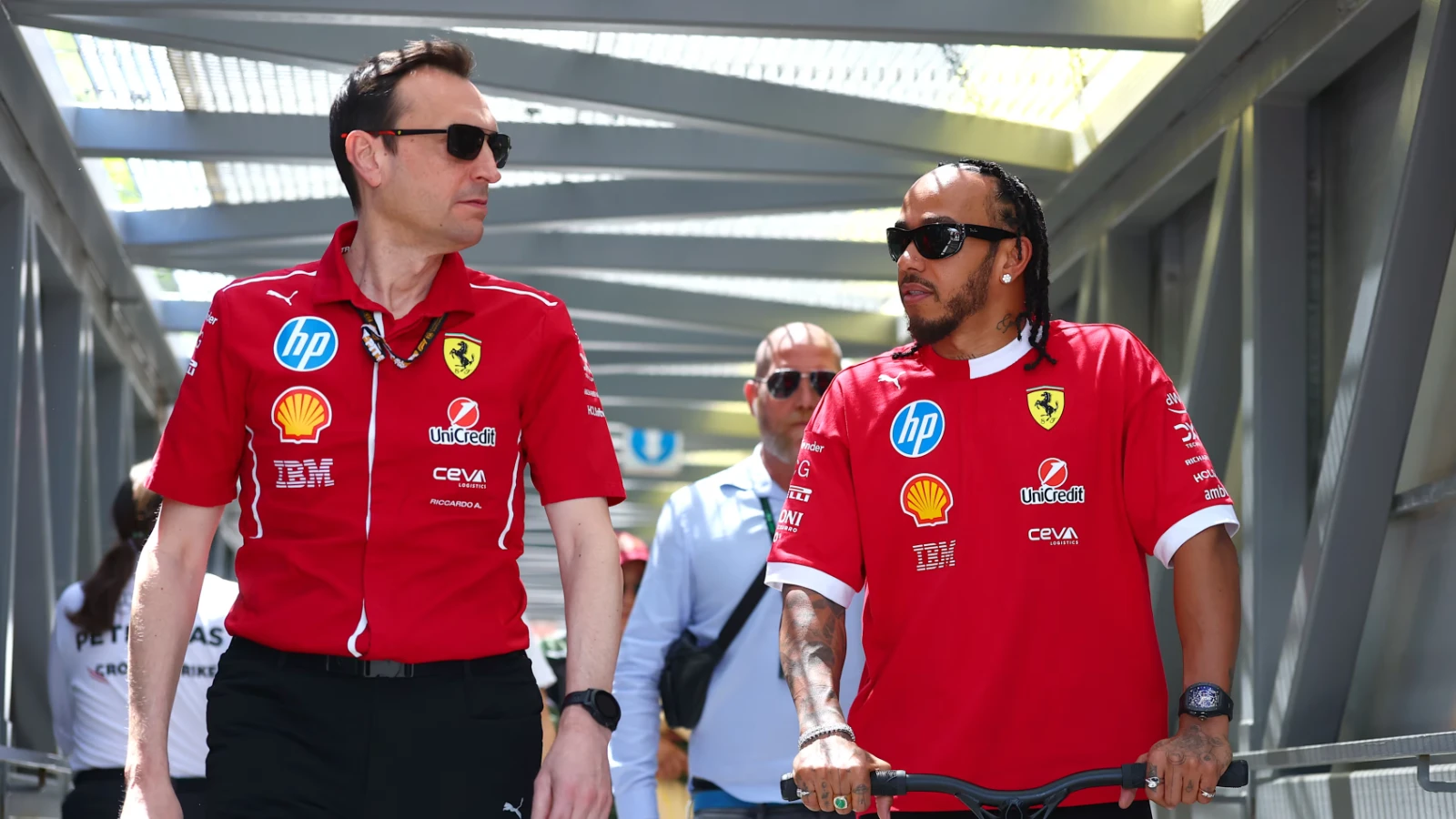

Formula 1, Sportrik Media - The opening day of the 2026 Formula 1 Bahrain pre-season test delivered both technical intrigue and regulatory tension, with Lewis Hamilton, Adrian Newey and James Vowles shaping the early narrative of the new season.
Hamilton sparked discussion by suggesting the new-generation cars “feel” like GP2 machinery, referencing the reduced downforce and altered balance resulting from the 2026 aerodynamic and power unit overhaul. Despite the comparison, the Ferrari driver maintained that the current cars are more enjoyable to drive than the previous era.
The 2026 regulations introduce a fundamental shift, including a 50-50 split between combustion and electrical power output. Energy deployment management and aerodynamic balance are now central performance variables, reshaping both driver technique and engineering priorities.
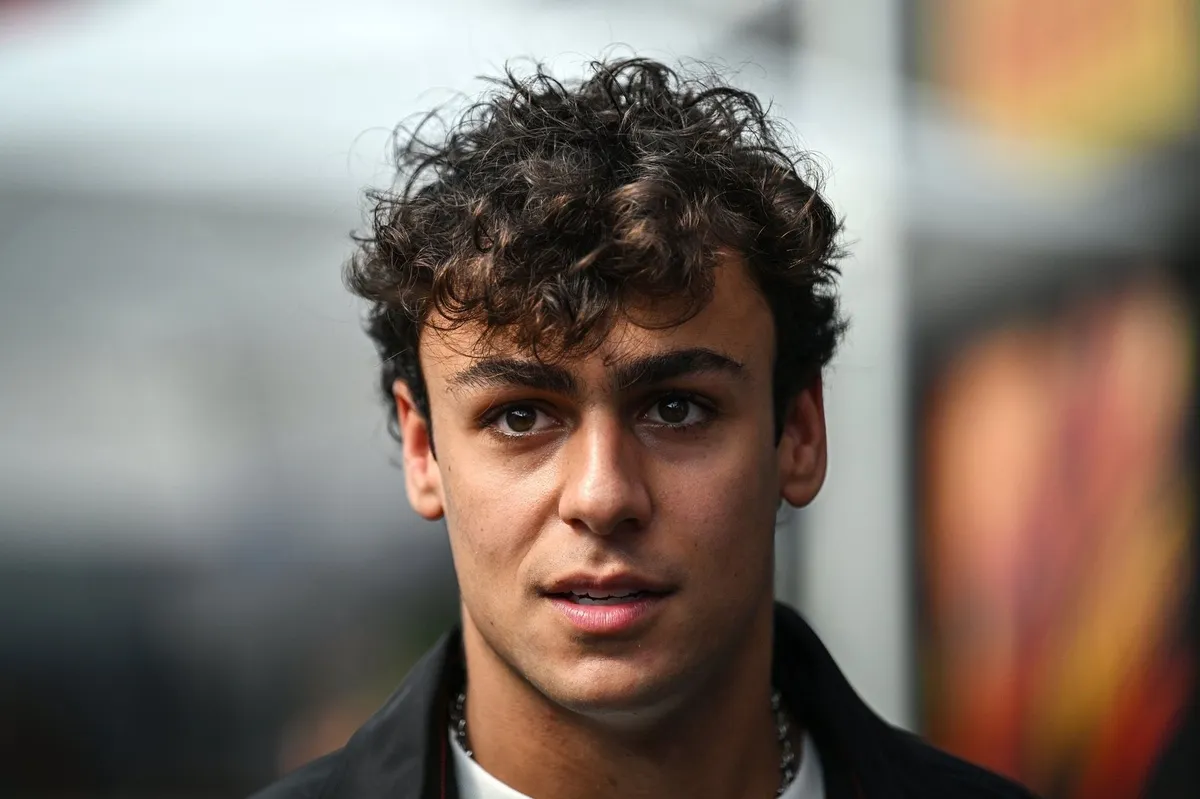
Meanwhile, Aston Martin team principal Adrian Newey weighed in on the growing compression ratio controversy surrounding Mercedes. Newey admitted he is “biased” when assessing the issue, given Aston Martin’s current alignment with Honda power units.
At the heart of the debate is Mercedes’ ability to achieve an effective 18:1 compression ratio under operating temperatures, despite regulations specifying a 16:1 maximum when measured under ambient inspection conditions by the FIA. Rival manufacturers are pressing for clarity before the season opener.
Vowles, now leading Williams, cautioned against what he described as potentially “punishing” consequences should late regulatory changes be introduced. He emphasised that the development represents years of engineering work and argued that Formula 1 must remain a meritocracy rather than drift toward balance-of-performance principles.
On track, Lando Norris topped the timesheets on Day 1, while Max Verstappen delivered consistent pace across a full day of running for Red Bull Racing.
However, not everything ran flawlessly for Red Bull. RacingNews365 understands that sister team Racing Bulls encountered a significant issue with its RBPT-Ford power unit, limiting rookie Arvid Lindblad’s afternoon running. Despite the setback, Red Bull’s primary programme remained competitive.
Mercedes, by contrast, acknowledged a more difficult opening day. Russell admitted the team is currently playing catch-up, particularly in achieving optimal balance and maximising energy deployment under the revised regulations.
With compression ratio debates, energy management efficiency, and active aerodynamics dominating discussion, the Bahrain test has immediately exposed both the technical innovation and political undercurrents defining the 2026 era.
Analytical discussions circulating within the paddock continue to examine how sophisticated regulatory interpretation — if within the rules — may provide short-term advantages. History suggests, however, that such grey areas rarely remain unresolved for long in Formula 1.
Day 1 in Bahrain therefore represented more than routine testing. It marked the first visible chapter of a regulatory cycle that is already blending engineering ingenuity with governance tension — a combination likely to shape the competitive landscape throughout the 2026 season.
Baca Juga
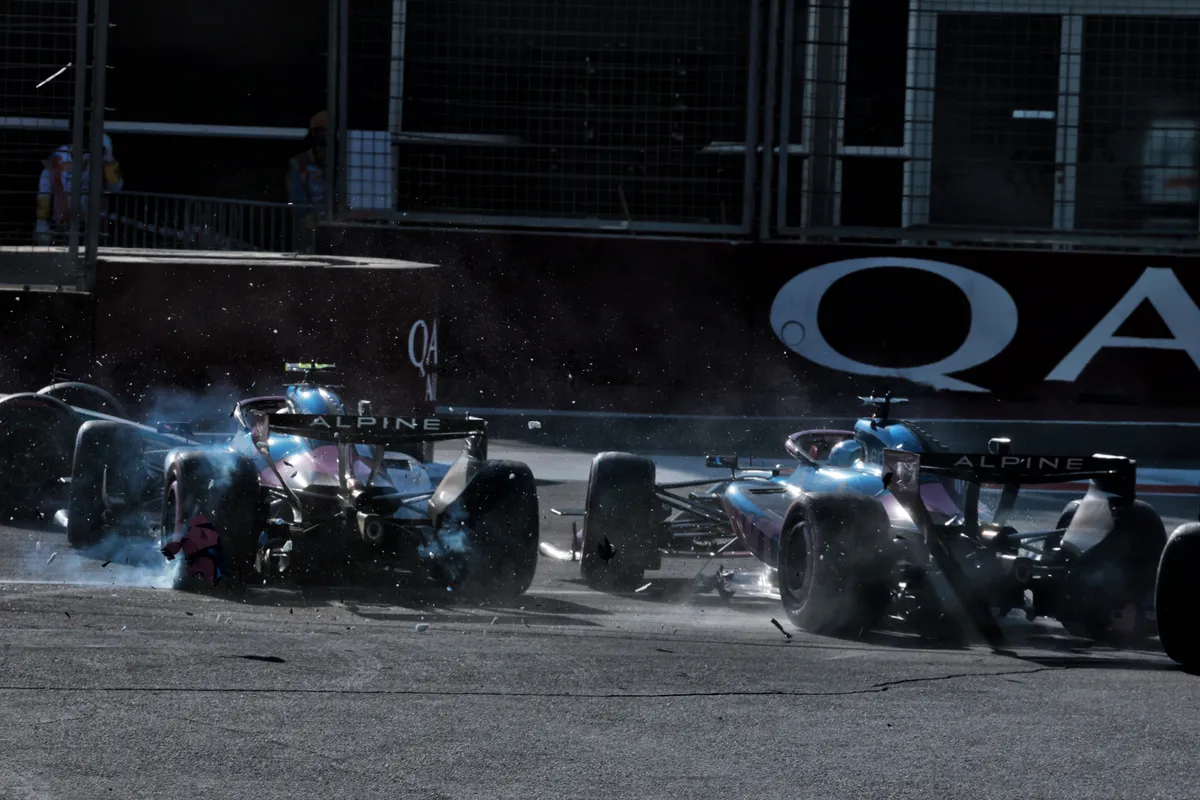
Alpine kembali mengecam pelecehan online terhadap Franco Colapinto dan komunitas F1 usai GP Azerbaijan. Tim menyerukan solidaritas dan tindakan tegas.
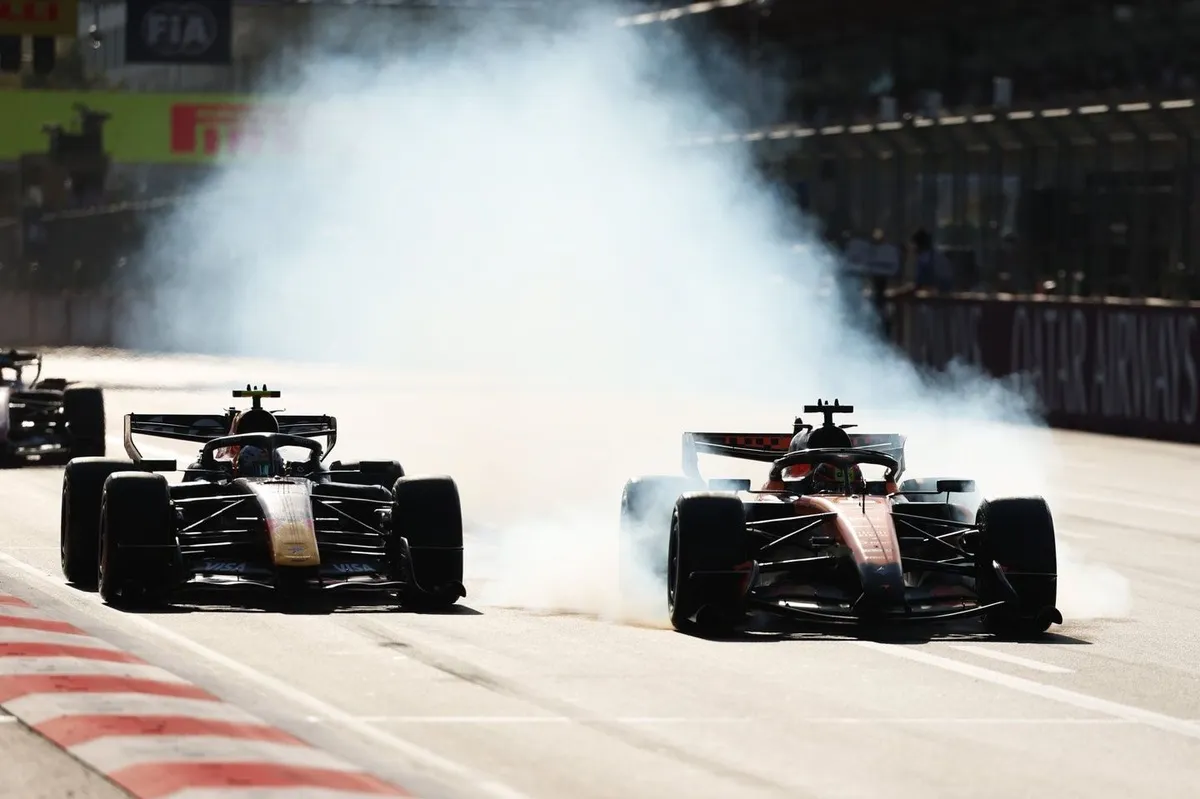
Oscar Piastri menyebut kesalahan rem di GP Azerbaijan 2026 sebagai hal 'aneh' setelah kehilangan podium. Simak analisis dan komentarnya.
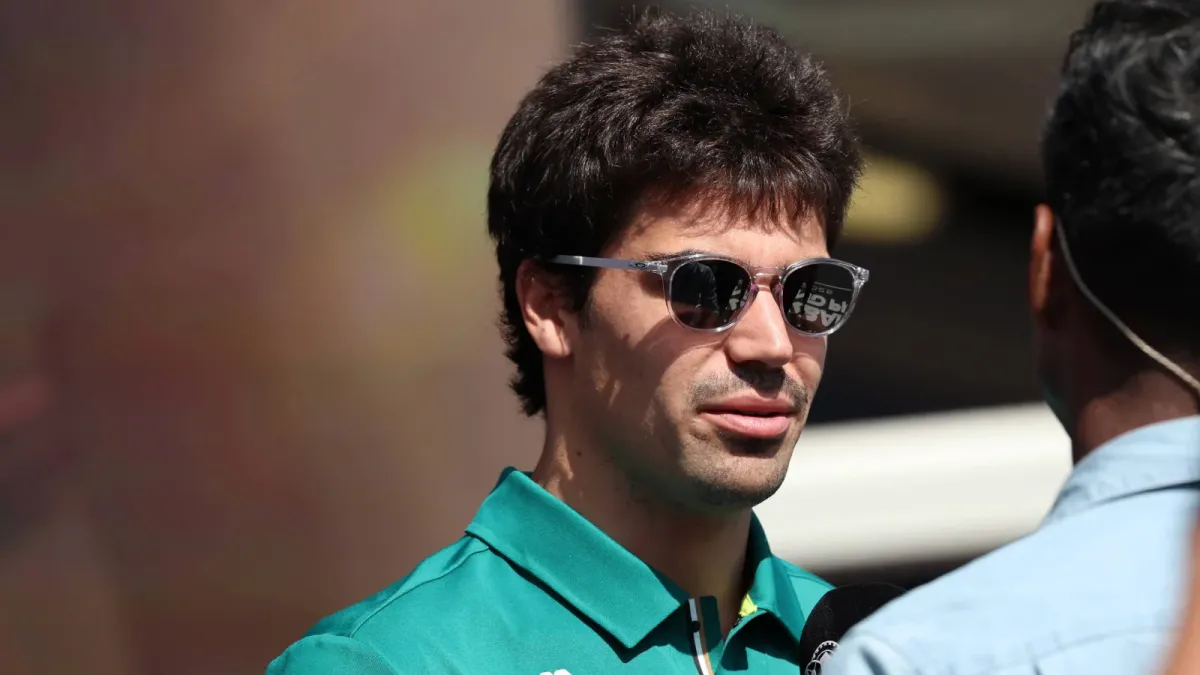
Lance Stroll terlibat adu mulut dengan marshal usai gagal finis di F1 Azerbaijan GP. Simak kronologi dan dampaknya bagi Aston Martin.
 Lanjutkan dengan Google
Diskusi & Komentar (0)
Mari Bergabung dalam Diskusi!
Masuk dengan mudah untuk mulai memberikan komentar, membalas, dan berinteraksi dengan pembaca lainnya.
Komentar Terbaru
Belum ada komentar. Jadilah yang pertama!