









Lewis Hamilton has decided to stop using the Ferrari simulator ahead of the 2026 Canadian Grand Prix after criticising the lack of correlation between the virtual model and the real-world behaviour of the SF-26.
The seven-time world champion endured a difficult weekend in Miami after sustaining major damage following contact with Franco Colapinto on the opening lap of the grand prix. Hamilton eventually finished sixth after a post-race penalty for Charles Leclerc.
According to Hamilton, one of Ferrari’s key problems lies in the simulator’s inability to accurately replicate the car’s on-track characteristics. He explained that setups appearing competitive in simulation often fail to deliver once the team arrives at the circuit.
“Ultimately, it’s always about correlation.”
“You go on the simulator, prepare the setup, then arrive at the track and the car feels completely different.”
From a technical perspective, simulator correlation is a critical element in modern Formula 1, influencing setup direction, aerodynamic development, suspension configuration, and tyre degradation modelling. When virtual data fails to match reality, teams can lose significant preparation time, especially during sprint weekends with limited practice sessions.
Hamilton also confirmed that he will avoid Ferrari’s simulator entirely before the Canadian GP, although he will continue attending technical meetings at the factory. The move forms part of the “different approach” he plans to adopt following Miami.
“I’m not going to use the simulator before the next race.”
“In China, I had my best weekend without using it.”
Alongside the simulator concerns, Hamilton again highlighted Ferrari’s weakness in drag efficiency and straight-line speed. He estimated the team is currently losing three to four tenths of a second purely through top-speed deficit compared to rivals such as McLaren, Red Bull Racing, and Mercedes.
“We need to cut drag before the next race because we’re still losing too much time on the straights.”
Despite the issues, Hamilton stated that the overall character of the SF-26 still generally suits his driving style. He explained that Miami’s main limitation came from an unstable balance, with aggressive corner entry behaviour followed by significant mid-corner understeer.
With the Canadian Grand Prix demanding strong braking performance and high straight-line efficiency, Ferrari’s work on simulator correlation and drag reduction is expected to become a major priority. Hamilton’s shift in preparation approach may also reflect growing internal pressure as Ferrari attempts to improve consistency throughout the 2026 campaign.
Baca Juga
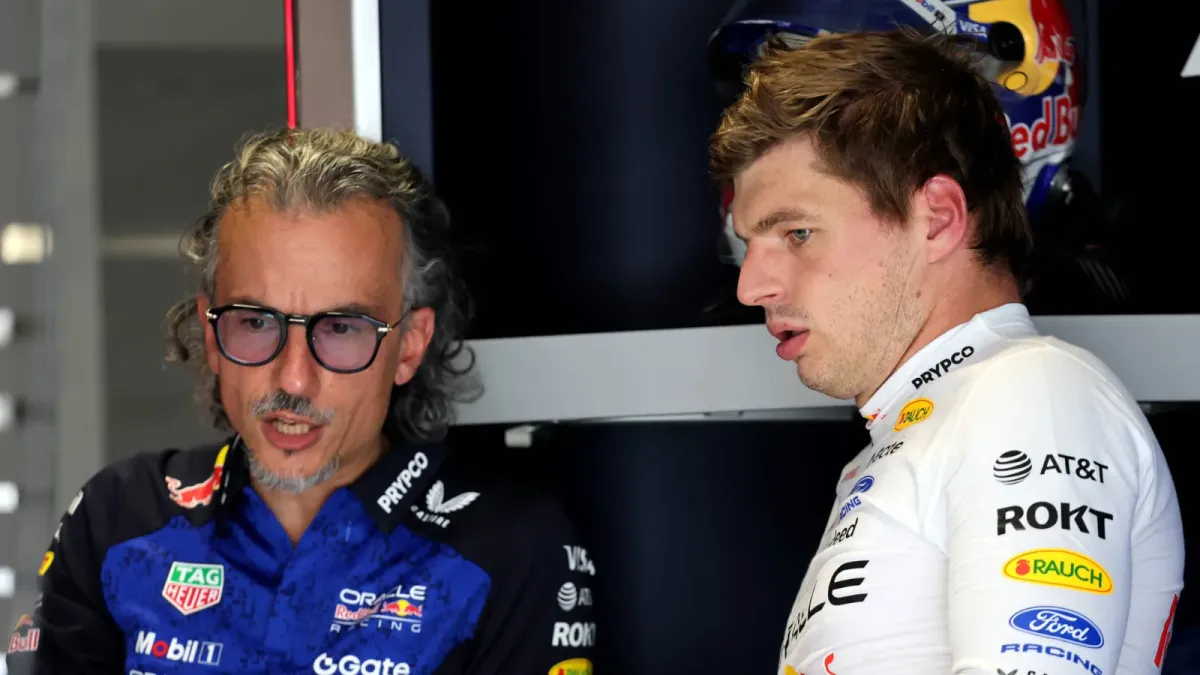
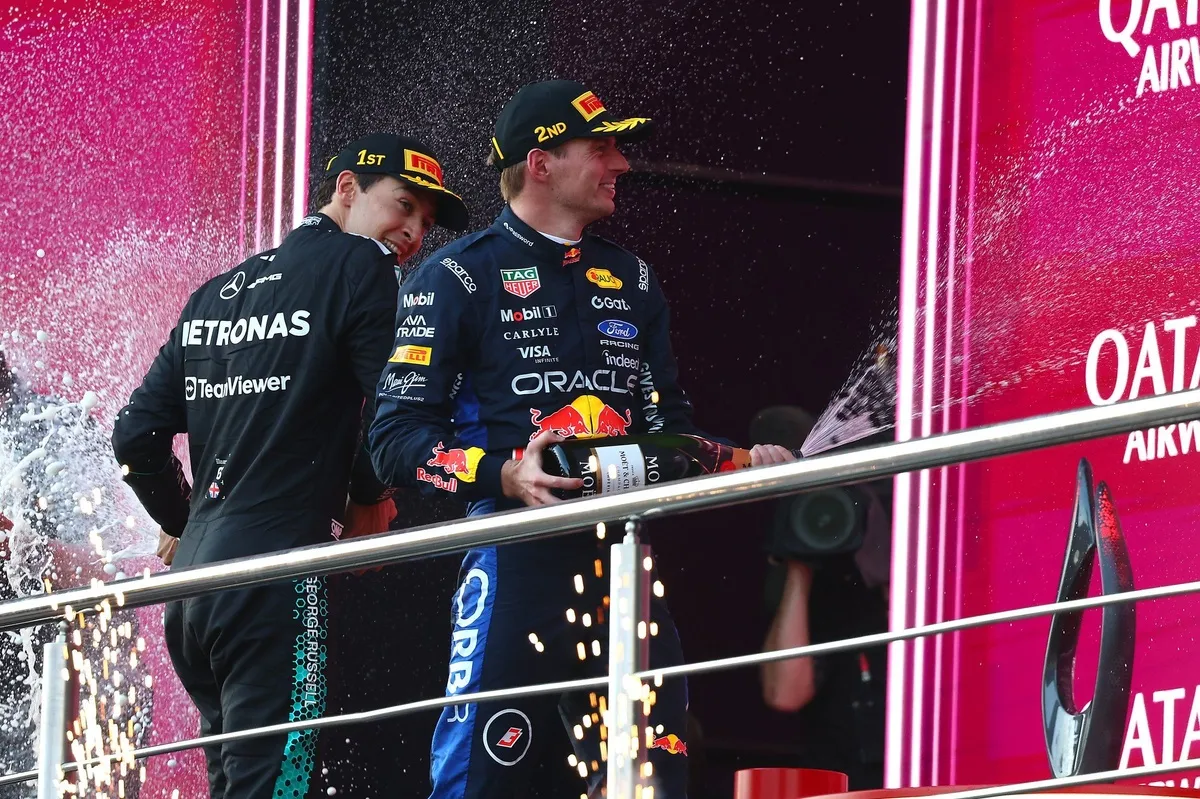
Max Verstappen dan Laurent Mekies berbeda pendapat soal potensi penalti mesin Red Bull setelah GP Azerbaijan. Simak analisis lengkapnya di Sportrik.
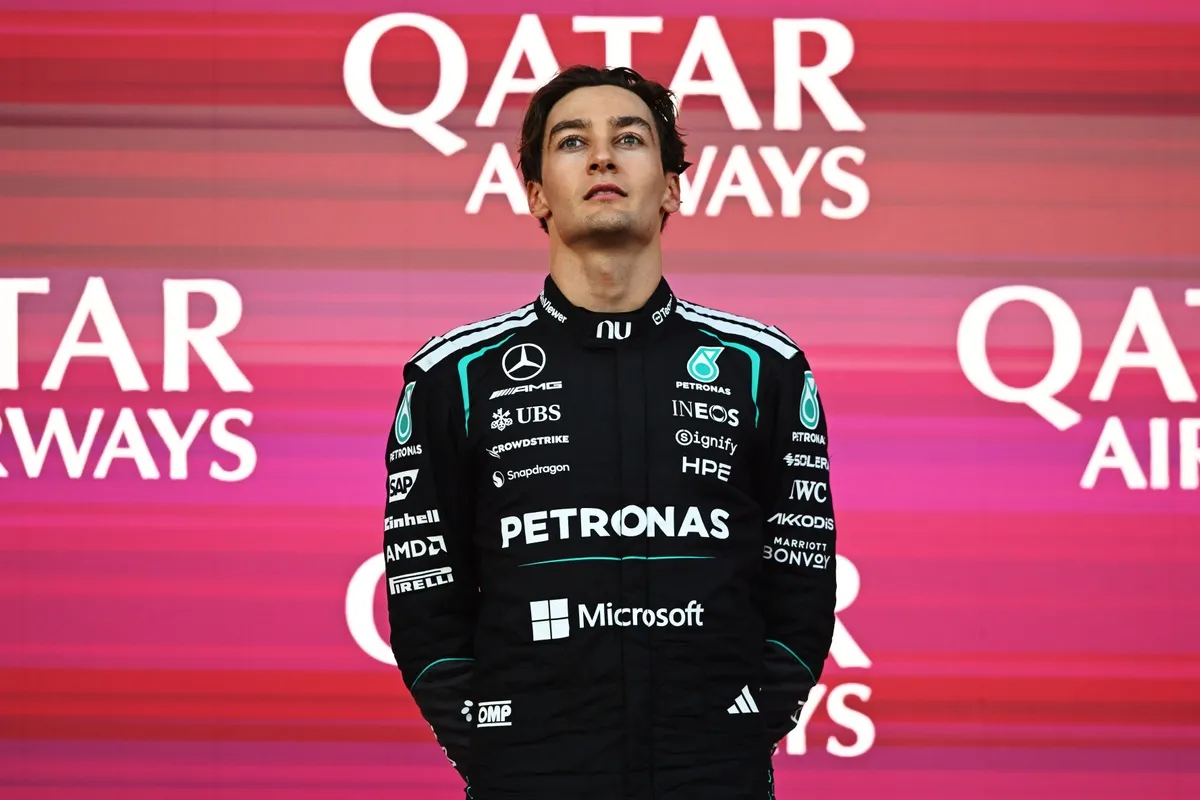
George Russell dominasi GP Azerbaijan, menang dan pole. James Hinchcliffe bertanya apakah Russell telah 'memecahkan kode' performa Mercedes. Simak analisisnya.
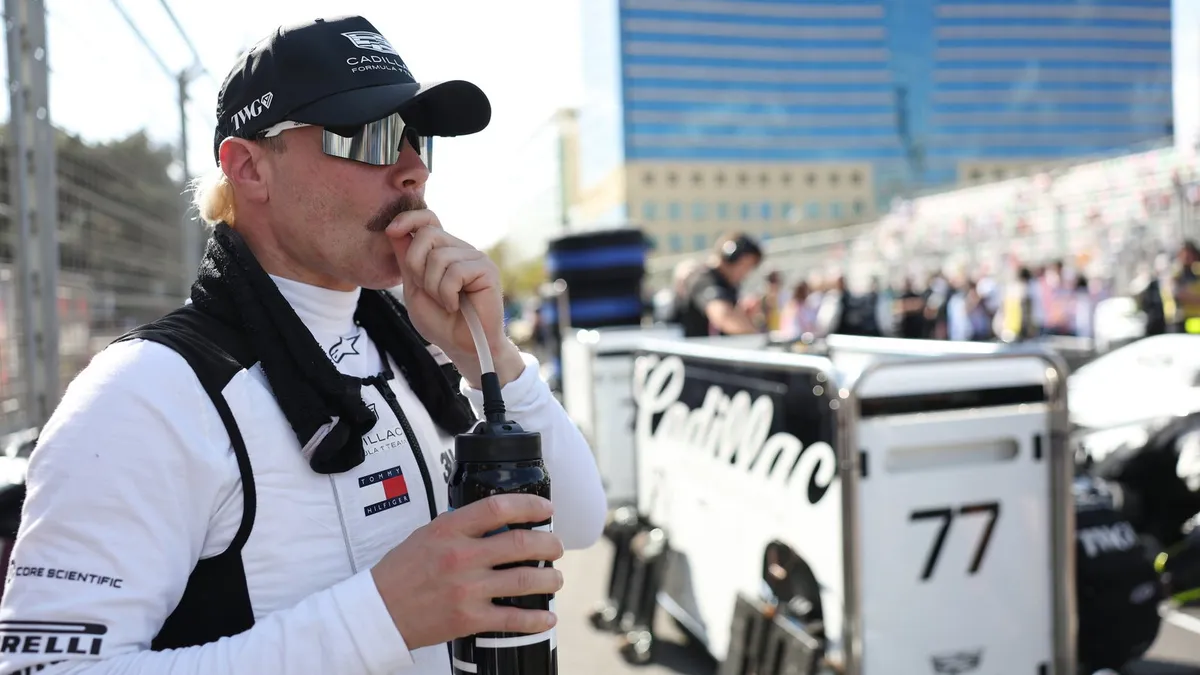
Valtteri Bottas mengungkap penyebab crash di F1 Azerbaijan 2026 akibat sistem power unit Cadillac bingung. Insiden hampir ubah hasil balapan.
 Lanjutkan dengan Google
Diskusi & Komentar (0)
Mari Bergabung dalam Diskusi!
Masuk dengan mudah untuk mulai memberikan komentar, membalas, dan berinteraksi dengan pembaca lainnya.
Komentar Terbaru
Belum ada komentar. Jadilah yang pertama!