







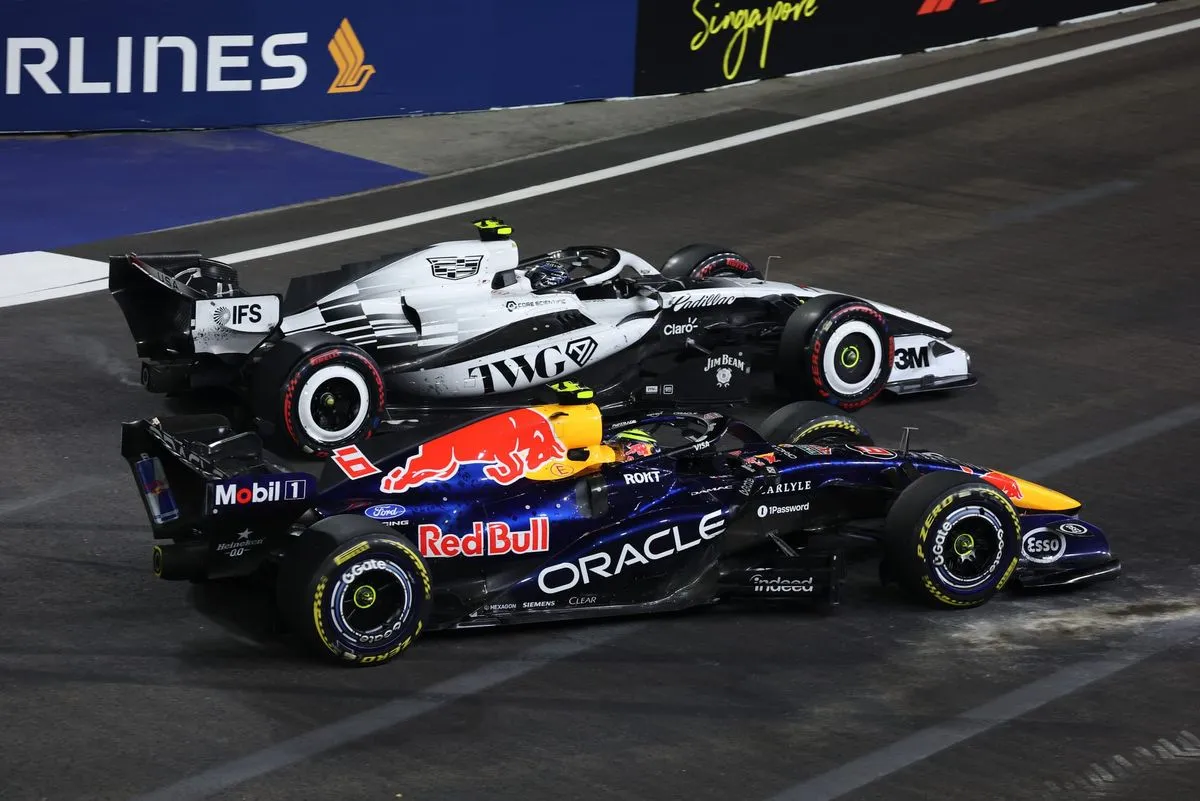

A massive effort is currently being prepared by FIA to overhaul the next Formula 1 rule era with a primary focus on dramatically reducing car weight below 700 kg for the first time since the 2016 season. After years of racing machinery getting heavier and reaching 768 kg in the current rules cycle, the governing body is on a mission to reverse this negative trend and restore genuine agility on the track.
FIA single-seater director Nikolas Tombazis explained that this ambitious target is well within reach because internal analysis proves that out of the 200 kg weight increase over the past 20 years, only 40 kg was directly related to improved safety elements such as the halo protection device, stronger chassis sides, and higher energy absorption areas.
This weight reduction strategy relies on three key focus areas that the governing body believes will put the sport on course to deliver the planned reduction without compromising the currently high safety standards. The first change stems from the power unit sector, where despite a V8 block being slightly bigger than a V6, authorities plan to significantly reduce turbo pressures to shrink the dimensions of the turbocharger.
Furthermore, the complexity of both the inlet and outlet ducts currently cluttering the engine bay will be substantially simplified, alongside shortened exhaust setups. A smaller electrical battery and MGU-K planned for the future will also allow for a lighter installation overall, potentially fitting directly on the side of the engine.
The third vital aspect involves shrinking the overall physical dimensions of the car and potentially reducing wheel rim sizes from the current specifications. The jump from 13-inch wheels to 18-inch rims back in 2022 notably contributed about 25 kg to the overall weight increase.
Through these compounding efficiencies, cars are projected to be roughly two and a half to three seconds faster purely due to weight savings. As Nikolas Tombazis explained to The-Race, "They will be about two and a half, three seconds faster just by weight. So it means we can reduce aerodynamics and some of the loads, and help the tyres behave in a nicer way, and all for the same laptime."
Baca Juga
Simak alasan mengapa Marc Marquez memilih tampil dingin di podium demi menghemat energi di MotoGP 2026. Baca analisis mendalam di sini!
Marco Bezzecchi tegaskan perburuan gelar juara dunia MotoGP belum usai usai insiden Jorge Martin. Baca analisis lengkap persaingan poin di sini!
Simak solusi simpel dari Gary Anderson untuk mengatasi masalah penghambatan di F1 dengan mengubah regulasi spion. Baca analisis mendalam di sini!
 Lanjutkan dengan Google
Diskusi & Komentar (0)
Mari Bergabung dalam Diskusi!
Masuk dengan mudah untuk mulai memberikan komentar, membalas, dan berinteraksi dengan pembaca lainnya.
Komentar Terbaru
Belum ada komentar. Jadilah yang pertama!