







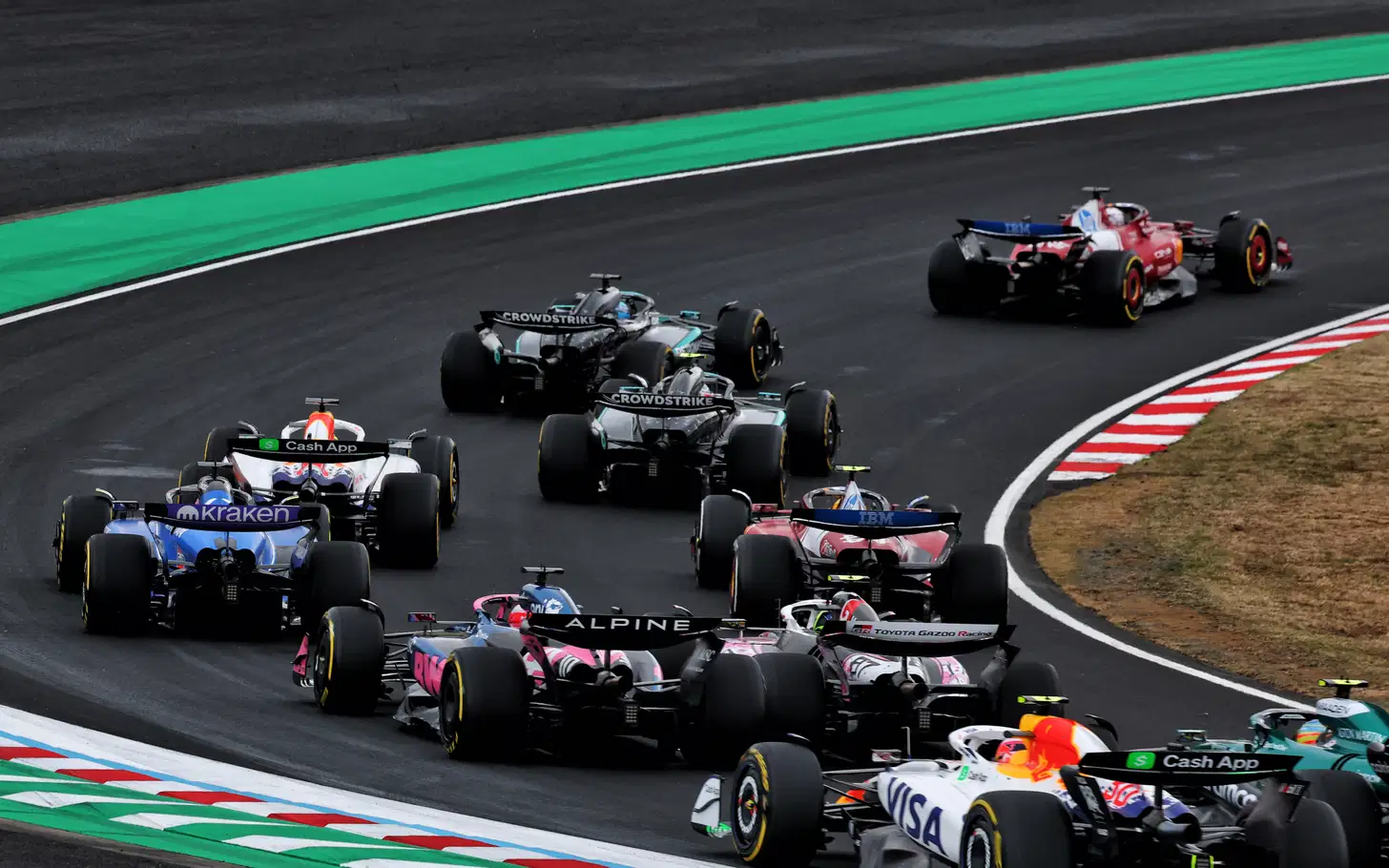

Formula 1, Sportrik Media - Nikolas Tombazis has stated that FIA will not allow Formula 1 to become dependent on manufacturers when shaping future power unit regulations.
When the 2026 engine rules were originally agreed, the global automotive industry was heavily focused on electrification. This led to the adoption of a 50/50 split between internal combustion and electrical power via the MGU-K. The framework was also designed to attract new manufacturers such as Audi and secure the continued involvement of Honda.
However, early implementation has not fully met expectations, and discussions regarding the next regulatory cycle—expected to be introduced in 2031—are already underway. Minor adjustments have also been prepared and will take effect starting from the Miami Grand Prix.
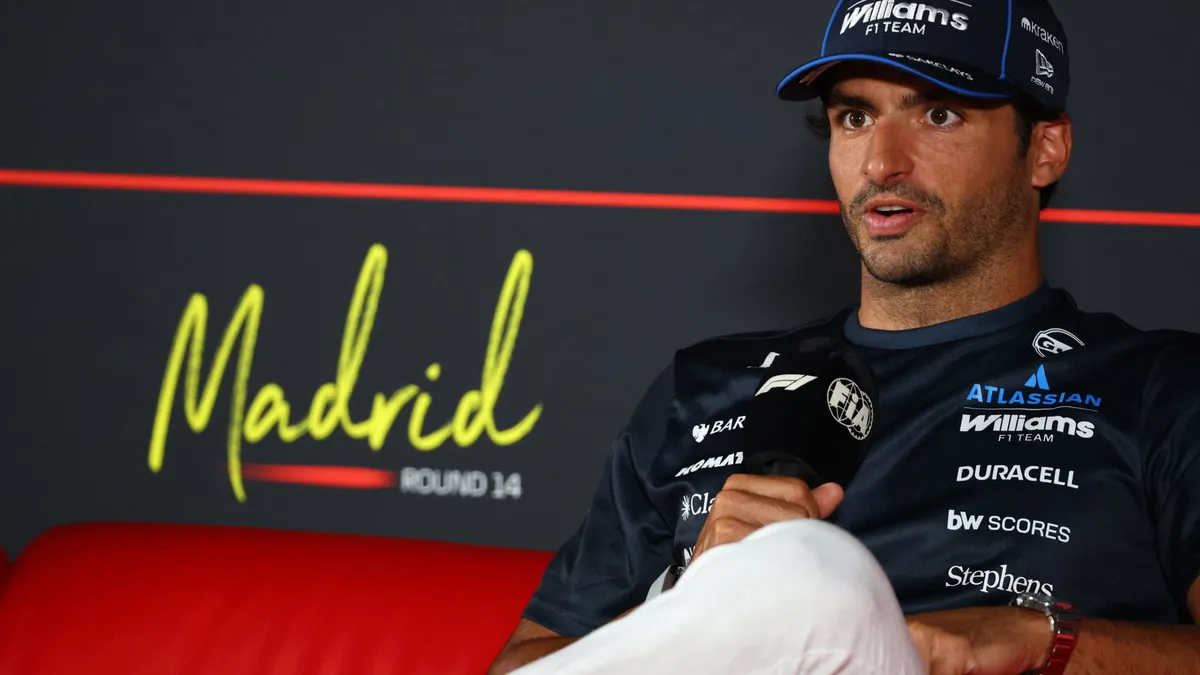
Tombazis acknowledged that the momentum behind electrification has shifted, potentially opening the door for Formula 1 to reconsider a stronger focus on internal combustion engines, including a possible return to V8 configurations powered by sustainable fuels.
"The political and industrial landscape has changed. Manufacturers previously indicated they would no longer develop new internal combustion engines, but that has not entirely materialised," Tombazis explained.
He also highlighted the importance of sustainable fuel development, noting that Formula 1 has made meaningful progress in this area as part of its long-term strategy.
Despite this, Tombazis stressed that the sport must not allow its regulatory direction to be dictated by manufacturers, given their ability to enter and exit the championship based on broader economic conditions.
"We cannot be hostage to automotive companies deciding whether to participate in the sport or not," he stated.
While acknowledging the importance of manufacturer involvement, Tombazis emphasised that Formula 1 must maintain structural independence and ensure cost control to safeguard long-term stability.
He further underlined the urgency of beginning discussions for future regulations, given the long development cycles required for power unit design and production.
"If we are to change anything for the next cycle, we need to start discussions very soon, because developing an engine takes a significant amount of time."
Regarding the potential return of louder combustion engines, Tombazis suggested this would not pose an issue for newer generations of fans, and could even enhance the emotional appeal of the sport.
As Formula 1 navigates an evolving regulatory landscape, the challenge remains to balance technological innovation, industry relevance, and the long-term sustainability of the championship.
Baca Juga
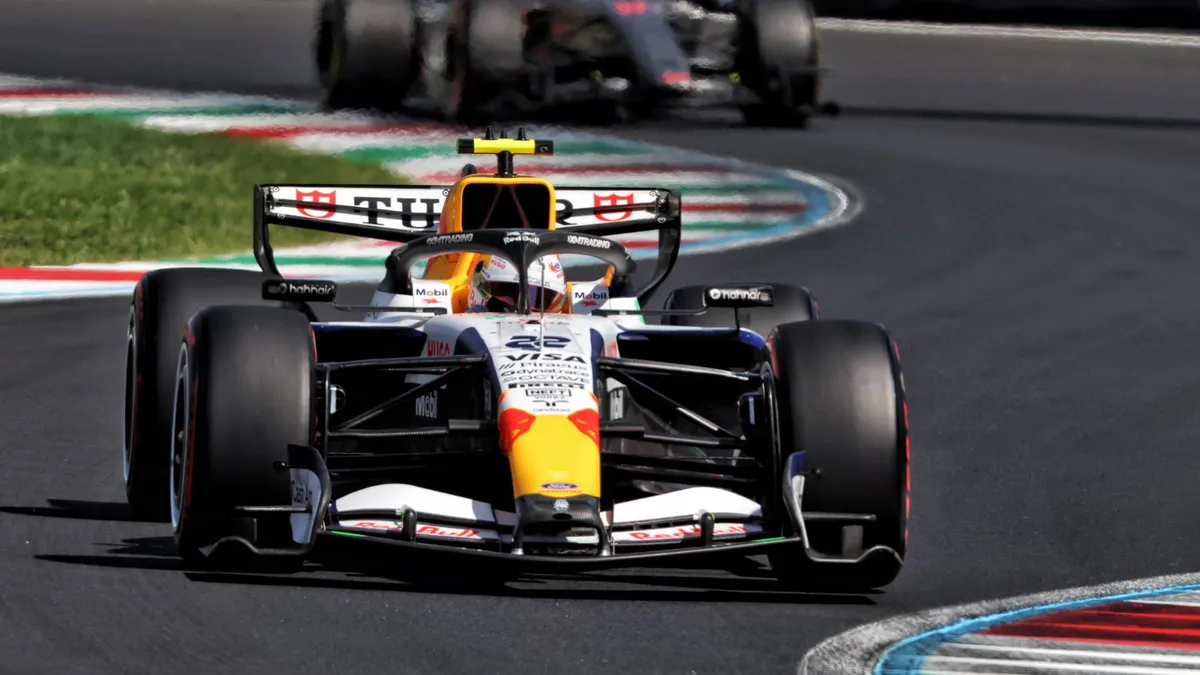
Audi resmi protes hasil F1 Monza setelah Yuki Tsunoda lolos dari penalti. Gabriel Bortoleto jelaskan alasan tim perjuangkan poin tambahan.

Yuki Tsunoda menanggapi komentar Max Verstappen yang menyebut mobil F1 2026 mengurangi peran pembalap. Tsunoda tetap fokus pada performanya bersama Racing Bulls.
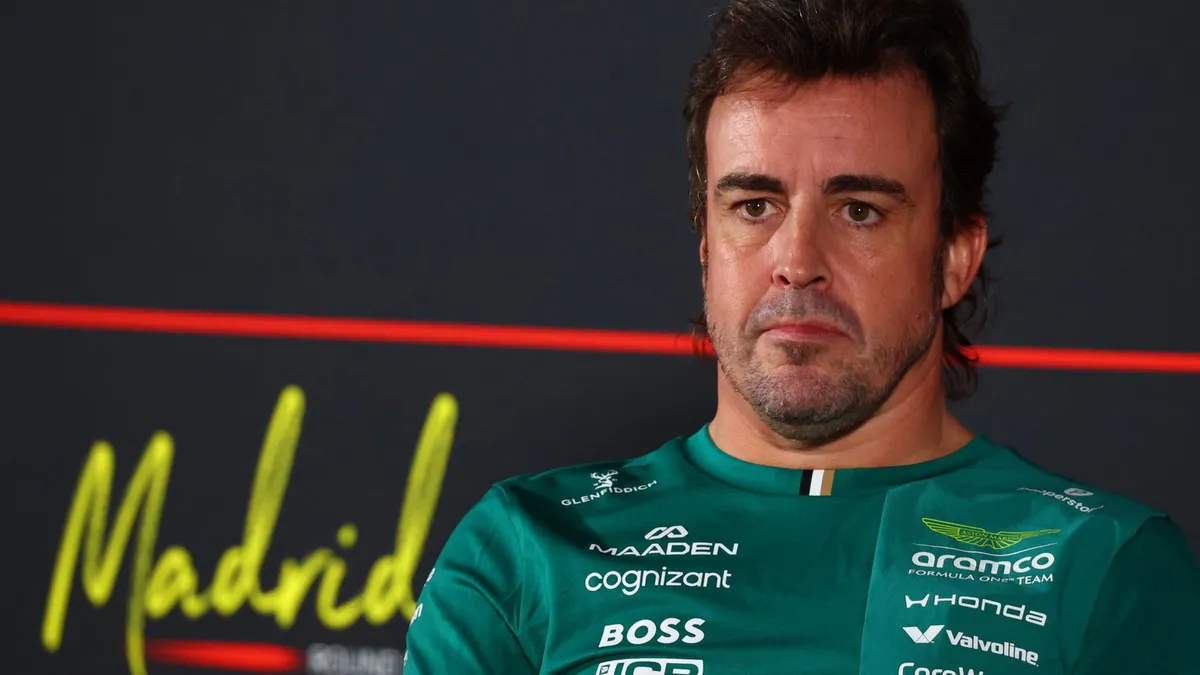
Fernando Alonso masih misterius soal masa depan F1. Kontraknya dengan Aston Martin berakhir musim ini, dan ia mengaku belum terburu-buru memutuskan.
 Lanjutkan dengan Google
Diskusi & Komentar (0)
Mari Bergabung dalam Diskusi!
Masuk dengan mudah untuk mulai memberikan komentar, membalas, dan berinteraksi dengan pembaca lainnya.
Komentar Terbaru
Belum ada komentar. Jadilah yang pertama!