







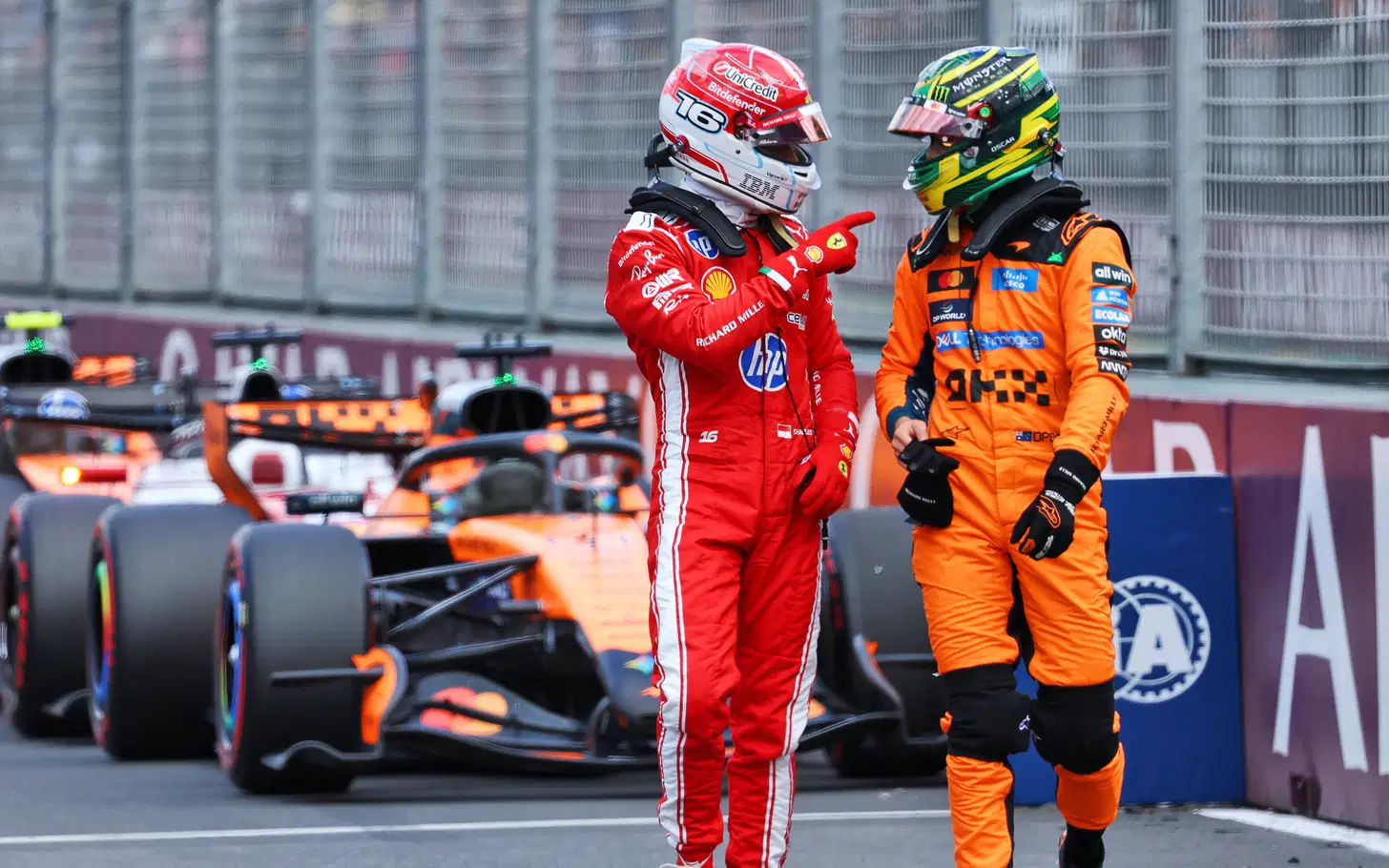

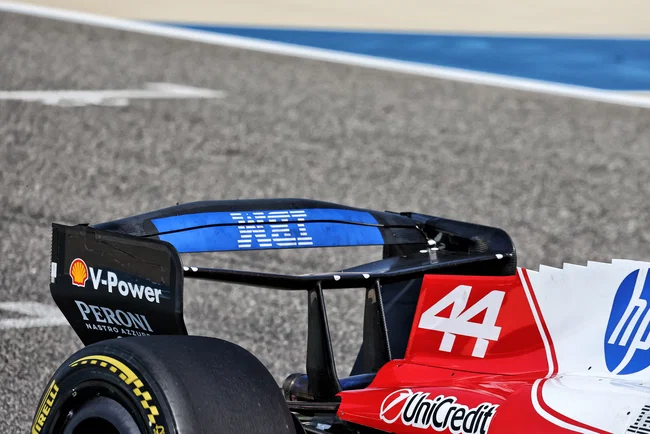
Formula 1, Sportrik Media - Rob Marshall of McLaren highlighted the technical innovation of Scuderia Ferrari at the start of the 2026 Formula 1 season, focusing on the team’s radical “Macarena” rear wing concept.
Ferrari introduced the design during pre-season testing in Bahrain, featuring a rear wing flap capable of rotating up to 270 degrees. The concept functions similarly to an aircraft wing, generating lift on straights to increase top speed. Although the component appeared on the cars of Lewis Hamilton and Charles Leclerc during practice at the Chinese Grand Prix, Ferrari opted not to race it, and it was absent again in Japan.
The legality of the design was confirmed by FIA single-seater technical chief Nikolas Tombazis, who dismissed any concerns and stated that Ferrari is free to run the wing within the current regulations. This clarification addressed early-season expectations that the 2026 rules would significantly restrict design creativity and lead to convergence across the grid.
Marshall explained that teams initially anticipated a highly prescriptive regulatory framework, particularly due to the reliance on complex CAD-defined legality volumes. However, the diversity of solutions seen at the opening races has contradicted those assumptions.
“We thought the regulations were going to be quite prescriptive,” Marshall told media including RacingNews365.
“When you look at the legality boxes, it almost feels like the car is already defined for you. But when you arrive at the first race, there are multiple different solutions across the grid.”
He specifically referenced the immediate reaction within the paddock to Ferrari’s unconventional rear wing, which prompted questions over its legality before being confirmed as compliant.
“You see something like Ferrari’s rear wing and think: ‘Is that really legal?’ Then the answer is yes—and it’s very well done,” he added.
Beyond the rear wing, Ferrari also attracted attention with an unconventional exhaust exit configuration, indicating a broader aerodynamic and packaging strategy aimed at maximizing performance. Marshall emphasized that Ferrari is not alone, with several teams presenting distinctive technical concepts that diverge from initial expectations.
He also identified Audi and Aston Martin as teams introducing notable design solutions. Audi’s sidepods were described as a departure from conventional approaches, while Aston Martin’s suspension geometry—both front and rear—was seen as particularly ambitious, reflecting a deeper exploration of mechanical and aerodynamic integration.
“I think every car has something where you look at it and say: ‘That’s completely different to what we expected,’” Marshall explained.
The evolving technical landscape under the 2026 regulations demonstrates that, despite their complexity, the rules continue to allow significant engineering innovation. As development progresses through the season, the effectiveness of these varied concepts will become clearer, with upcoming races set to play a decisive role in shaping the competitive order.
Baca Juga
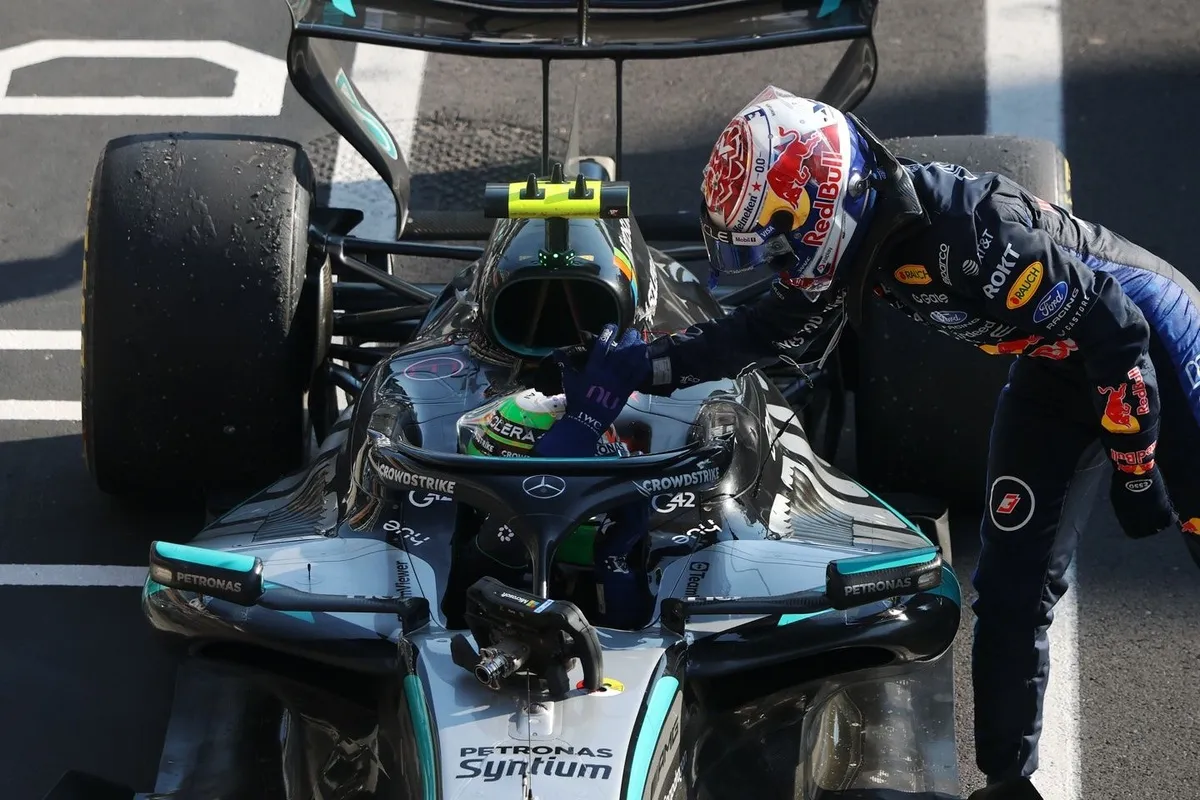
Momen Max Verstappen memeluk ayah Kimi Antonelli di Monza viral. Aksi sportif juara dunia ini menuai pujian penggemar dan menambah kesan hangat balapan F1 Italia.
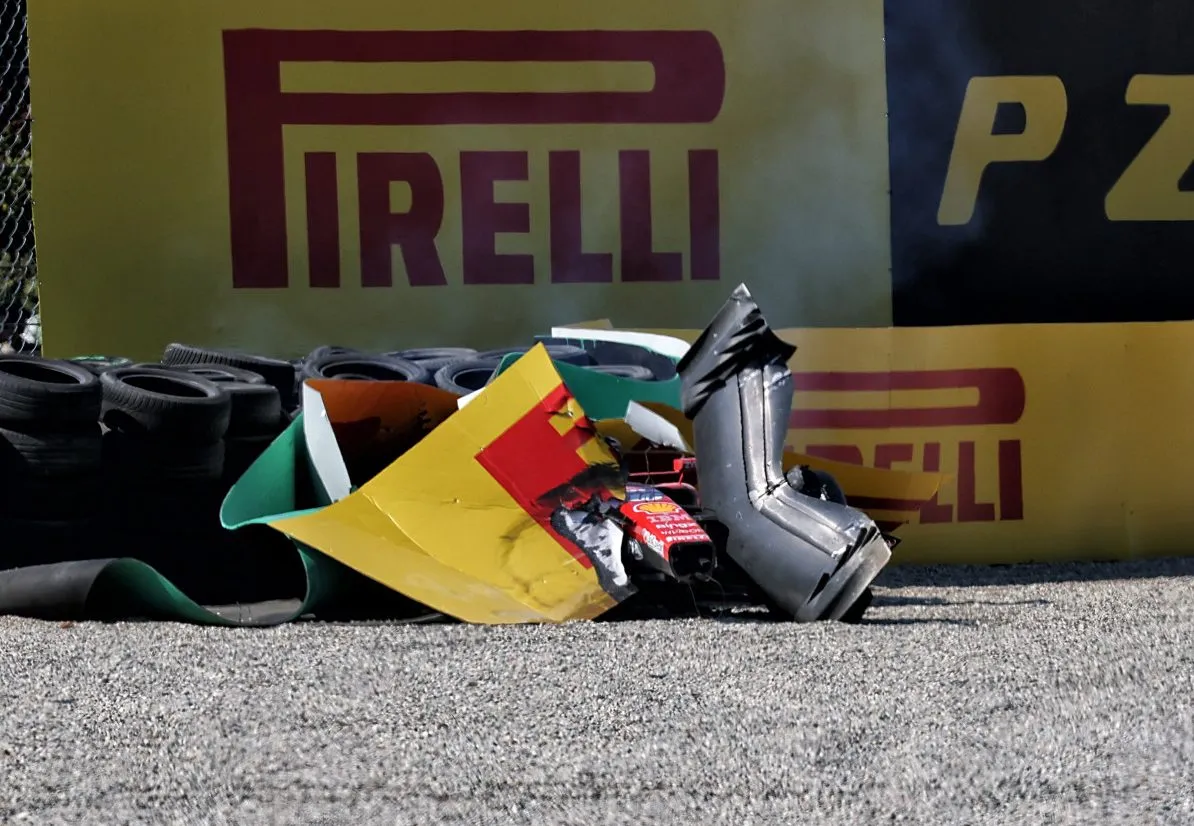
Charles Leclerc selamat dari kecelakaan di Monza, namun penglihatannya sempat bermasalah. Ia akan menjalani pemeriksaan tambahan sebelum GP Spanyol.
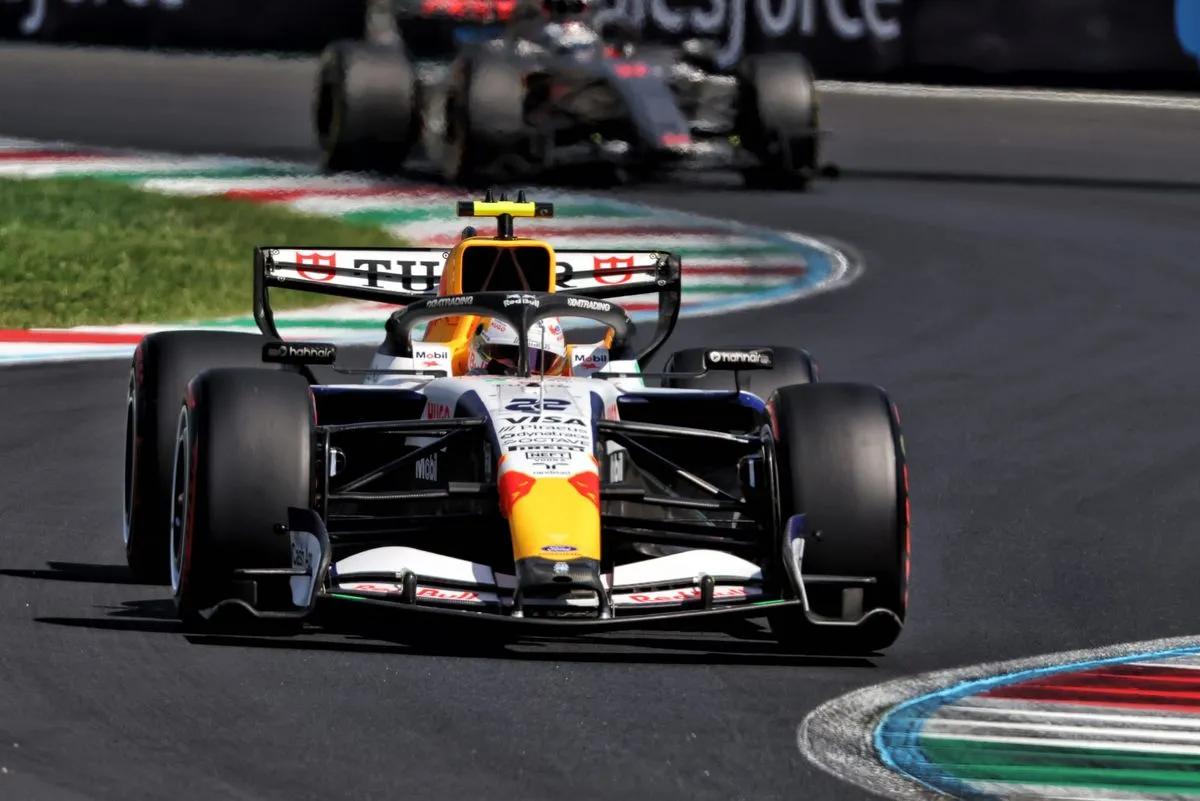
Audi resmi mengajukan banding atas keputusan steward GP Italia yang tidak menghukum Yuki Tsunoda terkait insiden start. Jika berhasil, Gabriel Bortoleto naik ke posisi poin.
 Lanjutkan dengan Google
Diskusi & Komentar (0)
Mari Bergabung dalam Diskusi!
Masuk dengan mudah untuk mulai memberikan komentar, membalas, dan berinteraksi dengan pembaca lainnya.
Komentar Terbaru
Belum ada komentar. Jadilah yang pertama!