







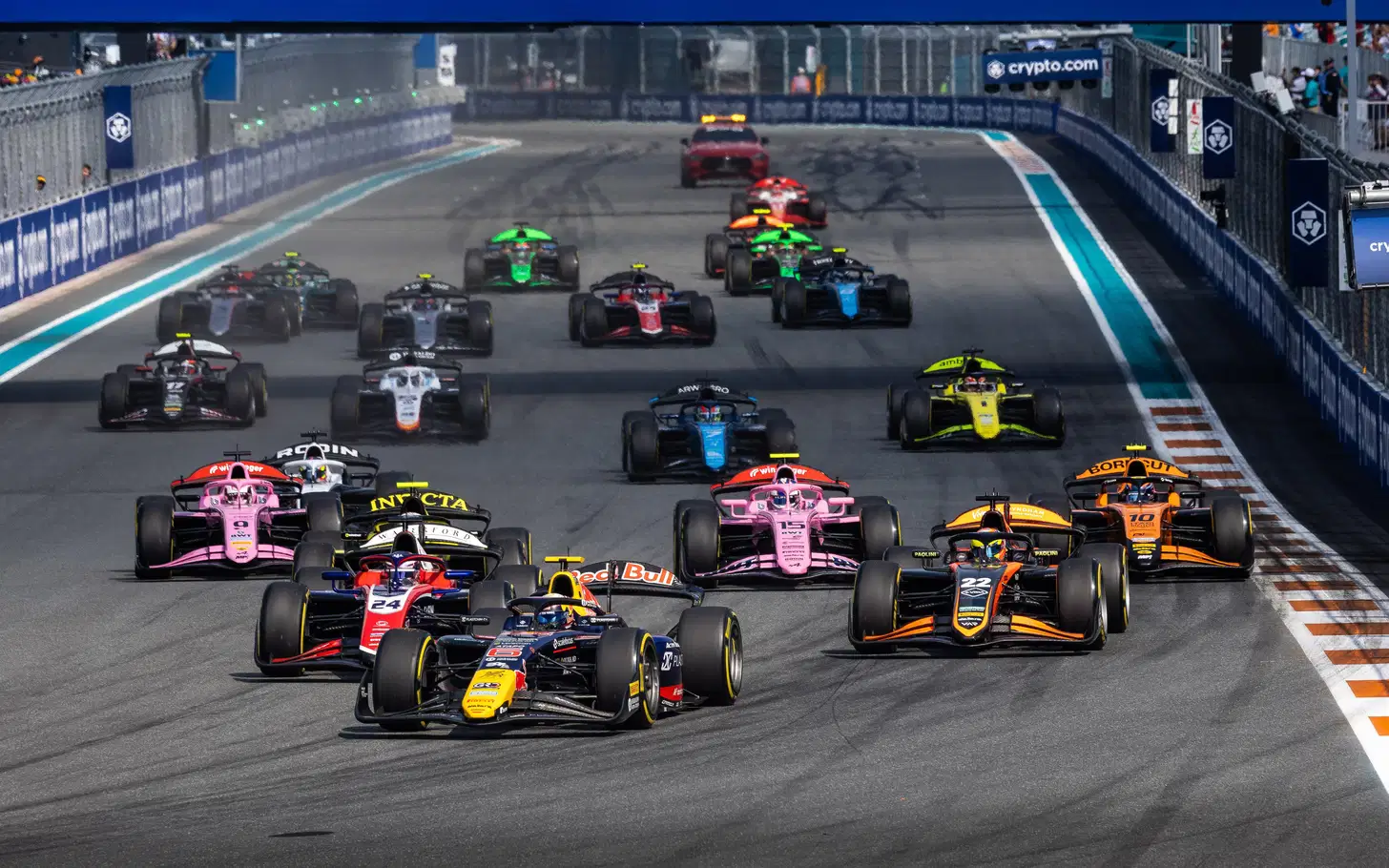

Formula 2 faced a major disruption during the 2026 Feature Race at the Miami International Autodrome after severe weather conditions forced a delay to the start procedure. Heavy rain combined with lightning activity prompted Race Direction at the FIA to adopt a safety-first approach, postponing the formation lap to ensure minimum track safety thresholds were met.
The race was originally scheduled to begin at its standard local time, but standing water and significantly reduced visibility across multiple sectors required immediate intervention. The revised procedure confirmed that the formation lap would take place behind the safety car, underlining the elevated risk of aquaplaning and inconsistent grip levels across the circuit.
This scenario directly impacted strategic planning for leading teams such as Prema Racing and ART Grand Prix, particularly regarding tyre allocation and pressure management. In transitional wet conditions, the decision between full wet and intermediate compounds becomes critical, with thermal degradation and crossover timing likely to define competitive positioning early in the race.
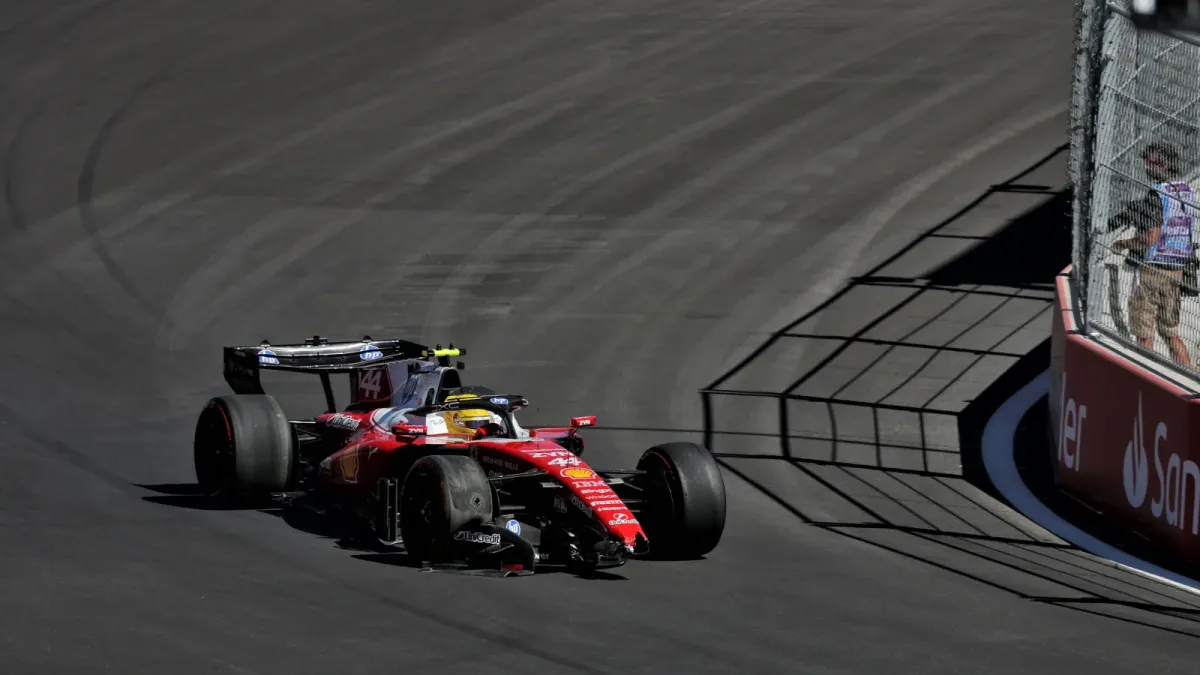
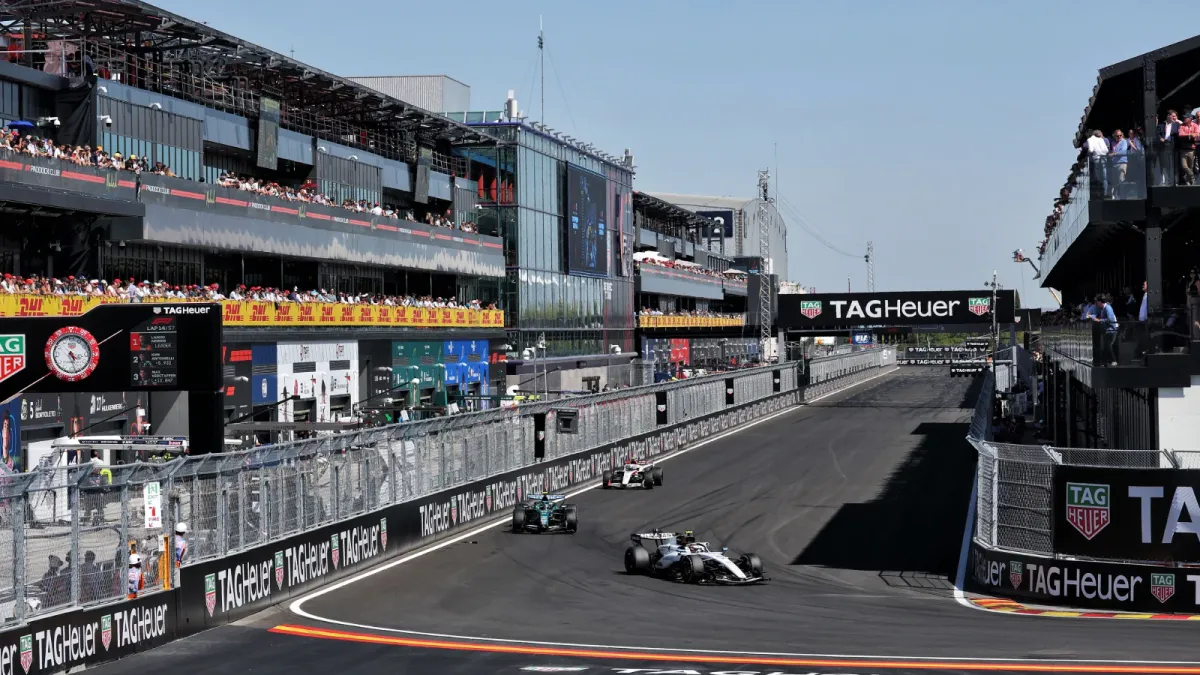
The layout of the Miami International Autodrome, featuring long straights combined with slow-speed corners, further amplifies traction-related challenges. Teams including Hitech Pulse-Eight and MP Motorsport are required to recalibrate mechanical setups, especially differential mapping and torque delivery, to maintain rear-end stability under low-grip conditions.
Tyre temperature management becomes another decisive factor under safety car conditions. Drivers such as Oliver Bearman and Zak O'Sullivan must carefully balance brake and tyre warming procedures to avoid excessive cooling, which could compromise performance at the race start or restart phase.
From an event operations perspective, the disruption was not isolated. Earlier in the day, the McLaren Trophy America race had already been cancelled, highlighting the severity of weather conditions across the venue. The situation also influenced the Formula 1 schedule, with the Grand Prix brought forward in an effort to secure a viable weather window.
In championship terms, such delays introduce additional uncertainty into race execution and points distribution. Potential race interruptions, shortened distance, or red flag scenarios could significantly alter strategic models and reduce overtaking opportunities, particularly on a circuit already sensitive to track evolution.
With weather conditions remaining unstable, Race Control’s priority remains safety compliance, while teams must dynamically adapt to evolving track parameters. The ability to execute under these variable conditions will be critical in determining the final outcome and shaping momentum heading into the next round of the 2026 Formula 2 season.
Baca Juga
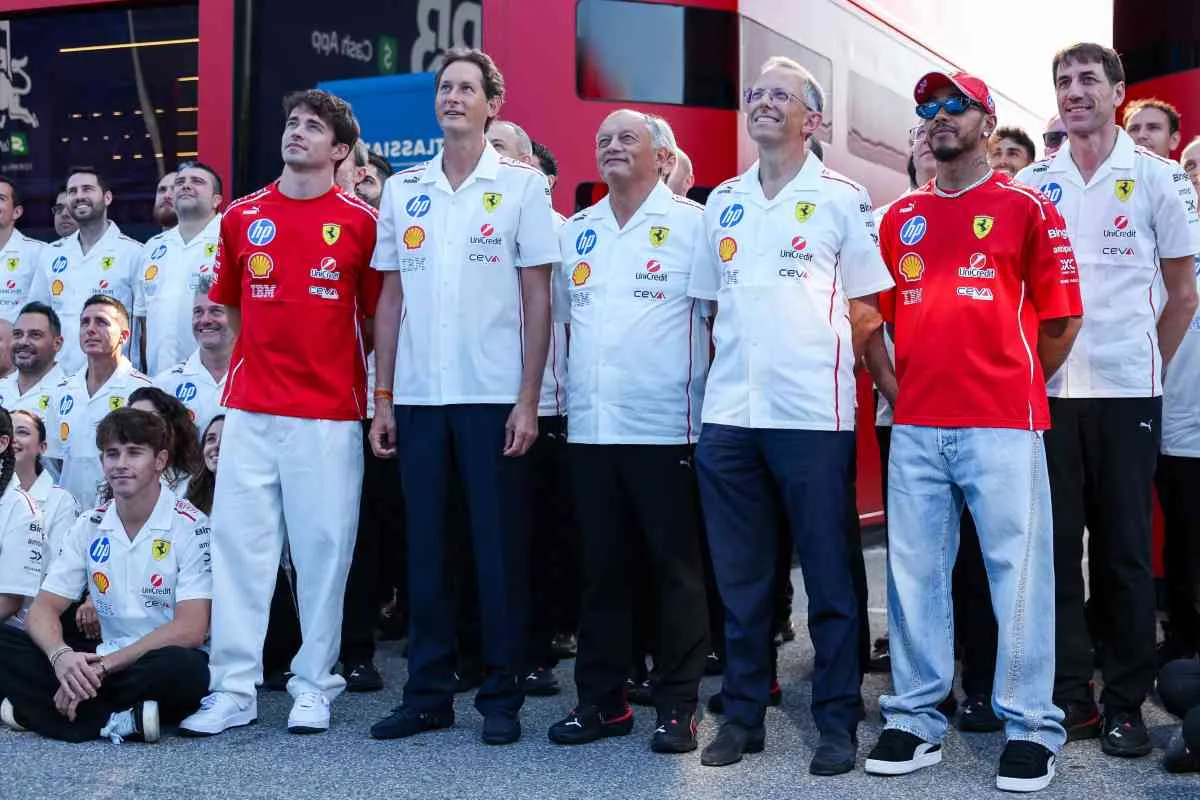
Ferrari dilanda krisis setelah empat GP tanpa podium. Rumor ketegangan antara Hamilton dan Vasseur serta spekulasi masa depan team principal menjadi sorotan.
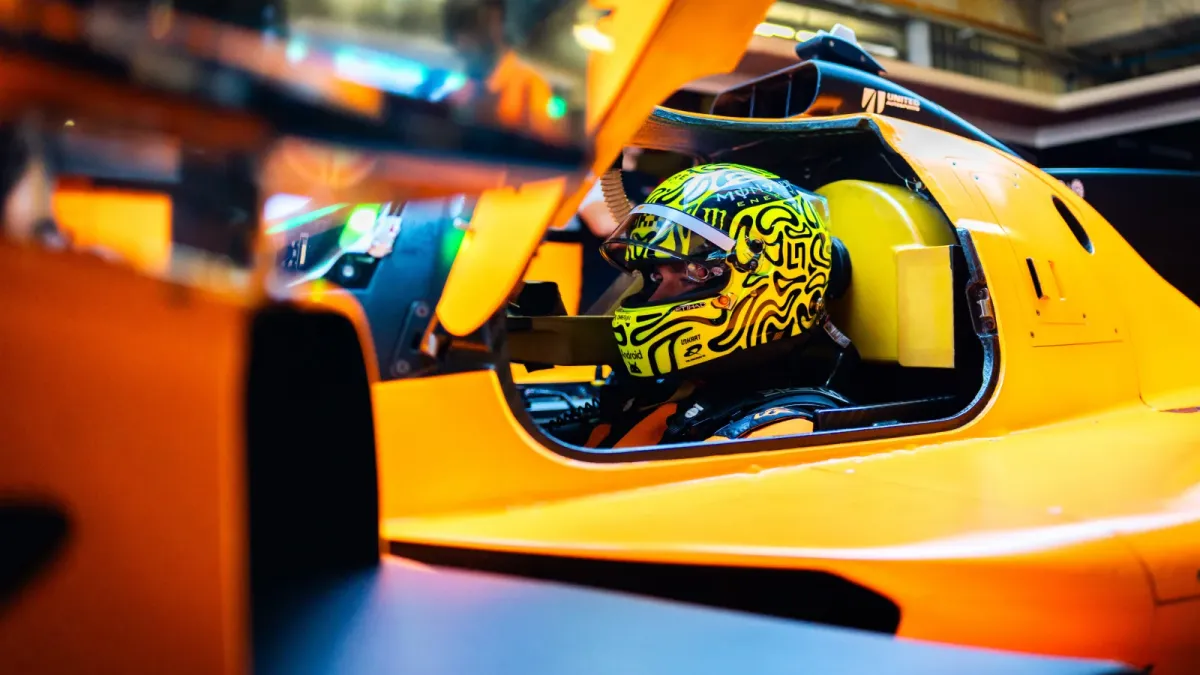
Lando Norris menguji hypercar McLaren MCL-HY di Portimao usai finis ketiga di GP Spanyol. Ia sebut pengalaman itu 'sangat istimewa' dan berharap bisa kembali mengendarainya.
Fotografer F1 diduga dicekik polisi di GP Spanyol. Insiden terjadi saat menuju podium. FIA diminta bertindak. Simak kronologinya di sini.
 Lanjutkan dengan Google
Diskusi & Komentar (0)
Mari Bergabung dalam Diskusi!
Masuk dengan mudah untuk mulai memberikan komentar, membalas, dan berinteraksi dengan pembaca lainnya.
Komentar Terbaru
Belum ada komentar. Jadilah yang pertama!