






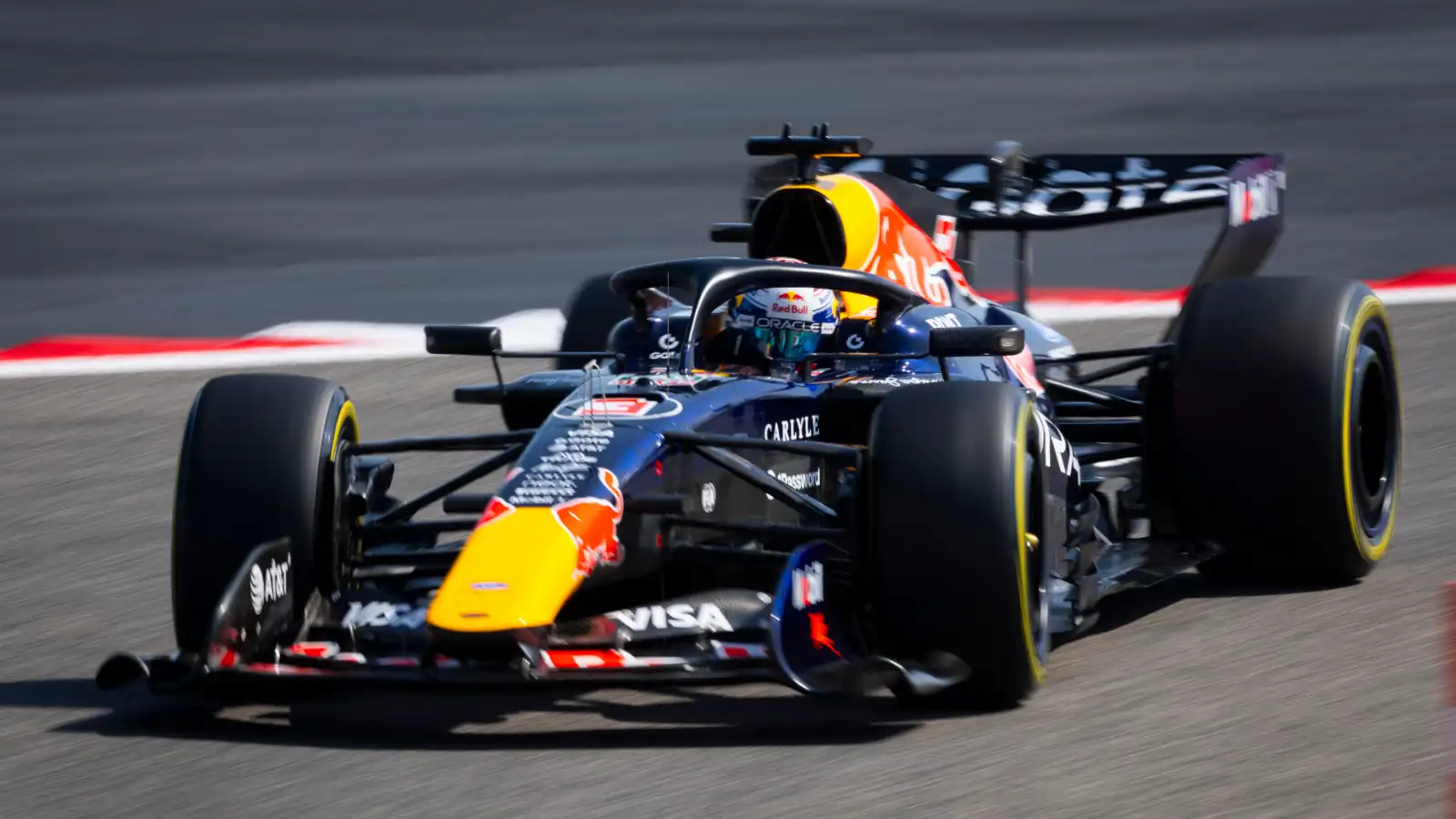

Formula 1, Sportrik Media - The 2026 Formula 1 regulations have introduced sweeping technical changes that have triggered criticism from several top drivers and raised concerns among fans. Much of the debate centres on the shift in car character, with a greater reliance on electrification and software-driven systems.
Power Unit Performance: Focus on the 50/50 Split
The most significant change comes from the power unit, now split 50:50 between the internal combustion engine (ICE) and the MGU-K electric motor. This marks a substantial increase in electrical contribution compared to the previous turbo-hybrid era.
Some drivers believe the new concept affects acceleration characteristics and overall driving feel. Lewis Hamilton has stated the cars feel less aggressive, even suggesting performance in certain sectors could be slower due to limited electrical energy on long straights.
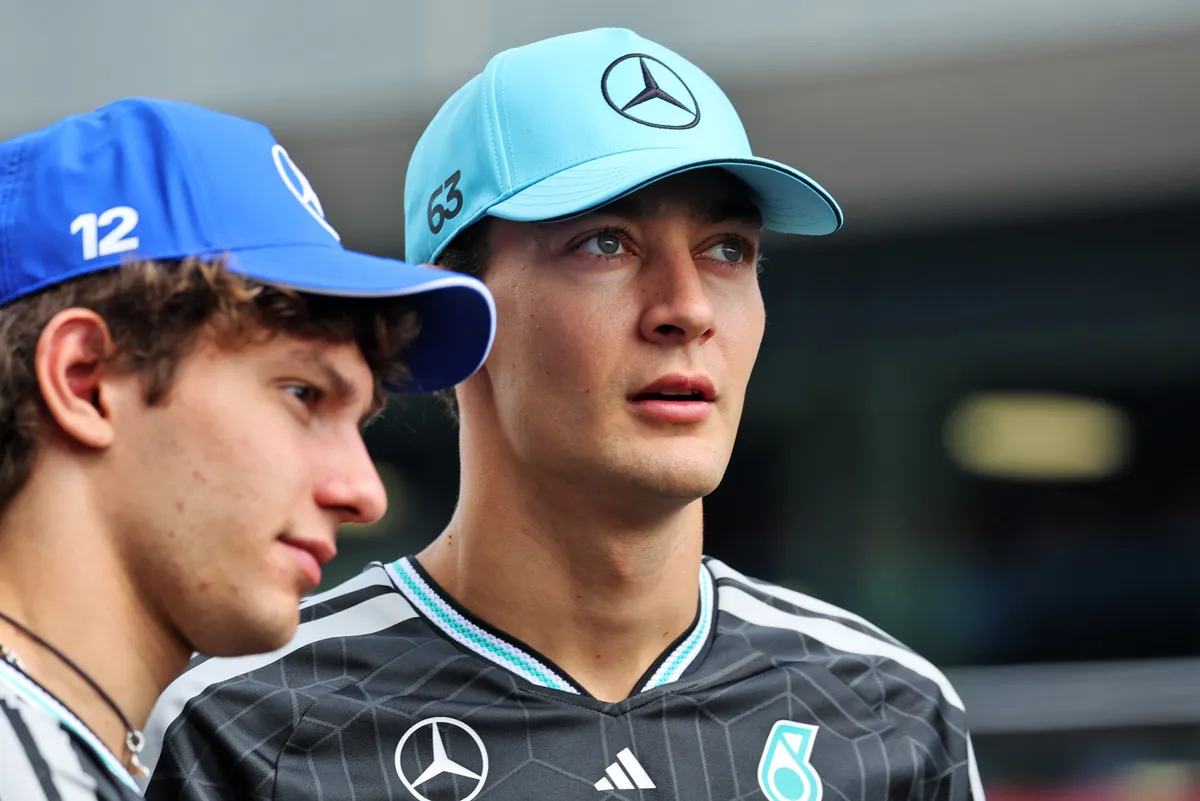
Meanwhile, Max Verstappen criticised the need for aggressive downshifting on straights to harvest energy, describing the approach as counter to the essence of pure racing.
Active Aerodynamics Replace DRS
The conventional DRS system has been removed and replaced with active aerodynamics on both the front and rear wings. The system operates automatically in certain zones, alongside an energy-based overtaking mode as a replacement for DRS.
The change has prompted concerns that overtaking could become more dependent on algorithms and energy deployment rather than direct on-track battles between drivers.
Safety Concerns Over Start Procedures
Pre-season testing at the Bahrain International Circuit in February 2026 also raised concerns about start procedures. Several teams, including McLaren, highlighted the longer time required to build turbo pressure with the new engines.
This situation could create risks at race starts, particularly for drivers further back on the grid, if cars struggle to launch cleanly when the lights go out.
Compression Ratio Controversy
Technical politics have also surfaced regarding a suspected loophole in compression ratio regulations. Some teams have accused rivals of finding ways to run engines at higher ratios than the legal limit.
The issue has triggered intense discussions between teams and the FIA ahead of the new season, with potential rule clarifications possible before the opening race.
Smaller and Lighter Cars
The 2026 regulations also introduce smaller and lighter cars. The maximum width has been reduced from 2,000 mm to 1,900 mm, while the minimum weight has dropped by around 30 kilograms.
Some drivers have welcomed the increased agility, but others feel the cars are more nervous and less stable due to aerodynamic concept changes.
With major technical shifts and mixed reactions from drivers and teams, the 2026 Formula 1 season is set to represent a significant transition period as the new regulations reshape the competitive landscape.
Baca Juga

Liam Lawson menyesali keputusannya tidak bertarung lebih keras melawan Oscar Piastri setelah mengamankan finis posisi ketujuh di GP Sepang.
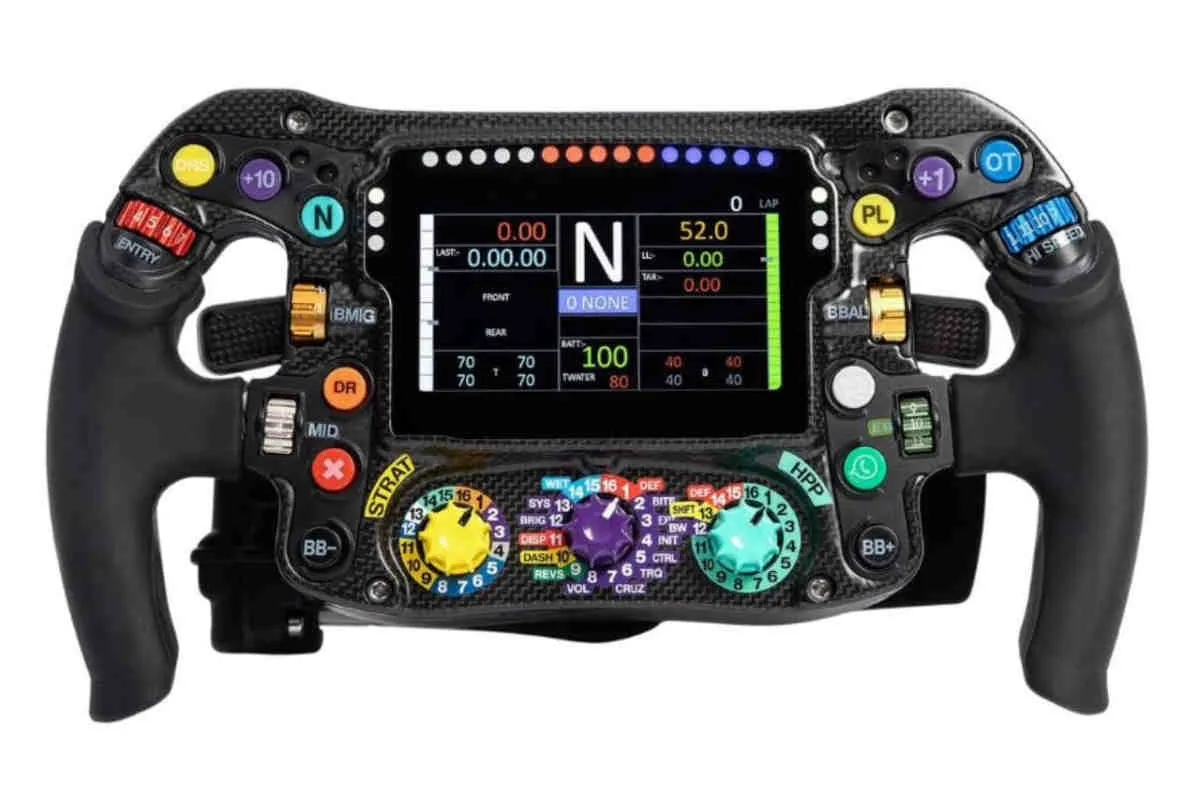
Krisis software F1 di Sepang paksa Hamilton restart mobil seperti modem. Verstappen sebut mirip Lego akibat glitch sistem elektrik.
Mercedes ledek Kimi Antonelli yang kesulitan menyemprotkan air mawar pada selebrasi podium Formula 1 setelah mengamankan posisi kedua klasemen.
 Lanjutkan dengan Google
Diskusi & Komentar (0)
Mari Bergabung dalam Diskusi!
Masuk dengan mudah untuk mulai memberikan komentar, membalas, dan berinteraksi dengan pembaca lainnya.
Komentar Terbaru
Belum ada komentar. Jadilah yang pertama!