







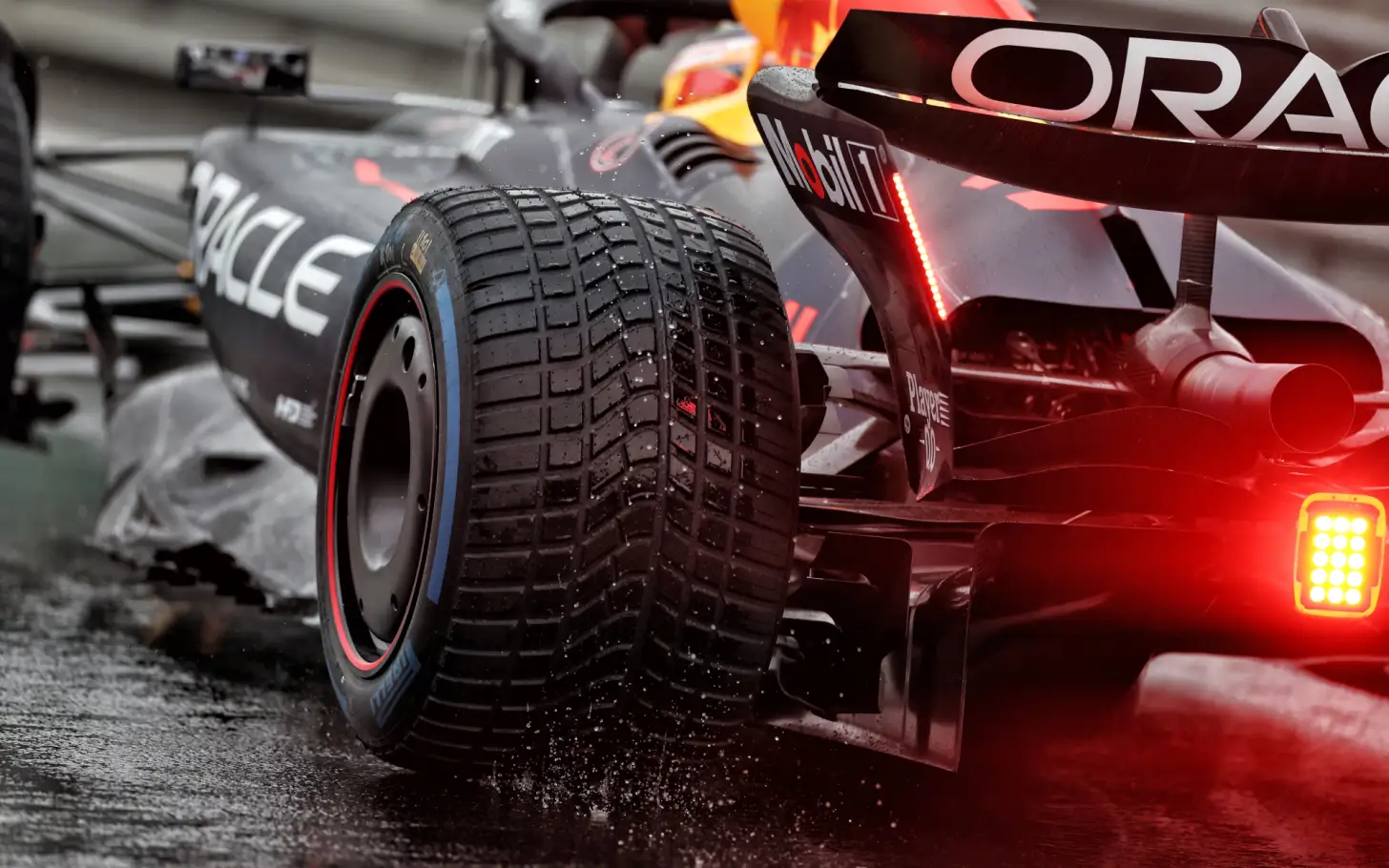

Formula 1, Sportrik Media - Motorsport director of Pirelli, Mario Isola, has outlined plans for a dedicated wet-weather tyre test in Bahrain ahead of the 2026 Formula 1 season, as the championship enters a new regulatory cycle.
Wet running has remained one of the sport’s most persistent technical challenges in recent years. Across multiple aerodynamic generations, excessive spray generated by rear diffusers and underbody airflow has severely compromised visibility in heavy rain, often rendering full-wet tyres practically redundant in race conditions.
The 2021 Belgian Grand Prix remains a stark reference point, where extreme spray led to the race being halted after only a handful of laps behind the safety car, with half points awarded. Since then, Formula 1 and the FIA have sought structural solutions, working closely with the sole tyre supplier to improve both safety and usability in wet conditions.
According to Isola, the 2026 cars could offer incremental improvements. The revised aerodynamic philosophy, notably the absence of the previous large diffuser configuration, is expected to reduce the volume of water projected into the air. Additionally, the slightly narrower tyres may contribute to lowering spray intensity.
“Considering the cars are different, without the diffuser — that was putting a lot of spray in the air — the visibility is probably slightly better,” Isola explained.
“Also, the tyres are a little bit narrower, so putting less water in the air. Whether it is enough for the race director to let them run or not, this is something I don't know.”
Pirelli’s development objective is to narrow the performance crossover window between the full-wet and intermediate compounds, enhancing the strategic relevance of the wet tyre during transitional track conditions.
“What we tried to achieve is to reduce the crossover time between the wet and intermediate [compounds] in order to make the wet tyre more usable.”
“The point is that, if you are in a race condition and the expectation is for the track to dry, they will put on intermediates, because they want to minimise the number of pit stops. So, it depends on the conditions.”
However, development in adverse conditions presents a structural limitation. Unlike dry tyre testing, which can be conducted after race weekends when teams are already present at circuits, wet testing requires dedicated facilities capable of artificially soaking the track surface.
“Any information is important for us, because we don't have a lot of opportunities for testing,” Isola said.
“At the moment, we are planning three sessions — it's a miracle — because in dry conditions we can use Tuesday and Wednesday after a race. But for wet conditions you cannot; you need a specific track. We go to Paul Ricard, we go to Magny Cours.”
Isola revealed that Bahrain could provide a unique opportunity. Despite its desert location, the circuit has proposed a comprehensive sprinkler-based system designed to uniformly wet the entire layout without relying on tanker trucks.
“We are trying to organise a wet condition test here in Bahrain, and I'm very confident because the track has an idea of how to wet all the circuit — so the full circuit, not with the tanks, but with another system,” he explained.
“And if they do that properly, we have an opportunity to test on a high-severity circuit in wet conditions. That is something that doesn't happen very often. So we have this opportunity, we want to use it in the best possible way.”
The proposed test is scheduled for the evenings of 28 February and 1 March, the weekend before the Australian Grand Prix, with McLaren and Mercedes-AMG Petronas Formula One Team set to participate.
Beyond refining the existing compounds, Pirelli is also evaluating the potential introduction of a third wet-weather option — a single-tread super intermediate — designed to bridge the gap between current intermediate and full-wet tyres. However, limited testing windows constrain how aggressively development resources can be allocated.
“We have another couple of tests planned in Fiorano, and I don't remember if it was Paul Ricard or Magny Cours, but in one of the two circuits. But that's all — more than that is almost impossible — so we have to maximise any opportunity for wet development.”
“I'm not saying that I hope it's raining in one of the first races, but it could be interesting for us to get information from a wet race, to understand a bit more about that, and then to direct our development in the right direction.”
As Formula 1 transitions into the 2026 regulatory framework, wet-weather performance remains a critical safety and sporting variable. The planned Bahrain test could therefore represent a decisive step in ensuring that future rain-affected grands prix are both competitive and operationally viable.
Baca Juga
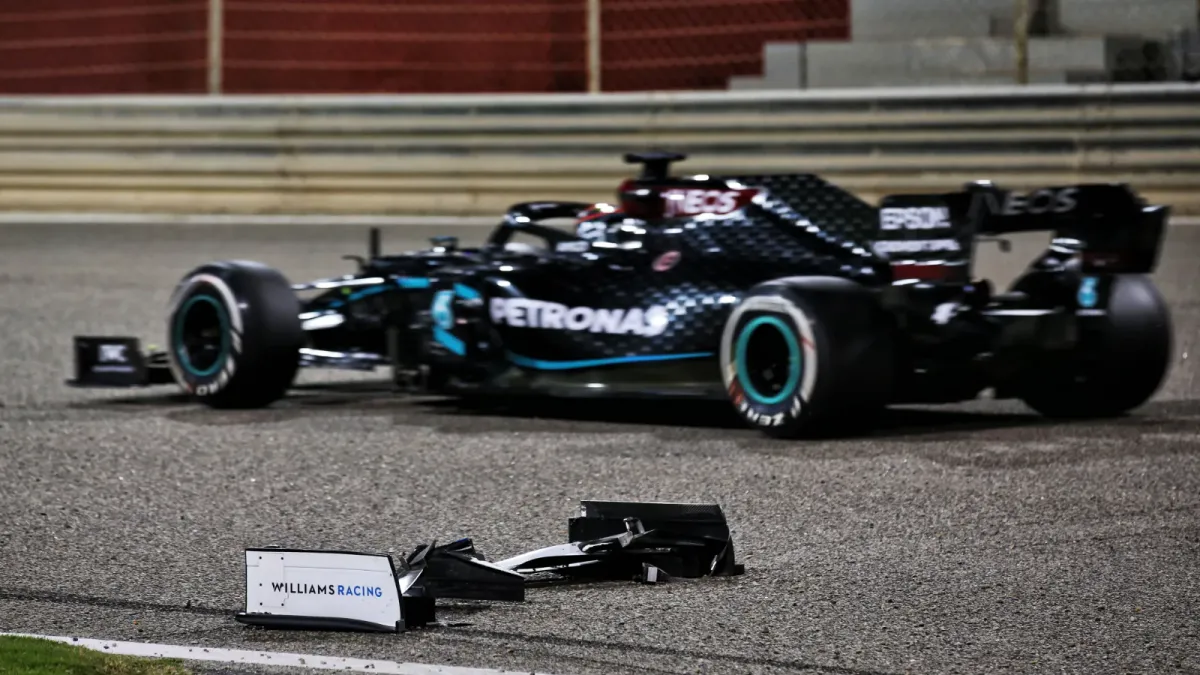
George Russell mengungkap bekas luka fisik dari debut F1 Mercedes-nya di Sakhir 2020, saat ia dipaksa beradaptasi dengan kursi yang tidak muat. Simak kisah lengkapnya.
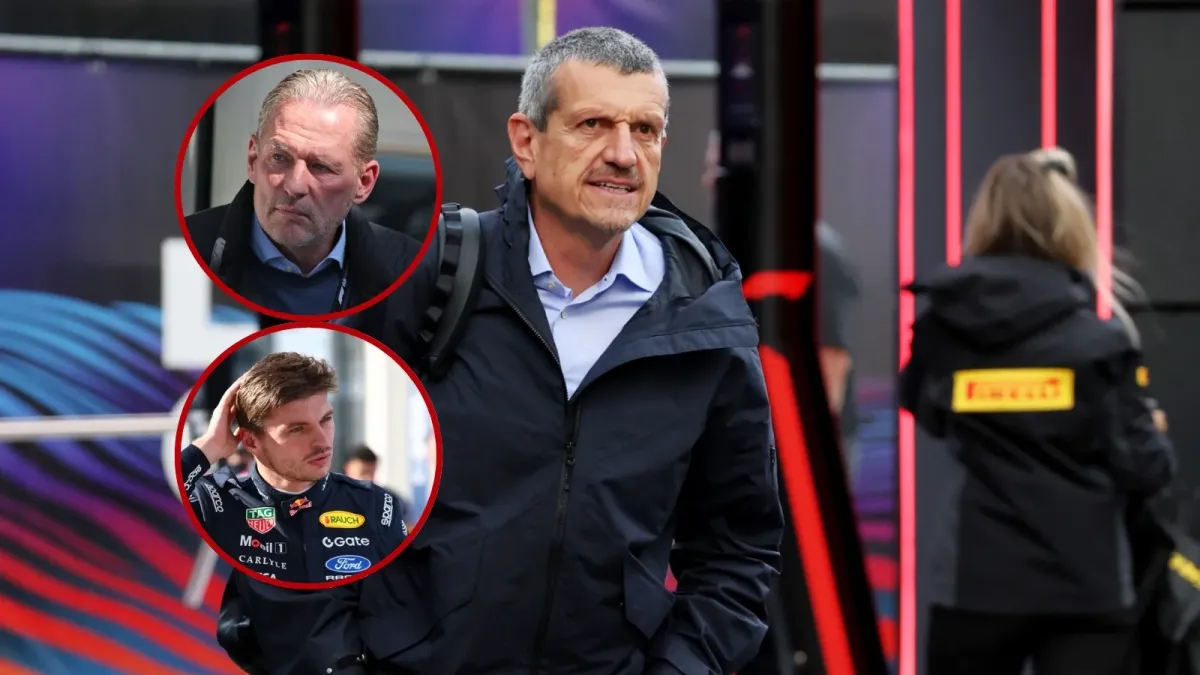
Guenther Steiner menilai Mercedes tak perlu memburu Max Verstappen karena Andrea Kimi Antonelli sudah tampil impresif di 2026. Apakah ini akhir spekulasi?
Otmar Szafnauer mengaku memakai plester bertuliskan Netflix untuk memperingatkan koleganya soal mikroton Drive to Survive di pit wall F1.
 Lanjutkan dengan Google
Diskusi & Komentar (0)
Mari Bergabung dalam Diskusi!
Masuk dengan mudah untuk mulai memberikan komentar, membalas, dan berinteraksi dengan pembaca lainnya.
Komentar Terbaru
Belum ada komentar. Jadilah yang pertama!