







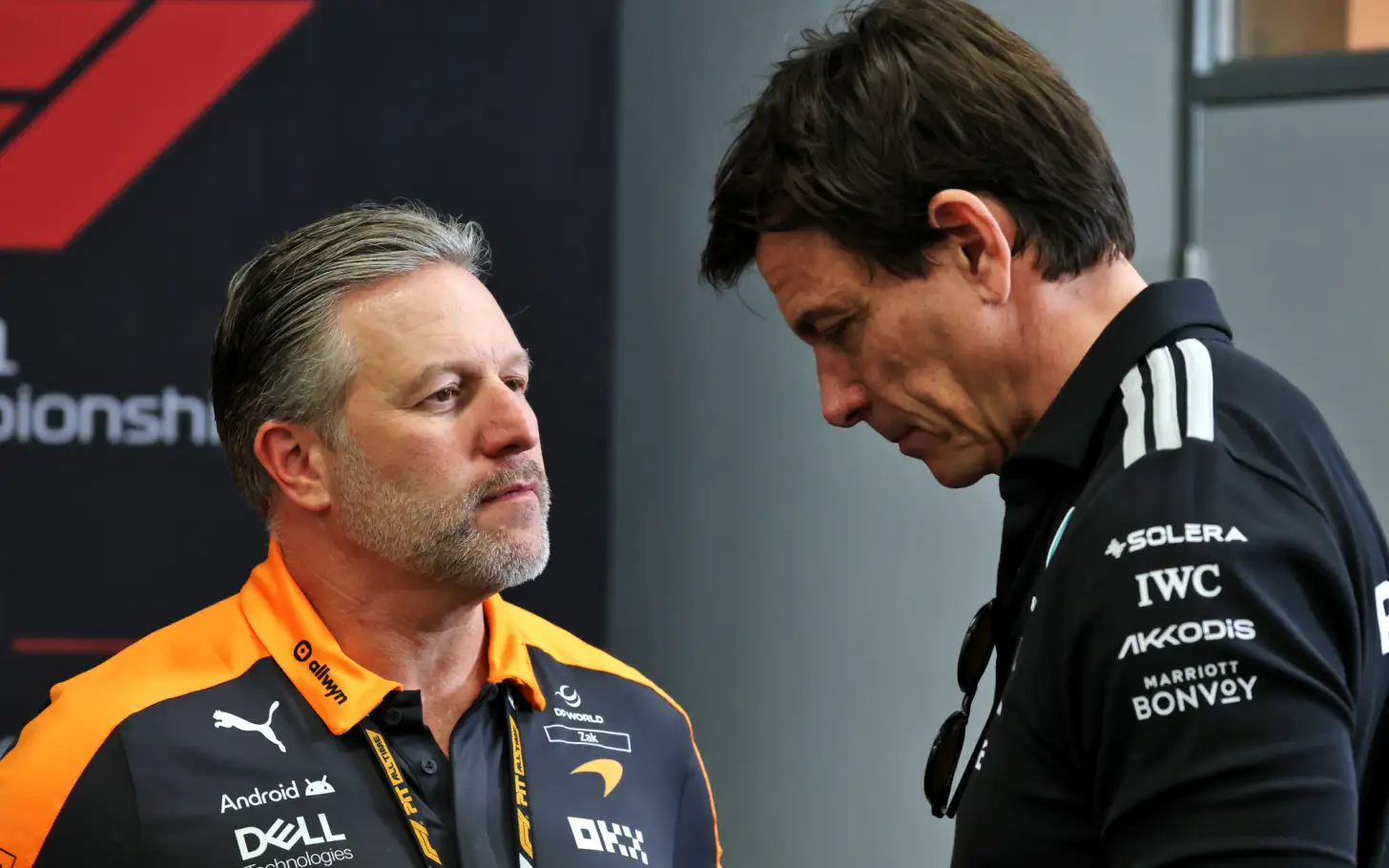

F1, Sportrik Media - McLaren CEO Zak Brown and Mercedes team principal Toto Wolff have outlined the delicate balance Formula 1 faces in deciding when — or whether — to introduce technical changes under the new 2026 regulations. With several aspects of the power unit framework still under evaluation, the sport finds itself navigating a complex early phase of regulatory transition.
As is common at the beginning of a new rules cycle, multiple technical elements have quickly become focal points of debate. The compression ratio measurement has emerged as one of the most significant discussion areas during pre-season testing, with a manufacturers’ vote scheduled to determine whether the FIA should implement a revised testing procedure. Meanwhile, race start procedures have drawn scrutiny due to the extended turbo spool-up time following the removal of the MGU-H.
With limited competitive data available and several regulatory variables still being understood, Formula 1 must weigh the option of acting before the season opener in Melbourne against waiting for empirical evidence from the opening rounds. Brown emphasised that the grid remains in a learning phase.

“I think it’s a combination of both,” Brown explained. “We’re all learning a lot right now. Every session we’re understanding more about the car. We all want what’s best for the sport, and we still have some testing to go.”
“We’re going to try some things, evaluate them, and if we need to make a change, we’ll make a change. Some of the proposed changes could be implemented quite quickly. Ultimately, the sport will come together and do what produces the best racing.”
The compression ratio debate is believed to centre on potential competitive imbalances among manufacturers, with suggestions that a revised test could be introduced after the summer break. Any such measure would require a supermajority vote from the manufacturers to be enacted.
During the latest F1 Commission meeting, Wolff noted that decision-making structures have matured compared to previous regulatory transitions, when rapid and sometimes reactive changes were introduced.
“What became clear in the F1 Commission was that I felt very positive,” Wolff said. “In the past, we would sometimes become victims of ourselves by taking drastic or draconian decisions.”
“There are more engineers in the group now, so discussions are more grounded. It was good to evaluate and agree on certain points rather than make knee-jerk decisions. Let’s see how it evolves. Melbourne is also a very demanding circuit from an energy perspective.”
Wolff suggested that the opening races will provide clearer indicators of any structural issues before formal solutions are developed. With the 2026 regulations encompassing active aerodynamics and a rebalanced hybrid system, a data-driven approach is viewed as essential to maintaining both competitive integrity and regulatory stability.
The coming weeks will therefore prove decisive in shaping the trajectory of the new era. Formula 1 must strike a balance between safeguarding fairness and allowing the regulations to mature naturally — ensuring that any intervention serves the broader interests of teams, drivers, and fans alike.
Read Also
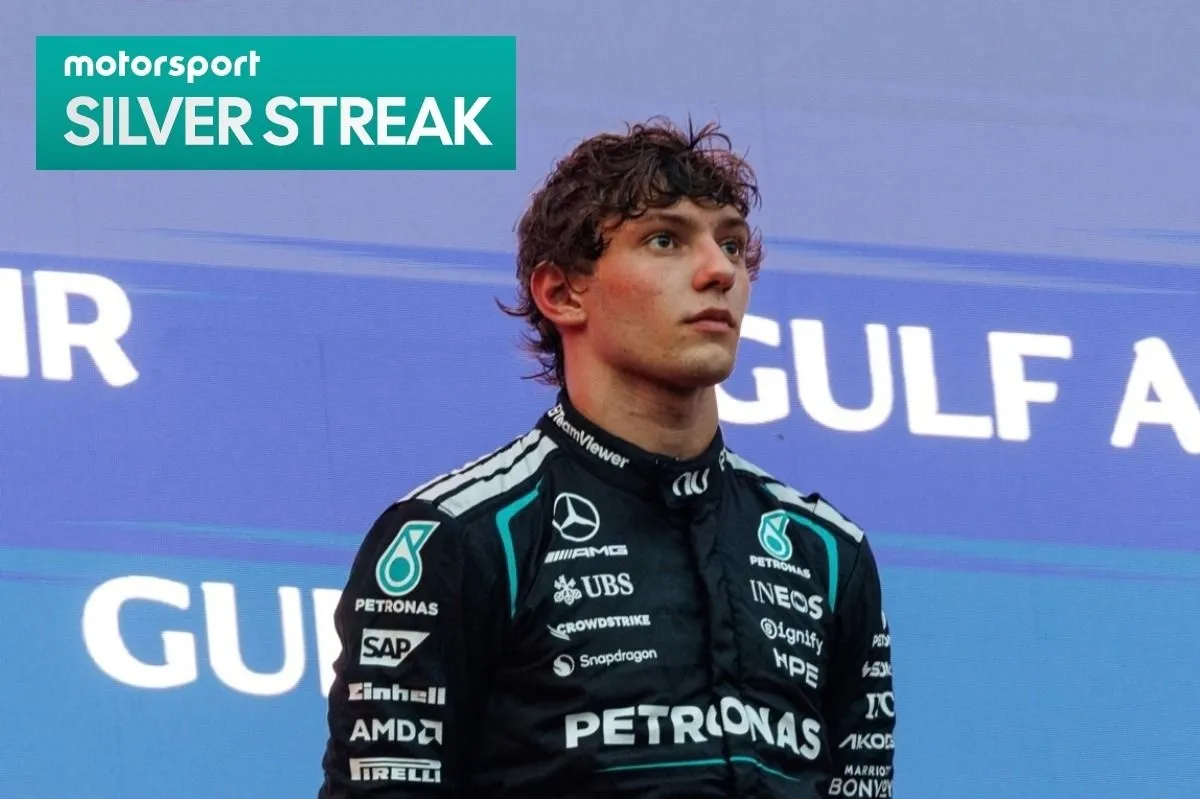
Mercedes ledek Kimi Antonelli yang kesulitan menyemprotkan air mawar pada selebrasi podium Formula 1 setelah mengamankan posisi kedua klasemen.

Charles Leclerc ungkap kekhawatiran mendalam pembalap F1 terhadap regulasi mesin 2026 usai kekacauan teknis di Grand Prix Bahrain.

Simak analisis lengkap kekacauan GP Bahrain 2026, kemenangan perdana Red Bull Powertrains, serta preview eksklusif Bathurst 1000 bersama David Reynolds.
 Continue with Google
Discussion (0)
Join the Discussion!
Sign in easily to start commenting, replying, and interacting with other readers.
Latest Comments
No comments yet. Be the first!