







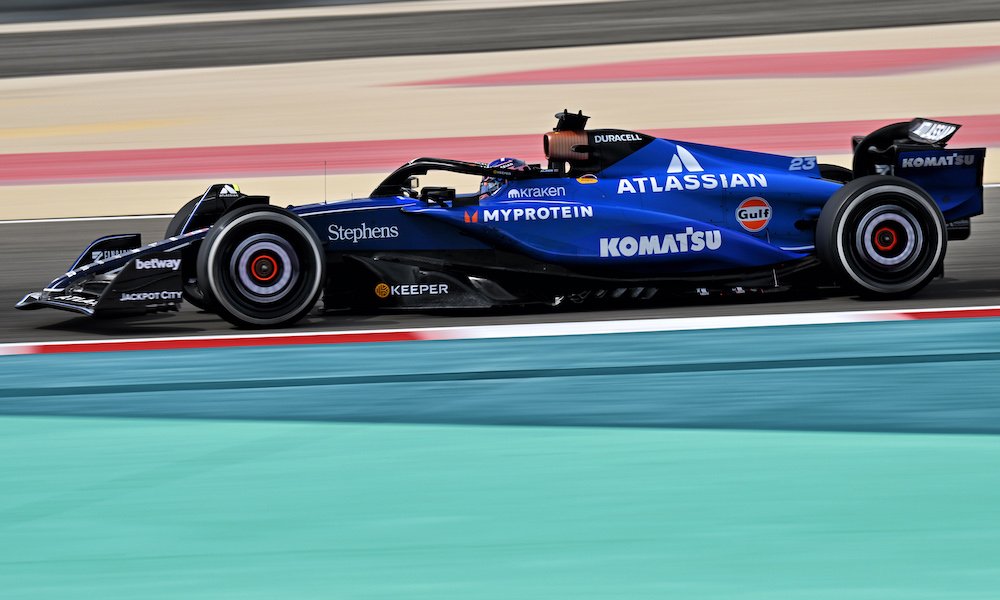

Atlassian Williams F1 Team has confirmed a difficult decision to withdraw from next week’s Formula 1 pre-season test in Barcelona, after technical delays prevented the FW48 from reaching the required level of readiness.
Williams’ absence follows issues completing the FIA’s mandatory crash tests, a fundamental requirement before any new car is permitted to run on track. Rather than rushing final sign-off, the team has opted to prioritise safety validation and baseline performance integrity under the all-new 2026 regulations.
The consequences of the withdrawal are significant. With Barcelona accounting for one-third of the nine total testing days allowed before the season opener, Williams will now rely entirely on the two Bahrain tests in February. As a result, Alex Albon and Carlos Sainz are set to receive a maximum of three days each in the FW48 before competitive running begins.
The decision underlines the scale of the technical reset facing Williams. The 2026 regulations demand a tightly integrated approach between chassis safety structures, aerodynamics, and power unit systems, leaving little margin for compromise in early development phases. Williams has therefore chosen consolidation over short-term mileage.
In an official statement, the team explained the rationale behind the move, framing it as a strategic call rather than a reactive measure.
“Atlassian Williams F1 Team has taken the decision not to participate in next week’s shakedown test in Barcelona following delays in the FW48 programme as we continue to push for maximum car performance.”
Instead of running on track, Williams will redirect resources toward simulation-based preparation. A Virtual Test Track (VTT) programme using the 2026 car will be conducted next week, allowing the team to refine systems, correlation models, and operational procedures ahead of Bahrain.
“The team will instead conduct a series of tests, including a VTT programme next week with the 2026 car, to prepare for the first official test in Bahrain and the first race of the season in Melbourne.”
While simulation cannot fully replace on-track learning, Williams believes the approach reduces the risk of introducing unresolved structural or performance issues into its limited testing window. The strategy places greater emphasis on maximising the quality, rather than quantity, of mileage once the FW48 does reach the circuit.
“We are looking forward to getting on track in the coming weeks and want to thank all our fans for your continued support – there is a lot to look forward to together in 2026.”
With Barcelona now off the calendar, Williams enters the 2026 season build-up under pressure to extract maximum value from Bahrain. How effectively the team converts limited running into reliable performance data may prove decisive in shaping its competitiveness during the opening phase of Formula 1’s new regulatory era.
Read Also
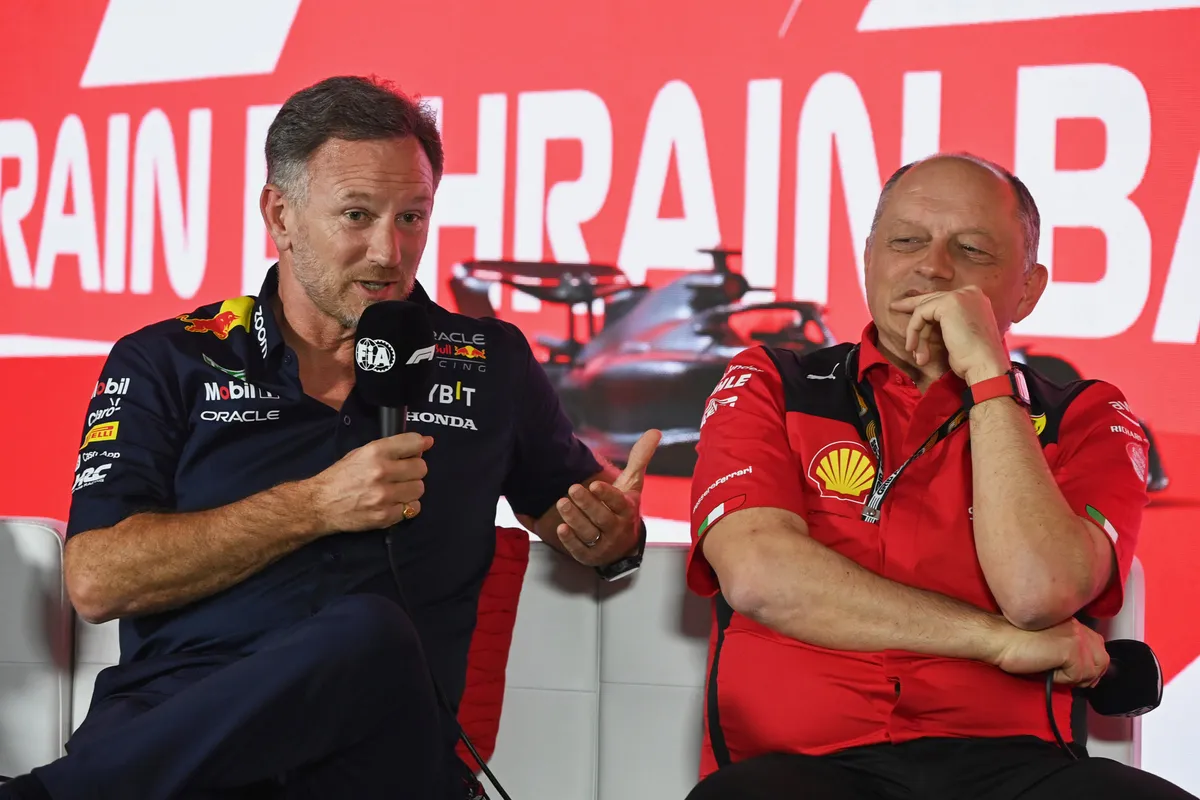
Christian Horner buka pintu kembali ke F1, sebut Ferrari satu-satunya tim yang menarik. Simak pernyataan lengkap dan spekulasi masa depannya.

Stefano Domenicali ceritakan lelucon Jimmy Fallon di makan malam GP Miami: pizza dikirim ke restoran Michelin, lengkap dengan catatan lucu.
Formula 1 hampir menyentuh 1 miliar fans global. Stefano Domenicali soroti pertumbuhan audiens wanita dan strategi ekspansi di AS.
 Continue with Google
Discussion (0)
Join the Discussion!
Sign in easily to start commenting, replying, and interacting with other readers.
Latest Comments
No comments yet. Be the first!