







Formula 1, Sportrik Media - FIA single-seater director Nikolas Tombazis has officially confirmed that at least one Formula 1 team has successfully exploited a loophole in the new power unit regulations, a development that has triggered a major dispute overshadowing the build-up to the 2026 season.
The introduction of the new power unit framework has been central to Formula 1’s strategy of attracting fresh manufacturers. While Renault has exited as an engine supplier, the current season marks the long-awaited arrival of Audi, the return of Honda, and the formal entry of Red Bull Powertrains as an in-house supplier. In the coming years, General Motors is also expected to join, supplying power units to Cadillac F1.
A defining element of the 2026 regulations is the mandated 50:50 split between internal combustion power and electrical energy. This shift was designed to modernise Formula 1’s technical direction while increasing relevance to road-car technology. However, a regulatory grey area has now emerged, which has reportedly been exploited most effectively by Mercedes.
By managing the compression ratio of the pistons within the internal combustion engine, Mercedes has reportedly been able to achieve higher efficiency than rivals. While FIA measurements enforce a 16:1 compression ratio limit at ambient temperature conditions, the design allegedly allows the ratio to rise to around 18:1 when the engine is operating at racing speeds and elevated temperatures.
The situation has prompted strong reactions from rival manufacturers, particularly Ferrari, Audi, and Honda. The dispute has placed the FIA under significant pressure to intervene, amid concerns that formal protests could be lodged following the Australian Grand Prix, potentially escalating to Court of Appeal hearings.
Explaining the rationale behind lowering the compression ratio limit, Tombazis outlined the extreme technical complexity involved in modern Formula 1 power units.
“Many pistons are moving up and down, turning around the crankshaft, and when they move, the fuel and the air come into the engine,” Tombazis explained. “It gets quite complicated to design those super-sophisticated engines with that number being very high.”
He emphasised that the regulations were intentionally shaped to encourage new manufacturers to enter the sport, a goal he believes has largely been achieved.
“In the early days, we wanted these regulations to invite newcomers, and we’ve been quite successful,” Tombazis said. “We have five power unit manufacturers at the moment, and one on the way. If we hadn’t made these changes, we would probably only have two by now, and that would have been a problem.”
Tombazis added that without regulatory simplifications and cost reductions, new manufacturers would have faced an almost impossible task catching up with established suppliers under the cost cap.
“That’s why part of the conditions for these companies to come in was to create simplifications and cost reductions,” he said. “The compression ratio was one of those.”
As part of that process, the FIA reduced the nominal compression ratio limit from 18:1 to 16:1, describing the move as a compromise rather than a restriction that meaningfully limited performance under previous regulations.
However, the FIA has now acknowledged that engineers have found ways to exploit how compression behaves under real-world operating conditions.
“As these engineers are very clever and always pushing for an advantage, some have found ways to potentially increase it when the engine is running hot,” Tombazis admitted. “That is the discussion we’re having now.”
The FIA’s immediate priority is to prevent the issue from escalating into formal protests once the season begins. Tombazis made clear that the governing body is working toward a resolution ahead of the opening race in Melbourne.
“We have spent a lot of time discussing how we solve these issues,” he said. “Our intention is to solve them before the start of the season. We don’t want controversies.”
“We want people to be competing on the track, not in the courtroom or the stewards’ room, and that’s what we’re trying to do.”
With the 2026 season approaching, the handling of this power unit dispute is set to become a defining early test for the FIA. The outcome will not only shape the competitive balance at the start of the new era, but may also establish a key regulatory precedent for how aggressively manufacturers can interpret the next generation of Formula 1 rules.
Read Also
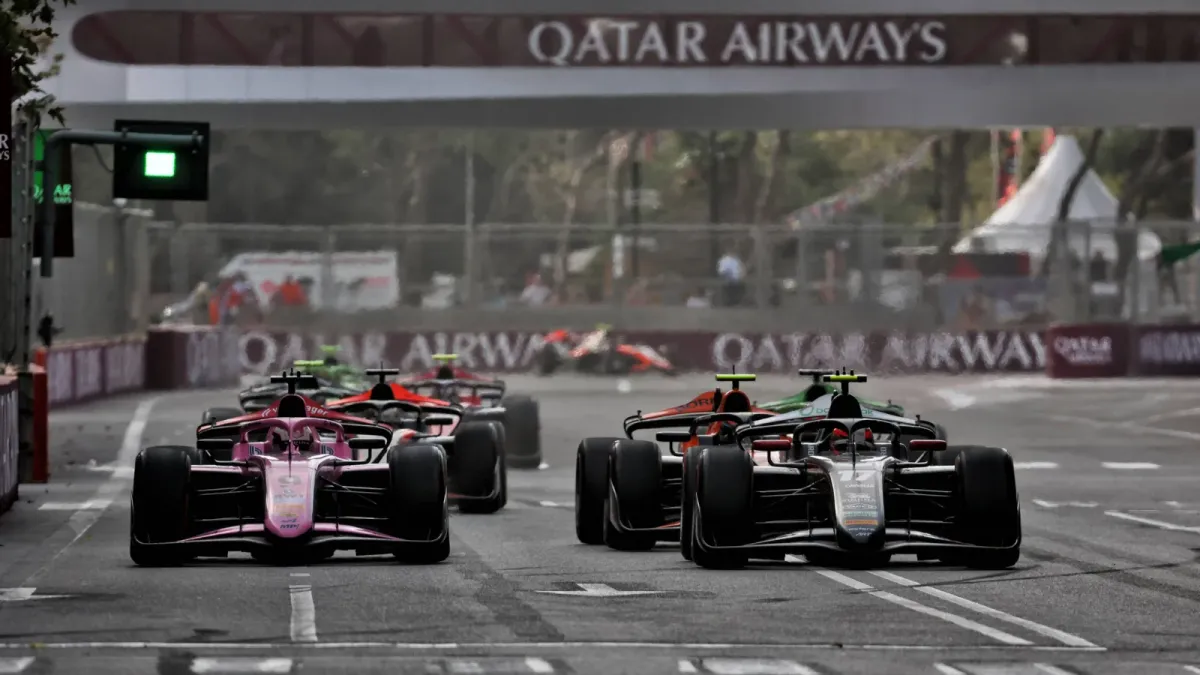
Alex Dunne memenangi Feature Race F2 Azerbaijan 2026, diikuti Stenshorne dan Beganovic. Rafael Camara ambil alih pimpinan klasemen dari Nikola Tsolov.
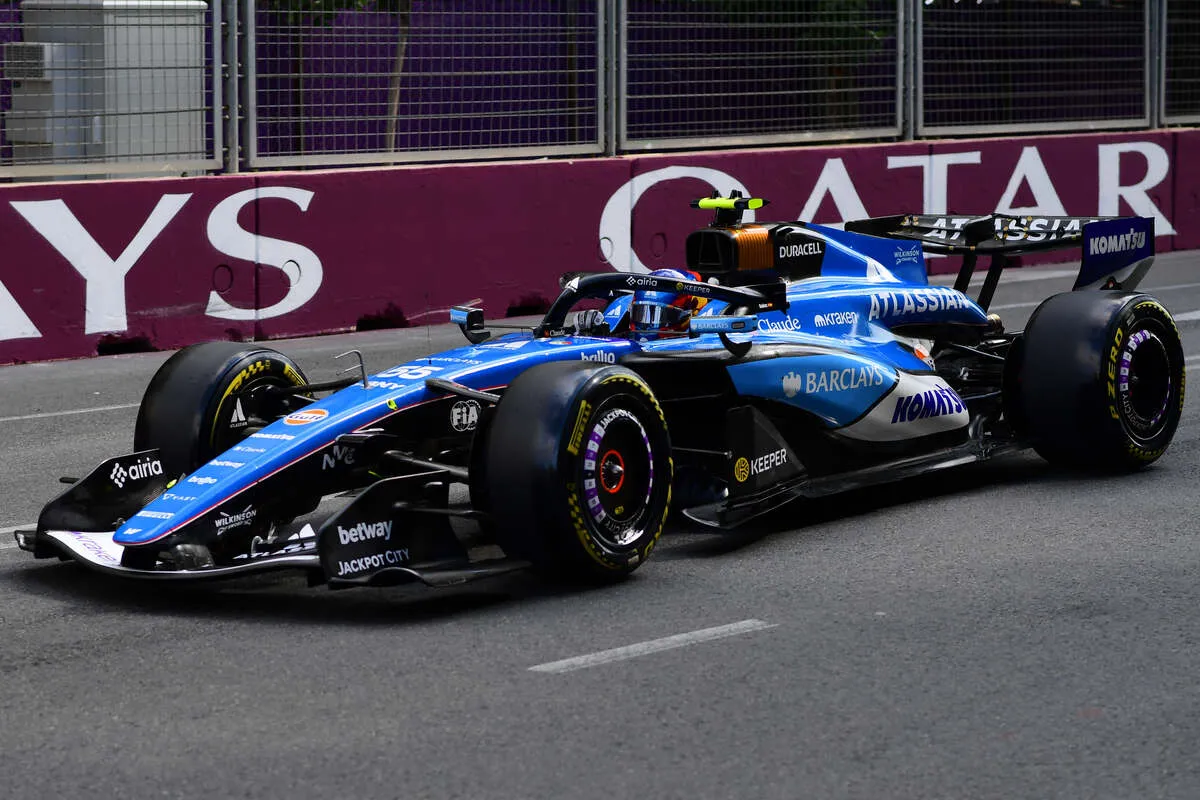
Williams meluncurkan sasis FW48 baru yang lebih ringan dan paket aerodinamika di GP Azerbaijan. James Vowles klaim teknik produksinya unik di grid F1.
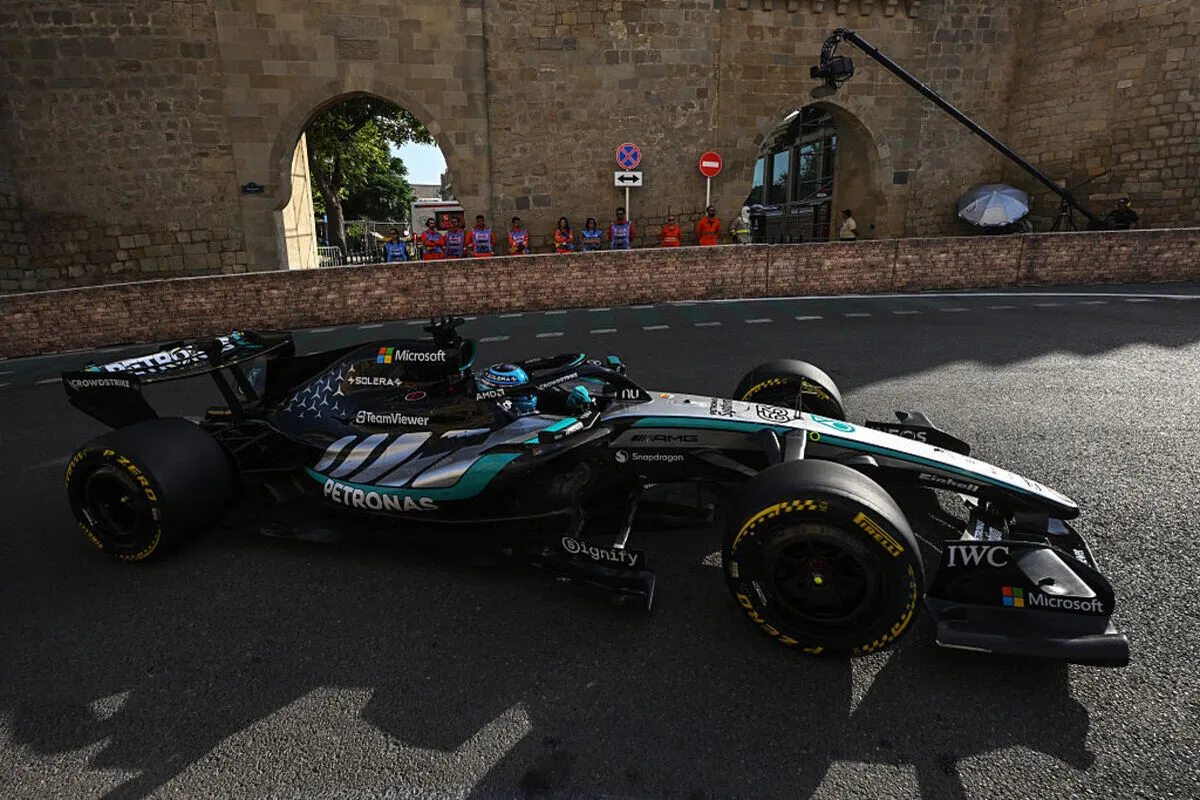
Max Verstappen tantang Mercedes di FP3 GP Azerbaijan. Red Bull ubah distribusi energi, scia pengaruhi persaingan pole. Simak analisisnya.
 Continue with Google
Discussion (0)
Join the Discussion!
Sign in easily to start commenting, replying, and interacting with other readers.
Latest Comments
No comments yet. Be the first!