





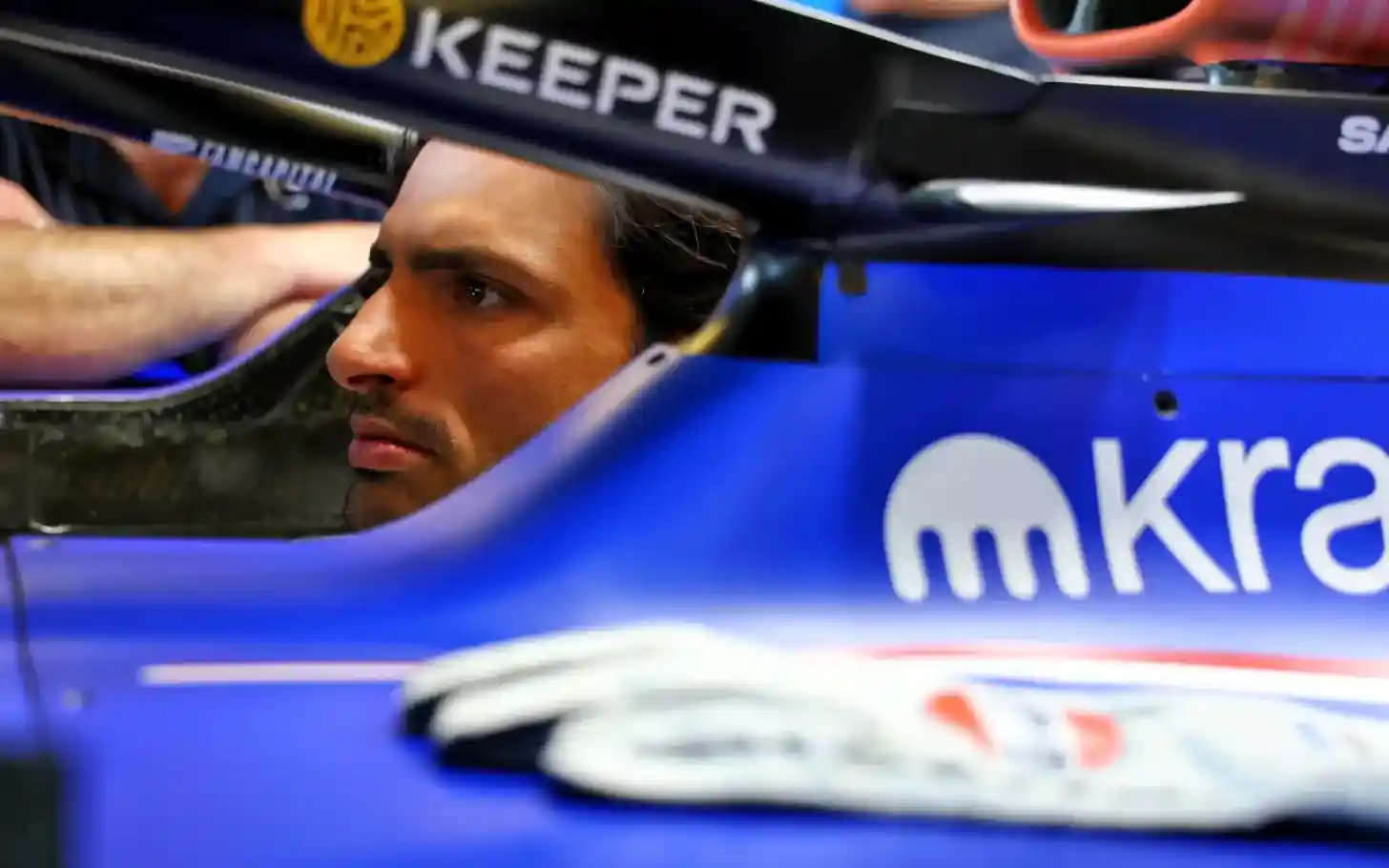
Formula 1, Sportrik Media - James Vowles, Williams team principal, believes the squad's recent Right of Review (RoR) success will illuminate Formula 1's "murky and unclear" racing regulations. This follows Carlos Sainz's penalty for a collision with Liam Lawson at the Dutch GP, prompting an RoR submission before the Italian GP. Sportrik's comprehensive analysis highlights Williams' provision of "relevant, new, and significant" evidence that erased Sainz's penalty points, alongside broader implications for overtaking guidelines in an increasingly tight F1 field.
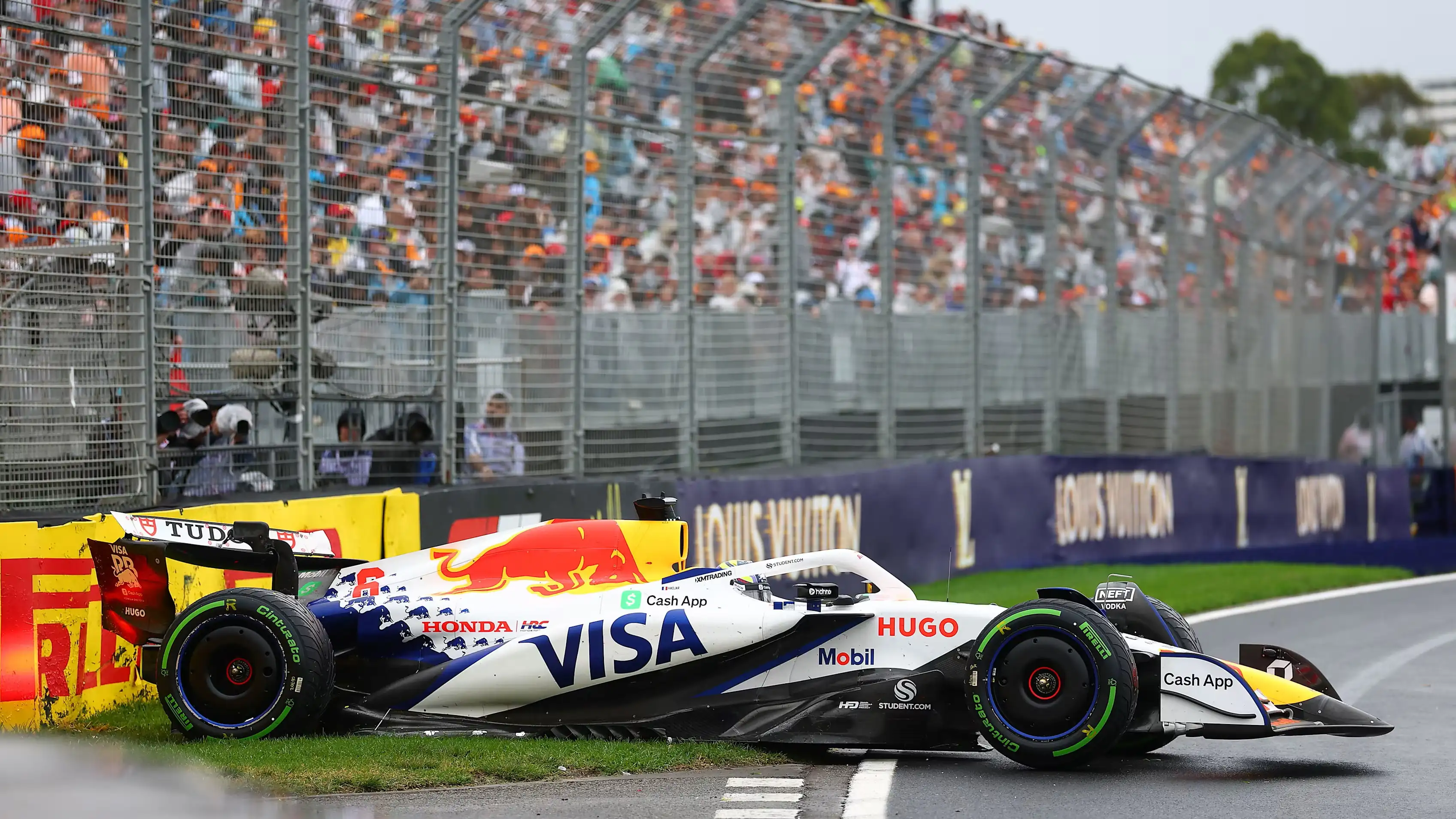
The controversy originated at the Dutch GP, where Sainz received a 10-second penalty and two superlicence points for the Lawson incident. Williams overturned the points via RoR, though the time penalty stood. Vowles stressed that the process transcended points, aiming to foster mutual understanding for future racing. Amid growing criticism from drivers and team bosses on F1's overtaking directives, this initiative promises steps toward more consistent rulings.
Sportrik notes Williams' RoR triumph underscores the value of fresh evidence in challenging steward decisions, particularly as 20 cars vie within eight-tenths, heightening collision risks. Vowles' steward discussions could model enhanced dialogue, mitigating the uncertainty fueling paddock debates.
Vowles' Insights on RoR Process
In a Sky Sports F1 interview, Vowles candidly remarked, "To be blunt, the stewards get a hard time, but they really don't have an easy job." He added, "They're adjudicating fine margins that happen live, and we focus on the ones that aren't properly adjudicated, but I'm appreciative of the time they went through with the review; we actually spoke properly through the case."
Further, Vowles emphasized, "It wasn't so much about the two points; it was more about establishing how we go racing in the future, because it is murky and unclear to us at the moment, and it's only getting closer. You get 20 cars within eight-tenths, I guarantee you're going to bang wheels a few times, but my main thing that came out of it is that it was a very sensible conversation, and it will lead to better conversations in the future."
Sportrik's assessment reveals Vowles' perspective echoes widespread frustrations, where steward calls often rely on subjective views. Williams' evidence-driven RoR success could spur the FIA to streamline guidelines, especially for overtaking incidents in packed fields like the Dutch GP.
Criticism of Racing Rules and Improvement Hopes
Drivers and bosses have lately lambasted F1's ambiguous overtaking rules, with Vowles adding, "[Decisions] should be self-contained within the weekend; that has to be the goal we get towards. Part of this is a learning experience that anyone just throws away; we've put this in the bag of making it better for everyone."
He acknowledged, "Human beings have to adjudicate based on what they're seeing at that point in time, and they will get it wrong. It does happen." Sportrik concurs that human error is inevitable, yet Williams' RoR dialogue could minimize mistakes via clearer definitions for "unsafe contact," vital in close-quarters racing.
Historically, F1 has overhauled rules post-controversies like Monza 2021, and this case may prompt similar reforms. Vowles views it as a "bag of experience" for collective progress, which Sportrik sees benefiting underdogs like Williams in fair competition.
F1 Rule Clarification Prospects
Williams' RoR victory not only clears Sainz but paves the way for constructive steward talks. As the 2025 season hits its stride, Sportrik predicts this will push the FIA toward guideline updates, dispelling "murkiness" that hampers quality racing. Ideally, self-contained weekend decisions become standard, shifting focus to on-track action over post-race wrangles. Our analysis will monitor rule evolutions for further insights.
Discussion (0)
Please login to join the discussion.
Latest Comments
No comments yet. Be the first!