







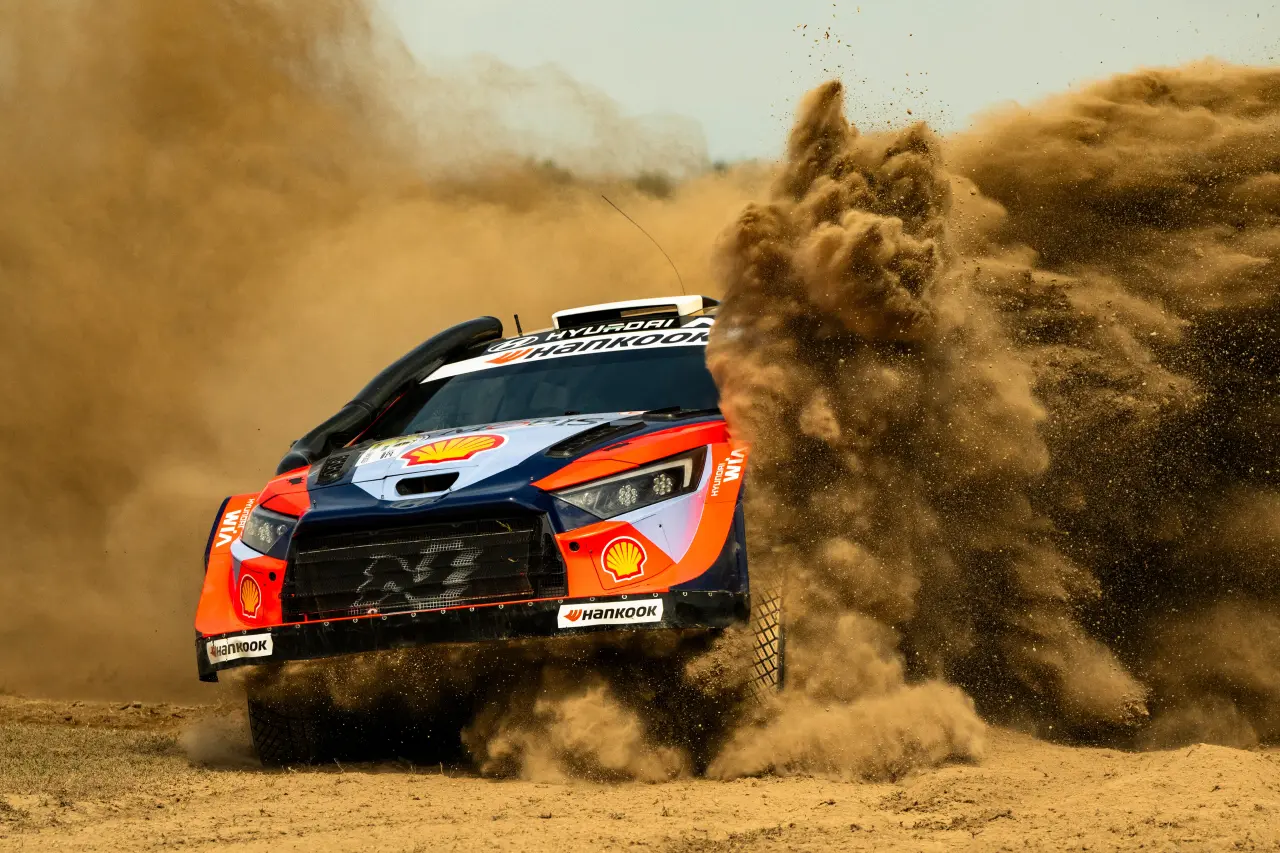

WRC, Sportrik Media - Safari Rally Kenya has long been regarded as one of the most demanding rounds of the FIA World Rally Championship. Held across the Great Rift Valley around Naivasha, the event is less about outright speed and more about endurance, mechanical durability, and strategic decision-making across multiple days of competition.
Unlike many rallies in Europe that feature relatively predictable road surfaces, Safari Rally presents a constantly changing environment. Teams such as Toyota Gazoo Racing and Hyundai Motorsport must prepare their Rally1 cars specifically for Kenya’s rough terrain, high temperatures, and mechanical stress, factors that frequently challenge even the most experienced drivers like Elfyn Evans and Thierry Neuville.
Unpredictable Terrain
One of the defining features of Safari Rally Kenya is its constantly changing road surface. Drivers may reach speeds of over 200 km/h on relatively smooth straights before suddenly encountering deep ruts, large holes, or sharp rocks.
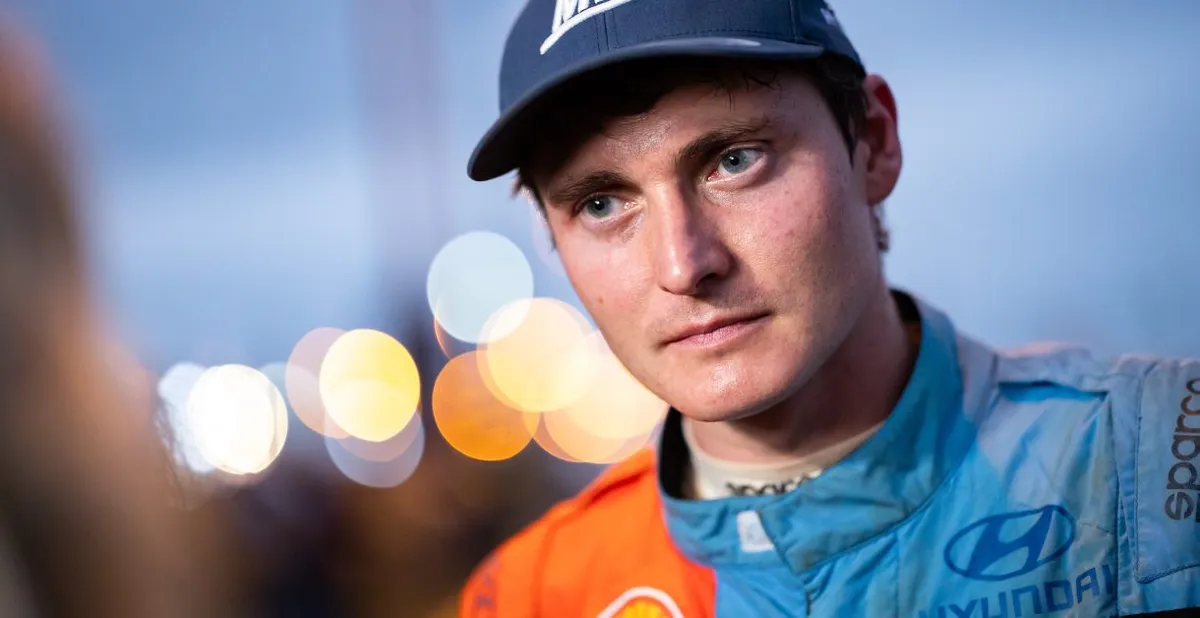
This extreme variation generates heavy shock loads on the car throughout each stage. Managing this risk requires drivers such as Sébastien Ogier to carefully balance speed with mechanical preservation.
Extreme Stress on Suspension
Suspension components endure some of the toughest conditions anywhere in rallying during the Safari Rally. Rally1 cars are typically configured with longer suspension travel and reinforced components to absorb repeated impacts from rocks and uneven terrain.
Even with strengthened setups, failures such as broken wishbones or damaged shock absorbers can occur during the rally. Mechanical durability often becomes a decisive factor in determining which teams reach the finish without significant issues.
High Temperatures and “Fesh-Fesh” Dust
Environmental conditions in Kenya can be extremely demanding. Cockpit temperatures can exceed 50°C, placing significant physical strain on drivers and co-drivers during long stages.
Another major challenge is “fesh-fesh,” a fine volcanic dust that behaves like powder. This dust can quickly clog air filters, reduce engine cooling efficiency, and accelerate wear on braking systems, making reliability management essential throughout the event.
Tyre Strategy: Speed vs Survival
Tyre management plays a critical role in Safari Rally Kenya. Unlike many rallies where grip is the primary concern, tyre durability is equally important due to the sharp rocks scattered along the stages.
Drivers must constantly choose between pushing for maximum speed or protecting their tyres from punctures. In many cases, the rally winner is not the driver who sets the fastest times on every stage, but the one who suffers the fewest punctures over the entire weekend.
The Threat of Sudden Rain and Mud
Weather conditions around Naivasha can change rapidly. A dry and dusty stage can quickly turn into slippery red mud following sudden heavy rainfall.
When this happens, standard gravel tyres can struggle to maintain grip as thick mud fills the tread pattern. Under these conditions, the rally often becomes less about speed and more about keeping the car under control on extremely slippery surfaces.
With its combination of extreme terrain, mechanical stress, unpredictable weather, and complex tyre strategy, Safari Rally Kenya continues to stand out as one of the toughest events in the FIA World Rally Championship, testing the resilience of teams, machines, and drivers alike.
Read Also

Hyundai scored a double podium in Paraguay and gained crucial data. Now Toyota should be wary of Hyundai's growing threat ahead of Chile.
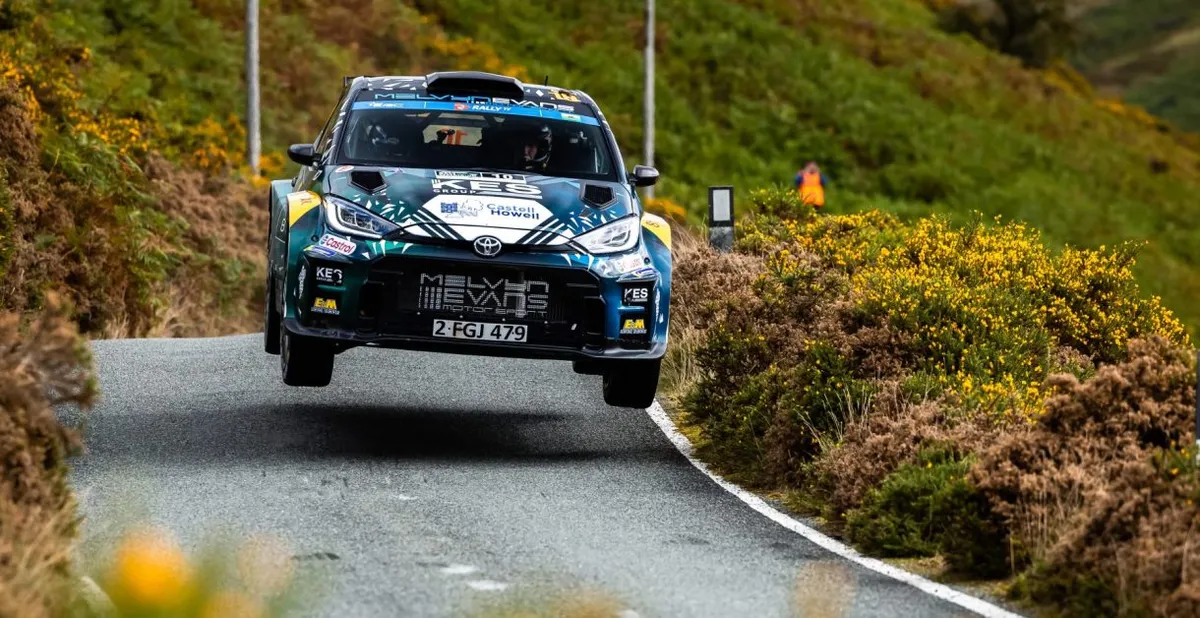
Kris Meeke wins Rali Ceredigion while Teemu Suninen clinches the 2026 ERC title with a round to spare. Full report and analysis here.

Tom Fowler issues ultimatum: WRC must change sporting rules to eliminate road position advantage equivalent to 100 horsepower. Full analysis inside.
 Continue with Google
Discussion (0)
Join the Discussion!
Sign in easily to start commenting, replying, and interacting with other readers.
Latest Comments
No comments yet. Be the first!