







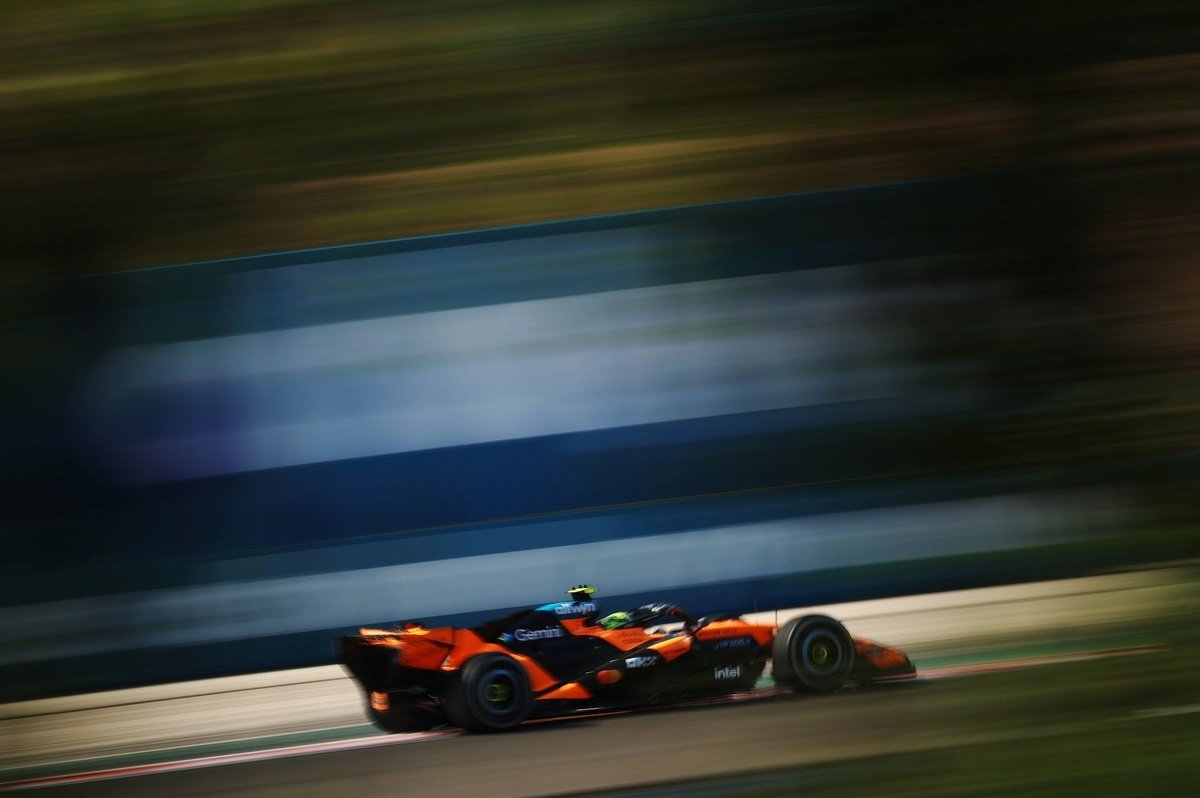

Formula 1 is currently enjoying its annual summer recess, a two-week pause between the Hungarian Grand Prix and the Dutch Grand Prix. Despite a disrupted calendar due to geopolitical conflicts, the pinnacle of motorsport maintains this tradition agreed upon by all teams. Why is this break important, and what do teams and drivers actually do during this period?
The F1 summer break is the period between the last race in July and the first race back in late August. This season, the Hungarian GP marked the end of the first half with 11 rounds, and official track action resumes at Zandvoort on 21-23 August. During this time, all 11 teams on the grid enjoy a well-deserved rest, but they do not completely shut down operations.
The core rule is defined in Article 21.8 of the FIA F1 Sporting Regulations, mandating all competitors to observe a 14-day shutdown period in July and/or August. During this time, teams are prohibited from working on car design, development, parts production, or even holding planning meetings. Wind tunnels and machining parts are also not allowed to operate, except for essential tasks like service and maintenance.
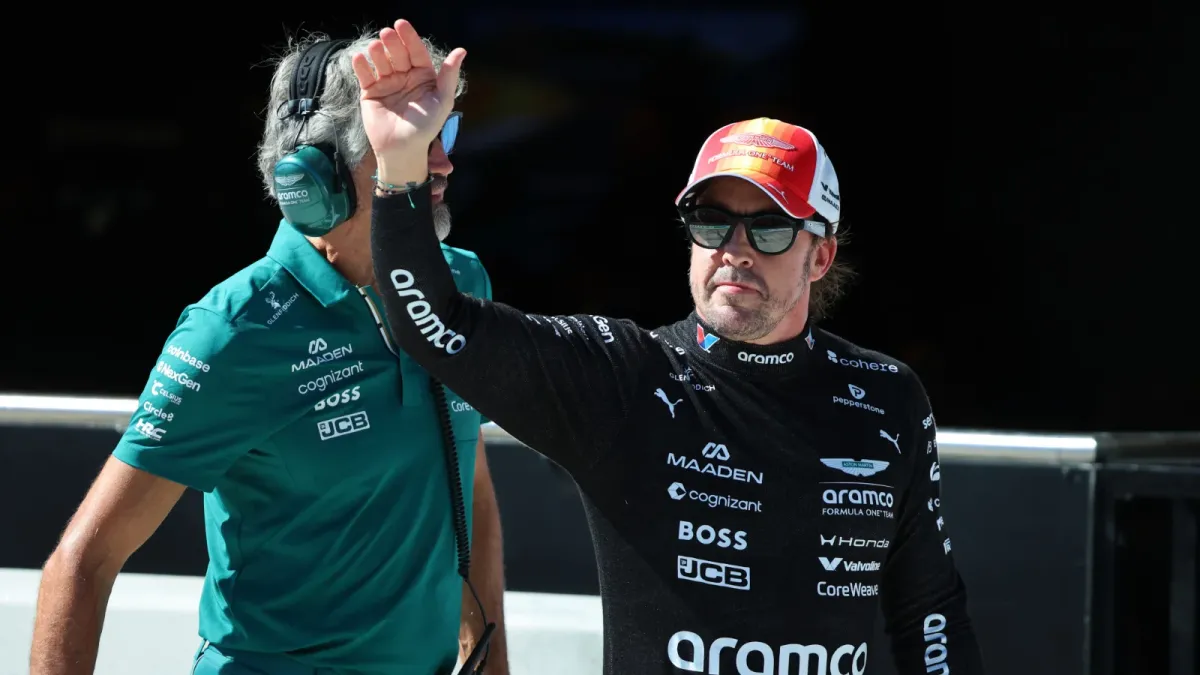
Interestingly, this regulation is one of the few things everyone in F1 agrees on. FIA single-seater director Nikolas Tombazis noted that it is rare to have 11 teams and five or six engine manufacturers unanimous on any issue. "The only thing I think that everybody agrees on is that the August shutdown is a good thing," he told Motorsport.com. He also revealed it took time to reach consensus, as Toro Rosso founder Franz Tost initially opposed the idea.
The summer break also serves as a cost-control mechanism and a leveler of competition. Since the calendar expanded to over 20 races per season, this pause ensures teams cannot exploit time for competitive advantage. By halting development, teams are forced to stop, giving personnel a chance to rest and recharge before the frantic end-of-season run.
For drivers, the break typically includes a brief debrief the day after the last race, followed by freedom to go on holiday. Most return to the team factory in the week before the next race to work in the simulator. Meanwhile, departments such as marketing, finance, and legal continue operating as they have no direct impact on car performance.
As reported by Motorsport.com, this pause is also a timely breather before the final 12 races over 15 weeks, starting with the Dutch GP. With strict rules and mutual agreement, the F1 summer break is not just a tradition but a vital element in balancing competition, costs, and personnel well-being.
Read Also

Isack Hadjar is confirmed to return to Red Bull for the Azerbaijan GP in Baku after recovering from a wrist injury. Liam Lawson goes back to Racing Bulls.
F1 Commission approves shorter races at 290 km from 2027 to accommodate power unit changes. Here's why and what it means for teams and drivers.
FIA announces 2027 F1 regulation changes: race distance cut, time rules updated, and gearbox homologation removed. Discover the impact on teams and fans.
 Continue with Google
Discussion (0)
Join the Discussion!
Sign in easily to start commenting, replying, and interacting with other readers.
Latest Comments
No comments yet. Be the first!